
Many UK drivers underestimate both the safety risks and legal obligations that come with clearing a frozen windscreen on a winter morning. The Highway Code is unambiguous: you must be able to see clearly in all required directions before moving — yet thousands of drivers set off each winter with only a porthole scraped, risking prosecution, insurance issues, and genuine danger to themselves and other road users.
Legal Requirements and Safe Defrosting Methods for UK Drivers
Before covering technique, the legal position is clear. Under Rule 229 of the Highway Code, drivers must ensure the entire windscreen and all windows are clear of ice, snow, and condensation before driving. This includes the rear window, side windows, door mirrors, number plates, and any snow on the roof that could slide onto following traffic. Driving with a porthole-only windscreen constitutes dangerous driving and can result in prosecution, penalty points, and a fine. Clearing the car completely takes no longer than five minutes with the right approach.
| Defrosting Method | Speed | Safety | Legal Risk |
|---|---|---|---|
| Proper ice scraper + de-icer spray | Fast — 2–4 mins | Safe | None |
| Car heater + air conditioning | Moderate — 5–8 mins | Safe | None if supervised |
| Boiling water from kettle | Fast | Dangerous — cracks glass | Fine if driving before clear |
| Leaving engine running unattended | Moderate | Legal risk | Offence under Road Traffic Act |
| Vinegar/water solution (overnight) | Preventive only | Safe | None |
The Step-by-Step Defrosting Process
Step 1: Prepare Before Winter Arrives
The most efficient approach to winter morning defrosting begins the evening before. A windscreen frost guard — a purpose-made cover that fits over the windscreen and secures under the door frames — prevents ice formation entirely, eliminating the need for scraping on most mornings. Quality covers are available from Halfords for £10–£25 and last several seasons.
Alternatively, a de-icing spray applied the night before creates a thin chemical barrier that prevents ice bonding to the glass — not foolproof in heavy frost but effective in mild overnight freezes.
Step 2: Start the Engine and Heater Correctly
Start the engine and immediately set the heating system to:
- Heater fan on full, directed at the windscreen
- Temperature set to warm — but start at a moderate temperature rather than maximum heat; sudden extreme temperature changes can stress glass, particularly around any existing chips or cracks
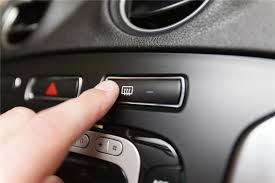
- Air conditioning switched on — this is not just for summer. Air conditioning dries the cabin air, which is the key to clearing interior misting rapidly. Most UK drivers do not realise that the most effective demisting comes from warm, dry air — which requires air conditioning to dehumidify — rather than simply hot air
The RAC advises starting the heater on a cooler setting and gradually increasing temperature as the cabin air dries, rather than blasting maximum heat at cold, moisture-saturated air. This approach clears misting faster and more sustainably.
Step 3: Clear Snow First, Then Ice
If snow is present, clear it before applying heat or de-icer:
- Use a soft brush to sweep snow from the roof, bonnet, and all glass surfaces
- Clear the roof first — snow left on the roof slides onto the rear window when braking and onto following vehicles’ windscreens when accelerating
- Then clear the bonnet — a clear bonnet improves visibility of the road markings and avoids snow blowing onto the wipers when moving
Do not use your wipers to clear snow — the wiper motor is not designed for the load of compacted snow and can be damaged. Check that the wipers are not frozen to the glass before activating them.
Step 4: Scrape the Ice
Apply de-icer spray to all glass surfaces and allow the chemical to work for 60–90 seconds before scraping. Quality de-icer spray — available from every petrol station, Halfords, and most supermarkets for £2–£5 — contains methanol or ethanol-based solutions that break the bond between ice and glass without requiring physical force.
Then use a proper plastic ice scraper — not a credit card, a spatula, or any improvised substitute that risks scratching the glass. Scrape in parallel strokes across the glass rather than circular motions, which leave uncleared patches. Work from top to bottom, ensuring the bottom of the windscreen (where the wipers rest) is fully cleared.
The AA’s recommended sequence: Upper edges first, working downward in parallel strokes across the full width, finishing at the wiper blade area.
Step 5: Clear All Glass and Mirrors
Once the windscreen is clear, clear all remaining glass:
- Rear window — if the car’s heated rear screen has not already cleared it, use de-icer and a scraper
- Side windows and quarter lights — full visibility in all directions is a legal requirement, not optional
- Door mirrors — spray de-icer and gently clear with a cloth if needed; never scrape a mirror with a hard scraper as the glass is thinner and more easily scratched
- Number plates — obscured plates are an offence; clear snow and ice from both
What Never to Do
Never pour boiling water on the windscreen. The thermal shock of near-100°C water meeting glass at -5°C causes glass to expand extremely rapidly — a process that exploits any existing microcrack, chip, or internal stress in the glass, potentially causing the windscreen to crack or shatter. Even lukewarm water carries a risk if the windscreen has any existing damage. The AA and RAC both explicitly advise against any water application.
Never leave the car running unattended on a public road. Under the Road Traffic Act 1988 (Rule 123 of the Highway Code), leaving a vehicle unattended with the engine running on a public road is an offence. It also invalidates most comprehensive insurance policies — a parked, running, unattended vehicle that is stolen leaves the owner with no insurance cover. Use a remote start system only if the car remains locked and in view.
For those thinking about cold weather driving safety more broadly, our guide on winter driving safety and stopping distances covers road safety essentials for UK drivers throughout the winter months.
Preventing Ice: The Evening Routine
Prevention is faster than cure. A five-minute evening routine eliminates most morning ice problems:
- Apply a windscreen cover or cut an old piece of cardboard to windscreen size and tuck it under the wipers
- Spray de-icer on the door locks — frozen locks delay entry and prevent access to the heater
- Wipe door seals with a small amount of silicone spray — prevents rubber seals freezing to the door frame
- Park facing east where possible — morning sun provides passive warming that reduces ice formation on east-facing glass
For further information on road safety obligations in winter, the gov.uk driving in adverse weather conditions guidance covers the full Highway Code obligations.
Is it illegal to drive with a partially frosted windscreen?
Yes — Rule 229 of the Highway Code requires all windows and mirrors to be clear before moving. A driver who sets off with only a small cleared section can be prosecuted for dangerous or careless driving, and a conviction carries penalty points and fines. For context on how penalty points accumulate, see our UK driving licence points guide.
Can pouring water on a windscreen crack it?
Yes — boiling water causes thermal shock that can crack glass, particularly around existing chips or weaknesses. Even warm water risks refreezing rapidly and damaging wiper blades. The AA and RAC both advise against using any water on a frozen windscreen; use de-icer spray and an ice scraper instead.
Does air conditioning help defrost a windscreen?
Yes — air conditioning removes moisture from cabin air, which is the primary cause of interior misting. Running the heater fan with air conditioning on simultaneously provides warm, dry air that clears interior condensation significantly faster than heating alone. The air conditioning compressor operates even in winter on all modern vehicles.
Can I use a hairdryer to defrost my windscreen?
Using a mains-powered hairdryer outdoors in wet or icy conditions is a significant electrical safety risk. A 12V car-powered de-icing fan is safer but slow. The combination of de-icer spray and a quality scraper remains the fastest and safest method.
What is the best de-icer spray to buy in the UK?
Holts Rapid De-Icer, RAC Fast-Acting De-Icer, and Halfords Premium De-Icer consistently receive strong reviews for speed and effectiveness. A 500ml can costs £3–£5 and clears a standard windscreen in 60–90 seconds. Keep a spare can in the boot in case the exterior can freezes overnight.
From my point of view, investing £15–£25 in a quality windscreen frost cover before winter arrives is the single most time-saving cold-weather purchase a UK driver can make. Eliminating morning scraping almost entirely — and doing so legally and without risk of glass damage — makes it the most practical preparation for a UK winter.





