
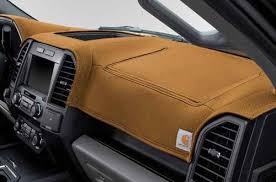
Your car’s dashboard is the most vulnerable interior part to summer sun damage. UV rays and heat cause cracking, fading, and warping that permanently ruin appearance and functionality. Protecting your dashboard preserves your car’s value and keeps it looking new. This guide covers proven methods to shield your dashboard from summer damage.
Apply UV protection treatment specifically for automotive interiors, use fabric dashboard covers instead of plastic, clean regularly with soft cloth and appropriate cleaner, avoid plastic protectors that reflect heat back, park in shade or use silver sunshade, check for early cracking signs, reapply protection every 6 months, choose products with UV blockers.
Why Dashboard Damage Happens in Summer
The dashboard suffers more sun damage than other interior parts because it receives direct sunlight through the windscreen for hours each day. The windscreen acts like a magnifying glass, concentrating UV rays and heat onto the dashboard surface.
UV radiation breaks down plastic and leather materials over time. The polymers that give dashboards their strength and flexibility deteriorate, causing表面 to become brittle, crack, and fade. This process accelerates dramatically in summer when UV intensity is highest.
Heat intensifies the damage – dashboard temperatures can reach 70-80°C in direct sun, even when outside temperature is only 30°C. This extreme heat speeds up chemical breakdown of materials, causing warping, softening, and colour changes.
Combined UV and heat damage creates a cycle: UV weakens the material structure, heat accelerates the breakdown, and the damaged surface reflects less light, absorbing more heat and UV, worsening the damage further.
How to Apply UV Protection Treatment
Apply a UV protection treatment specifically designed for automotive interiors for the best protection. These products contain specialised UV blockers that penetrate the surface and create a protective layer.
Choosing the Right Product
Look for products with these features:
- UV absorbers that block 99% of UV radiation
- Non-greasy formula that doesn’t attract dust
- Long-lasting protection (6+ months)
- Safe for all dashboard materials (plastic, leather, vinyl)
- No residue that flakes off over time
Popular brands include Chemical Guys, Meguiar’s, and Turtle Wax, all available at UK automotive stores.
Application Process
- Clean the dashboard thoroughly – remove all dust, dirt, and old products using a soft microfibre cloth and appropriate interior cleaner
- Let the surface dry completely – moisture prevents proper absorption of UV treatment
- Apply the product – spray onto a clean cloth first, then rub onto the dashboard in circular motions
- Work in sections – apply to one area at a time to ensure even coverage
- Buff gently – use a clean part of the cloth to buff away any excess
- Let it cure – allow 15-30 minutes for the product to bond before closing the car
Reapply every 6 months or when you notice the protection wearing off. Regular reapplication maintains continuous protection.
Use Dashboard Covers and Sunshades
Use a dashboard cover or sunshade when parking. These physical barriers provide the most effective protection by blocking UV rays and heat completely.
Fabric Covers vs Plastic Covers
Fabric covers provide better protection than plastic ones and don’t reflect heat back onto the dashboard. Fabric absorbs heat and UV, preventing both from reaching the surface.
Plastic covers reflect heat back onto the dashboard, actually increasing damage. The reflected heat bounces back onto the surface, raising temperatures and accelerating breakdown.
Choosing the Right Cover
Look for:
- Tight fit that doesn’t slip or bunch up
- Soft fabric that won’t scratch the dashboard
- Secure attachment with straps or clips
- Dark colour that absorbs UV rather than reflecting it
- Easy removal for when you start driving
Quality dashboard covers cost £15-£40 and last several years with proper care.
When to Use
Deploy the cover immediately when parking – don’t wait for the dashboard to heat up. The moment sunlight hits the dashboard, damage begins.
Remove the cover before driving – driving with it on obstructs your view and is dangerous.
Store properly – fold neatly and store in a Bag when not in use to prevent tearing.
Keep the Interior Clean
Keep the interior clean because dust and dirt particles can scratch the dashboard surface when exposed to heat. Heated dust becomes abrasive, grinding against the dashboard as you drive or as the car vibrates.
Cleaning Routine
Clean regularly with a soft cloth and appropriate cleaner – use a microfibre cloth designed for automotive interiors. Avoid household cleaners that may contain harsh chemicals damaging to dashboard materials.
Weekly cleaning:
- Dust the surface with a clean microfibre cloth
- Use interior cleaner on a separate cloth for deeper cleaning
- Buff dry with a clean cloth
Monthly deep cleaning:
- Apply interior cleaner generously
- Work into the surface with a soft brush for textured dashboards
- Wipe away with a clean cloth
- Apply UV protection treatment after cleaning
Avoid abrasive materials – never use paper towels, rough cloths, or stiff brushes that scratch the surface.
What Cleaners to Use
Use automotive interior cleaners specifically formulated for dashboard materials. These are pH-balanced and won’t damage plastic, leather, or vinyl.
Avoid household cleaners including:
- Window cleaner (contains ammonia)
- Furniture polish (too oily)
- Bathroom cleaner (too harsh)
- Dish soap (leaves residue)
These products damage dashboard materials over time.
Avoid Plastic Protectors That Reflect Heat
Avoid plastic protectors that reflect heat back onto the dashboard – these can actually increase damage rather than prevent it. This is a common misconception that causes more harm than good.
Why Plastic Protectors Are Harmful
Plastic protectors work by reflecting sunlight, but this reflected light includes heat radiation that bounces back onto the dashboard. Instead of absorbing and dissipating heat, the plastic traps it against the surface, raising temperatures by 5-10°C.
Higher temperatures accelerate material breakdown. The UV protection may block some UV rays, but the increased heat damage outweighs this benefit.
Better Alternatives
Use fabric covers instead – they absorb UV and heat, preventing both from reaching the dashboard.
Use UV treatment products – these penetrate the surface and block UV without trapping heat.
Park in shade – eliminates both UV and heat exposure naturally.
Park in Shade or Use Sunshades
Parking in shade is the most effective protection – it eliminates direct UV exposure and reduces heat buildup by 15-20°C compared to direct sun.
Benefits of Shade Parking
- Lower dashboard temperature – shade reduces surface temperature significantly
- No direct UV exposure – trees or buildings block UV rays completely
- Reduced interior heat –整个 cabin stays cooler
- Less AC workload – cooler interior means air conditioning works less
Using Sunshades When Shade Isn’t Available
Use a silver reflective sunshade on the windscreen when shade isn’t available. This reduces interior temperature by 15-20°C, providing similar protection to shade parking.
Choose sunshades with:
- Reflective silver coating
- Secure attachment clips
- Proper size for your windscreen
- Durable, tear-resistant material
Deploy the sunshade immediately when parking – don’t wait for the dashboard to heat up.
Check for Early Cracking Signs
Regular inspection helps you catch damage early before it becomes serious.
What to Look For
Check for these early signs:
- Small surface cracks – fine lines that don’t yet penetrate deeply
- Colour fading – dashboard appears lighter than original colour
- Surface dullness – loss of original shine or texture
- Soft spots – areas that feel softer than surrounding surface
- Warping – dashboard surface not sitting flat
When to Act
Act immediately when you notice any signs – early damage is reversible with proper treatment. Deep cracks require dashboard replacement, which costs £200-£800.
Small cracks can be filled with plastic repair kits and protected with UV treatment.
** colour fading** can be reversed with colour-restoring products designed for automotive interiors.
Surface dullness is corrected with proper cleaning and UV treatment.
Reapply Protection Regularly
Reapply UV protection every 6 months to maintain continuous protection. Even the best products wear off over time through exposure, cleaning, and normal use.
Signs Protection Is Wearing Off
- Dashboard feels dry or rough
- Dust adheres more easily
- UV protection seems less effective
- You notice slight colour fading
- Surface loses its protected feel
Reapplication Process
Follow the same application process as initial treatment:
- Clean thoroughly
- Let dry completely
- Apply new UV treatment
- Buff gently
- Let cure
Regular reapplication is cheaper than repairing damage.
Dashboard Material Considerations
Different dashboard materials require slightly different protection approaches.
Plastic Dashboards
Most common material – relatively durable but susceptible to UV damage and cracking. Use UV treatment products designed for plastic. Avoid oil-based products that make plastic soft.
Leather Dashboards
Premium material – requires specialised leather UV protectors. Use products containing conditioners that keep leather supple. Avoid plastic-based treatments that dry leather out.
Vinyl Dashboards
Common in older cars – similar protection to plastic but more flexible. Use vinyl-safe UV treatments. Avoid alcohol-based cleaners that stiffen vinyl.
Textured Dashboards
Modern design feature – requires soft brush for cleaning crevices. Use UV treatments that penetrate textured surfaces. Avoid thick products that fill texture.
Professional Dashboard Protection Services
Professional protection services provide superior results for valuable cars or severe damage.
What Services Offer
- Deep cleaning with specialised equipment
- Damage repair for cracks and fading
- Professional-grade UV treatment lasting 12+ months
- Colour restoration for faded surfaces
- Texture restoration for worn areas
Cost and Benefits
Professional services cost £80-£200 depending on vehicle size and damage extent. The protection lasts 12-18 months compared to 6 months for DIY treatment.
Best for:
- Luxury vehicles
- Cars with existing damage
- Owners wanting maximum protection
- Vehicles used commercially
Cost of Dashboard Replacement
Understanding replacement costs emphasises the value of protection:
| Damage Type | Repair Cost |
|---|
- Small cracks | £50-£150 (repair kit) |
- Moderate cracking | £150-£400 (professional repair) |
- colour fading | £100-£300 (colour restoration) |
- Severe cracking | £400-£800 (replacement) |
- Warping | £300-£700 (replacement) |
- Complete replacement | £600-£1,500 (new dashboard) |
Protection costs £20-£50 annually – far cheaper than replacement.
In my experience, dashboard protection is one of the most cost-effective car maintenance tasks. A £30 UV treatment applied twice yearly prevents £500+ in replacement costs. The investment pays back immediately in preserved appearance and value.
From my point of view, the most important habit is applying UV treatment before summer starts and reapplying in autumn. This 30-minute task protects your dashboard through the most damaging months.
I would recommend focusing on basics first: clean weekly, apply UV treatment every 6 months, use fabric covers when parking, and park in shade whenever possible. These simple steps keep your dashboard looking new for years.
For UK drivers, remember that summer UV intensity is high even in moderate temperatures. British summers reaching 30-35°C still cause significant dashboard damage without protection. For automotive product recommendations, check recognised retailers like Halfords or Autotrader. For vehicle maintenance standards, visit gov.uk.





