
How to Store Seasonal Tyres at Home: Mistakes to Avoid and Best Practices for UK Drivers
Storing seasonal tyres correctly extends their useful life, preserves their performance, and prevents the kind of hidden degradation that only becomes apparent once you are back on the road. This guide covers every common mistake — and how to avoid it.
Key Points
- Incorrect storage can shorten a tyre’s lifespan by several years, even without any road use
- UV light, ozone, and petroleum-based fumes are the biggest environmental threats to stored rubber
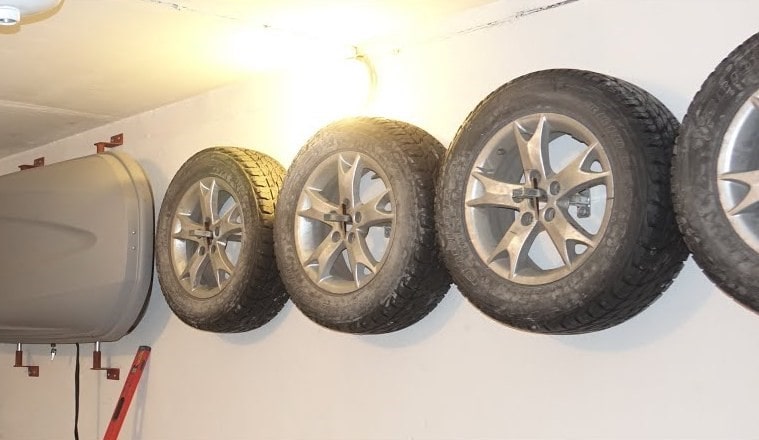
- Tyres should be stored upright if mounted on rims, horizontally if unmounted
- Summer tyres stored in cold outbuildings are vulnerable to surface cracking
- A tyre hotel service is the most practical solution for drivers without suitable indoor storage
- Always check the DOT age code and tread depth before refitting stored tyres each season
Why Storage Conditions Matter More Than Most Drivers Assume
A tyre sitting in storage for six months is not in stasis — rubber is continuously ageing due to chemical reactions triggered by temperature, light, ozone, and contamination. A poorly stored tyre can develop surface cracking, sidewall degradation, and compound hardening that renders it dangerous or MOT-ineligible even with substantial tread remaining.
The good news is that correct storage is straightforward and costs nothing beyond a small amount of space. The mistakes that cause damage are almost all avoidable.
Mistake 1: Storing Tyres in Direct Sunlight
Ultraviolet light breaks down the chemical compounds in rubber over time — the same process that causes garden furniture and plastic trim to fade and crack. A tyre stored near a south-facing window, in a glass greenhouse, or under clear plastic sheeting will degrade significantly faster than one kept in a dark environment.
Always store seasonal tyres in a shaded, enclosed space. A garage with no direct sunlight exposure is ideal. If using tyre bags, ensure they are opaque rather than clear — UV passes through transparent plastic.
Mistake 2: Storing Near Heat Sources, Solvents, or Electric Motors
Heat accelerates the ageing of rubber compounds, as do ozone-generating appliances. Electric motors, compressors, and generators produce ozone as a byproduct of their operation — storing tyres near these appliances exposes the rubber to an accelerated degradation process that causes characteristic ozone cracking on the sidewalls.
Equally problematic: petroleum-based products, lubricants, and solvents stored nearby can vapour-contaminate rubber over time. A garage doubling as a workshop is not inherently unsuitable for tyre storage, but ensure tyres are sealed in bags and kept well away from fuel containers, solvents, and running machinery.
According to Michelin’s tyre storage guidance, tyres should be stored in a cool, dry environment at temperatures between -10°C and +30°C, away from light, heat, and ozone sources.
Mistake 3: Storing Summer Tyres in an Unheated Shed
Cold is less damaging to tyres than heat, but UK outdoor sheds present a specific problem: they can reach well below zero in winter and exceed 40°C in summer. This repeated thermal cycling — combined with humidity and potential condensation — is significantly harder on rubber than a stable indoor temperature.
Summer tyres are particularly vulnerable to surface cracking in sustained cold, as their harder compound becomes more brittle at low temperatures. Storing summer tyres in an unheated outdoor structure through winter introduces exactly the conditions their compound is least suited to handle. An internal garage, a utility room, or a tyre hotel service is strongly preferable.
Mistake 4: Stacking or Hanging Tyres Incorrectly
How you position tyres during storage affects whether they deform under their own weight:
| Storage Method | Correct Position | Notes |
|---|---|---|
| Tyres mounted on rims | Upright (vertical), slightly inflated | Rotate quarter-turn monthly if possible |
| Tyres without rims | Horizontal (stacked), max 4 high | Do not hang by the bead — distorts profile |
| Long-term storage | In sealed tyre bags | Reduces ozone and UV exposure significantly |
Hanging unmounted tyres from hooks by their inner bead — a common garage practice — distorts the bead seat area over time, potentially affecting how the tyre seats on the rim when refitted. This is a particular risk with run-flat tyres, whose stiffer sidewalls make bead distortion harder to reverse.
If tyres are stored upright on rims, inflate them to approximately half the recommended running pressure — enough to maintain shape, but reduced to limit stress on the construction during storage.
Mistake 5: Failing to Clean Tyres Before Storage
Road salt, brake dust, and grime left on a tyre’s surface during storage can cause localised chemical degradation. Before storing seasonal tyres:
- Wash with mild soap and water — avoid petroleum-based tyre shine products
- Allow to dry completely before bagging or stacking
- Inspect the tread and sidewalls for any damage, cuts, or embedded objects that should be addressed before next season
- Check and note the tread depth — so you know what to expect when you refit them
Mistake 6: Ignoring the DOT Age Code
Before refitting stored tyres each season, always check the DOT manufacture date on the sidewall. The last four digits encode the week and year of production — a tyre reading 1819 was made in the 18th week of 2019, making it seven years old by 2026. If your stored tyres are approaching or beyond six years of age, factor in a professional inspection before refitting, and budget for replacement if they show any signs of compound hardening or cracking regardless of remaining tread depth.
For how tyre age and condition intersect with MOT compliance, the DVSA MOT inspection manual provides the definitive reference for what inspectors assess when checking rubber.
When to Consider a Tyre Hotel
If you lack suitable indoor storage — no garage, a damp basement, a shared building — a tyre hotel service offered by most tyre retailers is worth considering. Annual storage typically costs between £40 and £80 depending on location and whether rims are included, and the tyres are stored in controlled conditions by professionals. Many services include a seasonal changeover as part of the package, eliminating the need to transport tyres yourself.
For drivers of premium or performance vehicles where tyre replacement costs are high, the relatively small annual cost of proper storage is easily justified by the extended lifespan it delivers. See our guide to best plug-in hybrid cars UK 2025 if you are considering whether your next vehicle warrants seasonal tyre management.
FAQ
Can I store tyres in a shed over winter?
It is not ideal — sheds experience wide temperature swings, humidity, and UV exposure. An insulated indoor space is always preferable. If a shed is the only option, use opaque tyre bags and elevate tyres off a cold concrete floor.
How long can tyres be stored before they go off?
Stored correctly in cool, dark, dry conditions, tyres can remain serviceable for up to six yearsfrom their manufacture date. Beyond that, rubber degradation becomes a safety concern regardless of appearance.
Should I deflate tyres for storage?
Not completely. For tyres on rims, maintain roughly half the recommended running pressure to preserve the tyre’s shape. Fully deflated tyres on rims can develop flat spots.
Do I need tyre bags for storage?
They are not essential, but they offer meaningful protection from ozone, UV, and dust contamination. A basic set of four tyre bags costs under £15 from any motor retailer.
How should I prepare tyres before refitting them after storage?
Inspect for cracking, check tread depth, verify the DOT age code, and have a garage check tyre pressures and balance before returning to normal road use — particularly after several months of storage.
In my experience, the drivers who get the longest life from their seasonal tyres are those who treat storage as part of the maintenance cycle, not an afterthought. Fifteen minutes of preparation before putting tyres away and a five-minute inspection before refitting them are investments that routinely add another season — or two — to a set of otherwise well-preserved rubber.Storing seasonal tyres correctly extends their useful life, preserves their performance, and prevents the kind of hidden degradation that only becomes apparent once you are back on the road. This guide covers every common mistake — and how to avoid it.
Key Points
- Incorrect storage can shorten a tyre’s lifespan by several years, even without any road use
- UV light, ozone, and petroleum-based fumes are the biggest environmental threats to stored rubber
- Tyres should be stored upright if mounted on rims, horizontally if unmounted
- Summer tyres stored in cold outbuildings are vulnerable to surface cracking
- A tyre hotel service is the most practical solution for drivers without suitable indoor storage
- Always check the DOT age code and tread depth before refitting stored tyres each season
Why Storage Conditions Matter More Than Most Drivers Assume
A tyre sitting in storage for six months is not in stasis — rubber is continuously ageing due to chemical reactions triggered by temperature, light, ozone, and contamination. A poorly stored tyre can develop surface cracking, sidewall degradation, and compound hardening that renders it dangerous or MOT-ineligible even with substantial tread remaining.
The good news is that correct storage is straightforward and costs nothing beyond a small amount of space. The mistakes that cause damage are almost all avoidable.
Mistake 1: Storing Tyres in Direct Sunlight
Ultraviolet light breaks down the chemical compounds in rubber over time — the same process that causes garden furniture and plastic trim to fade and crack. A tyre stored near a south-facing window, in a glass greenhouse, or under clear plastic sheeting will degrade significantly faster than one kept in a dark environment.
Always store seasonal tyres in a shaded, enclosed space. A garage with no direct sunlight exposure is ideal. If using tyre bags, ensure they are opaque rather than clear — UV passes through transparent plastic.
Mistake 2: Storing Near Heat Sources, Solvents, or Electric Motors
Heat accelerates the ageing of rubber compounds, as do ozone-generating appliances. Electric motors, compressors, and generators produce ozone as a byproduct of their operation — storing tyres near these appliances exposes the rubber to an accelerated degradation process that causes characteristic ozone cracking on the sidewalls.
Equally problematic: petroleum-based products, lubricants, and solvents stored nearby can vapour-contaminate rubber over time. A garage doubling as a workshop is not inherently unsuitable for tyre storage, but ensure tyres are sealed in bags and kept well away from fuel containers, solvents, and running machinery.
According to Michelin’s tyre storage guidance, tyres should be stored in a cool, dry environment at temperatures between -10°C and +30°C, away from light, heat, and ozone sources.
Mistake 3: Storing Summer Tyres in an Unheated Shed
Cold is less damaging to tyres than heat, but UK outdoor sheds present a specific problem: they can reach well below zero in winter and exceed 40°C in summer. This repeated thermal cycling — combined with humidity and potential condensation — is significantly harder on rubber than a stable indoor temperature.
Summer tyres are particularly vulnerable to surface cracking in sustained cold, as their harder compound becomes more brittle at low temperatures. Storing summer tyres in an unheated outdoor structure through winter introduces exactly the conditions their compound is least suited to handle. An internal garage, a utility room, or a tyre hotel service is strongly preferable.
Mistake 4: Stacking or Hanging Tyres Incorrectly
How you position tyres during storage affects whether they deform under their own weight:
| Storage Method | Correct Position | Notes |
|---|---|---|
| Tyres mounted on rims | Upright (vertical), slightly inflated | Rotate quarter-turn monthly if possible |
| Tyres without rims | Horizontal (stacked), max 4 high | Do not hang by the bead — distorts profile |
| Long-term storage | In sealed tyre bags | Reduces ozone and UV exposure significantly |
Hanging unmounted tyres from hooks by their inner bead — a common garage practice — distorts the bead seat area over time, potentially affecting how the tyre seats on the rim when refitted. This is a particular risk with run-flat tyres, whose stiffer sidewalls make bead distortion harder to reverse.
If tyres are stored upright on rims, inflate them to approximately half the recommended running pressure — enough to maintain shape, but reduced to limit stress on the construction during storage.
Mistake 5: Failing to Clean Tyres Before Storage
Road salt, brake dust, and grime left on a tyre’s surface during storage can cause localised chemical degradation. Before storing seasonal tyres:
- Wash with mild soap and water — avoid petroleum-based tyre shine products
- Allow to dry completely before bagging or stacking
- Inspect the tread and sidewalls for any damage, cuts, or embedded objects that should be addressed before next season
- Check and note the tread depth — so you know what to expect when you refit them
Mistake 6: Ignoring the DOT Age Code
Before refitting stored tyres each season, always check the DOT manufacture date on the sidewall. The last four digits encode the week and year of production — a tyre reading 1819 was made in the 18th week of 2019, making it seven years old by 2026. If your stored tyres are approaching or beyond six years of age, factor in a professional inspection before refitting, and budget for replacement if they show any signs of compound hardening or cracking regardless of remaining tread depth.
For how tyre age and condition intersect with MOT compliance, the DVSA MOT inspection manual provides the definitive reference for what inspectors assess when checking rubber.
When to Consider a Tyre Hotel
If you lack suitable indoor storage — no garage, a damp basement, a shared building — a tyre hotel service offered by most tyre retailers is worth considering. Annual storage typically costs between £40 and £80 depending on location and whether rims are included, and the tyres are stored in controlled conditions by professionals. Many services include a seasonal changeover as part of the package, eliminating the need to transport tyres yourself.
For drivers of premium or performance vehicles where tyre replacement costs are high, the relatively small annual cost of proper storage is easily justified by the extended lifespan it delivers. See our guide to best plug-in hybrid cars UK 2025 if you are considering whether your next vehicle warrants seasonal tyre management.
FAQ
Can I store tyres in a shed over winter?
It is not ideal — sheds experience wide temperature swings, humidity, and UV exposure. An insulated indoor space is always preferable. If a shed is the only option, use opaque tyre bags and elevate tyres off a cold concrete floor.
How long can tyres be stored before they go off?
Stored correctly in cool, dark, dry conditions, tyres can remain serviceable for up to six yearsfrom their manufacture date. Beyond that, rubber degradation becomes a safety concern regardless of appearance.
Should I deflate tyres for storage?
Not completely. For tyres on rims, maintain roughly half the recommended running pressure to preserve the tyre’s shape. Fully deflated tyres on rims can develop flat spots.
Do I need tyre bags for storage?
They are not essential, but they offer meaningful protection from ozone, UV, and dust contamination. A basic set of four tyre bags costs under £15 from any motor retailer.
How should I prepare tyres before refitting them after storage?
Inspect for cracking, check tread depth, verify the DOT age code, and have a garage check tyre pressures and balance before returning to normal road use — particularly after several months of storage.
In my experience, the drivers who get the longest life from their seasonal tyres are those who treat storage as part of the maintenance cycle, not an afterthought. Fifteen minutes of preparation before putting tyres away and a five-minute inspection before refitting them are investments that routinely add another season — or two — to a set of otherwise well-preserved rubber.





