
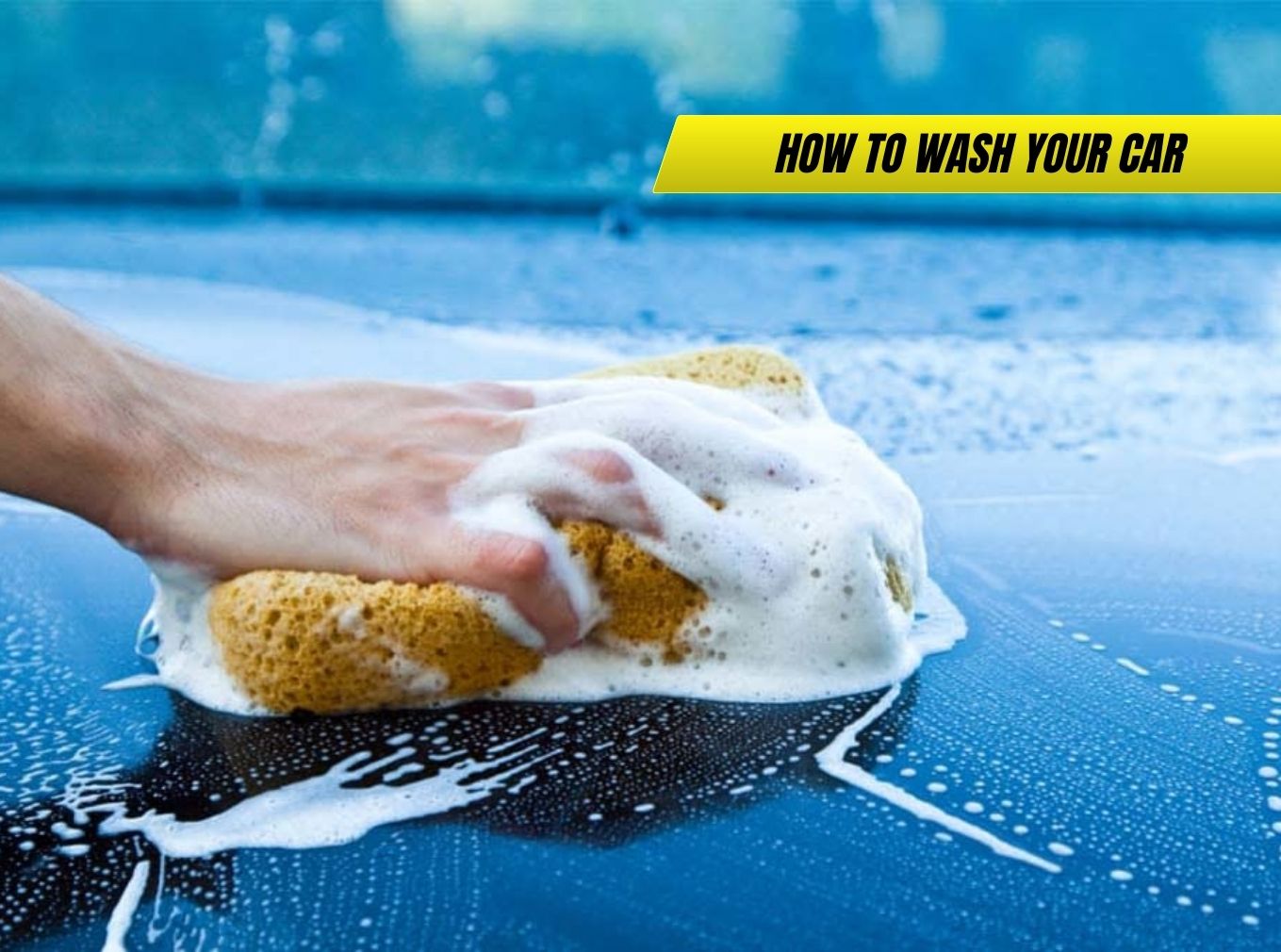
Complete car washing guide for UK drivers. Expert advice on methods, products, techniques and equipment for achieving professional results at home.
Proper car washing extends far beyond basic cleanliness, playing a crucial role in paint protection, vehicle longevity, and maintaining resale value. Having spent considerable time testing various washing methods and products across different vehicle types and conditions, I can provide comprehensive guidance on achieving professional results whilst avoiding common mistakes that can damage paintwork or compromise your vehicle’s appearance.
Key Points: • Two-bucket method prevents scratching and swirl marks during washing • Pre-washing with snow foam or citrus cleaners removes heavy contamination safely • Microfibre cloths and wash mitts significantly outperform traditional sponges • Proper drying technique prevents water spots and maintains paint finish quality • Seasonal washing strategies address UK weather challenges effectively • Professional-grade products often provide better value despite higher initial costs
Understanding Modern Car Washing Science
Modern vehicle finishes require sophisticated cleaning approaches that protect delicate paint systems whilst achieving thorough cleanliness. From my experience testing various methods on different paint types, understanding the science behind effective washing prevents costly damage and achieves superior results.
Essential Equipment for Effective Car Washing
Professional-Grade Washing Tools
Investing in quality washing equipment dramatically improves results whilst reducing effort and time requirements. The difference between professional tools and basic alternatives becomes apparent immediately when washing begins.
Essential Equipment List:
- Two Buckets: Separate wash and rinse water prevents contamination
- Grit Guards: Trap dirt particles at bucket bottom
- Microfibre Wash Mitts: Superior cleaning and paint safety
- Drying Towels: Large microfibre or chamois for streak-free results
- Pressure Washer: Efficient pre-rinse and foam application
- Snow Foam Lance: Pre-washing foam application system
| Equipment Category | Budget Option | Professional Grade | Performance Difference |
|---|---|---|---|
| Wash Mitt | £5-£10 | £15-£25 | Significantly better dirt pickup |
| Drying Towel | £10-£15 | £25-£40 | Superior absorption and finish |
| Pressure Washer | £80-£120 | £200-£400 | Better pressure control and reliability |
| Snow Foam | £15-£25 | £30-£50 | Enhanced cleaning power and safety |
Cleaning Product Categories and Selection
Modern car cleaning products have evolved significantly, with specialised formulations addressing specific cleaning challenges whilst protecting vehicle surfaces.
Product Category Analysis:
- Pre-Wash Cleaners: Remove heavy contamination before main wash
- Car Shampoos: pH-neutral formulations protect paint and wax
- Wheel Cleaners: Acid-based or acid-free options for different wheel types
- Glass Cleaners: Ammonia-free formulations prevent interior damage
- Drying Aids: Spray-on products enhance drying and add gloss
Water Quality Considerations for UK Conditions
UK water quality varies significantly by region, affecting washing results and product performance. Hard water areas create particular challenges requiring modified techniques and products.
Water Quality Impact:
- Soft Water Areas: Better foam production, easier rinsing
- Hard Water Regions: Mineral deposits, reduced soap effectiveness
- Water Filters: Improve results in hard water areas
- Distilled Water: Final rinse option for show-quality results
The Two-Bucket Washing Method Explained
Setup and Preparation Process
The two-bucket method represents the gold standard for safe car washing, preventing cross-contamination that creates scratches and swirl marks. Proper setup and technique are crucial for effectiveness.
Two-Bucket Setup:
- Wash Bucket: Clean water with car shampoo solution
- Rinse Bucket: Clean water for mitt cleaning between panels
- Grit Guards: Install in both buckets to trap dirt particles
- Water Temperature: Lukewarm water improves cleaning effectiveness
Panel-by-Panel Washing Technique
Systematic panel washing ensures thorough coverage whilst maintaining safety. Working from top to bottom follows gravity and prevents recontamination of clean areas.
Washing Sequence:
- Roof and Upper Surfaces: Least contaminated areas first
- Glass and Windows: Separate mitt prevents streaking
- Body Panels: Work systematically around vehicle
- Lower Panels and Sills: Most contaminated areas last
- Wheels and Tyres: Separate equipment to prevent contamination
| Panel Type | Contamination Level | Washing Priority | Special Considerations |
|---|---|---|---|
| Roof | Low | First | Easy access when wet |
| Windows | Low-Medium | Second | Streak prevention crucial |
| Body Panels | Medium | Third | Main visual impact areas |
| Lower Sections | High | Fourth | Heavy dirt accumulation |
| Wheels | Very High | Last/Separate | Brake dust and road grime |
Pre-Washing Techniques and Benefits
Snow Foam Application Method
Snow foam pre-washing removes heavy contamination before physical contact, significantly reducing scratch risk during the main wash process. Proper application technique maximises cleaning effectiveness.
Snow Foam Process:
- Initial Rinse: Remove loose dirt with pressure washer
- Foam Application: Apply thick foam layer from bottom to top
- Dwell Time: Allow 5-10 minutes for cleaning action
- Agitation: Optional brush work for heavy contamination
- Rinse Off: Remove foam completely before main wash
Alternative Pre-Wash Methods
For users without pressure washers, alternative pre-washing approaches still provide contamination removal benefits whilst maintaining paint safety.
Alternative Approaches:
- Citrus Pre-Wash: Spray-on cleaners for heavy contamination
- Rinse and Soak: Extended water contact loosens dirt
- Soft Brush Agitation: Gentle mechanical action with appropriate tools
- Sequential Rinsing: Multiple rinse cycles before washing
Specialised Cleaning Areas and Techniques
Wheel and Tyre Cleaning Methods
Wheels accumulate the heaviest contamination, requiring specialised products and techniques. Different wheel materials demand specific cleaning approaches to prevent damage.
Wheel Material Considerations:
- Alloy Wheels: Avoid acid-based cleaners on sensitive finishes
- Steel Wheels: More tolerant of aggressive cleaning products
- Chrome Wheels: Require gentle, non-abrasive approaches
- Painted Wheels: Treat as body panels for safety
Wheel Cleaning Process:
- Cool Down: Ensure wheels are cool to touch
- Product Application: Spray cleaner thoroughly on all surfaces
- Dwell Time: Allow chemical action before agitation
- Brush Work: Use appropriate brushes for different areas
- Thorough Rinse: Remove all cleaning product residue
Interior Cleaning Integration
Coordinating exterior washing with interior maintenance maximises efficiency whilst products dry and cure. Proper ventilation during interior cleaning prevents moisture problems.
Interior Cleaning Sequence:
- Vacuum First: Remove loose debris before wet cleaning
- Dashboard and Trim: Dust removal and protection application
- Seat Cleaning: Fabric or leather-appropriate products
- Glass Interior: Streak-free cleaning with proper products
- Air Freshening: Final step after thorough cleaning
Engine Bay Washing Considerations
Engine bay cleaning requires extreme care with modern vehicles containing sensitive electronic components. Professional guidance becomes essential for complex modern powertrains.
Engine Bay Safety:
- Cool Engine: Never clean hot engines
- Component Protection: Cover electrical components
- Product Selection: Degreaser appropriate for automotive use
- Water Pressure: Low pressure to prevent component damage
- Drying Process: Thorough drying prevents corrosion
Seasonal Washing Strategies for UK Climate
Winter Washing Challenges
UK winter conditions create unique challenges requiring modified washing approaches and increased frequency. Road salt and harsh conditions demand proactive maintenance strategies.
Winter Washing Adaptations:
- Increased Frequency: Weekly washing during salt season
- Undercarriage Focus: Remove salt deposits regularly
- Warm Water Benefits: Improved cleaning in cold conditions
- Covered Washing: Garage or covered area preferred
- Quick Drying: Prevent freezing on vehicle surfaces
Summer Washing Optimisation
Summer conditions favour thorough washing but create different challenges including rapid drying and UV exposure. Timing and technique adaptation maximises results.
Summer Considerations:
- Early Morning/Evening: Avoid direct sunlight
- Frequent Rinsing: Prevent soap drying on surfaces
- Shade Seeking: Covered areas improve results
- Increased Hydration: More water needed for thorough rinsing
| Season | Primary Challenge | Key Strategy | Frequency Recommendation |
|---|---|---|---|
| Winter | Salt and grime | Frequent undercarriage cleaning | Weekly |
| Spring | Pollen and debris | Thorough exterior focus | Bi-weekly |
| Summer | UV and heat | Early/late day washing | Monthly deep clean |
| Autumn | Leaves and moisture | Drainage area attention | As needed |
Drying Techniques and Water Spot Prevention
Professional Drying Methods
Proper drying technique prevents water spots whilst avoiding scratch risks from improper tool use. The drying process significantly impacts final appearance quality.
Drying Process:
- Initial Shake-Off: Remove excess water before towel contact
- Sectional Approach: Work systematically to prevent re-wetting
- Blotting Technique: Press and lift rather than dragging
- Crevice Attention: Remove water from joints and seams
- Final Inspection: Address any remaining water spots
Water Spot Causes and Prevention
Water spots result from mineral deposits left by evaporating water. Understanding causes enables prevention strategies that maintain perfect finishes.
Water Spot Prevention:
- Immediate Drying: Don’t allow water to air dry
- Filtered Water: Final rinse with distilled water in hard water areas
- Drying Aids: Spray products that encapsulate minerals
- Environmental Control: Wash in shade when possible
Professional vs DIY Washing Analysis
Cost-Benefit Comparison
Understanding the economics of DIY versus professional washing helps determine the optimal approach for different vehicle owners and usage patterns.
Annual Cost Analysis (Based on Monthly Washing):
| Method | Initial Investment | Annual Product Cost | Time Investment | Total Annual Cost |
|---|---|---|---|---|
| DIY Basic | £50-£100 | £60-£100 | 36 hours | £110-£200 |
| DIY Professional | £200-£400 | £100-£150 | 24 hours | £300-£550 |
| Professional Service | £0 | £0 | 0 hours | £600-£1,200 |
| Automatic Car Wash | £0 | £0 | 6 hours | £300-£600 |
Quality and Results Assessment
From my experience comparing washing methods, DIY approaches can achieve superior results when proper techniques and products are employed, though professional services offer convenience benefits.
Results Comparison:
- DIY Professional: Highest quality potential with proper technique
- Professional Detailing: Consistent high quality, specialised equipment
- Automatic Washes: Convenient but variable quality
- Basic DIY: Adequate results with proper products and technique
Environmental Considerations and Water Conservation
Eco-Friendly Washing Practices
Environmental responsibility increasingly influences washing method selection. Water conservation and product selection significantly impact environmental footprint.
Water Conservation Strategies:
- Pressure Washer Efficiency: Uses less water than hose washing
- Shut-Off Nozzles: Prevent continuous water flow
- Recycling Systems: Capture and reuse wash water
- Biodegradable Products: Reduce environmental impact
Drainage and Runoff Management
Proper wash water management prevents environmental contamination whilst complying with local regulations. Many areas restrict washing locations due to drainage concerns.
Runoff Considerations:
- Grass Areas: Natural filtration of wash water
- Storm Drain Protection: Prevent chemical contamination
- Commercial Wash Bays: Proper drainage and treatment
- Product Selection: Environmentally responsible formulations
Advanced Washing Techniques and Equipment
Paint Correction Integration
Combining washing with minor paint correction maximises time efficiency whilst maintaining vehicle appearance. Understanding appropriate techniques prevents damage whilst achieving professional results.
Paint Correction Opportunities:
- Clay Bar Treatment: Remove embedded contamination
- Polish Application: Address minor scratches and oxidation
- Wax Protection: Add protective layer during washing process
- Ceramic Coating Maintenance: Specialised products for coated vehicles
Professional Equipment Benefits
Advanced equipment significantly improves results whilst reducing effort requirements. Understanding when professional-grade tools justify their cost helps make informed purchasing decisions.
Professional Equipment Advantages:
- Pressure Washers: Adjustable pressure and foam capability
- Steam Cleaners: Chemical-free cleaning power
- Extraction Systems: Professional interior cleaning capability
- Air Drying Systems: Prevent water spots and reduce drying time
Common Washing Mistakes and Prevention
Damaging Techniques to Avoid
Many traditional washing approaches actually damage vehicle finishes. Understanding and avoiding these common mistakes preserves paint quality and vehicle appearance.
Critical Mistakes:
- Single Bucket Method: Cross-contamination causes scratches
- Circular Motions: Creates visible swirl marks
- Dirty Equipment: Spreads contamination across surfaces
- Wrong Products: Household cleaners damage automotive finishes
- Hot Surface Washing: Causes product staining and water spots
Product Misuse Consequences
Using inappropriate products or incorrect application techniques can cause permanent damage requiring professional correction. Understanding proper product use prevents costly mistakes.
Product Misuse Examples:
- Dish Soap: Strips protective wax and damages rubber seals
- Abrasive Cleaners: Create permanent scratches and cloudiness
- Incorrect Dilution: Can cause staining or reduced effectiveness
- Cross-Contamination: Using wheel products on paint surfaces
Frequently Asked Questions
How often should I wash my car in the UK?
I recommend washing every 2-3 weeks under normal conditions, but weekly during winter months due to road salt contamination. Heavy use or harsh conditions may require more frequent cleaning to maintain protection and appearance.
What’s the difference between car shampoo and regular soap?
Car shampoos are pH-neutral and contain lubricants that protect paint whilst cleaning. Regular soaps like washing-up liquid strip protective wax, damage rubber seals, and can cause paint dulling over time.
Can I wash my car in direct sunlight?
Avoid washing in direct sunlight as soap and water dry too quickly, causing water spots and product staining. Early morning or evening washing in shade produces far superior results.
Is it worth buying expensive washing products?
Professional-grade products typically offer better value despite higher initial costs. They’re more concentrated, provide superior results, and often include paint protection properties that cheaper alternatives lack.
How do I prevent water spots on my car?
Prevent water spots by immediate drying after washing, using distilled water for final rinse in hard water areas, and applying drying aids that encapsulate minerals. Never allow water to air dry on paintwork.
Should I use a sponge or wash mitt for washing?
Always use microfibre wash mitts rather than sponges. Mitts lift dirt away from the surface into their fibres, whilst sponges drag contamination across paintwork causing scratches and swirl marks.
What’s the best way to dry my car without scratching?
Use large, clean microfibre drying towels with a blotting technique rather than dragging across surfaces. Start with gentle shaking to remove excess water, then work systematically to prevent re-wetting dried areas.
Conclusion and Best Practice Summary
Effective car washing requires understanding proper techniques, using appropriate products, and developing systematic approaches that protect vehicle finishes whilst achieving thorough cleanliness. From my extensive experience testing various methods and products, the investment in proper equipment and technique pays significant dividends in results and vehicle preservation.
The two-bucket method with quality microfibre tools represents the foundation of safe washing, whilst pre-washing and proper drying techniques ensure professional results. Understanding seasonal requirements and environmental considerations creates a comprehensive approach that maintains vehicle condition throughout varied UK weather conditions.
I particularly recommend investing in professional-grade products and equipment for enthusiast owners, as the superior results and paint protection justify the additional cost. However, even basic DIY washing with proper technique significantly outperforms automatic alternatives when paint preservation is prioritised.
For vehicle owners seeking optimal results, combining proper washing techniques with periodic professional detailing creates the ideal maintenance strategy. This approach maximises convenience whilst ensuring long-term paint protection and vehicle appearance that supports strong resale values and driving satisfaction.





