
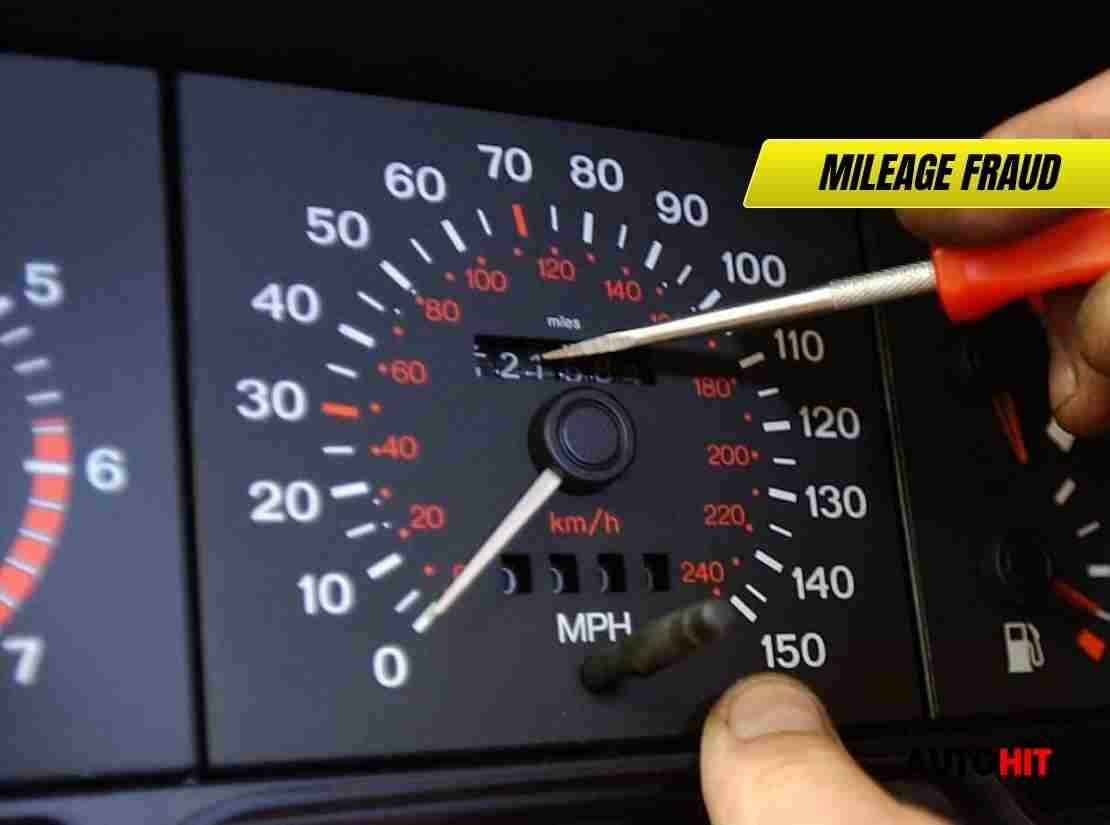
Buying a used car in the UK? Then you’ve probably already checked the MOT history, the number of owners, and perhaps even whether it’s ULEZ compliant. But here’s the real question: Can you trust the mileage on the odometer?
Welcome to the shady world of mileage clocking, one of the most persistent scams in the used car market. In 2025, with the rise of digital odometers and grey market imports, odometer tampering is still alive and kicking—and it can cost you thousands.
In this guide, we’ll walk you through the signs, the risks, and the best ways to avoid falling for a low-mileage lie.
Key Points
- Mileage fraud (or “clocking”) is still common, even in 2025
- Digital odometers are easier to tamper with than analog ones
- Clocked vehicles are harder to detect without a full service and MOT history
- Buying from reputable dealers and checking government databases reduces risk
- Fraudulently altered mileage can void warranties and increase maintenance costs
What Is Mileage Clocking?
Mileage clocking refers to manipulating the odometer reading to display fewer miles than the vehicle has actually travelled. It’s a fraudulent practice typically used to:
- Increase resale value
- Decrease perceived wear
- Avoid triggering service intervals or lease penalties
According to the UK’s Vehicle Fraud Register and AutoExpress, clocking affects 1 in every 11 used vehicles sold in the country, particularly those imported or sold privately.
“It’s not just about money—it’s a safety issue. Clocked cars may skip vital maintenance and repairs.”
— DVSA Spokesperson, 2024
Why Is This Still a Problem in 2025?
While most modern cars now feature digital dashboards, this hasn’t stopped fraudsters—in fact, it’s made tampering easier and harder to detect. With OBD2 interface tools widely available online, the odometer of a 2020+ vehicle can be reprogrammed in minutes.
The DVSA estimates that the UK loses over £80 million per year in value due to mileage fraud, and the problem is most rampant in:
- Ex-lease vehicles
- High-mileage fleet cars
- Vehicles imported from Eastern Europe
- Private sales with no service book
How to Spot a Clocked Car: Warning Signs
| Warning Sign | What It Could Mean |
|---|---|
| Low mileage with worn pedals/steering wheel | Heavy use not reflected in odometer |
| No stamped service book | History may have been “lost” to hide real mileage |
| Inconsistent MOT data | Check MOT mileages via gov.uk |
| Vague or foreign import history | Mileage might be partially recorded or reset abroad |
| Overly low price for the model/year | Seller may be hiding high mileage |
How to Verify a Vehicle’s True Mileage in the UK
- Use the MOT History Checker
The DVSA’s online tool lists all recorded mileages since 2005. Check for dips or suspicious jumps. - Request the Full Service History
Ensure it includes stamps or digital records from authorised garages or dealerships. - Use Reputable Vehicle History Services
Such as HPI Check, AutoTrader Vehicle Check, or CarVertical. - Look for Wear and Tear
Heavy wear on the gear knob, pedals or seat bolsters often betrays high mileage. - Get a Pre-Purchase Inspection
A trained mechanic can identify inconsistencies between mileage and mechanical condition.
Hands-On: How I Almost Bought a Clocked Peugeot 2008
Last summer, I visited a private seller in Croydon advertising a 2019 Peugeot 2008 BlueHDi with just 28,000 miles. It looked decent at first—shiny alloys, mint interior, digital service receipts.
But something didn’t feel right. The clutch felt worn, and the steering wheel looked like it had seen better days. A quick MOT history check on gov.uk revealed that just six months earlier, the same car had been recorded at 76,000 miles. The dashboard had clearly been reset.
I walked away—no regrets. That £11.99 MOT check saved me £6,000 worth of future trouble.
Comparative Table: Clocking Risks by Vehicle Type
| Vehicle Type | Risk of Clocking | Why |
|---|---|---|
| Private-sale Hatchbacks | High | Lack of verified history, no warranty |
| Ex-Lease Executive Saloons | Very High | Incentive to reduce mileage to avoid penalties |
| Dealer-Sold SUVs | Low | Verified history, warranty checks |
| Grey Imports from EU | Extremely High | Mileage not recorded in UK before import |
| Approved Used EVs | Low | Digital tracking + centralised history |
Frequently Asked Questions (FAQ)
Is it illegal to sell a car with altered mileage in the UK?
Yes. Under the Consumer Protection from Unfair Trading Regulations 2008, knowingly selling a clocked vehicle is a criminal offence.
What should I do if I suspect mileage fraud after purchase?
Contact Citizens Advice and report the issue to Trading Standards. You may have legal recourse depending on how you bought the car.
Can dealerships be involved in clocking?
While rare, it happens. This is why approved used car programs and full histories are essential.
Are EVs safer from mileage fraud?
Yes. EVs often have digital tracking via apps or manufacturer servers, making tampering much harder.
How common is mileage clocking in the UK?
According to HPI and the DVSA, around 9% of used vehicles show signs of odometer manipulation.
Conclusion
Mileage fraud may not make headlines daily, but it’s costing UK drivers millions and putting safety at risk. Whether you’re buying a £2,000 hatchback or a £45,000 hybrid SUV, don’t take the odometer at face value.
Use the tools at your disposal—MOT records, HPI checks, and your own eyes—to spot clocked vehicles. And if something feels too good to be true?





