
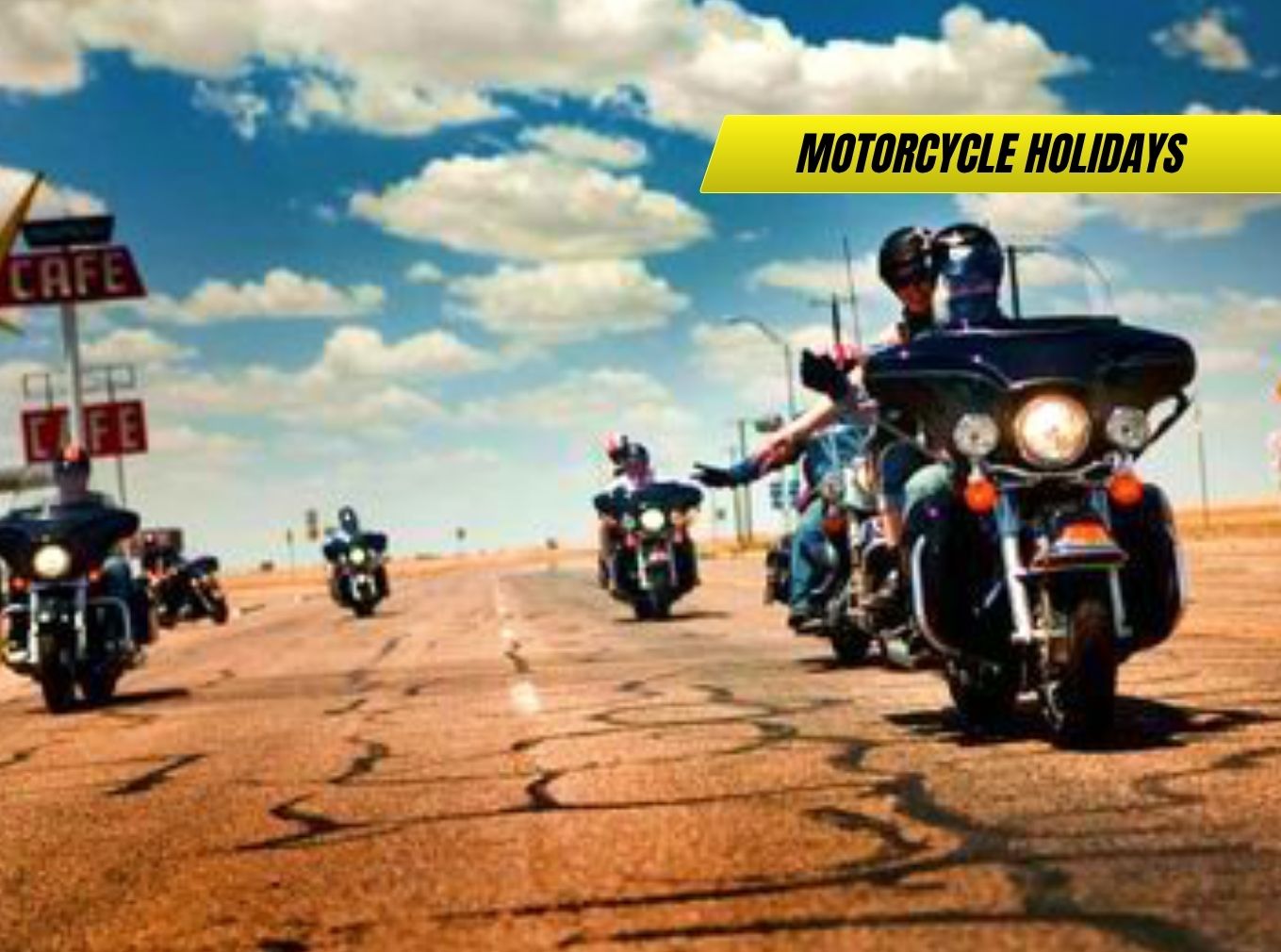
Complete motorcycle holiday preparation guide for UK bikers. Essential safety checks, maintenance tips, and legal requirements for stress-free motorbike touring in 2025.
Planning a motorcycle holiday adventure? Whether you’re touring the Scottish Highlands, exploring European Alpine routes, or embarking on a cross-continental journey, proper preparation is crucial for both safety and enjoyment. UK motorcyclists face unique considerations when preparing for holiday tours, from understanding post-Brexit documentation requirements to ensuring their machines can handle extended touring conditions. This comprehensive guide covers every essential check and preparation step to ensure your motorcycle holiday becomes a memorable experience for all the right reasons.
Key Points Summary
• Complete mechanical inspection – Check tyres, brakes, chain, and fluid levels before any extended tour • Update documentation – Ensure insurance covers European travel and obtain necessary permits post-Brexit • Pack strategically – Balance essential items with weight distribution for optimal handling and safety • Plan maintenance stops – Research service centres and parts availability along your intended route • Check weather requirements – Prepare appropriate gear for varying conditions and seasonal changes • Emergency preparedness – Carry breakdown recovery details and basic repair tools for self-sufficiency
Pre-Departure Mechanical Safety Inspection
Before embarking on any motorcycle holiday, a thorough mechanical inspection forms the foundation of safe and enjoyable touring. In my experience, issues that might seem minor during daily commuting can become serious problems when you’re hundreds of miles from home or in unfamiliar territory.
Begin with your tyres, as these represent your only contact with the road surface. Check tread depth using a 20p coin – if the outer band is visible when inserted into the tread grooves, replacement is necessary. Legal minimum tread depth in the UK is 1mm across three-quarters of the tyre width, but I would recommend replacing tyres before reaching this limit, especially for touring. Examine sidewalls for cracks, bulges, or embedded objects that could cause sudden failure.
Tyre pressures require adjustment for touring loads and conditions. Manufacturers typically specify different pressures for solo and loaded riding – consult your owner’s manual or the information plate usually located near the chain guard. Remember that Continental European tyre pressure recommendations may differ from UK specifications, so verify correct pressures for your intended destination.
Brake system inspection demands particular attention for touring motorcycles. Check brake pad thickness through inspection windows or by removing wheels if necessary. Brake fluid should appear clear and honey-coloured – dark or cloudy fluid requires immediate replacement. Test brake lever and pedal feel, ensuring firm, consistent pressure without sponginess that might indicate air in the system.
Engine and Transmission Maintenance Checks
Engine preparation for extended touring requires attention to both routine maintenance items and touring-specific considerations. From my point of view, addressing maintenance items before departure prevents roadside breakdowns and ensures optimal performance throughout your journey.
Engine oil and filter changes should be completed within 500 miles of departure for extended tours. Fresh oil provides maximum protection during sustained high-speed riding common on Continental motorways. Check oil level daily during touring, as extended high-speed operation can increase consumption. Carry a small quantity of the correct specification oil for top-ups.
Coolant system inspection becomes critical for summer touring, particularly in mountainous regions where sustained climbing can stress cooling systems. Check coolant level when the engine is cold, and inspect hoses for signs of deterioration, particularly where they connect to the radiator or engine. Ensure the radiator fins are clean and unobstructed – compressed air effectively removes accumulated debris.
Chain maintenance requires special attention for touring motorcycles due to increased loads and mileage. Clean and lubricate the chain using appropriate products, adjusting tension according to manufacturer specifications. Based on my experience, slightly looser chain tension suits touring better than track-day settings, providing smoother power delivery and reduced wear under varied load conditions.
Air filter condition directly affects engine performance and fuel consumption during extended touring. A clean air filter ensures optimal fuel mixture and prevents engine damage from ingested debris. Consider carrying a spare air filter for tours through dusty environments or areas with poor air quality.
| Component | Check Frequency | Tour Preparation Action |
|---|---|---|
| Engine Oil | Every 3,000-5,000 miles | Change within 500 miles of departure |
| Chain | Every 500 miles | Clean, lubricate, adjust tension |
| Air Filter | Every 6,000 miles | Replace if dirty, carry spare |
| Coolant | Annually | Check level, inspect hoses |
| Brake Fluid | Every 2 years | Replace if over 12 months old |
Electrical System and Lighting Verification
Modern motorcycles rely heavily on electrical systems for everything from engine management to navigation, making electrical system checks essential for trouble-free touring. Let’s examine the critical electrical components that require pre-departure attention.
Battery condition becomes paramount during touring, where extended periods away from charging sources can reveal marginal battery performance. Load-test your battery using a multimeter – a healthy battery should maintain over 12.6 volts at rest and not drop below 10 volts under starter motor load. Clean battery terminals and apply terminal protector spray to prevent corrosion during extended tours.
Lighting systems require comprehensive testing, particularly for European touring where different countries may have varying requirements. Test headlights on both high and low beam, ensuring proper beam pattern and brightness. Many Continental countries require motorcycles to use dipped headlights during daylight hours, making headlight reliability crucial.
Indicator and hazard warning systems need verification for both legal compliance and safety communication with other road users. European touring often involves navigating complex junction systems where clear signalling intentions becomes essential for safety.
Consider additional electrical accessories for touring comfort and safety. USB charging ports maintain communication device battery levels, while auxiliary lighting improves visibility during poor weather conditions. However, ensure any additions don’t overload the charging system – calculate total electrical draw and compare with alternator output capacity.
Documentation and Legal Requirements for UK Motorcyclists
Post-Brexit travel requirements have created new documentation obligations for UK motorcyclists planning European tours. Understanding these requirements prevents delays and complications at border crossings or when dealing with authorities during your holiday.
Driving licence requirements now include International Driving Permits (IDP) for many European destinations. The DVLA issues 1968 IDPs for £5.50, valid for one year from issue date. Apply at least two weeks before departure, as IDPs cannot be obtained abroad or after departure. Some European countries accept UK licences for short-term visits, but rental companies and insurance providers may require IDPs regardless of legal requirements.
Insurance documentation requires careful review for European touring. Many UK motorcycle insurance policies include European cover as standard, but coverage periods and territorial limits vary significantly between providers. Confirm your policy covers your intended destinations and tour duration. Some insurers limit European cover to 90 days per year, while others may exclude certain countries or activities.
Vehicle registration and ownership documents become essential for European touring. Ensure your V5C (log book) is current and accessible. Some countries require additional documentation like vehicle inspection certificates or emission compliance certificates for certain urban areas.
I would recommend carrying both physical and digital copies of all documentation, stored separately to prevent total loss if luggage is stolen or damaged. Photograph or scan all documents and store copies in cloud storage accessible from your mobile device.
Luggage Systems and Weight Distribution Strategy
Proper luggage selection and packing significantly impacts motorcycle handling, stability, and rider comfort during extended touring. In my experience, thoughtful luggage system selection and packing methodology can transform a potentially uncomfortable tour into an enjoyable adventure.
Hard luggage systems provide superior weather protection and security compared to soft alternatives, but add weight and width that affects handling characteristics. Aluminium cases offer excellent durability but cost more than polymer alternatives. Consider your typical luggage requirements and tour duration when selecting capacity – oversized luggage systems encourage overpacking that degrades handling.
Weight distribution affects motorcycle stability more than total weight. Keep heavy items low and centred, using tank bags for frequently needed items and tools. Rear luggage should balance between sides to prevent handling asymmetry. Many touring motorcycles handle better with moderate rear loading than excessive tank bag weight that affects steering feel.
Packing strategy should prioritise essential items while maintaining reasonable total weight. From my point of view, experienced tourers develop packing disciplines that maximise utility while minimising weight penalty. Roll clothing instead of folding to save space, choose multi-purpose items where possible, and resist the temptation to pack for every conceivable scenario.
Consider weight limits specified by your motorcycle manufacturer and luggage system provider. Exceeding these limits can damage mounting points, affect handling dangerously, and void warranties. Most touring motorcycles accommodate 20-30kg of luggage without significant handling degradation, but verify specifications for your specific machine.
Weather Preparation and Seasonal Considerations
UK motorcyclists planning holidays must prepare for potentially dramatic weather variations, particularly when touring across different climatic zones or altitudes. Proper weather preparation ensures comfort and safety regardless of conditions encountered during your tour.
Layered clothing systems provide flexibility for varying temperatures and conditions. Base layers manage moisture, insulation layers provide warmth, and outer layers protect from wind and rain. Modern motorcycle-specific clothing offers better protection and comfort than general outdoor gear, though at premium prices.
Waterproof protection becomes essential for extended touring, particularly in Northern European destinations known for unpredictable weather. Quality motorcycle rain gear should provide complete waterproof protection without significantly restricting movement or ventilation. I would recommend testing rain gear thoroughly before departure rather than discovering deficiencies during a downpour hundreds of miles from home.
Heated clothing and accessories can transform touring comfort during cooler conditions. Heated grips, seats, and clothing use modest electrical power to provide significant comfort improvements. However, ensure your motorcycle’s charging system can support additional electrical loads without compromising essential systems.
Sun protection requires consideration for Southern European touring, where intense sun and high temperatures create different challenges. Light-coloured, ventilated gear reduces heat absorption, while quality sunglasses and sunscreen prevent sun-related health issues during extended exposure.
| Climate Condition | Essential Gear | Additional Considerations |
|---|---|---|
| Rain/Wet Weather | Waterproof suit, over-gloves | Anti-fog visor treatment |
| Cold Weather | Thermal layers, heated grips | Battery drain from accessories |
| Hot Weather | Ventilated gear, hydration system | Frequent rest stops |
| Mountain/Alpine | Variable layers, emergency kit | Weather can change rapidly |
Emergency Preparedness and Breakdown Recovery
Comprehensive emergency preparation distinguishes successful motorcycle touring from potentially dangerous situations when things go wrong. Based on my experience, proper emergency planning provides peace of mind that enhances tour enjoyment while ensuring practical solutions exist if problems arise.
Breakdown recovery services specifically covering motorcycle touring are essential for UK riders planning extended tours. Many standard breakdown services exclude motorcycles or provide limited coverage outside the UK. Specialist motorcycle breakdown services like GEM Motoring Assist or Green Flag offer comprehensive European coverage including motorcycle-specific recovery equipment.
Basic tool kits enable roadside repairs for common issues without requiring professional assistance. Include tools for chain adjustment, basic electrical connections, and minor fastener tightening. Many touring issues result from vibration loosening components rather than major mechanical failures. However, avoid carrying extensive tool collections that add weight without practical utility.
Emergency communication equipment ensures you can summon help when mobile phone coverage is inadequate. Personal locator beacons or satellite communicators provide emergency communication in remote areas, though most European touring remains within mobile phone coverage areas.
First aid knowledge and equipment appropriate for motorcycle touring accidents deserve consideration. Basic first aid training enables you to assist others or manage minor injuries until professional help arrives. Motorcycle-specific injuries often involve road rash or limb injuries that benefit from appropriate wound care supplies.
Route Planning and Service Infrastructure Research
Thorough route planning extends beyond navigation to include service infrastructure, fuel availability, and accommodation along your intended path. Let’s analyse the key planning elements that contribute to successful motorcycle touring.
Service centre locations become crucial during extended touring, particularly for motorcycles requiring specific parts or expertise. Research authorized dealers and independent specialists along your route, noting contact information and service capabilities. Some European countries have limited service infrastructure for certain motorcycle brands, making breakdown preparation more critical.
Fuel range calculations help plan fuel stops and identify potential range limitations. Calculate your motorcycle’s touring fuel consumption including luggage and riding style impacts. Mountain touring typically increases fuel consumption compared to motorway cruising, while headwinds and adverse weather also affect range.
Border crossing requirements vary between countries and may include specific documentation, equipment, or routing restrictions. Some countries require specific insurance minimums or environmental permits for certain urban areas. Research requirements for each country on your intended route, including transit countries where you won’t stop.
Accommodation booking strategies balance flexibility with availability, particularly during peak touring seasons. Many motorcycle-friendly accommodations provide secure parking and basic maintenance facilities. Booking key stops in advance while leaving flexibility for route variations offers the best balance between certainty and adventure.
Modern motorcycle touring increasingly relies on technology for navigation, communication, and safety enhancement. I would recommend carefully selecting and preparing technological aids that enhance rather than complicate your touring experience.
GPS navigation systems designed specifically for motorcycles offer advantages over smartphone alternatives, including weatherproof construction, glove-friendly controls, and motorcycle-specific routing options. However, smartphone apps often provide more current traffic information and point-of-interest databases. Many experienced tourers use both systems as backup for each other.
Communication systems enable rider-to-rider or rider-to-passenger communication while maintaining situational awareness. Bluetooth-enabled helmet systems integrate with navigation devices and mobile phones, providing audio directions and hands-free communication. However, ensure systems don’t create distraction that compromises safety.
Action cameras document touring experiences while potentially providing evidence in case of incidents. Modern cameras offer excellent image quality and stabilisation, but battery life and weather resistance remain considerations for extended touring. Consider mounting positions that capture interesting footage without creating aerodynamic penalties or theft risks.
Mobile device preparation includes ensuring adequate data allowances for international touring, downloading offline maps for areas with poor coverage, and carrying appropriate charging solutions. Power banks or motorcycle-mounted USB charging systems maintain device operation throughout long touring days.
Frequently Asked Questions
Do I need an International Driving Permit for motorcycle touring in Europe after Brexit?
Many European countries now require UK motorcyclists to carry a 1968 International Driving Permit alongside their UK licence. The IDP costs £5.50 from DVLA and must be obtained before departure – they cannot be issued abroad. Even where not legally required, many insurance companies and rental agencies require IDPs, so obtaining one provides comprehensive coverage for European touring.
How should I prepare my motorcycle’s chain for extended touring?
Clean the chain thoroughly using appropriate degreaser, then lubricate with quality motorcycle chain lube. Adjust tension according to manufacturer specifications, typically allowing 25-30mm of slack at the tightest point. For touring, slightly looser settings provide smoother operation under varying loads. Check tension daily during tours and carry chain lube for maintenance every 500 miles.
What insurance considerations apply to UK motorcyclists touring in Europe?
Check your policy includes European cover for your intended destinations and tour duration. Many policies include 90 days European cover annually, but some exclude certain activities or countries. Consider additional breakdown recovery insurance specifically covering motorcycle touring, as standard breakdown services often exclude motorcycles or provide limited European coverage.
How much luggage weight can a motorcycle safely carry for touring?
Most touring motorcycles can safely carry 20-30kg of luggage without significant handling degradation, but check your specific manufacturer’s recommendations. Weight distribution matters more than total weight – keep heavy items low and centred, balance side luggage, and avoid excessive tank bag loading that affects steering. Never exceed manufacturer or luggage system weight limits.
What emergency equipment should I carry on motorcycle tours?
Essential items include breakdown recovery contact details, basic tool kit for minor adjustments, first aid supplies, emergency contact information, and copies of important documents. Consider personal locator beacon for remote area touring. Most importantly, ensure your mobile phone is configured for international use and carry portable charging solutions.
How do I research motorcycle service centres along my touring route?
Contact motorcycle dealers for your brand in major towns along your route, noting contact information and service capabilities. Online forums and touring communities provide valuable insights into reliable independent services. The FIM (Federation Internationale de Motocyclisme) website lists affiliated services across Europe, while manufacturer websites typically include dealer locators for international markets.
What weather gear is essential for UK motorcyclists touring in Europe?
A layered system works best: moisture-wicking base layers, insulating mid-layers, and weatherproof outer shell. Quality motorcycle rain gear is essential regardless of forecast, as weather can change rapidly, particularly in mountainous regions. Consider heated grips or clothing for cooler conditions, but verify your motorcycle’s electrical capacity before adding accessories.
Conclusion
Successful motorcycle holiday preparation requires systematic attention to mechanical, legal, and practical considerations that extend far beyond simple route planning. From my point of view, the effort invested in thorough pre-departure preparation pays dividends in reduced stress, enhanced safety, and greater enjoyment throughout your touring adventure. The freedom that motorcycle touring provides – whether exploring the best SUVs under £30,000 for family adventures or embarking on solo motorcycle expeditions – rewards those who prepare comprehensively.
I would recommend beginning your preparation process at least a month before departure, allowing time to address any issues discovered during mechanical inspection or documentation gathering. Remember that motorcycle touring combines the mechanical reliability requirements of long-distance travel with the exposure and vulnerability inherent in motorcycling. This combination demands respect and preparation, but rewards the prepared tourer with experiences impossible to achieve through any other form of travel.
The investment in proper preparation – from mechanical servicing to emergency planning – ensures that your motorcycle holiday becomes a collection of positive memories rather than a series of preventable problems. Whether you’re planning a weekend tour of the Scottish Borders or a month-long European adventure, systematic preparation transforms potential challenges into manageable considerations, allowing you to focus on the pure joy of motorcycle touring.





