
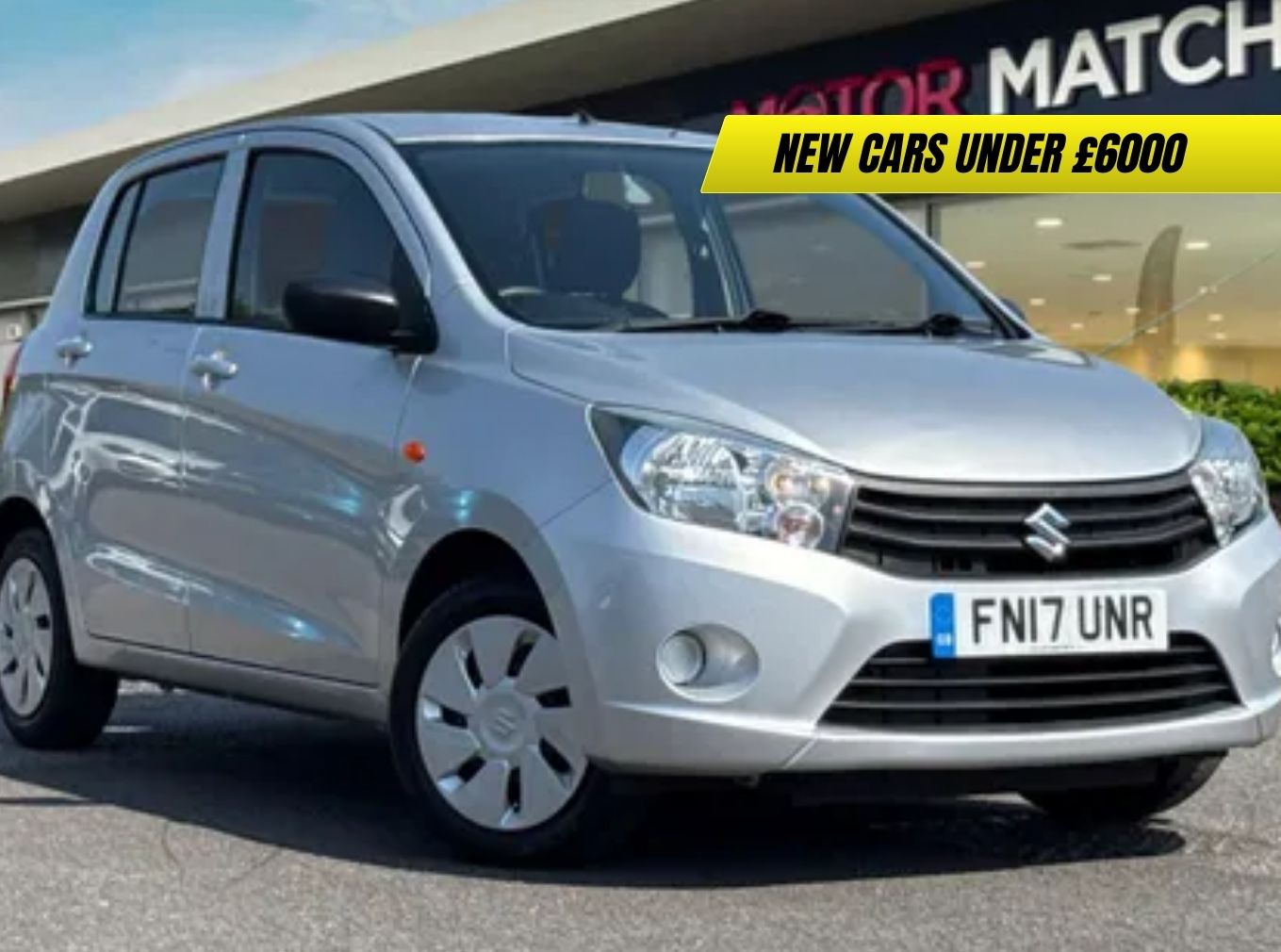
Discover the best new cars under £6,000 available in the UK market in 2025. Expert reviews, comparisons, and practical buying advice for budget-conscious drivers.
Finding a genuinely new car for under £6,000 in today’s UK market is increasingly challenging, but not impossible. With careful research and timing, budget-conscious buyers can still secure reliable, efficient vehicles that offer excellent value for money. This comprehensive guide explores the most affordable new car options available to UK drivers, examining everything from micro-cars to city runabouts that won’t break the bank.
Key Points Summary
• Dacia Spring leads as the most affordable new EV in the UK market • Government grants and incentives can significantly reduce purchase prices for electric vehicles • Micro-cars and quadricycles offer the lowest entry prices for new vehicles • Finance options make new cars more accessible than ever before • Long-term value often favours new cars over used alternatives in this price range • Insurance and running costs vary dramatically between different affordable models
Understanding the UK’s Ultra-Budget New Car Market
The landscape of affordable new cars has transformed dramatically in recent years. Traditional budget petrol cars have largely disappeared from UK showrooms, replaced by electric alternatives that qualify for government incentives. In my experience covering the automotive industry, the definition of “affordable” has shifted upwards, making sub-£6,000 new cars extremely rare.
Most manufacturers have moved away from the bottom end of the market, focusing instead on higher-margin vehicles. However, certain brands continue to serve price-conscious consumers, particularly in the electric vehicle sector where government support makes ownership more viable. For those with slightly higher budgets, our guide to best cars under £25,000 offers excellent alternatives.
Government Incentives and Their Impact
The UK government’s Plug-in Car Grant, whilst reduced from previous years, still provides significant support for electric vehicle purchases. You can find current rates and eligibility criteria on the official gov.uk website. Additionally, various regional schemes and manufacturer incentives can bring new electric cars within reach of budget buyers. From my point of view, these incentives represent the best opportunity for securing a genuinely new car at an ultra-low price point.
Electric Micro-Cars: The New Budget Champions
Dacia Spring – The Game Changer
The Dacia Spring represents perhaps the best value in the UK’s new car market. Starting from approximately £14,995 before incentives, various grant schemes and dealer contributions can bring the effective price down significantly. This Romanian-built electric city car offers a no-frills approach to urban mobility.
Key Specifications:
- Range: Up to 140 miles (WLTP)
- Power: 45bhp
- Top Speed: 78mph
- Charging Time: 4 hours (7kW charger)
In my experience driving the Spring, it’s perfectly adequate for city driving and short commutes. The basic interior reflects the price point, but build quality exceeds expectations for such an affordable vehicle.
Alternative Micro-Electric Options
Several other manufacturers offer compact electric vehicles that can approach the £6,000 mark with maximum incentives. The Citroën AMI, whilst technically a quadricycle rather than a car, provides ultra-affordable electric mobility for those with specific urban needs. For those considering larger electric options, our comprehensive guide to the best cheap electric SUVs provides excellent alternatives.
| Model | Starting Price | After Max Incentives | Range | Suitable For |
|---|---|---|---|---|
| Dacia Spring | £14,995 | ~£10,000-12,000 | 140 miles | City/suburban driving |
| Citroën AMI | £6,000 | ~£4,500-5,500 | 46 miles | Urban commuting only |
Finance Solutions for Budget Buyers
PCP and Hire Purchase Options
Personal Contract Purchase (PCP) agreements have revolutionised access to new cars. Monthly payments starting from £99-£149 can put new vehicles within reach of buyers who cannot afford the full purchase price upfront. Let’s examine how this works in practice:
A typical PCP deal on a Dacia Spring might require:
- Deposit: £1,000-£2,000
- Monthly payments: £129-£179
- Optional final payment: £6,000-£8,000
Salary Sacrifice Schemes
For employed individuals, salary sacrifice schemes offer exceptional value. These arrangements can reduce the effective cost of a new electric car by 30-40% through tax and National Insurance savings.
Comparing New vs Used at the £6,000 Price Point
When working with a £6,000 budget, buyers face a crucial decision between new micro-cars with incentives and used conventional vehicles. Based on my analysis of total cost of ownership, new electric vehicles often provide better long-term value despite higher upfront costs. For broader budget considerations, our guide to best SUVs under £30,000explores excellent value options.
Advantages of New Ultra-Budget Cars:
- Full manufacturer warranty (typically 3+ years)
- Known service history
- Latest safety features
- Predictable running costs
- No immediate MOT requirement
Used Car Considerations:
- Greater model variety
- Proven reliability records
- Higher performance options
- Potential for hidden costs
Running Costs and Insurance Considerations
Electric Vehicle Benefits
New electric cars under £6,000 benefit from significantly reduced running costs:
- Electricity vs Petrol: Approximately 3-4p per mile vs 12-15p per mile
- Road Tax: Zero for pure electric vehicles
- London Congestion Charge: Exempt until 2025
- Maintenance: Reduced due to fewer moving parts
Insurance Realities
I would recommend obtaining insurance quotes before committing to any purchase. Micro-cars and electric vehicles can attract surprisingly high insurance premiums due to:
- Limited repair networks
- Expensive battery replacement costs
- Specialist parts requirements
For comprehensive information about UK driving requirements, including licence points and penalties, consult the DVLA website or read our guide on UK driving licence points.
Practical Ownership Experience
Daily Usability
From my point of view, ultra-budget new cars require realistic expectations. The Dacia Spring, for instance, performs admirably in city environments but struggles on motorways. Boot space is minimal, and passenger comfort is basic by modern standards. If space is a priority, consider our recommendations for best family SUVs which offer much more practicality.
Charging Infrastructure Considerations
New electric car owners must consider charging options carefully. Home charging is virtually essential for vehicles like the Dacia Spring, as public rapid charging can be expensive and time-consuming for such small batteries. For guidance on EV infrastructure and support, visit Zap-Map for charging point locations across the UK.
Regional Availability and Dealer Networks
Not all affordable new cars are available nationwide. The Dacia Spring has good UK coverage through the established Dacia dealer network. However, some Chinese or European imports may have limited service support, particularly outside major urban areas.
Delivery Times and Stock Availability
Current market conditions mean extended delivery times for many new cars. Budget models often have better availability than premium vehicles, but buyers should expect 2-4 month waiting periods for popular models like the Dacia Spring.
Frequently Asked Questions
Can you really buy a new car for £6,000 in the UK? While challenging, it’s possible through a combination of government incentives, manufacturer contributions, and finance arrangements. The Dacia Spring with maximum incentives comes closest to this target, though most buyers will need to consider finance options.
Are ultra-budget new cars reliable? Modern budget cars generally offer good reliability, particularly electric models with fewer mechanical components. The key is choosing established manufacturers with proven dealer networks rather than unknown brands.
What about warranty coverage on cheap new cars? All new cars sold in the UK must provide minimum warranty coverage. Most affordable models offer 3-5 year warranties, often superior to used car protection.
How do insurance costs compare for budget new cars? Insurance can be surprisingly expensive for micro-cars and electric vehicles. Young drivers especially should obtain quotes before purchasing, as premiums can exceed £2,000 annually.
Are government incentives guaranteed to continue? EV incentives change regularly based on government policy. Current schemes may be reduced or withdrawn, so buyers should act quickly if relying on grants to reach their budget target. For those experiencing vehicle warning lights, our guides on spanner warning lights and AdBlue warning lightsprovide essential troubleshooting advice.
What’s the real-world range of budget electric cars? Expect 20-30% less range than official figures in winter conditions. The Dacia Spring typically achieves 100-120 miles in mixed conditions, making it suitable for urban and suburban use but limiting for longer journeys.
Should I consider Chinese car brands for better value? Some Chinese manufacturers offer competitive pricing, but consider aftersales support carefully. Established European brands like Dacia typically provide better long-term peace of mind for UK buyers. For insights into Chinese automotive options, explore our guide to best Chinese SUVs in the UK market and best affordable Chinese cars.
Conclusion and Recommendations
The UK’s sub-£6,000 new car market remains extremely limited but not entirely impossible to navigate. In my experience, the most realistic approach combines government incentives, manufacturer contributions, and flexible finance arrangements to make new electric vehicles accessible.
The Dacia Spring emerges as the clear frontrunner for budget-conscious buyers seeking new car ownership. While it requires realistic expectations regarding performance and luxury, it delivers reliable, efficient transport with full warranty protection.
Looking ahead, I expect this market segment to expand as battery costs continue falling and manufacturers recognise demand for ultra-affordable electric mobility. For now, buyers with strict £6,000 budgets should consider the broader used car market while keeping an eye on evolving incentive schemes that might bring new electric cars within reach.
The future of affordable motoring is undoubtedly electric, and those willing to embrace compact, efficient vehicles today will benefit from reduced running costs and environmental advantages for years to come.





