
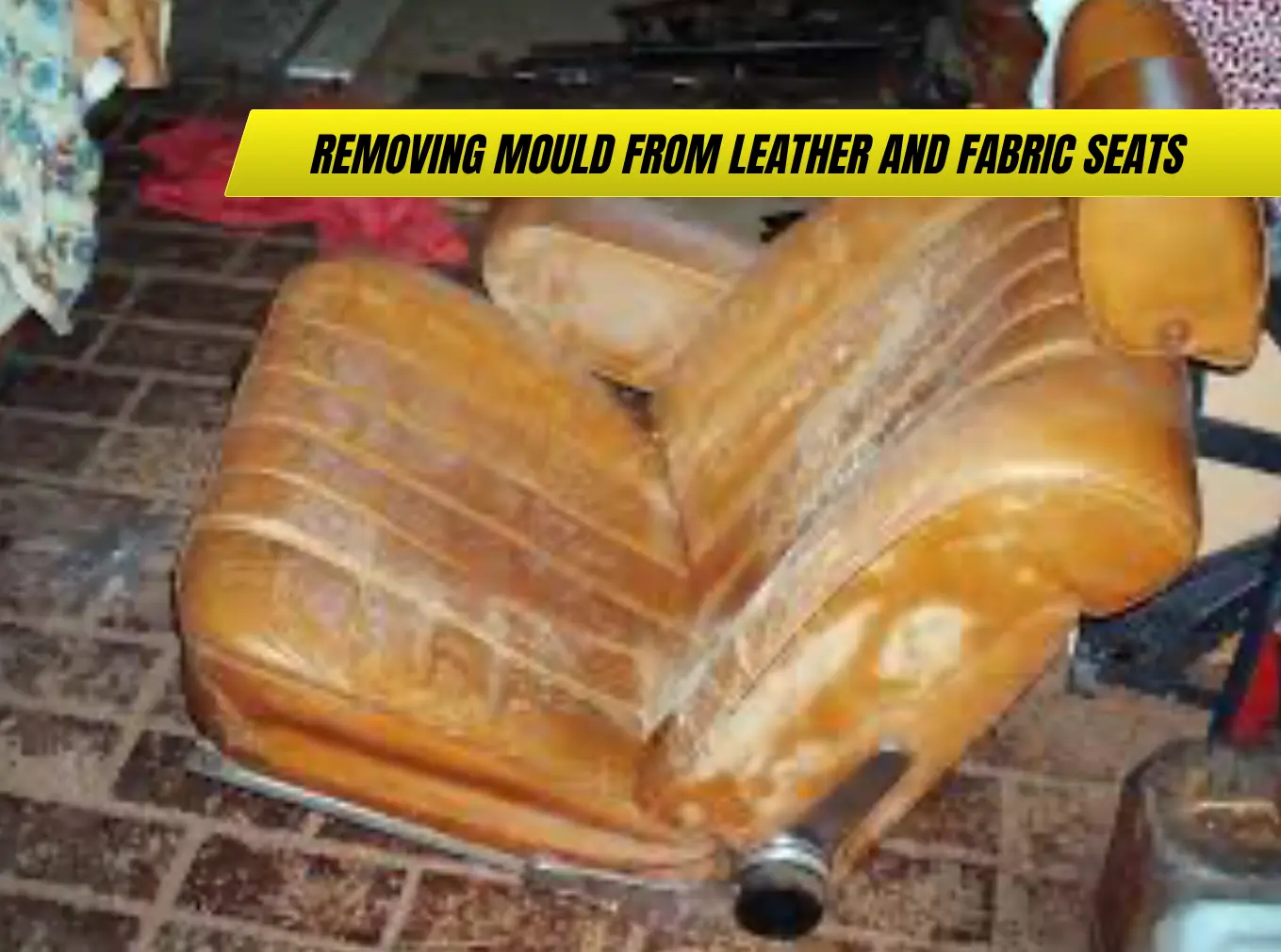
Mould inside a car is more than an unpleasant smell — it’s a health hazard. Moisture, condensation, food spills, and long periods of inactivity can cause mould to spread quickly on leather and fabric seats. In the UK’s damp climate, prevention and proper removal are essential. This guide explains safe cleaning methods, products to use, when to seek professional help, and how to stop mould coming back.
Key Points
- Mould grows in cars due to moisture, leaks, and poor ventilation.
- Use non-bleach cleaners suitable for leather or fabric.
- Always wear gloves and a mask when removing mould.
- Deep mould in foam padding requires professional treatment.
- Good ventilation and dehumidifying prevent recurrence.
Why Mould Grows in Cars
Moisture becomes trapped due to:
- Rain entering during loading/unloading
- Blocked cabin filters
- Window or sunroof seal leaks
- Wet coats, umbrellas, or pets
- Poor air circulation in stored vehicles
Even modern vehicles develop mould if humidity stays above 60% for several days.
Health Risks
Mould exposure can trigger:
- Allergies
- Asthma flare-ups
- Skin irritation
- Headaches or dizziness
- Persistent odours that cling to fabrics
Children and elderly passengers are especially vulnerable, making prompt cleaning essential.
Step-by-Step Removal from Fabric Seats
- Vacuum thoroughly using a HEPA-filter vacuum.
- Mix a cleaning solution (warm water + fabric safe cleaner or white vinegar diluted 1:1).
- Scrub gently with a soft brush, working in small sections.
- Rinse with a damp cloth to remove residue.
- Allow to dry completely, keeping windows open or using a fan or dehumidifier.
- Repeat if necessary for persistent patches.
Avoid saturating the fabric — moisture trapped in foam padding accelerates mould growth.
Removing Mould from Leather Seats
- Wipe the surface with a dry microfibre cloth.
- Apply leather-safe cleaner or mild soapy water.
- Gently scrub with a soft brush.
- Wipe clean and dry thoroughly.
- Apply leather conditioner to prevent cracking and preserve finish.
Do not use bleach or aggressive chemicals — they damage leather coatings and stitching.
Natural Cleaners vs Chemical Cleaners
| Cleaner Type | Suitable For | Notes |
|---|---|---|
| White vinegar | Fabric, hard plastics | Effective but may leave smell temporarily |
| Baking soda | Deodorising fabric | Works best overnight |
| Alcohol-based products | Leather, plastics | Evaporate quickly, avoid overuse |
| Dedicated mould removers | All surfaces | Fast and strong, follow safety instructions |
Choose solutions based on the seat’s material and level of contamination.
When to Call a Professional
Professional detailing is necessary when:
- Mould penetrates seat foam
- Strong odours persist after cleaning
- Spores cover more than 30% of the surface
- You suspect water leaks or flood damage
Services often include steam cleaning, ozone treatment, and full drying procedures.
Preventing Future Mould
- Fix leaks around windows, doors, or sunroof.
- Replace blocked or damp cabin air filters.
- Use a car dehumidifier during wet seasons.
- Avoid leaving damp clothing inside the vehicle.
- Run climate control regularly to circulate dry air.
For related safety maintenance, see Handbrake Warning Light – Meaning and Safe Fixes.
My Point of View
From my point of view, mould becomes a major problem only when ignored. Quick action within the first 48 hours prevents permanent staining and stops spores from spreading into air vents. Treat the source of moisture first — cleaning alone won’t stop mould from returning.
FAQs
Can mould permanently damage car seats?
Yes, especially if it reaches the foam. Early treatment prevents permanent stains and odours.
Is steam cleaning effective?
Yes, but it must be done professionally to avoid excess moisture.
Can I use bleach?
No. Bleach damages both leather and fabric and creates toxic fumes in enclosed spaces.
Does sunlight kill mould?
UV light helps, but it won’t eliminate mould embedded in fabrics.
Is mould covered by insurance?
Generally no, unless caused by insured events such as flooding.
Conclusion
Mould inside a vehicle isn’t just unsightly — it impacts health, comfort, and resale value. With the right cleaning methods, proper ventilation, and regular maintenance, UK drivers can keep interiors fresh and safe. In my experience, tackling moisture early and using the correct products is the real key to preventing recurring mould.





