
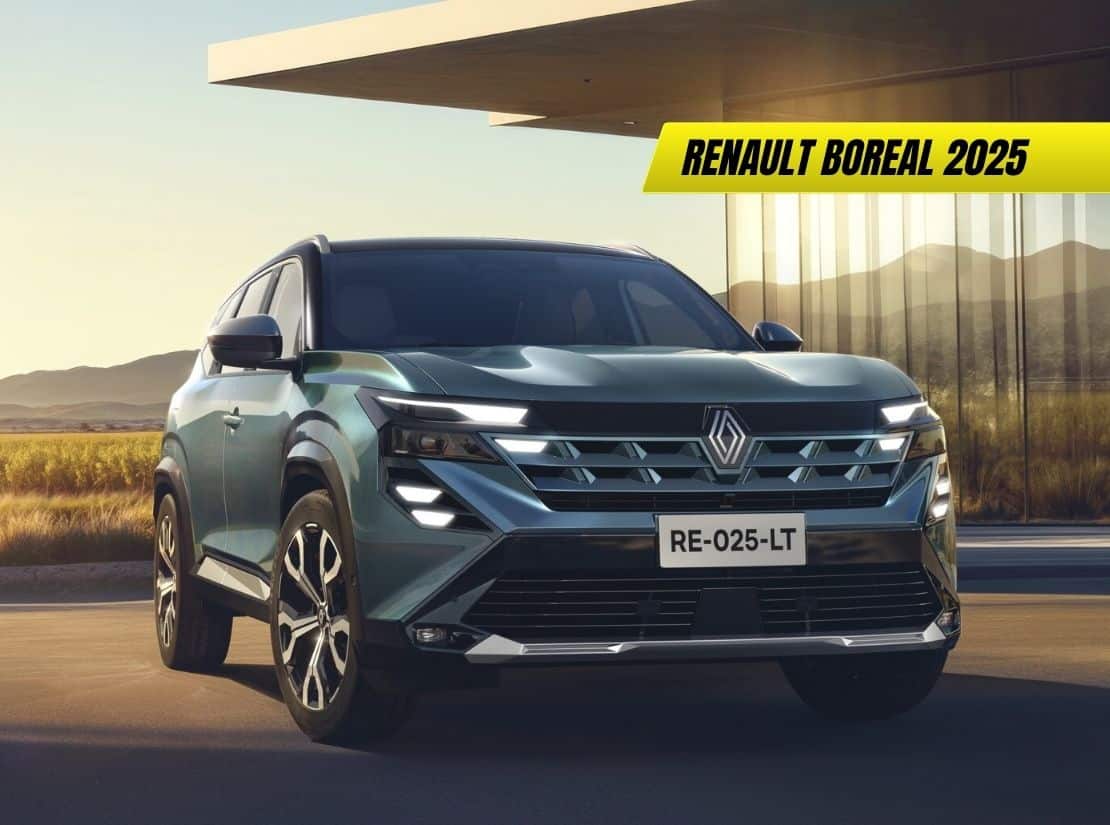
The automotive world is full of fascinating paradoxes, but few are as intriguing as Renault’s latest creation: the Boreal. At AutoHit, we’ve been captivated by this new SUV that transforms the humble Dacia Bigster into something approaching premium territory, yet remains firmly off-limits to European buyers. It’s a story that highlights the complex global automotive landscape and raises questions about what UK families might be missing out on.
The Renault Boreal isn’t simply a rebadged Dacia Bigster – it’s a comprehensive reimagining that addresses many of the compromises budget-conscious buyers accept when choosing Dacia’s value-focused approach. From premium materials to refined styling, the Boreal demonstrates what the Romanian brand’s engineering could achieve when freed from strict cost constraints.
Understanding the Boreal becomes particularly relevant for UK buyers considering the Dacia Bigster, which launches here from £24,995. The transformation reveals both the potential and limitations of the European market’s most affordable family SUV, while highlighting how global automotive strategies sometimes deny home markets access to their own manufacturers’ best work.
This premium transformation of the Bigster showcases what’s possible when Dacia’s practical engineering meets Renault’s global ambitions, though European buyers must content themselves with the budget original.
Key Highlights
• Regional Exclusivity: The Boreal targets 71 markets excluding Europe, demonstrating how global brands tailor products for specific regions while protecting existing model hierarchies
• Premium Transformation: Soft-touch materials, leather seating, and refined styling address the Bigster’s main compromises without fundamentally changing the underlying engineering
• Powertrain Simplification: Single 1.3-litre engine option (163bhp FlexFuel) contrasts with Europe’s complex hybrid lineup, reflecting different market priorities and fuel infrastructure
• Design Evolution: Split headlight design and egg-crate grille create distinct identity while sharing core platform with European Bigster launching in UK spring 2025
• Market Protection: Renault avoids cannibalising European sales by restricting Boreal to international markets, preserving Dacia’s budget positioning
Understanding Renault’s Global Strategy
Renault’s international expansion represents a crucial component of the company’s post-Alliance strategy, targeting 40% of total sales from non-European markets by 2027. The Boreal exemplifies this approach, taking proven European engineering and adapting it for markets with different priorities, regulations, and customer expectations.
Badge engineering isn’t new for Renault, which has successfully marketed Dacia models under its own brand in markets where the Romanian marque lacks recognition. However, the Boreal goes significantly further, featuring comprehensive styling and material changes that create a genuinely distinct product rather than simple rebadging.
Market Segmentation Logic
European buyers receive the value-focused Dacia Bigster with its emphasis on practicality over premium appeal, while international markets get the more refined Boreal that positions Renault as an accessible premium brand. This strategy avoids internal competition while maximising global market coverage.
UK implications remain limited, as Renault shows no intention of bringing the Boreal to European markets where it would compete directly with the Bigster and potentially undermine Dacia’s value proposition.
Design Philosophy: From Functional to Aspirational
The Boreal’s exterior transformation demonstrates how subtle changes create dramatically different market positioning. Split headlight clusters integrated into an egg-crate grille replace the Bigster’s simpler lighting design, while body-coloured trim and metallic accents enhance perceived quality without requiring fundamental engineering changes.
Interior refinement proves even more significant, with soft-touch dashboard materials replacing the Bigster’s deliberately functional hard plastics. Leather-look seating with contrast stitching and genuine metallic trim create premium ambience that UK buyers might find appealing given the Bigster’s basic cabin environment.
Styling Evolution Context
The Bigster’s honest functionality reflects Dacia’s brand values and cost targets, with durable but basic materials throughout. The Boreal’s refinement demonstrates what’s possible when those cost constraints relax, though European buyers must choose between budget honesty and premium aspiration.
Design language differences extend beyond materials to proportions and details, with the Boreal’s smoother surfacingand refined graphics creating more conventional premium SUV appeal compared to the Bigster’s deliberately utilitarian aesthetic.
Powertrain Simplification vs European Complexity
European Bigster buyers choose from three engines: 140bhp mild-hybrid, 130bhp mild-hybrid 4×4, and 155bhp full hybrid options that reflect EU emissions regulations and diverse European driving patterns. The Boreal simplifiesthis to a single 1.3-litre turbocharged engine producing 163bhp in FlexFuel form or 138bhp on regular petrol.
FlexFuel capability proves crucial for Brazilian markets where ethanol/petrol blends are common, though this technology offers limited relevance for UK buyers where E10 represents the current alternative fuel standard.
Transmission and Performance
Six-speed dual-clutch automatic transmission comes standard on the Boreal, contrasting with the European Bigster’s mix of manual and automatic options depending on engine choice. Performance figures suggest adequate rather than exciting capability, with 0-62mph in 9.3 seconds matching mainstream family SUV expectations.
Towing capacity details remain limited, though the Boreal’s mechanical basis suggests similar 1,000-1,500kg capabilities to its European sibling depending on specific configuration.
Interior Space and Practicality Comparison
Dimensional similarities mean the Boreal shares the Bigster’s generous passenger space and substantial boot capacity, though exact figures vary slightly. The Boreal’s 586-litre boot compares to the Bigster’s 677-litre maximum, with differences likely reflecting battery packaging and interior configuration variations.
Passenger accommodation benefits from the same generous headroom and legroom that make the Bigster competitive with established family SUVs, while interior storage solutions appear comprehensive though details remain limited pending full specification confirmation.
Technology Integration
10-inch infotainment and digital instrument cluster mirror European Bigster specification, with smartphone integration and Google built-in services providing modern connectivity. 48-colour ambient lighting and premium audio systems add luxury touches absent from the budget-focused Bigster specification.
Safety technology includes 24 driver assistance systems with Active Driver Assist combining adaptive cruise control and lane keeping functions, suggesting comprehensive equipment levels appropriate for premium positioning.
UK Market Context: What We’re Missing
The Boreal’s premium transformation highlights several compromises UK buyers accept when choosing the Dacia Bigster. Interior materials represent the most obvious difference, with the Bigster’s hard plastics creating utilitarian rather than premium environment despite generous space and practical design.
Styling refinement in the Boreal addresses the Bigster’s deliberately honest aesthetic that some buyers find too agricultural for family SUV aspirations. However, these refinements come with inevitable cost implications that would challenge Dacia’s value proposition in the competitive UK market.
Competitive Landscape Implications
UK family SUV buyers choosing between the Bigster and established rivals like the Nissan Qashqai or Ford Kugaoften cite interior quality as a key Dacia weakness. The Boreal demonstrates that addressing these concerns is technically feasible, though economically challenging within Dacia’s pricing structure.
Premium positioning of the Boreal in international markets suggests pricing significantly above the UK’s £24,995 Bigster starting point, potentially approaching £30,000-35,000 territory where it would compete with mainstream rather than budget alternatives.
Manufacturing and Global Distribution
Production locations reflect Renault’s global strategy, with Brazilian assembly serving Latin American markets from late 2025, while Turkish production targets Middle Eastern and Mediterranean customers from 2026. This geographic spread enables local content requirements and competitive pricing in target markets.
Right-hand drive availability remains unclear, though current production plans suggest left-hand drive focus that would exclude UK sales even if market protection weren’t a consideration.
Supply Chain Considerations
Component sharing with the European Bigster provides economies of scale while enabling regional customisation for different market requirements. Local assembly reduces import tariffs and enables competitive pricing against established regional competitors.
Quality standards for international production typically match European levels, suggesting the Boreal should deliver reliability and durability consistent with Renault-Nissan Alliance standards.
Technology and Equipment Analysis
Advanced driver assistance in the Boreal exceeds basic European Bigster specification, with comprehensive safety suites and semi-autonomous capabilities that reflect different market expectations and regulatory requirements in target regions.
Connectivity features through Google built-in services provide modern smartphone integration, while over-the-air update capability enables continued functionality improvements throughout ownership periods.
Comfort and Convenience
Power adjustable seating, wireless charging, and dual-zone climate control create premium environment that UK buyers might appreciate, particularly given the Bigster’s more basic equipment levels in entry trim specifications.
Premium audio systems and advanced lighting represent additional refinements that distinguish the Boreal from its European counterpart’s more utilitarian focus.
Why Europe Won’t Get the Boreal
Market protection represents the primary reason for European exclusion, with Renault unwilling to undermine Dacia’s value positioning or create internal competition within its own SUV lineup. The Boreal’s positioning would overlap significantly with existing Renault models while potentially cannibalising Bigster sales.
Pricing implications also complicate European introduction, as the Boreal’s premium materials and refinements would require higher prices that might eliminate its competitive advantages over established alternatives.
Brand Strategy Considerations
Dacia’s brand identity depends on honest value propositions and functional design that the Boreal’s refinements might compromise. European buyers choosing Dacia typically prioritise value over prestige, making premium variants potentially counterproductive.
Renault’s European lineup already includes multiple SUV options from Captur through Koleos, leaving limited space for additional models without cannibalising existing sales or confusing market positioning.
What This Means for UK Bigster Buyers
Understanding the Boreal helps UK buyers appreciate both the Bigster’s value proposition and its inevitable compromises. The European model’s honest functionality reflects genuine cost engineering rather than deliberate cheapening, though premium alternatives clearly exist within the same platform.
Interior quality expectations should acknowledge the Bigster’s £24,995 starting price when compared to rivals costing £30,000+ with similar space and capability. The Boreal demonstrates that refinements are possible, though at cost premiums that would challenge Dacia’s market positioning.
Purchase Decision Implications
Value-focused buyers will find the Bigster’s compromises acceptable given substantial cost savings compared to premium alternatives. Quality-conscious customers might prefer spending extra for established premium brands rather than wishing for unavailable Boreal refinements.
Long-term ownership considerations favour the Bigster’s honest materials that wear gracefully rather than cheap premium imitations that deteriorate quickly.
Future Possibilities and Market Evolution
European market evolution might eventually support premium Dacia variants if buyer preferences shift toward accessible luxury rather than pure value. However, current evidence suggests UK buyers continue prioritising cost savings over material refinements when choosing budget brands.
Electrification trends may eventually create opportunities for premium Dacia variants with electric powertrains that justify higher prices through running cost savings and environmental benefits.
Global Automotive Trends
Regional customisation of global platforms enables manufacturers to serve diverse markets efficiently while maintaining economies of scale. The Boreal strategy represents sophisticated market segmentation that maximises global appeal without compromising regional brand positioning.
Badge engineering evolution continues developing beyond simple rebadging toward comprehensive regional adaptation that creates genuinely distinct products from shared engineering foundations.
Frequently Asked Questions
Why isn’t the Renault Boreal available in the UK? Renault restricts the Boreal to international markets to protect both the Dacia Bigster’s value positioning and its own European SUV lineup. Introducing the Boreal in Europe would create internal competition and potentially undermine Dacia’s brand identity as the honest, affordable alternative. The strategy maximises global coverage while avoiding market cannibalisation.
How does the Boreal’s interior compare to the UK Bigster? The Boreal features significantly more premium materials including soft-touch dashboard surfaces, leather-look seating with contrast stitching, and genuine metallic trim elements. The UK Bigster uses hard-wearing but basic plastics throughout, reflecting its budget positioning. While the Boreal demonstrates what’s possible with relaxed cost constraints, the Bigster’s honest materials often prove more durable long-term.
Would the Boreal be worth extra cost if available in the UK? The Boreal’s refinements would likely add £5,000-8,000 to UK pricing, positioning it against mainstream rivals like the Nissan Qashqai rather than budget alternatives. At those prices, established premium brands might offer better long-term value and resale prospects than a premium Dacia variant, limiting its UK market appeal.
Are there any plans to bring Boreal features to the European Bigster? No official plans exist for Boreal-style refinements in European Bigster models. Dacia’s brand strategy emphasises honest value over aspirational features, making premium variants counterproductive to its market positioning. However, future special editions or higher trim levels might incorporate selected Boreal elements while maintaining budget focus.
How does the Boreal’s single engine compare to the Bigster’s hybrid options? The Boreal’s 1.3-litre turbocharged engine offers adequate performance but lacks the efficiency and sophistication of the Bigster’s hybrid systems. UK buyers benefit from more advanced powertrains including the innovative 155bhp full hybrid that delivers superior fuel economy and reduced emissions compared to the Boreal’s conventional approach.
Could the Boreal influence future Dacia design? The Boreal’s styling evolution might influence future Dacia models, though within cost-appropriate boundaries. Design elements like improved lighting graphics or refined interior details could migrate to European models if achievable within budget constraints. However, fundamental material quality differences would likely remain to preserve Dacia’s value positioning.
What does the Boreal reveal about the Bigster’s potential? The Boreal demonstrates that the Bigster’s platform and engineering can support premium refinements when cost constraints relax. This validates the European model’s fundamental competence while highlighting areas where compromises were necessary to achieve target pricing. UK buyers can appreciate the Bigster’s engineering integrity while understanding its material limitations.
Our Verdict: A Fascinating Glimpse of Alternative Realities
The Renault Boreal represents a compelling “what if” scenario that demonstrates the sophisticated platform engineering underlying the budget-focused Dacia Bigster. For UK buyers considering the Bigster, understanding the Boreal’s existence provides valuable context about both the European model’s genuine capabilities and its inevitable compromises.
The transformation reveals that Dacia’s engineering team could create more premium products when freed from strict cost constraints, though such refinements would fundamentally alter the brand’s value proposition that makes it appealing to budget-conscious families.
European market protection makes perfect strategic sense from Renault’s perspective, avoiding internal competition while maximising global market coverage. However, it does highlight what UK buyers must accept when choosing value over refinement – a trade-off that remains entirely sensible given the substantial cost savings involved.
For prospective Bigster buyers, the Boreal’s existence shouldn’t create disappointment but rather appreciation for the engineering competence underlying Dacia’s honest approach. The European model’s functionality represents genuine design integrity rather than cheapened execution, even if premium alternatives exist within the same platform family.
The automotive industry’s complexity means that manufacturers increasingly develop region-specific variants of global platforms, creating fascinating alternatives that remain forever out of reach. The Boreal exemplifies this trendwhile highlighting both the opportunities and limitations of modern automotive globalisation.
UK families choosing the Bigster should focus on its genuine strengths – generous space, proven reliability, comprehensive warranty, and exceptional value – rather than lamenting unavailable alternatives. As highlighted in our comprehensive SUV guide, the best family car always matches actual needs rather than aspirational wants.
The Renault Boreal showcases automotive engineering’s adaptability while reminding us that sometimes the most interesting cars are the ones we can’t actually buy.





