
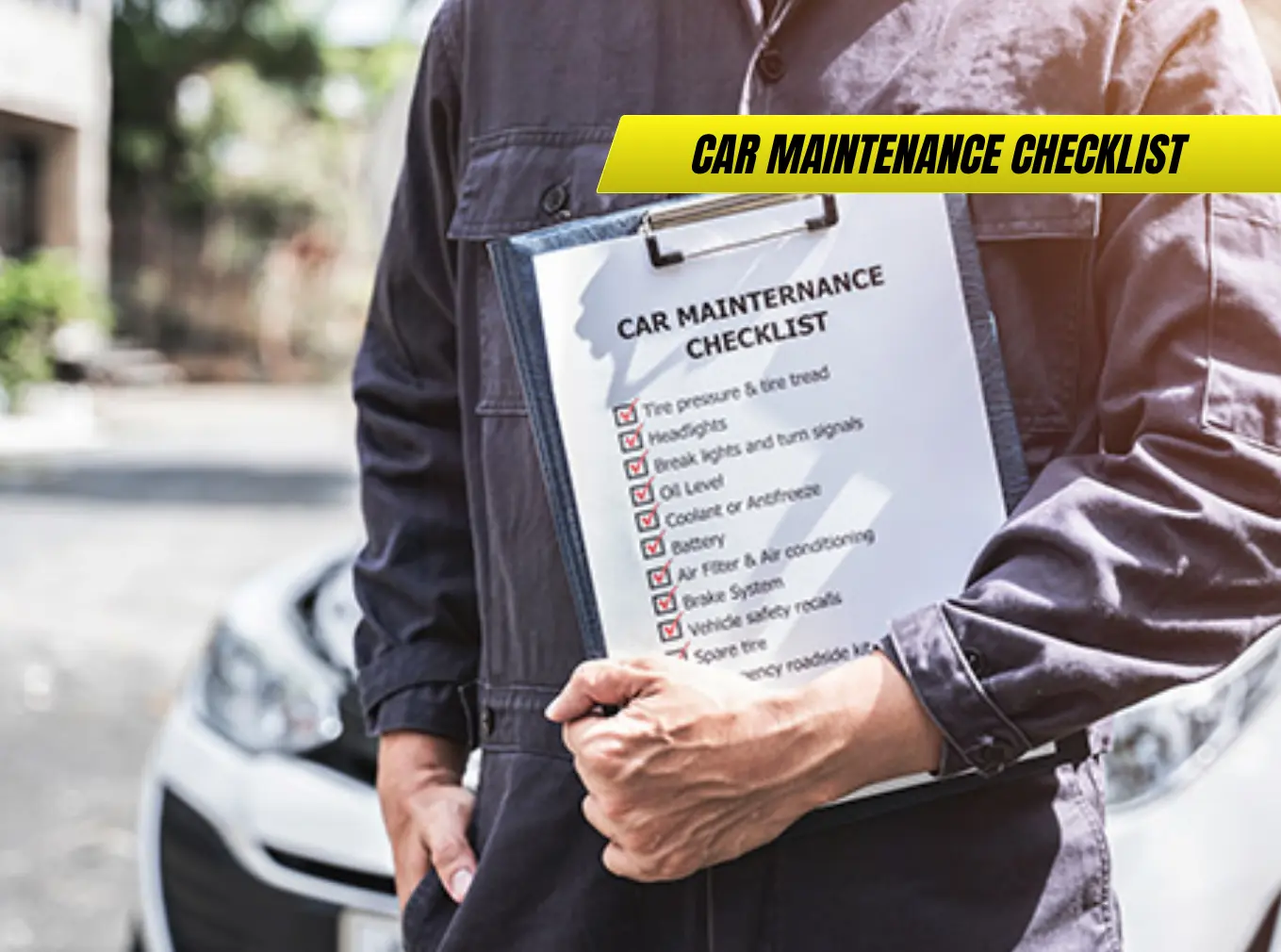
Complete UK car maintenance guide 2025: Essential checklist, service schedules, DIY tips, and professional maintenance requirements. Keep your vehicle safe, legal, and reliable.
Proper car maintenance has never been more crucial for UK drivers, with modern vehicles requiring sophisticated care to maintain reliability, safety, and legal compliance. From understanding complex service schedules to recognising warning signs that demand immediate attention, effective vehicle maintenance combines regular professional servicing with informed owner care. With maintenance costs rising and vehicles becoming increasingly complex, knowing what to check, when to service, and how to prevent costly breakdowns can save thousands of pounds while ensuring your safety on British roads.
Key Takeaways:
- ✓ Regular maintenance can extend vehicle life beyond 100,000 miles and add £2,000 to resale value
- ✓ UK service intervals typically follow 12 months or 10,000-12,000 miles, whichever comes first
- ✓ Monthly DIY checks prevent 80% of common breakdowns and MOT failures
- ✓ Professional annual services remain essential even for capable DIY enthusiasts
- ✓ Proper maintenance records are crucial for warranty compliance and resale value
Understanding Modern UK Vehicle Maintenance Requirements
Vehicle maintenance in 2025 represents a balance between sophisticated technology requiring professional expertise and basic checks that every driver can and should perform. In my experience advising UK drivers on maintenance best practices, the key to successful vehicle care lies in understanding which tasks require professional attention and which can be safely handled by owners.
Modern vehicles feature complex electronic systems, advanced engine management, and sophisticated safety technologies that demand specialised knowledge for proper maintenance. However, fundamental checks for fluids, tyres, lights, and basic components remain accessible to most drivers and form the foundation of effective vehicle care.
From my point of view, the most successful maintenance approach combines regular professional servicing with informed owner vigilance. Professional technicians possess the equipment and expertise to diagnose complex issues and perform intricate repairs, while educated owners can identify problems early and maintain basic systems between services.
UK-Specific Considerations:
- Climate Impact: British weather patterns affect battery life, tyre wear, and corrosion rates
- Road Conditions: Pothole damage and salt corrosion require specific attention
- MOT Requirements: Annual testing from three years old demands roadworthy maintenance
- Insurance Implications: Poor maintenance can affect insurance claims and premiums
Understanding these factors helps UK drivers tailor maintenance approaches to local conditions and legal requirements.
For those seeking comprehensive guidance on vehicle safety systems, our detailed guide to vehicle warning lightsprovides essential information about modern diagnostic systems.
Professional Service Schedules: What UK Drivers Need to Know
UK vehicle manufacturers typically recommend service intervals of 12 months or 10,000-12,000 miles, whichever occurs first. These schedules reflect British driving conditions, climate factors, and regulatory requirements that may differ from other markets.
Standard UK Service Intervals
Annual/10,000-Mile Service: Most UK vehicles follow this basic interval, though specific requirements vary by manufacturer and model.
Typical Service Components:
- Engine Oil and Filter Change: Essential for engine longevity and performance
- Visual Safety Inspection: Brakes, tyres, lights, steering, suspension systems
- Fluid Level Checks: Brake fluid, coolant, power steering, windscreen washer
- Battery and Charging System Test: Crucial for UK winter conditions
- Exhaust System Inspection: MOT compliance and environmental requirements
Extended Service Intervals: Some modern vehicles, particularly premium brands, offer extended service intervals of 15,000-20,000 miles or 18-24 months. While manufacturer-approved, these extended intervals may not suit all UK driving patterns.
Severe Service Considerations
UK driving often qualifies as “severe service” due to:
- Short Journey Patterns: Urban stop-start driving in city centres
- Climate Conditions: Frequent temperature cycling and high humidity
- Seasonal Variations: Winter conditions affecting battery, cooling, and heating systems
- Road Salt Exposure: Corrosion acceleration during winter months
Severe Service Intervals: Vehicles used for taxi work, delivery services, or frequent short urban journeys may require service intervals of 6 months or 5,000 miles.
Service Types and Categories
Interim Service (6 months/6,000 miles):
- Basic Health Check: Oil change, fluid levels, tyre condition
- Safety Inspection: Lights, wipers, basic brake check
- Purpose: Identify issues between full services
- Cost: £80-150 depending on location and provider
Full Service (12 months/10,000-12,000 miles):
- Comprehensive Inspection: All systems and components
- Component Replacement: Filters, spark plugs, wear items as needed
- Diagnostic Checks: Electronic systems and fault code scanning
- Cost: £200-400 depending on vehicle complexity and location
Major Service (24 months/20,000-24,000 miles):
- Extensive Component Replacement: Timing belts, major filters, cooling system service
- Transmission Service: Fluid changes and filter replacement
- Brake System Service: Fluid replacement, component inspection
- Cost: £400-800 depending on specific requirements
Monthly DIY Maintenance Checklist
Regular owner checks between professional services can prevent most common breakdowns and identify issues before they become expensive problems.
Essential Monthly Checks
Engine Oil Level and Condition:
- Check Method: Use dipstick with engine warm but not running
- Oil Level: Between minimum and maximum marks, ideally closer to maximum
- Oil Condition: Should be relatively clean; black, gritty oil needs changing
- Warning Signs: Metal particles, excessive thickness, or unusual odours
Tyre Condition and Pressure:
- Pressure Check: Use accurate gauge when tyres are cold
- Tread Depth: Minimum 1.6mm legal requirement, 3mm recommended for safety
- Visual Inspection: Cuts, bulges, uneven wear patterns
- Spare Tyre: Don’t forget to check spare tyre condition and pressure
Coolant Level and Condition:
- Check When Cold: Never remove radiator cap when engine is hot
- Level Check: Should be between minimum and maximum marks on expansion tank
- Colour Assessment: Should maintain original colour; rusty or contaminated coolant needs changing
- Leak Detection: Look for puddles under vehicle or unusual sweet smell
Battery Condition:
- Terminal Inspection: Clean, tight connections without corrosion
- Case Condition: No cracks, bulges, or damage
- Electrolyte Level: If accessible, should cover plates completely
- Performance: Strong starter operation, bright lights
Lighting and Electrical Systems
Exterior Lighting Check:
- Headlights: High and low beam operation, alignment
- Indicators: All corners including side repeaters
- Brake Lights: All bulbs operational including high-level brake light
- Reversing Lights: Often forgotten but MOT requirement
Interior Systems:
- Dashboard Warning Lights: No unexplained illuminated warnings
- Electrical Functions: Heater, air conditioning, wipers, radio
- Safety Systems: Seatbelt operation, door locks, window operation
Windscreen and Wipers
Windscreen Condition:
- Chip and Crack Inspection: Damage larger than £2 coin or in driver’s vision line fails MOT
- Cleanliness: Interior and exterior surfaces clean for optimal visibility
- Washer Fluid: Adequate level with appropriate seasonal additive
Wiper Blade Assessment:
- Blade Condition: No splits, tears, or hardening
- Cleaning Performance: Should clear water without streaking
- Replacement Timing: Every 12 months or when performance degrades
Seasonal Maintenance Requirements
UK climate variations demand seasonal maintenance attention to ensure vehicle reliability and compliance throughout the year.
Winter Preparation (October-November)
Battery Winterisation: Cold weather reduces battery capacity by up to 50%, making winter preparation crucial.
- Load Testing: Professional battery test to verify cold-weather performance
- Terminal Maintenance: Clean terminals and apply protective coating
- Electrolyte Check: Top up with distilled water if necessary
- Charging System Test: Ensure alternator maintains proper charging
Tyre Considerations:
- Tread Depth: 3mm minimum recommended for winter conditions
- Winter Tyres: Consider fitment for severe weather areas
- Pressure Adjustment: Cold weather reduces tyre pressure significantly
- Spare Tyre: Ensure spare is properly inflated and accessible
Heating and Demisting Systems:
- Heater Function: Test all heat settings and fan speeds
- Air Conditioning: Run monthly to maintain seals and lubrication
- Demister Performance: Front and rear window clearing capability
- Cabin Filter: Replace if contaminated or restricting airflow
Spring Preparation (March-April)
Post-Winter Recovery:
- Underbody Inspection: Check for salt corrosion damage
- Brake System: Inspect for corrosion or fluid contamination
- Suspension Check: Look for damage from potholes or harsh winter conditions
- Exhaust System: Verify no damage from road salt or impact
Cooling System Preparation:
- Coolant Concentration: Adjust for warmer weather if necessary
- Radiator Cleaning: Remove debris from winter driving
- Hose Inspection: Check for cracking or deterioration
- Fan Operation: Test electric cooling fans for summer readiness
Summer Maintenance (June-July)
Air Conditioning Service:
- Performance Test: Cooling efficiency and temperature output
- Refrigerant Check: Proper pressure and absence of leaks
- Filter Replacement: Cabin air filter for optimal air quality
- System Cleaning: Antibacterial treatment to prevent odours
Cooling System Focus:
- Fluid Level: Maintain proper coolant level for hot weather
- Thermostat Function: Ensure proper temperature regulation
- Radiator Condition: Clean external surfaces for optimal heat transfer
- Overflow Tank: Check for proper expansion tank operation
Autumn Preparation (September-October)
Lighting System Enhancement: Shorter days demand optimal lighting performance.
- Headlight Alignment: Professional adjustment for maximum effectiveness
- Bulb Replacement: Replace dim or failed bulbs before winter
- Lens Cleaning: Remove oxidation or contamination
- Auxiliary Lighting: Consider fog light bulb replacement
Heating System Preparation:
- Coolant System: Flush and refill if due for replacement
- Heater Core: Test for proper hot water circulation
- Thermostat: Replace if showing signs of malfunction
- Cabin Heating: Test all temperature and fan settings
Warning Signs That Demand Immediate Attention
Recognising symptoms that indicate serious problems can prevent catastrophic failures and ensure safety on UK roads.
Engine-Related Warning Signs
Check Engine Light: Modern vehicles’ most important warning system requires immediate attention.
- Steady Light: Indicates detected problem requiring prompt diagnosis
- Flashing Light: Serious issue requiring immediate professional attention
- Diagnostic Scanning: Professional equipment needed to identify specific fault codes
- Driving Limitations: Avoid high-speed or heavy-load driving until diagnosed
Unusual Engine Noises:
- Knocking or Pinging: May indicate serious internal engine damage
- Metallic Grinding: Often bearing-related requiring immediate shutdown
- High-Pitched Squealing: Usually belt-related but can indicate bearing problems
- Irregular Idling: May suggest fuel, air, or ignition system problems
Performance Changes:
- Power Loss: Gradual or sudden reduction in acceleration
- Rough Idling: Engine runs unevenly at idle speed
- Stalling: Engine stops unexpectedly during operation
- Hard Starting: Difficulty starting, especially when warm
Safety-Critical Warning Signs
Brake System Warnings:
- Brake Warning Light: Immediate inspection required – do not drive
- Pedal Changes: Soft, spongy, or low brake pedal
- Unusual Noises: Grinding, squealing, or scraping during braking
- Pulling: Vehicle pulls to one side during braking
Steering and Suspension Issues:
- Steering Changes: Increased effort, play, or vibration
- Pulling: Vehicle drifts to one side on straight roads
- Uneven Tyre Wear: Indicates alignment, suspension, or inflation problems
- Ride Quality: Excessive bouncing, harsh impacts, or instability
Electrical System Problems:
- Charging Warning: Battery or alternator malfunction
- Lighting Failures: Multiple bulb failures or flickering lights
- Starting Issues: Slow cranking or click-no-start conditions
- Electrical Odours: Burning smells from electrical components
For comprehensive guidance on understanding modern vehicle warning systems, our detailed guide to dashboard warning lights provides essential diagnostic information.
DIY Maintenance Tasks vs Professional Services
Understanding which maintenance tasks can be safely performed by owners and which require professional expertise helps manage costs while ensuring safety and compliance.
Safe DIY Maintenance Tasks
Fluid Level Checks and Top-Ups:
- Engine Oil: Check level and top up between services
- Coolant: Add fluid to expansion tank when cool
- Windscreen Washer: Simple top-up with appropriate fluid
- Power Steering: Check reservoir level if accessible
Basic Visual Inspections:
- Tyre Condition: Tread depth, pressure, visual damage assessment
- Light Operation: Test all exterior and interior lighting
- Wiper Blades: Assess condition and replace if necessary
- Battery Terminals: Clean corrosion and ensure tight connections
Simple Replacements:
- Air Filter: Often accessible and replaceable with basic tools
- Cabin Filter: Usually behind glove compartment, owner-serviceable
- Wiper Blades: Simple clip-on replacement for most vehicles
- Light Bulbs: Many bulbs accessible with basic tools and patience
Professional-Only Maintenance
Complex Mechanical Work:
- Brake System Service: Safety-critical requiring proper equipment
- Suspension Work: Requires specialised tools and safety equipment
- Engine Internal Work: Beyond basic maintenance requires expertise
- Transmission Service: Complex procedures with specific requirements
Electronic System Diagnostics:
- Fault Code Reading: Requires professional diagnostic equipment
- System Programming: ECU updates and programming need dealer-level tools
- Safety System Calibration: ADAS systems require specialised calibration
- Immobiliser/Security: Anti-theft systems need professional service
Warranty and Insurance Considerations:
- Manufacturer Warranty: DIY work may void warranty protection
- Insurance Claims: Poor maintenance can affect claim validity
- Professional Liability: Technicians carry professional insurance
- Quality Assurance: Professional work includes guarantees and comeback policies
Tools and Equipment for DIY Maintenance
Essential Tools:
- Digital Tyre Pressure Gauge: Accurate pressure measurement
- Basic Tool Set: Spanners, screwdrivers, pliers for simple tasks
- Funnel Set: Clean fluid addition without spillage
- Inspection Light: LED torch for under-bonnet inspection
Safety Equipment:
- Jack and Axle Stands: Never rely on jack alone for support
- Wheel Chocks: Prevent vehicle movement during work
- Safety Glasses: Eye protection during any mechanical work
- Disposable Gloves: Protect hands and improve grip
Advanced DIY Tools:
- OBD2 Scanner: Basic fault code reading capability
- Battery Tester: Assess battery condition and charging system
- Compression Tester: Engine health assessment tool
- Multimeter: Electrical system diagnosis
Record Keeping and Documentation
Proper maintenance documentation provides multiple benefits including warranty compliance, resale value enhancement, and future service planning.
Essential Documentation
Service Records:
- Professional Services: Keep all garage receipts and service documentation
- DIY Maintenance: Log all owner-performed maintenance with dates and mileage
- Part Replacement: Record all component replacements with part numbers
- Warranty Claims: Document any warranty work for future reference
Digital vs Physical Records:
- Cloud Storage: Backup important documents to prevent loss
- Mobile Apps: Several apps help track maintenance schedules and history
- Physical Backup: Keep hard copies of critical documents
- Organised Filing: Systematic organisation improves accessibility
Maintenance Tracking Methods
Manufacturer Service Books:
- Stamp Collection: Ensure all services are properly stamped and dated
- Dealer Network: Use approved facilities for warranty compliance
- Independent Specialists: Many accept service books with proper documentation
- Digital Integration: Some manufacturers offer app-based service tracking
Third-Party Tracking:
- Mobile Applications: Carfax Car Care, Auto Care, and similar apps
- Spreadsheet Systems: Custom tracking for detail-oriented owners
- Cloud Services: Google Sheets or similar for accessible record keeping
- Professional Software: Commercial fleet management systems for multiple vehicles
Resale Value Impact
Documented Maintenance Benefits: Research shows well-maintained vehicles with complete service records command approximately £2,000 premium over equivalent vehicles without documentation.
Buyer Confidence Factors:
- Complete History: Full maintenance records demonstrate owner care
- Preventive Approach: Evidence of proactive rather than reactive maintenance
- Professional Service: Regular garage services suggest quality care
- Warranty Coverage: Remaining warranty increases perceived value
Documentation Best Practices:
- Chronological Organisation: Services and repairs in date order
- Mileage Recording: Accurate odometer readings for all service events
- Parts Specifications: Record part numbers and quality levels used
- Cost Tracking: Financial records useful for budgeting and resale
For guidance on maintaining optimal driving records that support vehicle value, our comprehensive guide to UK driving licence points provides essential information.
Electric Vehicle Maintenance Considerations
Electric vehicles require different maintenance approaches than traditional combustion engines, with some systems requiring more attention and others needing none at all.
EV-Specific Maintenance Requirements
Battery System Care:
- Charging Patterns: Avoid regularly charging to 100% or depleting completely
- Temperature Management: Extreme temperatures affect battery life and performance
- Software Updates: Regular updates optimise battery management systems
- Professional Monitoring: Annual battery health checks recommended
Simplified Maintenance Schedule: EVs eliminate several traditional maintenance requirements:
- No Oil Changes: Electric motors require no oil
- No Spark Plugs: Electric propulsion eliminates ignition system
- No Exhaust System: No emissions system maintenance required
- Reduced Brake Wear: Regenerative braking reduces conventional brake use
Enhanced Focus Areas:
- Tyre Wear: Instant torque can accelerate tyre wear
- Cabin Air Filters: Often more important due to sealed cabin design
- Cooling System: Battery cooling systems require specific maintenance
- High-Voltage Safety: Only qualified technicians should service HV systems
Traditional Systems Still Required
Suspension and Steering:
- Weight Distribution: Battery weight affects suspension wear patterns
- Alignment Sensitivity: EVs often more sensitive to wheel alignment
- Tyre Selection: Specific tyres designed for EV characteristics
- Shock Absorber Life: May differ from combustion vehicle patterns
Brake System Maintenance:
- Reduced Use: Regenerative braking extends brake life significantly
- Corrosion Concerns: Infrequent use can cause brake component corrosion
- Fluid Replacement: Brake fluid still requires regular replacement
- Parking Brake: Electric parking brakes need specific service procedures
Frequently Asked Questions
How often should I service my car in the UK?
Most UK vehicles should be serviced every 12 months or 10,000-12,000 miles, whichever comes first. This schedule reflects British driving conditions, climate factors, and manufacturer recommendations. However, severe service conditions common in the UK (frequent short journeys, stop-start urban driving, extreme weather) may require more frequent servicing every 6 months or 5,000 miles. Always check your owner’s manual for specific recommendations, as some modern vehicles have extended intervals of 15,000-20,000 miles. Maintaining manufacturer-recommended service intervals is essential for warranty compliance and optimal vehicle performance.
What maintenance can I safely do myself versus what needs a professional?
Safe DIY tasks include checking fluid levels (oil, coolant, windscreen washer), tyre pressure and tread depth, light operation, wiper blade condition, and basic visual inspections. You can also replace air filters, cabin filters, wiper blades, and some light bulbs with basic tools. However, brake system work, suspension repairs, engine internal work, transmission service, and any safety-critical systems require professional attention. Electronic diagnostics, ECU programming, and ADAS calibration need dealer-level equipment. Consider warranty implications – DIY work may void coverage, while professional services include guarantees and proper insurance protection.
What are the most important monthly checks I should perform?
Essential monthly checks include engine oil level and condition (check with dipstick when warm but not running), tyre pressure and tread depth (minimum 1.6mm legal, 3mm recommended), coolant level in expansion tank when engine is cold, battery terminals for corrosion or looseness, and all exterior lights including headlights, indicators, brake lights, and reversing lights. Also check windscreen washer fluid level, wiper blade condition, and inspect for any obvious fluid leaks under the vehicle. These basic checks take 15-20 minutes but can prevent 80% of common breakdowns and MOT failures.
How do I know when my car needs immediate professional attention?
Seek immediate professional help if the check engine light is flashing, brake warning light illuminates, you experience sudden power loss or rough running, hear unusual engine noises (knocking, grinding, squealing), notice brake pedal changes (soft, low, pulling), see steam or smoke from the engine bay, smell burning odours, or experience steering problems (increased effort, vibration, pulling). Don’t drive with flashing warning lights, brake problems, or overheating symptoms. These situations can cause safety risks or expensive damage if ignored. When in doubt, have the vehicle inspected promptly rather than risking further damage.
How does proper maintenance affect my car’s resale value?
Well-maintained vehicles with complete service records typically command £2,000 more than equivalent cars without documentation. Proper maintenance demonstrates owner care, reduces buyer concerns about hidden problems, and suggests the vehicle will be reliable for the new owner. Keep all service receipts, maintain manufacturer service book stamps, document any warranty work, and record DIY maintenance with dates and mileage. Regular professional servicing at approved facilities, using genuine or quality aftermarket parts, and addressing issues promptly all enhance resale value. Buyers pay premiums for documented maintenance history and remaining warranty coverage.
Are electric vehicles easier or harder to maintain than petrol cars?
Electric vehicles are generally easier and cheaper to maintain than petrol cars. EVs eliminate oil changes, spark plug replacements, exhaust system maintenance, and most engine-related services. However, they require different focus areas: battery health monitoring, high-voltage system safety (professional-only), tyre wear management (instant torque accelerates wear), and brake system attention (infrequent use can cause corrosion). Cooling systems for batteries need specific maintenance, software updates are more frequent, and cabin air filters may be more important. Overall maintenance costs are typically 30-50% lower than equivalent petrol vehicles, but qualified EV technicians may be required for certain services.
What should I do if I miss a scheduled service?
If you miss a scheduled service, book it as soon as possible – delays can affect warranty coverage and vehicle reliability. Inform your garage about the overdue service so they can adjust the inspection accordingly. Check if any specific maintenance items are critically overdue (oil changes, timing belt replacement, brake fluid) and prioritise these. Document the actual service date and mileage for future reference. If you’re significantly overdue (several months or thousands of miles), consider a more comprehensive inspection to identify any issues that may have developed. Missing occasional services won’t immediately harm most vehicles, but consistently poor maintenance can lead to expensive problems and reduced reliability.
Conclusion: Building a Sustainable Maintenance Routine
Effective vehicle maintenance in 2025 requires balancing traditional mechanical knowledge with understanding of modern automotive technology, while adapting to UK-specific driving conditions and legal requirements. The most successful maintenance approach combines regular professional servicing with informed owner vigilance and prompt attention to warning signs.
Key Success Principles:
Prevention Over Reaction: Regular maintenance costs significantly less than emergency repairs while ensuring safety and reliability. The investment in scheduled servicing and proactive care pays dividends through extended vehicle life, reduced breakdown risk, and enhanced resale value.
Professional Partnership: While DIY maintenance handles basic checks and simple tasks, professional expertise remains essential for complex systems, safety-critical components, and warranty compliance. The best maintenance strategies combine owner awareness with professional capability.
Documentation and Planning: Systematic record keeping supports warranty claims, enhances resale value, and helps plan future maintenance requirements. Whether using digital apps or traditional logbooks, consistent documentation provides multiple benefits.
Climate Adaptation: UK weather patterns demand seasonal maintenance attention, from winter battery care to summer cooling system focus. Understanding local conditions helps prioritise maintenance tasks and prevent weather-related problems.
The evolution toward electric vehicles simplifies some maintenance aspects while creating new requirements, but fundamental principles of regular inspection, prompt attention to problems, and professional service remain constant across all vehicle types.
Modern vehicles reward consistent care with exceptional reliability and longevity, often exceeding 100,000 miles with proper maintenance. The key lies in understanding your vehicle’s specific requirements, recognising your own capabilities and limitations, and building relationships with trusted professional service providers who understand your needs and local conditions.
By following the guidance in this comprehensive maintenance checklist, UK drivers can enjoy safer, more reliable, and more economical motoring while protecting their automotive investment for years to come. Remember that vehicle maintenance is ultimately about safety first, economy second, and convenience third – priorities that ensure both immediate satisfaction and long-term success.
For additional guidance on UK motoring requirements and regulations, explore our comprehensive guides to UK speed camera systems and vehicle compliance requirements that support safe and legal vehicle operation.





