
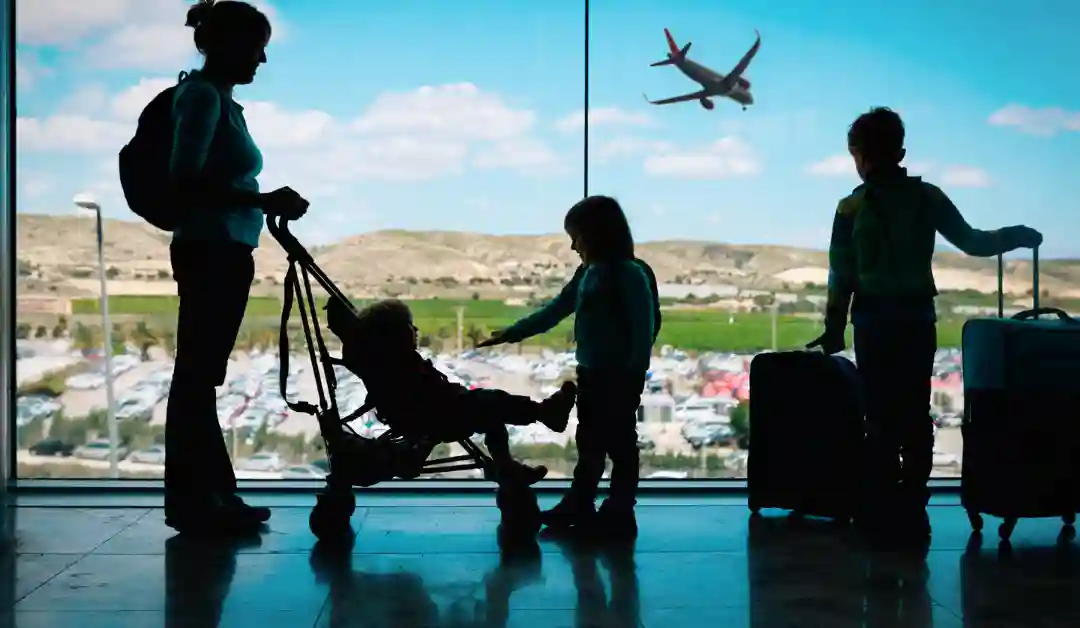
Summer holidays with children in cars require special preparation to ensure safety, comfort, and enjoyable journeys. Hot weather, long distances, and children’s needs create unique challenges that demand proper planning. Following these essential tips prevents heatstroke, fatigue, and stress while keeping everyone safe and happy.
Key takeaways: Pre-cool the car before children enter, use proper age-appropriate child seats, cover seats with light cloth, stop air conditioning before arrival to avoid temperature shock, carry plenty of water and snacks, plan breaks every 2 hours, never leave children alone in the car, stop at shaded locations with facilities, avoid sugary drinks, check seat temperature before placing children.
Pre-Cool the Car Before Children Enter
Pre-cool the car before placing children inside by opening windows and running air conditioning for a few minutes. Children’s bodies heat up 3-5 times faster than adults, making them extremely vulnerable to hot car interiors.
How to Pre-Cool Effectively
- Open all windows before approaching the car with children
- Run air conditioning for 5 minutes on medium setting before children enter
- Set temperature to 22°C – not too cold to avoid shock, but cool enough for comfort
- Check seat temperature – touch seats before placing children. If warm, they’re too hot
- Use sunshades to keep interior cool while parked
Interior temperatures can reach 70°C in 30 minutes at 35°C outside. Pre-cooling prevents children from entering a deadly environment.
Why Pre-Cooling Is Critical
- Children heat faster – Their bodies cannot regulate temperature like adults
- Hot seats cause burns – Direct contact with 60°C seats damages skin
- Heat stress begins immediately – Children suffer within minutes of hot exposure
- Prevention is simple – 5 minutes of pre-cooling prevents hours of suffering
Use Proper Child Seats
Use proper child seats appropriate for their age and size. UK law requires children to use correctly fitted child seats until they are 12 years old or 135cm tall.
Child Seat Requirements by Age
| Age | Seat Type | Height/Weight Limit |
|---|---|---|
| 0-15 months | Rear-facing baby seat | Up to 13kg |
| 0-4 years | Rear or forward-facing child seat | Up to 18kg |
| 3-12 years | Forward-facing seat or booster | Up to 135cm tall |
| 12+ or 135cm+ | Adult seat belt | No restriction |
Ensuring Seats Are Not Too Hot
Ensure seats are not becoming too hot by covering them with light cloth before children enter. Dark child seats absorb heat and become dangerously hot. Light cloth covers reflect heat and keep seats cool.
Check seat temperature regularly – touch the seat before each journey. If it feels warm to your hand, it’s too hot for children.
Proper Fitting Is Essential
- Follow manufacturer instructions – Every seat fits differently
- Check harness tightness – Should be snug but not uncomfortable
- Ensure correct angle – Rear-facing seats should be at proper recline
- Test before long journeys – Have children sit briefly to check comfort
Cover Seats with Light Cloth
Cover seats with light cloth before children enter. Dark colours absorb heat, light colours reflect it. Light cloth covers prevent seats from becoming dangerously hot.
BestMaterials for Seat Covers
- Light-coloured cotton – Reflects heat, comfortable to touch
- Breathable fabric – Allows air circulation, prevents sweating
- Secure attachment – Doesn’t slip or bunch up during driving
- Easy to remove – Can be taken off when not needed
When to Use Covers
- Before every journey – Don’t wait for seats to heat up
- When parking in sun – Covers provide ongoing protection
- During long stops – Keep covers on while children are out
- In hot weather – Essential when temperatures exceed 25°C
Stop Air Conditioning Before Arrival
Stop air conditioning a few minutes before reaching destination, opening windows to avoid sudden temperature changes that can upset children.
Why Temperature Shock Is Dangerous
Children’s bodies are already stressed from the journey. Sudden cooling from hot car to cold environment can cause:
- Temperature shock – Rapid change stresses the body
- Upset and crying – Children become distressed
- Fatigue increase – Shock worsens existing tiredness
- Health risk – Can trigger illness in vulnerable children
How to Prevent Temperature Shock
- Switch off AC 5 minutes before arrival
- Open windows gradually – Let warm air mix with outside air
- Monitor temperature – Aim for gradual 2-3°C change per minute
- Prepare children – Tell them temperature will change slightly
This gradual transition prevents distress and keeps children comfortable.
Carry Plenty of Water and Snacks
Carry plenty of water and portable snacks. Children need hydration more than adults in heat. Water is essential for preventing heatstroke and maintaining energy.
Water Requirements
- Minimum 2 litres per child for journeys over 2 hours
- More in hot weather – Increase to 3 litres if temperatures exceed 30°C
- Cool storage – Keep water in cool bags, not hot cabin
- Accessible location – Store where children can reach easily
Best Drinks for Children
Preferred:
- Water – best for hydration, no sugar
- Diluted fruit juice – 1 part juice to 4 parts water
- Coconut water – natural electrolytes
Avoid:
- Sugary drinks – Make children feel worse in heat, cause energy crashes
- Carbonated drinks – Cause bloating and discomfort
- Cold ice water – Can cause stomach shock
- Caffeinated drinks – Increase dehydration
Snack Choices
Good snacks:
- Fresh fruit (berries, apple slices, melon)
- Vegetables (carrot sticks, cucumber)
- Nuts and seeds (if age-appropriate)
- Dried fruit (no added sugar)
- Crackers and cheese
- Yogurt tubes (keep cool)
Avoid:
- Chocolate – melts in heat, causes sticky mess
- Candy – high sugar, worsens heat effects
- Processed snacks – high salt increases dehydration
- Perishable items – spoil quickly in hot cars
Plan Regular Breaks Every 2 Hours
Plan breaks every 2 hours to let children stretch, cool down, and refresh. Fatigue is a major cause of accidents and behavioural problems on long journeys.
What to Do During Breaks
- Walk around – Get children moving to prevent stiffness
- Stretch exercises – Simple stretches prevent muscle fatigue
- Use facilities – Toilets, washing hands, refreshment
- Cool down – Find shaded areas, drink water
- Snack time – Eat healthy snacks for energy
- Play briefly – Light activity keeps children happy
Choosing Break Locations
Ideal break stops:
- Shaded locations – Parks, woodlands, covered areas
- With facilities – Toilets, food, water available
- Safe playing areas – Open spaces away from traffic
- Cool environments – Indoor centres if very hot
Avoid:
- Direct sun exposure – Children heat up quickly
- Busy roads – Safety risk for active children
- No facilities – Create discomfort and urgency
- Hot areas – Asphalt, concrete retain heat
Break Frequency by Age
| Child Age | Break Frequency |
|---|---|
| 0-2 years | Every 1-1.5 hours |
| 3-5 years | Every 1.5-2 hours |
| 6-10 years | Every 2 hours |
| 11+ years | Every 2-2.5 hours |
Younger children need more frequent breaks due to smaller bodies and less tolerance for discomfort.
Stop at Shaded Locations with Facilities
Stop at shaded locations with facilities – toilets, food, and shade. These amenities make breaks comfortable and practical.
Why Shade Is Essential
- Prevents overheating – Children cool down in shade
- Comfortable playing – Shade makes outdoor activity posible
- Reduced heat stress – Shade lowers body temperature
- Safe rest areas – Children can rest without heating further
Essential Facilities to Look For
- Toilets – Essential for hygiene and comfort
- Food options – Healthy snacks and meals
- Water taps – Refill bottles and wash hands
- Indoor areas – Cool spaces if outside is too hot
- Play areas – Safe spaces for children to move
Finding Good Break Locations
Use apps and resources:
- Google Maps – Search for “parks with facilities”
- AA Roadwatch – Find recommended rest stops
- National Trust – Country parks with facilities
- Local council websites – Public park information
Plan these locations before departure to avoid stress during the journey.
Never Leave Children Alone in the Car
Never leave children alone in the car even for short periods. This is the most critical safety rule. Parents sometimes think “I’ll just be gone 2 minutes,” but heatstroke can kill in that time.
Why This Rule IsNon-Negotiable
Children cannot:
- Open doors or windows independently
- Call for help effectively
- Regulate their body temperature
- Recognise danger and escape
Heatstroke kills quickly:
- 30 minutes at 35°C outside = 70°C interior = fatal
- Children die within 30-45 minutes in hot cars
- 90% of incidents are preventable with supervision
Situations Where Parents Make Mistakes
Never leave children alone for:
- Running into a shop for 2 minutes
- Checking luggage at hotel
- Getting fuel
- Taking photos
- Any “quick” task
- Meeting someone nearby
- Using ATM
Always:
- Take children with you
- Have another adult supervise
- Leave car unlocked with keys if absolutely necessary (but still not recommended)
- Use baby monitors if leaving briefly (but still not ideal)
Legal Consequences
Leaving children alone in cars can be prosecuted under:
- Child neglect laws
- Dangerous driving charges
- Gross negligence manslaughter (if death occurs)
UK courts treat this extremely seriously – parents have been jailed for leaving children in hot cars.
Monitor Children Regularly During Journeys
Check on children regularly during journeys – don’t wait for problems to appear.
What to Monitor
- Temperature – Are they sweating, flushed, or complaining of heat?
- Behaviour – Are they quiet, crying, or unusually restless?
- Hydration – Have they drunk water recently?
- Comfort – Is the seat belt too tight, seat too hot?
- Fatigue – Are they tired, sleepy, or struggling to stay awake?
How to Check
- Look in rear-view mirror – Quick visual check
- Ask verbally – “Are you okay?” “Do you need water?”
- Pull over safely – If concerned, stop and check properly
- Use child monitors – Cameras show children in back seats
Responding to Problems
If child is sweating or flushed:
- Increase air conditioning slightly
- Give water immediately
- Check if seat is too hot
- Plan earlier break
If child is crying or restless:
- Check for discomfort (harness, seat, temperature)
- Offer distraction (toys, music, conversation)
- Plan break sooner if behaviour doesn’t improve
If child is quiet or sleepy:
- Check temperature – could be heatstroke
- Offer water
- Monitor breathing and consciousness
- Stop immediately if concerned
Prepare Entertainment and Comfort Items
Pack comfortable items – bring pillows, blankets, and comfortable clothing for rest stops. Children need comfort to stay happy during long journeys.
Entertainment Essentials
- Toys – Small, quiet toys for back seat
- Books – Picture books for younger children
- Music – Children’s songs or favourites
- Games – Simple car games (counts, colours, stories)
- Screens – Tablet with pre-downloaded content (use sparingly)
Comfort Items
- Pillows – For comfortable sleeping positions
- Blankets – Light blankets for cooler moments
- Comfortable clothing – Loose, breathable fabrics
- Stuffed animals – Familiar items reduce stress
- Nappies and changing supplies – For younger children
Emergency Preparedness with Children
Carry Emergency Supplies
- First aid kit – Complete and accessible, with child-specific items
- Water – Minimum 2 litres per child
- Medication – Any required儿童 medications, plus basic pain relief
- Contact numbers – Save emergency contacts in phone
- Documents – Birth certificates, medical cards, insurance
Know Emergency Procedures
- How to remove child from seat – Know how to release harness quickly
- Where emergency exits are – Plan escape routes
- How to call emergency services – 999 for UK emergencies
- What to do in heatstroke – Move to cool location, remove clothing, apply cool water, call 999
In my experience, summer travel with children becomes manageable with proper preparation. The most common problems are heat-related stress, fatigue from longjourneys, and boredom from lack of entertainment – all preventable with planning.
From my point of view, the most important habit is checking on children regularly and planning breaks every 2 hours. This 5-minute check every 2 hours prevents hours of crying, stress, and potential danger.
I would recommend focusing on essentials first: pre-cool the car, use proper child seats, carry water, plan breaks at shaded locations, and never leave children alone. These simple steps make summer travel with children safe, comfortable, and enjoyable.
For UK drivers, summer temperatures regularly reach 35°C+, making child safety precautions essential, not optional. Children die in parked cars every year in Britain from parents who thought they’d “just be gone a minute.” For child safety guidelines, visit gov.uk and NSPCC resources. For first aid information, check St John Ambulance.





