
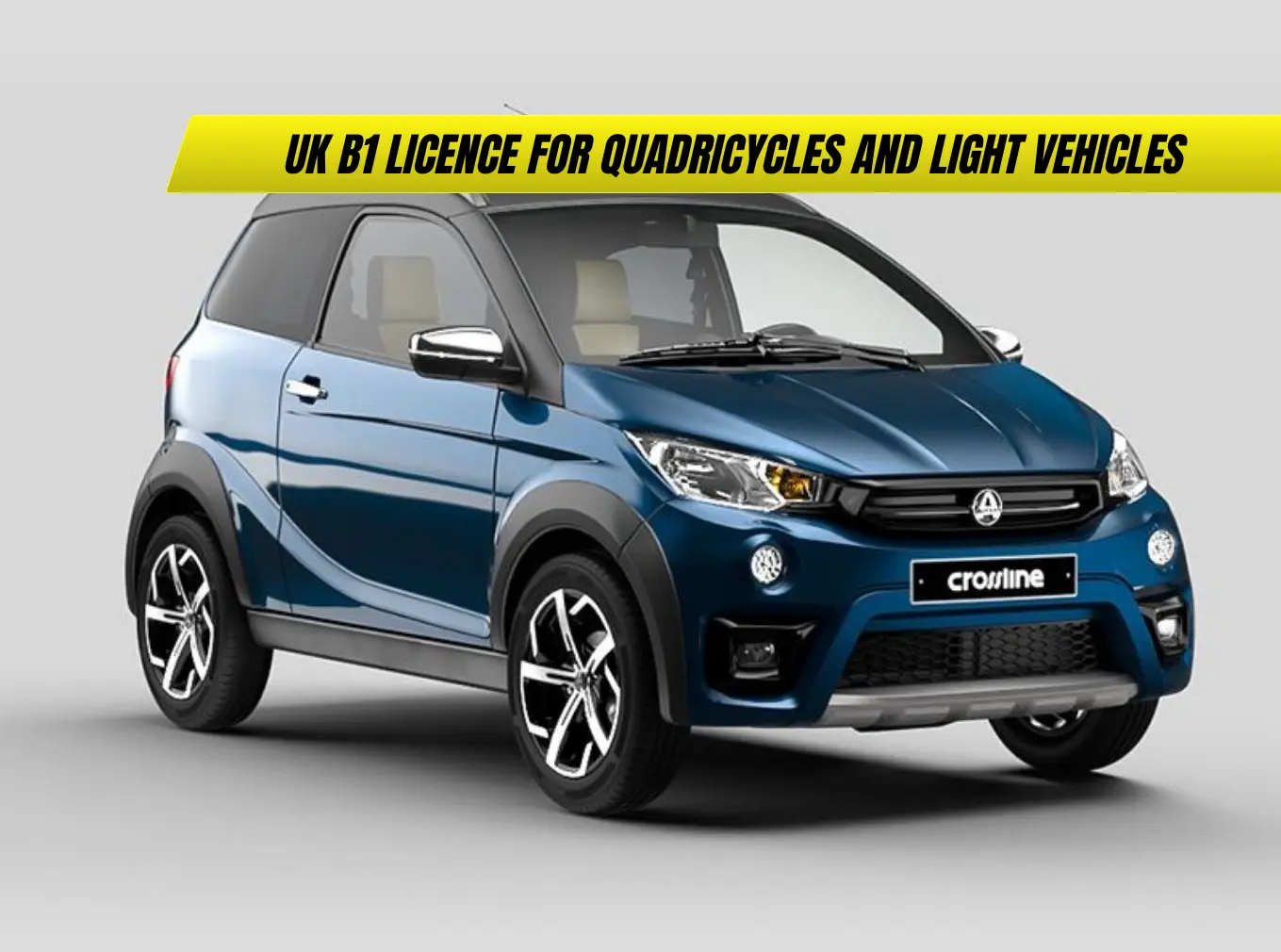
Complete guide to UK B1 driving licence for quadricycles and light vehicles. DVLA requirements, costs, and vehicle categories covered for 2025.
The UK B1 driving licence category provides access to light quadricycles and specific small vehicles that bridge the gap between moped transport and full car driving. This specialized licence category serves unique transport needs whilst requiring specific training and assessment through DVLA procedures. In my experience, the B1 licence offers practical solutions for drivers seeking alternatives to conventional cars whilst maintaining safety standards appropriate for these distinctive vehicle types.
Key Highlights: UK B1 Licence Category
• Light quadricycle access including both passenger and goods transport variants • Age requirement: Available from 17 years with appropriate training and testing • Specialized training required through approved driving instructors • Theory and practical tests similar to car licence but adapted for vehicle characteristics • Unique vehicle specifications with specific weight and power limitations • Limited availability of training and test facilities across the UK
Understanding B1 Licence Category
The B1 licence category in the UK system covers light quadricycles and motor tricycles that exceed moped specifications but remain below full car requirements. This category serves specific transport needs including mobility solutions, commercial applications, and recreational use within defined parameters.
The category includes both passenger quadricycles designed for personal transport and goods variants intended for light commercial use. Each type has specific technical requirements and operational limitations that influence training requirements and practical applications. For context on other specialized driving categories, our guide on UK driving licence points provides broader licensing information.
Vehicle Categories and Specifications
Light Quadricycles (L6e and L7e)
Light quadricycles represent the primary vehicles covered by B1 licence category, divided into passenger (L6e) and goods (L7e) classifications with specific technical limitations that define their operational parameters and licensing requirements.
L6e Light Quadricycles (Passenger):
- Maximum weight: 425kg (excluding batteries for electric vehicles)
- Maximum power: 6kW (8hp) for electric vehicles
- Maximum power: 4kW (5.4hp) for internal combustion engines
- Maximum speed: 45 km/h (28 mph)
- Passenger capacity: Maximum 2 seats including driver
L7e Heavy Quadricycles:
- Maximum weight: 450kg (passenger) or 600kg (goods)
- Maximum power: 15kW (20hp)
- Maximum speed: No specific limitation
- Design speed capability varies by manufacturer
The technical specifications ensure these vehicles remain within appropriate safety parameters whilst providing practical transport solutions for specific applications and user requirements.
Motor Tricycles Inclusion
Three-wheeled vehicles exceeding certain specifications also fall within B1 category requirements, though the practical availability of such vehicles in the UK market remains limited compared to European markets where they enjoy greater popularity.
Motor Tricycle Specifications:
- Power exceeding 15kW (20hp)
- Weight exceeding 550kg
- Symmetric wheel arrangement required
- Specific stability and safety requirements
Most motor tricycles available in the UK market actually fall within A1 or A licence categories rather than B1, making practical B1 tricycle applications relatively uncommon.
Licensing Requirements and Age Restrictions
Age and Eligibility Criteria
B1 licence eligibility begins at age 17, aligning with standard car licence age requirements whilst recognizing the specialized nature of vehicles covered by this category. The age requirement reflects the enhanced capability and responsibility compared to moped operation.
Eligibility Requirements:
- Minimum age: 17 years
- Valid provisional driving licence
- Medical fitness declaration
- UK residence or legal driving entitlement
- No disqualifying medical conditions
The provisional licence application process for B1 follows standard DVLA procedures with specific category selection during application. Applicants can hold B1 provisional entitlement alongside other categories on the same licence document.
Medical Considerations:
- Standard Group 1 medical requirements apply
- Vision standards equivalent to car licence
- Physical capability to operate vehicle controls safely
- No specific additional medical requirements beyond standard car licence
Training Requirements and Instruction
Specialized Driving Instruction
B1 category training requires instruction from Approved Driving Instructors (ADI) with specific qualifications for quadricycle instruction. The limited number of qualified instructors reflects the specialized nature of this licence category.
Training Components:
- Vehicle familiarization and control systems
- Traffic integration and road positioning
- Parking and maneuvering techniques
- Safety systems and emergency procedures
- Legal requirements and operational limitations
The training addresses unique characteristics of quadricycles including their handling, stability, and integration with conventional traffic. These vehicles require different techniques compared to cars or motorcycles due to their distinctive design and performance characteristics.
Instructor Qualifications:
- ADI registration with B1 category endorsement
- Specialized training in quadricycle operation
- Access to appropriate training vehicles
- Insurance coverage for instruction activities
Finding qualified B1 instructors can prove challenging in many UK areas due to limited demand and specialized vehicle requirements. Prospective students should expect longer booking times and potentially higher lesson costs.
Theory Test Requirements
Knowledge Assessment for B1 Category
The B1 theory test combines elements from car and motorcycle testing whilst addressing specific requirements for quadricycle operation and safety considerations unique to these vehicles.
Theory Test Content:
- Highway Code knowledge applicable to quadricycles
- Traffic signs and road markings
- Vehicle safety checks and maintenance
- Vulnerable road user awareness
- Environmental and efficiency considerations
Test Structure:
- 50 multiple choice questions (43 correct required)
- Hazard perception test (44+ points required)
- Cost: £23 (same as car theory test)
- Valid for 2 years from pass date
The theory test covers standard driving knowledge whilst emphasizing aspects particularly relevant to quadricycle operation including vulnerability awareness, vehicle limitations, and appropriate road positioning.
Preparation Resources:
- Official Highway Code study materials
- DVLA theory test preparation resources
- Specialized quadricycle operation guidance
- Mock tests and practice materials
Practical Test Procedures
On-Road Assessment for B1 Vehicles
The B1 practical test assesses competent operation of quadricycles in real traffic conditions whilst demonstrating understanding of vehicle limitations and appropriate safety considerations.
Test Requirements:
- Valid theory test certificate
- Appropriate quadricycle for testing
- L-plates correctly displayed
- Qualified instructor supervision
- Valid insurance covering test conditions
Test Duration and Structure:
- Approximately 40 minutes total duration
- Vehicle safety check questions
- Independent driving section
- Various road types and traffic conditions
- Parking and reversing exercises
The test route covers different road types whilst recognizing quadricycle limitations regarding speed and traffic integration. Examiners assess safe operation within vehicle capabilities rather than expecting car-like performance.
Vehicle Requirements for Test:
- Roadworthy condition with valid MOT (if applicable)
- Appropriate insurance coverage
- All lights and indicators functional
- Mirrors providing adequate visibility
- Functioning safety equipment
Available Vehicles and Market Options
UK Quadricycle Market
The UK quadricycle market remains relatively limited compared to European markets, with few manufacturers offering vehicles specifically designed for this category. This limitation affects training availability and practical licence application.
Available Vehicle Types:
- Electric passenger quadricycles (city transport)
- Utility quadricycles (grounds maintenance, delivery)
- Recreational quadricycles (leisure use)
- Adapted mobility vehicles (disability applications)
Popular Manufacturers:
- Citroen Ami (electric city vehicle)
- Aixam (various models, limited UK availability)
- Ligier (commercial and passenger variants)
- Various electric mobility solutions
The limited market reflects UK preferences for conventional cars and motorcycles rather than intermediate vehicle categories popular in other European markets.
Purchase and Ownership Considerations
Quadricycle ownership involves specific considerations regarding insurance, maintenance, and operational limitations that influence practical utility and cost-effectiveness compared to conventional alternatives.
Ownership Factors:
- Limited dealer network and parts availability
- Specialized insurance requirements
- MOT requirements for some categories
- Road tax classification and costs
- Resale value considerations
Insurance Considerations:
- Specialized quadricycle insurance policies
- Limited insurer options compared to cars
- Age and experience rating factors
- Usage pattern assessment
- Geographic availability variations
Practical Applications and Use Cases
Real-World B1 Licence Applications
B1 licence utility varies significantly based on individual circumstances, location, and specific transport requirements. Understanding practical applications helps assess whether this licence category provides genuine benefits.
Suitable Applications:
- Urban short-distance transport
- Campus or estate vehicle operation
- Mobility solutions for specific disabilities
- Light commercial delivery services
- Tourist and recreational vehicle rental
Limitations to Consider:
- Speed restrictions limiting motorway use
- Weather protection varies by vehicle type
- Cargo capacity constraints
- Limited passenger accommodation
- Social acceptance and practicality issues
The practical utility often depends on specific circumstances rather than general transport needs, making careful consideration essential before pursuing this licence category.
Commercial and Business Applications
Commercial quadricycle use provides specific advantages for certain business applications whilst remaining unsuitable for general commercial transport due to capacity and speed limitations.
Business Applications:
- Campus security and maintenance
- Tourist area transport services
- Local delivery in congested areas
- Grounds maintenance and utilities
- Specialized access requirements
The environmental benefits and operating costs can provide business advantages in specific applications, though the limited cargo capacity restricts broader commercial utility.
Costs and Financial Considerations
Total Licensing Costs
B1 licence costs include standard DVLA fees plus potentially higher instruction costs due to specialized requirements and limited instructor availability across the UK.
Estimated Cost Breakdown:
- Provisional licence: £34 (if not already held)
- Theory test: £23
- Practical test: £62
- Specialist instruction: £40-60 per hour (estimated)
- Total minimum: £119 plus instruction costs
Additional Cost Factors:
- Limited instructor availability increasing costs
- Potential travel requirements for training
- Vehicle access for practice and testing
- Higher insurance costs for young drivers
- Limited financing options for vehicle purchase
The specialized nature of B1 training often results in higher total costs compared to standard car licence acquisition due to instructor scarcity and vehicle requirements.
Legal Requirements and Restrictions
Operational Limitations
B1 licence holders must operate within specific legal limitations that reflect vehicle capabilities and safety considerations. Understanding these restrictions prevents legal issues and ensures appropriate vehicle use.
Legal Restrictions:
- Speed limitations based on vehicle category
- Motorway access restrictions for some vehicle types
- Passenger limitations based on vehicle design
- Load restrictions for goods variants
- Insurance and registration requirements
Compliance Requirements:
- Valid MOT certificate (where applicable)
- Appropriate insurance coverage
- Vehicle registration and taxation
- Driver licence validity maintenance
- Adherence to vehicle-specific limitations
Failure to comply with B1 vehicle restrictions can result in penalties similar to other driving offences, making understanding requirements essential for legal operation.
Future Developments and Market Trends
Evolving Quadricycle Market
The UK quadricycle market may expand as environmental concerns and urban congestion drive interest in alternative transport solutions. Government policies supporting low-emission vehicles could influence future market development.
Potential Developments:
- Increased electric quadricycle availability
- Enhanced safety standards and features
- Government incentives for low-emission vehicles
- Improved charging infrastructure supporting electric models
- Greater manufacturer interest in UK market
Market Challenges:
- Consumer preference for conventional vehicles
- Limited infrastructure supporting quadricycle use
- Regulatory complexity and licensing requirements
- Insurance and financing limitations
- Cultural acceptance and social factors
Frequently Asked Questions
What vehicles can I drive with a B1 licence in the UK?
B1 licence covers light quadricycles up to 425kg weight and 15kW power, including both passenger and goods variants. This includes vehicles like the Citroen Ami and similar electric city vehicles, plus some utility quadricycles.
Can I drive a B1 vehicle on motorways?
Motorway access depends on vehicle capability rather than licence category. Most B1 vehicles have speed limitations that make motorway use inappropriate or illegal, though some higher-performance quadricycles may be suitable.
How much does B1 licence training cost?
Training costs vary significantly due to limited instructor availability. Expect £40-60 per hour for specialist instruction, with total costs potentially exceeding standard car licence costs due to specialized requirements.
Where can I find B1 training vehicles and instructors?
B1 instruction availability is limited across the UK. Contact local driving schools about specialist instructors, or search online directories for ADI instructors with B1 qualifications in your area.
Do B1 vehicles require MOT and insurance?
Most B1 vehicles require standard MOT and insurance similar to cars, though specific requirements depend on vehicle weight and design. Check with DVLA and insurers for vehicle-specific requirements.
Can B1 licence holders carry passengers?
Passenger capacity depends on vehicle design and licensing, with most B1 vehicles limited to 2 seats total including the driver. Always check specific vehicle limitations and licensing requirements.
Is B1 licence worth getting in the UK?
B1 licence utility is very limited in the UK due to restricted vehicle availability and market acceptance. Consider specific transport needs carefully before pursuing this specialized licence category.
Conclusion
The UK B1 licence category serves very specific transport needs rather than providing general driving alternatives, with limited practical applications due to restricted vehicle availability and market acceptance. From my perspective, this licence category suits very particular circumstances rather than general transport requirements.
I would recommend B1 licence pursuit only for specific applications such as disability mobility solutions, specialized commercial use, or recreational purposes where conventional vehicles prove inappropriate. The limited training availability and vehicle options make this a specialized choice requiring careful consideration.
For most UK drivers, standard car or motorcycle licences provide better practical utility and cost-effectiveness. The B1 category represents an interesting specialized option that may gain relevance as urban transport needs evolve, but currently serves a very limited market segment in the UK automotive landscape.





