
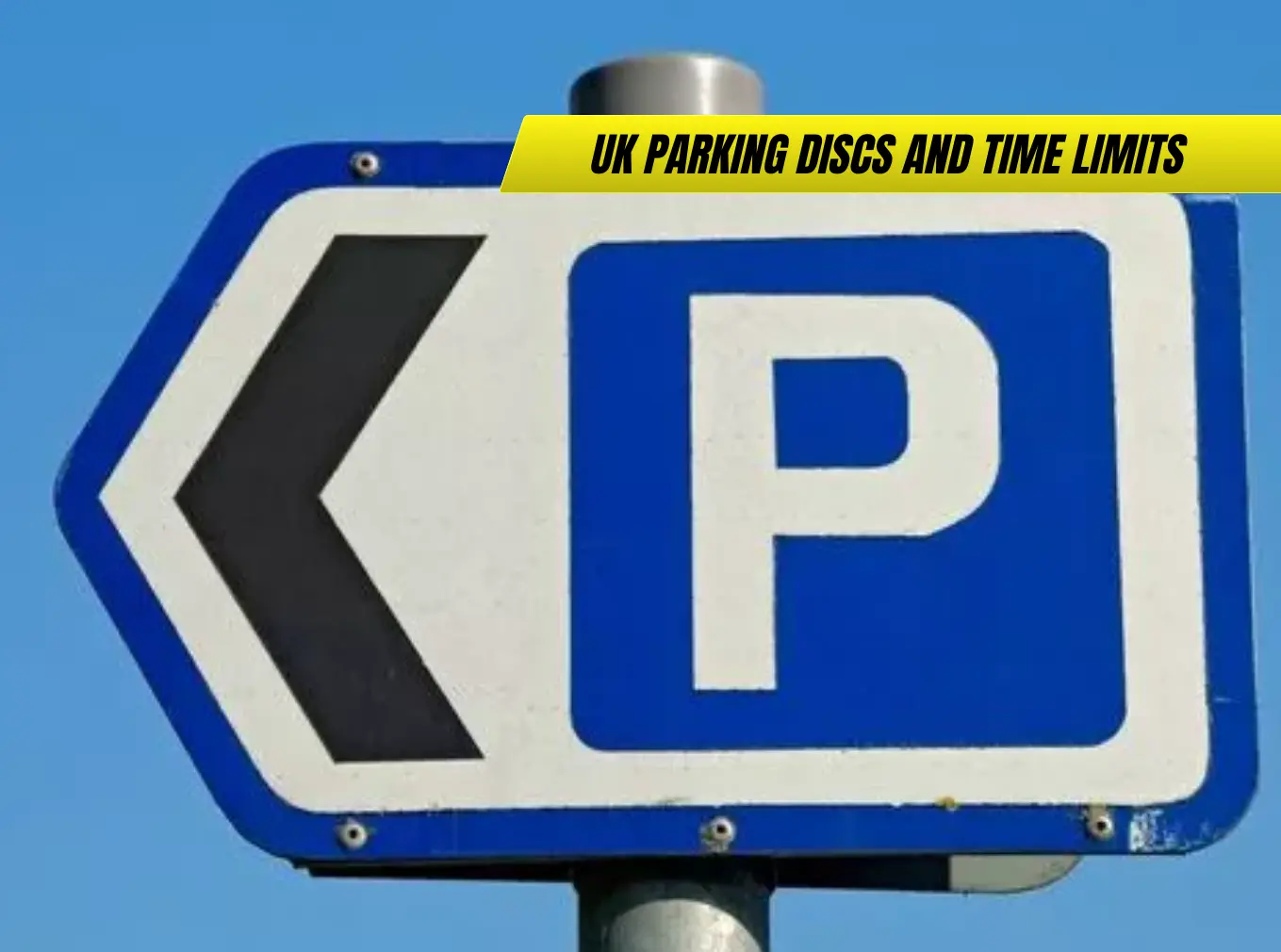
Complete guide to UK parking discs, time-limited parking zones, and penalty avoidance. Learn about parking regulations, enforcement, and compliance for 2025.
Parking discs and time-limited parking play crucial roles in UK traffic management, helping regulate parking availability whilst ensuring fair access to limited spaces. These systems operate through various methods including traditional parking discs, pay-and-display machines, and modern digital solutions that adapt to local needs and traffic patterns. In my experience observing parking enforcement across different UK areas, understanding these systems prevents costly penalties whilst ensuring compliance with increasingly sophisticated parking management schemes.
Key Highlights: UK Parking Time Limits 2025
• Parking disc systems still operate in some UK areas for time-limited free parking • Digital parking solutionsincreasingly replace traditional disc systems • Variable time limits ranging from 30 minutes to several hours depending on location • Enforcement technology including ANPR cameras and mobile patrol units • Penalty charge notices issued for time limit violations with appeal procedures • Local authority variations in parking regulations and enforcement approaches
Understanding UK Parking Time Management
The UK parking time limit system encompasses various methods for managing parking duration and availability, from traditional parking discs to sophisticated digital payment and monitoring systems. These approaches balance parking availability with local business needs and traffic management objectives.
Different local authorities implement varying systems based on local requirements, with some areas maintaining traditional parking disc zones whilst others adopt modern digital solutions. Understanding local variations prevents penalties whilst ensuring efficient use of available parking spaces. For broader traffic regulation context, our guide on UK driving licence points provides essential penalty information.
Traditional Parking Disc Systems
How Parking Discs Work
Traditional parking discs provide simple, cost-effective time management for short-term parking zones where payment isn’t required but duration limits apply to ensure turnover and availability.
Parking Disc Operation:
- Manual time setting upon arrival
- Visible display on dashboard
- Time limit compliance monitoring
- No payment required for parking
- Enforcement through visual inspection
Disc Setting Requirements:
- Set disc to nearest 15-minute interval after arrival
- Display clearly visible from outside vehicle
- Comply with maximum time limits for the zone
- Maintain accurate time setting throughout stay
- Replace or adjust if parking period extends
Common Time Limits:
- 30 minutes: Quick shopping areas
- 1 hour: Local shops and services
- 2 hours: Town centre short-stay areas
- 3 hours: Mixed commercial/residential areas
- Variable: Depending on local authority decisions
Traditional disc systems remain popular in smaller towns and specific zones where simplicity and no-cost parking suit local business and community needs.
Where Parking Discs Are Still Used
Parking disc zones continue operating in various UK locations, particularly where local authorities prefer free time-limited parking over paid systems for community and economic reasons.
Typical Disc Zone Locations:
- Small town centres and high streets
- Village shopping areas
- Residential areas near amenities
- Hospital and medical facility zones
- Tourist areas with short-visit expectations
- Business districts encouraging quick turnover
Geographic Distribution:
- Rural market towns with traditional approaches
- Coastal communities managing tourist parking
- Suburban shopping parades
- Industrial estate visitor parking
- Community facility parking areas
Local Authority Preferences:
- Cost-effective parking management
- Community-friendly free parking provision
- Simple enforcement without complex technology
- Support for local business accessibility
- Reduced administrative burden
Some areas maintain disc systems due to community preference for free parking over paid alternatives, particularly where parking pressure remains manageable.
Modern Digital Parking Solutions
Pay-and-Display Systems
Pay-and-display machines have largely replaced parking discs in busy urban areas, providing flexible payment options whilst enabling precise time monitoring and enforcement.
System Features:
- Coin, card, and contactless payment options
- Variable pricing based on location and time
- Printed tickets displaying expiry times
- Integration with enforcement systems
- Real-time availability monitoring
Payment Options:
- Cash payments through coin mechanisms
- Card payments including contactless
- Mobile phone app payments
- Season tickets and permits
- Business account arrangements
Enforcement Integration:
- ANPR camera systems monitoring compliance
- Mobile patrol units checking ticket validity
- Real-time data sharing between systems
- Automated penalty notice generation
- Appeals processing through digital systems
Mobile App Parking Solutions
Smartphone parking apps provide convenient payment and management options that eliminate need for physical tickets whilst offering enhanced features and flexibility.
App-Based Benefits:
- Remote payment without visiting machines
- Time extension options from anywhere
- Automatic expiry notifications and reminders
- Digital payment receipts and history
- Multiple vehicle registration and management
Popular UK Parking Apps:
- RingGo: Widely adopted across multiple authorities
- PayByPhone: Extensive coverage in urban areas
- ParkingEye: Private car park operator
- JustPark: Peer-to-peer parking solutions
- Local authority specific apps
Enhanced Features:
- GPS location finding and navigation
- Real-time space availability information
- Booking and reservation capabilities
- Integration with journey planning apps
- Loyalty programmes and regular user discounts
Digital solutions provide convenience whilst generating detailed data for parking management optimization and enforcement efficiency.
Time Limit Enforcement
Enforcement Methods and Technology
Parking enforcement utilizes various technologies and approaches to monitor compliance with time limits whilst ensuring fair and consistent application of regulations.
Enforcement Technologies:
- ANPR cameras recording vehicle arrival/departure
- Mobile patrol units with handheld devices
- Tyre marking for traditional disc monitoring
- Digital payment system integration
- GPS tracking for mobile enforcement optimization
ANPR System Operation:
- Automatic number plate recognition cameras
- Real-time database checking for payments
- Overstay detection and penalty generation
- Multiple location monitoring from single system
- Integration with DVLA and police databases
Mobile Enforcement:
- Civil enforcement officers patrolling designated areas
- Handheld devices for instant penalty issue
- Vehicle registration and payment status checking
- Photographic evidence collection
- Real-time data upload to processing systems
Traditional Methods:
- Chalk marking tyres in disc zones
- Visual inspection of displayed discs or tickets
- Manual record keeping and monitoring
- Physical penalty notice attachment
- Follow-up verification and processing
Penalty Charges and Fines
Penalty Charge Notice (PCN) System
Parking penalty charges vary between local authorities and private operators, with specific procedures for issue, payment, and appeals that drivers must understand to avoid escalating costs.
Typical Penalty Amounts:
- Local authority PCNs: £25-70 (reduced for early payment)
- Private car park charges: £60-100 (varies by operator)
- London boroughs: £65-130 depending on contravention
- Serious violations: Higher charges up to £130
Early Payment Discounts:
- 50% reduction if paid within 14 days
- Full amount due after discount period
- No further discounts for later payment
- Escalation to Traffic Enforcement Centre if unpaid
- Potential court action and bailiff involvement
PCN Information Requirements:
- Clear statement of alleged contravention
- Evidence photographs and observations
- Payment options and deadline information
- Appeal procedures and contact details
- Consequences of non-payment explanation
Common Contraventions:
- Overstaying maximum permitted time
- Failing to display valid parking disc
- Parking without payment in pay zones
- Parking in restricted hours or days
- Using expired or invalid permits
Appeal Procedures
Challenging parking penalties involves specific procedures and deadlines that must be followed to contest charges through proper legal channels.
Formal Appeal Process:
- Informal challenge to issuing authority (optional)
- Formal representation to local authority
- Appeal to Traffic Penalty Tribunal if rejected
- Independent adjudication and decision
- Final appeal to courts in exceptional circumstances
Valid Appeal Grounds:
- Penalty charge not properly served
- Contravention did not occur as alleged
- Vehicle was not parked in specified location
- Penalty exceeded or payment was valid
- Mitigating circumstances warrant cancellation
Evidence Requirements:
- Photographic evidence of compliance
- Payment receipts or proof of valid permits
- Witness statements supporting position
- Medical or emergency circumstance documentation
- Technical evidence of equipment malfunction
Success Factors:
- Clear evidence contradicting alleged contravention
- Procedural errors by enforcement authority
- Compelling mitigating circumstances
- Equipment malfunction or signage problems
- Prompt submission within specified deadlines
Regional Variations and Local Rules
Local Authority Differences
Parking regulations vary significantly between different local authorities, reflecting local needs, priorities, and approaches to traffic management and revenue generation.
Common Variations:
- Maximum parking duration limits
- Charging structures and payment methods
- Enforcement approaches and penalty levels
- Permit systems and resident exemptions
- Operating hours and restricted periods
Urban vs Rural Approaches:
- Cities: Emphasis on paid parking and strict enforcement
- Towns: Mix of free time-limited and paid zones
- Rural areas: Traditional disc systems and minimal charging
- Tourist areas: Seasonal variations and visitor management
- Business districts: Commuter restrictions and short-stay focus
Regional Examples:
- London: Comprehensive paid parking with high charges
- Scottish councils: Varied approaches with some free provision
- Welsh authorities: Balance between revenue and accessibility
- Northern England: Traditional approaches with gradual modernization
- Coastal areas: Seasonal management and tourist considerations
Local Considerations:
- Economic impact on local businesses
- Resident parking needs and exemptions
- Tourist and visitor management requirements
- Revenue generation vs accessibility balance
- Environmental and traffic management objectives
Private Car Park Regulations
Private car parks operate under different regulations with varying enforcement powers and appeal procedures that differ from local authority parking management.
Private Operator Powers:
- Contract-based parking charges rather than fines
- Limited enforcement powers compared to councils
- Specific signage and terms display requirements
- Appeals to independent parking tribunals
- Reduced court enforcement options
Common Private Locations:
- Shopping centre car parks
- Retail park parking areas
- Hospital and medical facility parking
- Business premises visitor parking
- Leisure and entertainment venue parking
Protection Against Unfair Charges:
- Clear signage requirement for valid charges
- Reasonable time limits and charging structures
- Independent appeals process availability
- Protection against excessive or unfair charges
- Consumer rights and protection legislation
Best Practices for Compliance
Avoiding Parking Penalties
Effective parking compliance requires understanding local regulations, proper use of payment systems, and awareness of time limits to avoid costly penalties.
Compliance Strategies:
- Research parking regulations before arrival
- Allow extra time for payment and disc setting
- Set phone reminders for time limit expiry
- Photograph parking compliance for evidence
- Keep payment receipts and transaction records
Technology Assistance:
- Parking app notifications and reminders
- GPS location marking for return navigation
- Digital payment histories for appeal evidence
- Real-time availability checking
- Route planning including parking considerations
Common Mistakes to Avoid:
- Forgetting to display parking discs or tickets
- Misunderstanding time limit calculations
- Parking in wrong zones or restricted areas
- Ignoring maximum stay periods
- Failing to update payment for extended stays
Emergency Situations:
- Document genuine emergencies with evidence
- Contact parking authorities if possible
- Keep medical or emergency service documentation
- Appeal promptly with compelling evidence
- Understand that emergency doesn’t guarantee exemption
Visitor and Tourist Guidance
Visitors to UK areas often struggle with local parking systems, making advance research and preparation essential for penalty avoidance.
Visitor Preparation:
- Research local parking systems online
- Download relevant parking apps before arrival
- Understand local time limits and charges
- Identify alternative parking options
- Plan journey times including parking requirements
Tourist Area Considerations:
- Seasonal variations in regulations and charges
- Increased enforcement during peak periods
- Alternative transport options availability
- Park-and-ride schemes and public transport
- Tourist information and guidance availability
Future Developments
Technology Evolution
Parking management technology continues evolving with smart city integration, enhanced enforcement capabilities, and improved user experience through digital innovation.
Emerging Technologies:
- AI-powered space detection and management
- Integration with vehicle navigation systems
- Predictive availability modeling
- Dynamic pricing based on demand
- Autonomous vehicle parking coordination
Smart City Integration:
- Real-time traffic flow optimization
- Environmental monitoring and management
- Public transport integration
- Economic impact measurement and analysis
- Community engagement and feedback systems
User Experience Improvements:
- Seamless payment integration across authorities
- Enhanced mobile app functionality
- Personalized parking recommendations
- Automated compliance monitoring
- Simplified appeal and dispute procedures
Policy Development Trends
Parking policy evolution reflects changing transport patterns, environmental priorities, and urban planning considerations that influence future regulatory development.
Policy Trends:
- Environmental objectives prioritizing sustainable transport
- Revenue generation vs accessibility balance
- Support for local business and economic development
- Integration with wider transport planning
- Community engagement in policy development
Future Considerations:
- Electric vehicle charging integration
- Autonomous vehicle accommodation
- Shared mobility service support
- Active travel promotion and support
- Data privacy and protection requirements
Frequently Asked Questions
Do I need to buy a parking disc or are they provided?
Parking discs must be purchased from various retailers including post offices, newsagents, and online suppliers. They’re not provided by local authorities and cost approximately £2-5 depending on type and supplier.
What happens if I forget to display my parking disc?
Failing to display a disc in designated zones typically results in a penalty charge notice, even if you arrived within the time limit. Always ensure proper display before leaving your vehicle.
Can I use a parking app instead of a disc in disc zones?
Parking apps cannot replace discs in traditional disc zones unless specifically permitted. Each zone specifies acceptable compliance methods, so check local signage for requirements.
How accurate do parking disc times need to be?
Disc times should be set to the nearest 15-minute interval after your arrival time. Setting incorrect times (early or late) can result in penalties as enforcement officers check compliance accuracy.
What evidence do I need to appeal a parking penalty?
Strong appeal evidence includes photographs showing compliance, payment receipts, witness statements, medical documentation for emergencies, or proof of equipment malfunction affecting compliance.
Are parking disc zones free to use?
Disc zones are typically free but subject to maximum time limits. You don’t pay for parking but must comply with duration restrictions and proper disc display requirements.
Can I extend my parking time in disc zones?
Time extensions generally aren’t permitted in disc zones – you must move your vehicle after the maximum period expires. Some areas allow re-parking after specific intervals, but check local regulations.
Conclusion
UK parking discs and time-limited systems provide essential traffic management tools that balance parking availability with community needs whilst requiring driver understanding and compliance to avoid penalties. From my perspective, these systems work effectively when properly understood and used correctly.
I would recommend familiarizing yourself with local parking regulations before visiting new areas, investing in a quality parking disc for areas that still use them, and utilizing parking apps where available for convenience and compliance monitoring. The key to avoiding penalties lies in understanding and following local requirements.
Modern parking management combines traditional methods with digital innovation to provide flexible, efficient solutions that serve diverse community needs. For UK drivers in 2025, staying informed about local parking systems and using available technology ensures compliance whilst supporting effective traffic management in our communities.





