
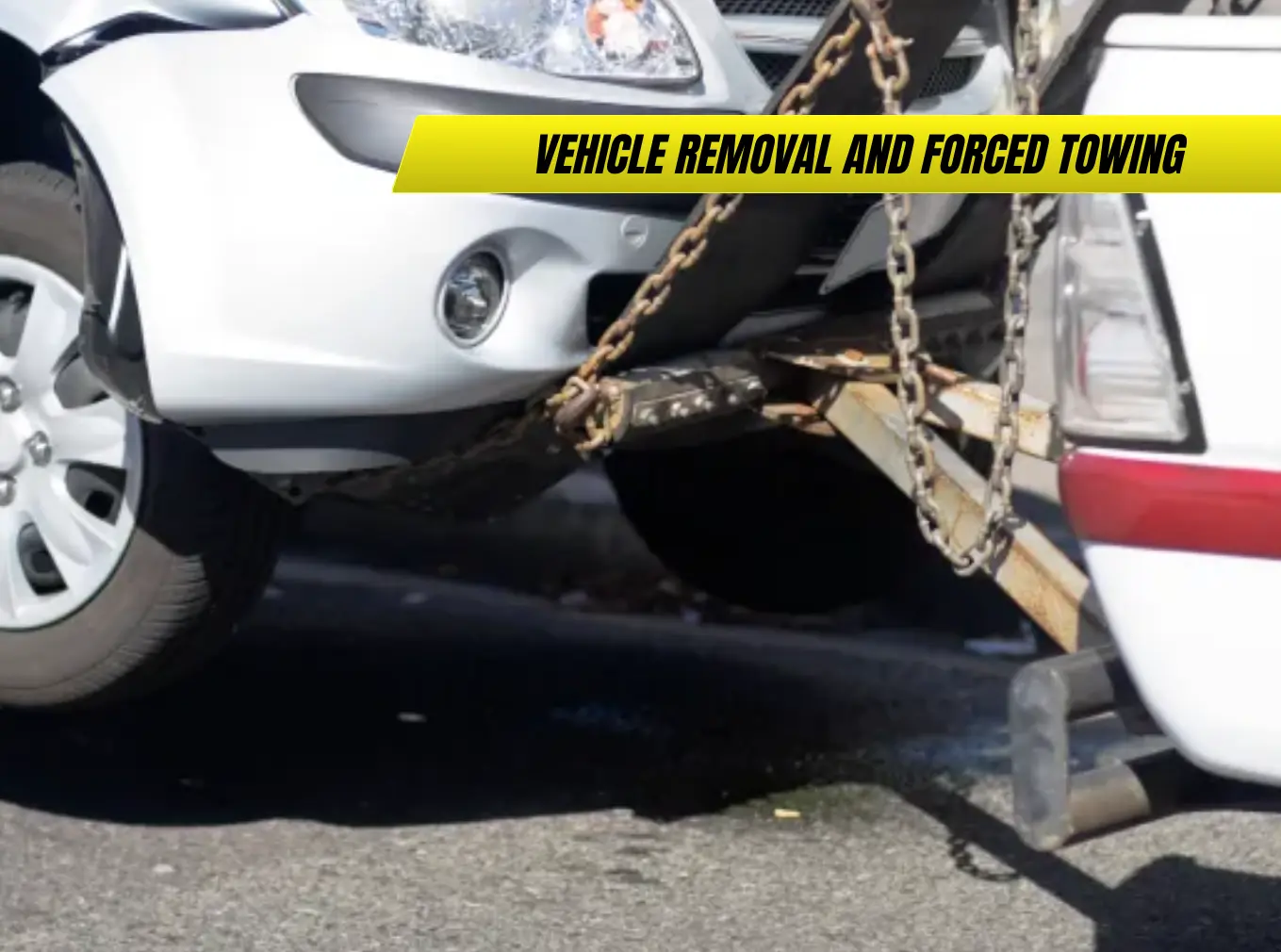
Complete UK vehicle removal guide 2025: Highway Code rules, legal towing procedures, penalties, costs, and rights when vehicles are forcibly removed by authorities.
Vehicle removal and forced towing represent some of the most contentious aspects of UK motoring law, involving complex interactions between parking regulations, highway safety requirements, and driver rights. When vehicles are removed by authorities, the financial and practical consequences can be severe, with recovery costs often exceeding £300 and storage fees accumulating daily. Understanding the legal framework governing when vehicles can be removed, the procedures authorities must follow, and your rights as a vehicle owner has become essential knowledge for navigating Britain’s increasingly stringent parking enforcement and traffic management systems.
Key Takeaways:
- ✓ Authorities can remove vehicles under specific circumstances including dangerous parking, abandoned vehicles, and unpaid penalty notices
- ✓ Vehicle removal costs typically range from £200-£500 plus daily storage fees of £20-£40
- ✓ Owners have 35 days to reclaim vehicles before they may be disposed of or sold
- ✓ Appeal procedures exist for wrongful removal but must be initiated promptly
- ✓ Highway Code provides clear guidance on when parking becomes illegal and removal-worthy
Legal Framework for Vehicle Removal in the UK
The authority to remove vehicles from UK roads stems from multiple pieces of legislation designed to maintain highway safety, prevent obstruction, and enforce parking regulations. In my experience covering transport law, understanding this framework helps drivers recognise when their vehicles might be at risk and what procedures authorities must follow.
Primary Legal Authorities:
Road Traffic Regulation Act 1984
This foundational legislation grants local authorities broad powers to manage traffic and parking within their areas, including the removal of vehicles that contravene parking restrictions or cause obstructions.
Highways Act 1980
Provides powers for highway authorities to remove vehicles that obstruct the highway or endanger road users, with particular focus on maintaining free flow of traffic and emergency access.
Police Reform Act 2002
Extends removal powers to accredited parking enforcement officers and civilian enforcement agencies, significantly broadening the scope of who can authorise vehicle removal.
Traffic Management Act 2004
Modernises parking enforcement procedures and establishes clear frameworks for penalty charge notices, appeals processes, and vehicle removal protocols.
From my point of view, the complexity of this legal framework reflects the challenge of balancing individual property rights with public safety requirements and traffic management needs. Vehicle owners benefit from understanding these laws to avoid violations that trigger removal procedures.
Circumstances Justifying Vehicle Removal:
Immediate Safety Concerns:
- Emergency Access Blocking: Vehicles preventing ambulance, fire, or police access
- Highway Obstruction: Cars causing dangerous traffic flow impediments
- Junction Blocking: Vehicles preventing safe traffic movement at intersections
- Blind Spot Creation: Parking that creates dangerous visibility restrictions
Parking Violation Escalation:
- Persistent Non-Compliance: Vehicles accumulating multiple unpaid penalty notices
- Abandoned Vehicle Designation: Cars left stationary for extended periods
- Permit Area Violations: Unauthorised parking in resident or business permit zones
- Loading Bay Misuse: Non-commercial vehicles blocking commercial loading areas
For comprehensive guidance on avoiding parking violations that lead to removal, our detailed guide to UK parking enforcement provides essential compliance information.
Highway Code Provisions Regarding Vehicle Removal
The Highway Code establishes clear principles governing when parking becomes illegal and potentially subject to removal procedures, providing drivers with essential guidance for avoiding violations.
Rule 238: General Parking Restrictions
You MUST NOT park:
- On or near pedestrian crossings: Within zig-zag markings
- At or near bus stops: Designated clearways and stopping restrictions
- On the approach to level crossings: Safety zones preventing obstruction
- Opposite or within 10 metres of junctions: Maintaining sight lines and access
- Near school entrances: During school hours and designated times
You MUST NOT park:
- On double yellow lines: At any time unless specifically signed otherwise
- On single yellow lines: During restriction hours shown on nearby signs
- In disabled parking bays: Without displaying valid Blue Badge
- On red routes: In London’s strategic traffic corridors
- In cycle lanes: During operational hours
Rule 239: Considerate Parking
You should not park:
- Where you would prevent emergency services access
- At or near road works or construction sites
- Where you would endanger pedestrians
- Where you would obstruct traffic flow
- On pavements or grass verges (except where specifically permitted)
Rule 240: Parking at Night
Special night-time requirements:
- Lights Required: On unlit roads with speed limits over 30mph
- Parking Direction: Face same direction as traffic flow
- Visibility: Ensure vehicle is clearly visible to other road users
- Emergency Access: Never block emergency service routes
Enforcement Escalation Process
Stage 1: Penalty Charge Notice (PCN) Initial enforcement typically involves issuing penalty notices rather than immediate removal, giving drivers opportunity to comply or appeal.
Stage 2: Warning Procedures Some authorities issue removal warnings for persistent violations, providing final opportunity for voluntary compliance.
Stage 3: Removal Authorization When violations persist or pose immediate safety risks, authorities may authorize vehicle removal through approved contractors.
Stage 4: Storage and Recovery Removed vehicles are stored at secure compounds pending owner reclaim or disposal procedures.
Vehicle Removal Procedures and Timelines
Understanding the formal procedures authorities must follow during vehicle removal helps owners recognize when proper protocols are being observed and identify potential grounds for appeal.
Pre-Removal Requirements
Assessment Criteria: Before ordering removal, enforcement officers must typically assess:
- Immediate Safety Risk: Whether the vehicle poses urgent danger
- Duration of Violation: How long the vehicle has been illegally parked
- Previous Enforcement: History of penalty notices or warnings
- Alternative Solutions: Whether less severe measures might be effective
Documentation Requirements:
- Photographic Evidence: Images showing violation and vehicle position
- Time and Date Recording: Precise documentation of when violation observed
- Officer Identification: Clear record of who authorized removal
- Reason Documentation: Specific legal grounds for removal action
Removal Process Protocol
On-Site Procedures:
- Final Assessment: Officer confirms removal justification and alternatives
- Vehicle Inspection: Check for occupants, valuable items, or special circumstances
- Contractor Notification: Authorized towing company called to scene
- Scene Management: Traffic control during removal operation
- Documentation Completion: All required paperwork completed before departure
Safety Requirements:
- Traffic Management: Appropriate measures to protect removal operation
- Vehicle Security: Ensuring removed vehicle is properly secured
- Property Protection: Safeguarding personal belongings within vehicle
- Hazard Management: Dealing with fuel leaks, damaged vehicles, or dangerous loads
Post-Removal Obligations
Owner Notification: Authorities must make reasonable efforts to notify vehicle owners:
- DVLA Database Search: Using registration to identify registered keeper
- Written Notice: Formal notification sent to registered address
- Compound Information: Details of where vehicle is stored
- Recovery Procedures: Instructions for reclaiming vehicle
Timeline Requirements:
- Immediate Notification: Attempt to contact owner within 24 hours
- Formal Notice: Written notification within 7 days
- Storage Period: Minimum 35 days before disposal procedures
- Appeal Windows: Clear timeframes for challenging removal
Costs and Financial Implications
Vehicle removal involves substantial costs that accumulate rapidly, making understanding the financial implications crucial for affected vehicle owners.
Standard Removal and Recovery Costs
Initial Removal Fees:
- Standard Cars: £150-£300 depending on location and circumstances
- Large Vehicles: £200-£500 for vans, trucks, or modified vehicles
- Special Circumstances: Additional charges for difficult or dangerous removals
- Out-of-Hours Premium: 50-100% surcharge for evening or weekend removal
Daily Storage Charges:
- Secure Compound Storage: £20-£40 per day
- Specialized Storage: Higher rates for valuable or damaged vehicles
- Administrative Costs: Additional fees for documentation and processing
- Accumulation Risk: Costs mounting daily until vehicle reclaimed
Regional Cost Variations
London and Major Cities:
- Higher Operational Costs: Premium pricing reflecting urban operational expenses
- Congestion Impact: Additional charges for traffic management during removal
- Secure Facility Costs: Higher storage fees in high-value urban locations
- Specialized Services: Premium pricing for complex urban removal operations
Rural and Suburban Areas:
- Lower Base Costs: Reduced operational expenses in less congested areas
- Transport Distances: Potential additional charges for remote storage facilities
- Limited Competition: Fewer contractors may result in higher prices
- Accessibility Challenges: Additional costs for difficult access locations
Additional Financial Consequences
Penalty Charge Accumulation:
- Original Violations: Outstanding penalty notices remain payable
- Escalated Charges: Additional penalties may accrue during removal process
- Court Costs: Legal proceedings for unpaid penalties continue independently
- Debt Collection: Commercial collection agencies may be instructed
Insurance and Vehicle Value Impact:
- Policy Compliance: Some insurers require immediate notification of removal
- Depreciation Concerns: Extended compound storage may affect vehicle condition
- Total Loss Scenarios: Cost of recovery may exceed vehicle value for older cars
- Administrative Burden: Time and effort required for recovery process
For comprehensive guidance on managing parking penalties that may lead to removal, our detailed guide to UK driving licence points provides essential information about penalty systems.
Owner Rights and Appeal Procedures
Vehicle owners possess specific rights during removal procedures and subsequent appeal processes, providing important protections against wrongful or inappropriate removal actions.
Fundamental Owner Rights
Right to Immediate Information:
- Removal Notification: Entitled to prompt information about removal and storage location
- Cost Breakdown: Clear explanation of all charges and how they are calculated
- Appeal Options: Information about challenging removal or associated charges
- Recovery Procedures: Detailed instructions for reclaiming vehicle
Right to Fair Treatment:
- Proportionate Response: Removal should be proportionate to violation severity
- Due Process: Proper procedures must be followed throughout
- Property Protection: Personal belongings must be safeguarded appropriately
- Reasonable Access: Opportunity to recover vehicle within reasonable timeframes
Grounds for Appeal
Procedural Violations:
- Improper Notification: Failure to follow required notification procedures
- Documentation Errors: Inaccurate or incomplete removal documentation
- Unauthorized Removal: Action taken by unqualified or unauthorized personnel
- Safety Protocol Breaches: Failure to follow proper safety procedures
Substantive Grounds:
- No Legal Basis: Vehicle removal without valid legal justification
- Exceptional Circumstances: Medical emergency or other compelling reasons
- Permitted Parking: Vehicle was legally parked with appropriate authorization
- Mistaken Identity: Wrong vehicle removed due to administrative error
Appeal Process Timeline
Initial Challenge (Within 7 Days):
- Informal Representation: Contact removing authority to dispute removal
- Evidence Submission: Provide supporting documentation and photographs
- Explanation Request: Seek detailed justification for removal action
- Cost Suspension: Request temporary halt to accumulating storage charges
Formal Appeal (Within 28 Days):
- Written Representation: Submit formal appeal to relevant authority
- Supporting Evidence: Comprehensive documentation supporting challenge
- Legal Basis: Clear explanation of grounds for challenging removal
- Remedy Request: Specific relief sought (refund, apology, policy change)
Independent Review:
- Traffic Penalty Tribunal: Independent adjudication for certain appeals
- Local Government Ombudsman: Administrative complaints about procedure
- Court Proceedings: Legal action for significant financial or procedural breaches
- Alternative Dispute Resolution: Mediation services for complex cases
Success Factors for Appeals
Strong Evidence:
- Photographic Documentation: Clear images showing circumstances at time of parking
- Timing Evidence: Proof of when vehicle was parked and for how long
- Authorization Documentation: Valid permits, tickets, or other parking authorization
- Circumstantial Evidence: Medical certificates, breakdown receipts, or emergency documentation
Clear Legal Arguments:
- Specific Violations: Identify particular procedural or legal breaches
- Proportionality Claims: Argue removal was excessive response to minor violation
- Alternative Solutions: Demonstrate less severe measures could have been effective
- Precedent References: Compare to similar cases and their outcomes
Special Circumstances and Exemptions
Certain situations may provide exemptions from removal or create special procedures that authorities must consider before authorizing vehicle removal.
Emergency Situations
Medical Emergencies:
- Immediate Medical Need: Parking violations during medical emergencies may be excused
- Hospital Proximity: Vehicles parked near medical facilities for emergency treatment
- Disability Considerations: Additional protections for disabled drivers and passengers
- Supporting Documentation: Medical certificates or hospital records supporting claims
Vehicle Breakdown:
- Mechanical Failure: Vehicles unable to move due to mechanical problems
- Safety Parking: Cars positioned safely during breakdown situations
- Recovery Arrangements: Reasonable time allowed for recovery service
- Hazard Management: Vehicles creating safety hazards despite breakdown status
Official Duties and Services
Emergency Services:
- Police Vehicles: On official duties or responding to incidents
- Ambulance Services: During emergency response or patient care
- Fire Brigade: Attending emergencies or conducting official business
- Official Markings: Vehicles displaying appropriate identification
Utility and Maintenance Services:
- Public Utility Work: Vehicles supporting essential infrastructure maintenance
- Highway Maintenance: Cars involved in road repair or improvement work
- Postal Services: Royal Mail vehicles during delivery operations
- Waste Collection: Council vehicles during refuse collection duties
Blue Badge Holders
Enhanced Protections: Blue Badge holders receive additional considerations under removal procedures:
- Extended Parking Times: Up to 3 hours on yellow lines (where safe)
- Free Parking: On-street parking without time limits in many areas
- Loading Exemptions: Additional time for loading/unloading mobility equipment
- Appeal Advantages: Stronger grounds for challenging removal actions
Documentation Requirements:
- Valid Badge Display: Must be clearly visible with appropriate time information
- Badge Holder Present: Protections only apply when badge holder is using vehicle
- Expiry Compliance: Badge must be current and valid
- Appropriate Usage: Must be used for purposes supporting badge holder’s mobility
Diplomatic and Official Vehicles
Diplomatic Immunity:
- Consular Vehicles: Cars registered to diplomatic missions
- Official Business: Vehicles on official diplomatic business
- Special Procedures: Modified removal procedures for diplomatic vehicles
- Ministry Liaison: Foreign Office consultation for complex cases
Government Vehicles:
- Official Use: Vehicles on legitimate government business
- Security Considerations: Enhanced protections for security-sensitive vehicles
- Departmental Coordination: Inter-agency consultation before removal
- Public Interest: Balancing enforcement with official functions
For information about vehicle systems that may affect emergency procedures, our comprehensive guide to vehicle warning systems provides essential technical guidance.
Prevention Strategies and Best Practices
Understanding how to avoid vehicle removal through proper parking practices and awareness of enforcement patterns helps drivers minimize risk while maintaining compliance with UK regulations.
Risk Assessment and Planning
Pre-Journey Planning:
- Parking Research: Investigate legal parking options at destinations
- Time Management: Allow adequate time for finding appropriate parking
- Alternative Transport: Consider public transport for high-risk areas
- Cost Budgeting: Factor parking costs into journey planning
High-Risk Area Identification:
- School Zones: Enhanced enforcement during school hours
- Hospital Areas: Strict controls protecting emergency access
- Shopping Centres: Time-limited parking with active enforcement
- Residential Permits: Areas requiring resident or visitor permits
Technology and Tools
Parking Apps and Services:
- PayByPhone: Mobile parking payment reducing ticket machine issues
- JustPark: Pre-booking parking spaces in high-demand areas
- ParkWhiz: Advance reservation of parking spaces
- Council Apps: Local authority specific parking information and payment
Navigation Integration:
- Real-Time Parking: GPS systems showing available parking spaces
- Restriction Information: Navigation apps displaying parking limitations
- Enforcement Patterns: Local knowledge of peak enforcement times
- Alternative Routes: Planning to avoid high-enforcement areas
Documentation and Evidence
Protective Documentation:
- Ticket Display: Ensure parking tickets are clearly visible
- Permit Placement: Blue Badges and permits correctly positioned
- Time Recording: Photograph vehicle position and restrictions
- Receipt Retention: Keep parking payment confirmations
Emergency Preparation:
- Contact Information: Emergency breakdown and recovery service details
- Medical Documentation: Relevant medical certificates for emergency situations
- Insurance Details: Current policy information for accident procedures
- Alternative Contacts: Family or colleague contact information
Communication Strategies
Authority Engagement:
- Early Contact: Prompt communication if parking becomes problematic
- Honest Explanation: Clear explanation of circumstances requiring violation
- Cooperative Approach: Willingness to move vehicle when possible
- Documentation Support: Providing evidence supporting reasonable requests
Professional Representation:
- Legal Advice: Consulting solicitors for complex removal cases
- Motoring Organizations: AA, RAC assistance with enforcement issues
- Parking Companies: Specialist firms handling parking violations
- Insurance Support: Legal expense cover for parking disputes
Enforcement Agency Variations
Different agencies involved in vehicle removal operate under varying procedures and powers, making understanding of specific organizational approaches important for drivers.
Local Authority Enforcement
Council Powers:
- Traffic Regulation Orders: Authority to create and enforce parking restrictions
- Civil Enforcement: Non-criminal penalties and removal procedures
- Local Variations: Different approaches between councils
- Appeal Procedures: Specific processes for challenging council actions
Operational Characteristics:
- Contracted Services: Many councils use private enforcement companies
- Performance Targets: Enforcement quotas affecting removal frequency
- Revenue Considerations: Financial incentives influencing enforcement strategies
- Community Relations: Balancing enforcement with resident satisfaction
Police Involvement
Criminal Enforcement Powers:
- Obstruction Offences: Vehicles causing serious traffic obstruction
- Dangerous Parking: Cars creating immediate safety hazards
- Emergency Response: Removing vehicles blocking emergency services
- Anti-Social Behaviour: Vehicles involved in broader criminal activity
Procedural Differences:
- Immediate Action: Police powers for urgent removal without notice
- Criminal Charges: Potential prosecution alongside vehicle removal
- Evidence Requirements: Higher standards for criminal proceedings
- Court Involvement: Magistrates’ court procedures for serious offences
Highways England and Transport Authorities
Strategic Road Network:
- Motorway Enforcement: Removal from major highways and motorways
- Traffic Flow Priority: Emphasis on maintaining strategic route efficiency
- Safety Focus: Immediate removal of vehicles posing safety risks
- Recovery Coordination: Working with breakdown and recovery services
Specialized Procedures:
- High-Speed Environments: Enhanced safety protocols for motorway removal
- Traffic Management: Sophisticated systems for managing removal operations
- Multi-Agency Coordination: Working with police and emergency services
- National Standards: Consistent procedures across strategic network
Private Land Enforcement
Limited Powers:
- Contract Law Basis: Removal based on parking contract breaches rather than traffic law
- Property Rights: Landowner authority over private property parking
- Signage Requirements: Clear notification of terms and conditions
- Appeal Procedures: Industry standards for challenging private removals
Operational Differences:
- Commercial Focus: Profit-driven enforcement strategies
- Rapid Response: Often quicker removal than public authority procedures
- Limited Regulation: Less oversight than public authority enforcement
- Industry Standards: Voluntary codes of practice governing operations
For comprehensive guidance on understanding different enforcement systems, our detailed guide to UK speed camera regulations explains various enforcement approaches.
Frequently Asked Questions
Under what circumstances can my vehicle be legally removed in the UK?
Your vehicle can be legally removed for several reasons: causing dangerous obstruction of highways or emergency access, persistent parking violations with unpaid penalty notices, parking in prohibited areas like double yellow lines or loading bays, blocking disabled parking spaces without valid Blue Badge, abandonment (stationary for extended periods), or posing immediate safety risks to other road users. The Highway Code specifies clear prohibited parking areas, and removal is typically a last resort after other enforcement measures. Authorities must follow proper procedures including assessment, documentation, and notification requirements before authorizing removal.
How much does it cost to recover a removed vehicle and what fees apply?
Vehicle recovery costs typically range from £150-£300 for removal, plus daily storage fees of £20-£40. Additional charges may include out-of-hours premiums (50-100% extra), specialized handling for large vehicles (£200-£500), administrative processing fees, and any outstanding penalty charge notices. Costs accumulate daily until the vehicle is reclaimed, potentially reaching £500+ after just two weeks. London and major cities charge premium rates due to higher operational costs. You must pay all removal, storage, and outstanding penalty charges before vehicle release, making prompt action essential to minimize costs.
What are my rights if I believe my vehicle was wrongfully removed?
You have several rights including prompt notification of removal location and costs, detailed explanation of legal grounds for removal, fair treatment with proportionate response to violations, protection of personal property within the vehicle, and clear appeal procedures. You can challenge removal through informal representation within 7 days, formal appeals within 28 days, or independent review through Traffic Penalty Tribunal. Strong grounds for appeal include procedural violations, no legal basis for removal, exceptional circumstances like medical emergencies, or mistaken identity. Document everything and seek early advice to preserve appeal rights.
How long do I have to recover my vehicle before it’s disposed of?
You have a minimum of 35 days to reclaim your removed vehicle before authorities may dispose of it or sell it to recover costs. However, storage charges continue accumulating daily, so prompt action is financially beneficial. Authorities must make reasonable efforts to notify the registered keeper and provide recovery instructions. For valuable vehicles, they may extend this period or take additional steps to contact owners. Once the disposal period expires, authorities can sell vehicles at auction, scrap them, or transfer ownership. Any proceeds after costs are deducted should be held for the original owner to claim.
Can special circumstances prevent vehicle removal or provide exemptions?
Yes, several circumstances may prevent removal or provide exemptions: medical emergencies with supporting documentation, vehicle breakdown with reasonable recovery arrangements, Blue Badge holders parking legally under disability provisions, emergency services on official duties, utility workers performing essential services, and diplomatic vehicles with appropriate status. However, these exemptions require proper documentation and don’t apply to clearly dangerous parking. Medical emergencies need prompt evidence like hospital records, breakdowns require visible attempts to arrange recovery, and Blue Badges must be correctly displayed with valid time information where required.
What’s the difference between council and private land vehicle removal?
Council removal operates under traffic regulation powers with statutory procedures, formal appeal rights, and standardized costs. Private land removal is based on contract law with the landowner, limited regulation, and industry voluntary codes. Council procedures include proper notification, formal appeal processes, and Traffic Penalty Tribunal review. Private removals often happen faster but have fewer protections, variable costs, and appeals through industry schemes like POPLA. Council removal requires clear legal justification and proportionate response, while private removal focuses on contract breach. Both must follow basic fairness principles, but council procedures have stronger legal frameworks and oversight.
How can I minimize the risk of having my vehicle removed?
Minimize removal risk by understanding and following parking restrictions, using proper payment methods and displaying tickets clearly, respecting time limits and returning before expiry, avoiding high-risk areas like school zones during restricted hours, keeping Blue Badges or permits correctly displayed, planning journeys to include legal parking time, using parking apps for convenient payment and reminders, and maintaining emergency contact information for breakdown situations. Research parking options before traveling, budget for parking costs, and consider alternative transport for high-enforcement areas. Document your parking with photos if restrictions are unclear, and address any penalty notices promptly to prevent escalation.
Vehicle removal represents one of the most severe enforcement actions available to UK authorities, carrying significant financial and practical consequences that can disrupt daily life and impose substantial costs. Understanding the legal framework, procedures, and rights involved provides essential protection against wrongful removal while helping drivers recognize when removal may be justified.
Key Protection Strategies:
Prevention Through Knowledge: Understanding the Highway Code provisions and local parking restrictions provides the foundation for avoiding removal situations. The clarity of these rules means most removal situations are preventable through careful attention to signage and restrictions.
Prompt Response: When faced with removal, immediate action to understand the circumstances, gather evidence, and initiate appeals where appropriate can minimize costs and maximize chances of successful challenge.
Rights Awareness: Knowing your fundamental rights during removal procedures ensures authorities follow proper protocols while providing grounds for appeal if procedures are not correctly followed.
Cost Management: Understanding the financial implications of removal, including daily accumulating storage charges, emphasizes the importance of prompt action regardless of whether you plan to appeal the removal.
The balance between traffic management needs and individual property rights requires authorities to follow careful procedures that respect both public safety and driver rights. While vehicle removal powers are necessary for maintaining highway safety and traffic flow, they must be exercised proportionately and with due regard for procedural fairness.
Modern enforcement technology and increased urbanization have made vehicle removal more common and efficient, but this also means drivers must be more vigilant about compliance with parking regulations. The costs involved in removal make prevention far more economical than recovery, while the appeal procedures provide important safeguards against wrongful action.
Success in dealing with vehicle removal situations depends on understanding the legal framework, recognizing your rights and obligations, responding promptly to enforcement action, and seeking appropriate advice when facing complex situations. Whether preventing removal through proper parking practices or challenging wrongful removal through appeal procedures, informed action provides the best protection for UK drivers.
For additional guidance on UK motoring law and enforcement procedures, explore our comprehensive guides to UK toll road systems and vehicle maintenance compliance that support legal and safe vehicle operation.





