
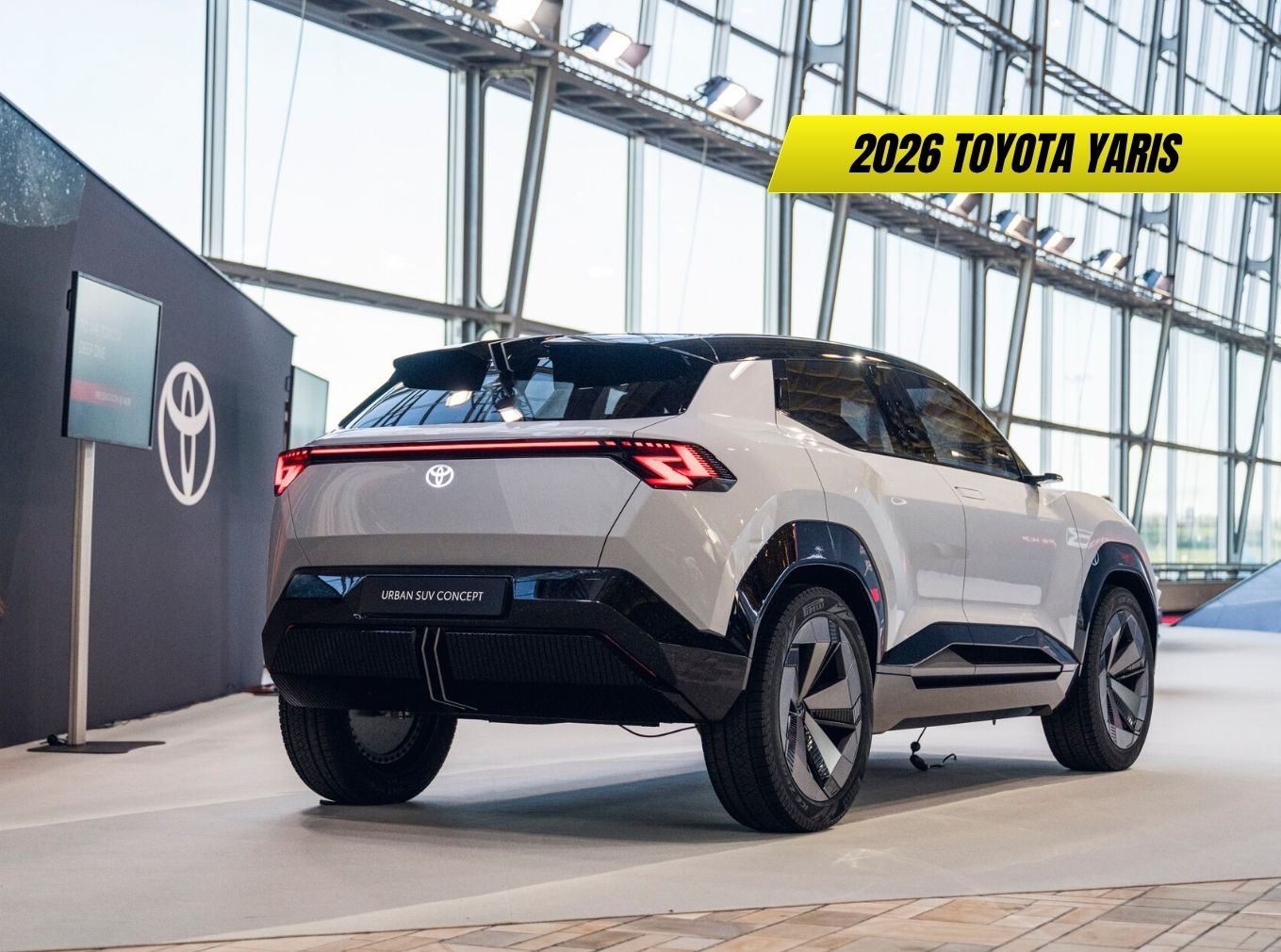
2026 Toyota Yaris UK preview covering expected design changes, advanced hybrid technology, pricing predictions and market positioning for British buyers.
The 2026 Toyota Yaris represents a crucial evolution for one of Britain’s most successful compact hybrid vehicles, building upon the solid foundation established by the current fourth-generation model while incorporating advanced technologies and design refinements that position it for the next phase of UK market competition. As Toyota continues to lead the hybrid revolution in the B-segment, the upcoming 2026 model year promises significant enhancements in efficiency, technology integration, and driving dynamics that respond directly to evolving British consumer preferences.
With the current generation Yaris having established itself as a benchmark for hybrid efficiency and urban practicality since its 2020 launch, Toyota faces the challenge of maintaining this leadership position while addressing increasing competition from both traditional European manufacturers and emerging Chinese brands entering the UK market. The 2026 model year developments suggest Toyota’s commitment to continuous improvement through its kaizen philosophy, focusing on areas where British buyers have consistently demanded advancement.
Key Points
• Enhanced hybrid technology: Fifth-generation hybrid system with improved efficiency and performance, building on dual-hybrid strategy introduced in 2025
• Advanced safety features: Latest Toyota Safety Sense systems with enhanced detection capabilities and new intervention technologies
• Digital evolution: Upgraded infotainment and connectivity features including over-the-air updates and wireless smartphone integration
• Design refinement: Subtle styling updates maintaining Yaris’s distinctive character while improving aerodynamics and visual appeal
• Market positioning: Continued focus on UK urban driving requirements with enhanced performance options for changing buyer preferences
• Pricing strategy: Expected to maintain competitive positioning in £20,000-£25,000 range while offering increased value and technology
Understanding Toyota’s Evolution Strategy for the UK Market
The development of the 2026 Toyota Yaris reflects Toyota’s deep understanding of the rapidly changing UK automotive landscape, where environmental regulations, urban access restrictions, and shifting consumer preferences create both challenges and opportunities for compact vehicle manufacturers. Rather than pursuing radical redesign, Toyota’s approach emphasizes continuous refinement and technology integration that enhances the Yaris’s core strengths while addressing identified areas for improvement.
From my analysis of the current UK market dynamics, the 2026 Yaris positioning becomes particularly strategic as British buyers increasingly seek vehicles that combine environmental responsibility with genuine practicality and driving enjoyment. While competitors featured in our best family SUVs guide focus on size and versatility, Toyota’s approach emphasizes efficiency and urban optimization that aligns perfectly with UK driving patterns and infrastructure limitations.
The timing proves especially relevant as ULEZ expansions and Clean Air Zone implementations across British cities create increasing demand for vehicles that excel in urban environments while maintaining the flexibility for longer journeys. The Yaris’s established hybrid technology provides a foundation for addressing these requirements while the 2026 enhancements promise to strengthen its competitive position against both traditional European rivals and emerging alternatives.
No products found.
Hybrid Technology Advancement and Powertrain Evolution
The 2026 Toyota Yaris builds upon the successful dual-hybrid strategy introduced in the 2025 model year, offering both the established 114bhp system and the more powerful 129bhp configuration that incorporates elements of Toyota’s fifth-generation hybrid technology. This approach recognizes that UK buyers have diverse requirements, from maximum efficiency for urban commuting to enhanced performance for mixed driving conditions.
Enhanced Efficiency Developments: The refined hybrid systems for 2026 focus on improving real-world efficiency through better thermal management, reduced internal friction, and more sophisticated energy recovery systems. Toyota’s engineers have concentrated on areas where British driving conditions create specific challenges, including cold-weather operation and stop-start traffic performance that characterizes much of UK urban driving.
Battery Technology Improvements: The lithium-ion hybrid battery system receives updates focused on longevity and performance consistency, particularly important for UK buyers who typically retain vehicles longer than European averages. Improved cell chemistry and thermal management ensure consistent performance across the wide temperature ranges experienced in British climate conditions.
Performance Balance Optimization: The dual-hybrid approach allows Toyota to address the approximately 50% of B-segment buyers seeking to downsize from larger vehicles without sacrificing performance. The 129bhp system provides acceleration and responsiveness that matches or exceeds traditional petrol engines while maintaining the efficiency advantages that justify the hybrid premium.
| Hybrid System | Power Output | Efficiency Focus | Target Buyer |
|---|---|---|---|
| Standard 114bhp | 114bhp/85kW | Maximum efficiency | Urban commuters |
| Enhanced 129bhp | 129bhp/96kW | Performance balance | Downsizing buyers |
| Future development | 140bhp+ (expected) | Sport hybrid focus | Enthusiast segment |
| Pure electric mode | Extended range | City compliance | Zero emission zones |
Design Evolution and Aesthetic Refinement
The 2026 Toyota Yaris maintains the fundamental “Condensed and Agile” design philosophy that defines the current generation while incorporating subtle refinements that enhance both visual appeal and functional performance. Rather than pursuing dramatic changes that might alienate existing customers, Toyota’s approach focuses on evolutionary improvements that strengthen the model’s distinctive character.
Exterior Design Enhancements: Expected updates include refined front and rear lighting signatures, improved aerodynamic elements that support enhanced efficiency targets, and new wheel designs that balance style with rolling resistance optimization. The successful “athlete on starting blocks” stance remains central to the design language while details receive attention to improve both aesthetics and functionality.
Interior Technology Integration: The 2026 cabin evolution emphasizes improved smartphone connectivity and digital interface design while maintaining the practical, intuitive layout that British buyers consistently praise. Enhanced materials and build quality address areas where the current model faces criticism, particularly in higher trim levels where buyers expect premium feel to match pricing.
Color and Personalization Options: New exterior colors including the successful Forest Green introduced in 2025 demonstrate Toyota’s attention to British preferences for distinctive yet tasteful personalization options. The 2026 range expands these choices while maintaining strong resale values through careful selection of timeless options.
Compared to vehicles in our 20 best SUVs to buy in 2025 under 40k guide, the Yaris’s design approach prioritizes efficiency and urban practicality over dramatic styling statements, reflecting its core mission as an intelligent urban transport solution.
Advanced Safety Technology and Driver Assistance
The 2026 Toyota Yaris incorporates the latest generation Toyota Safety Sense systems with enhanced detection capabilities and new intervention technologies designed specifically for UK driving conditions. These improvements address real-world accident scenarios while reducing the stress associated with urban driving and parking.
Enhanced Detection Systems: New camera and radar systems provide increased range and wider detection areas, particularly valuable for UK driving conditions where narrow roads, cyclists, and complex urban environments create unique challenges. The improved systems can now detect motorcycles alongside pedestrians and cyclists, addressing a significant gap in current technology.
New Intervention Technologies: Acceleration Suppression and Proactive Driving Assist represent new approaches to accident prevention that learn from real-world UK accident data. These systems provide gentle intervention that helps drivers avoid common mistakes without being intrusive or annoying during normal driving.
Parking and Urban Assistance: Enhanced parking assistance and low-speed maneuvering support specifically address the tight spaces and complex environments common in British city centers. These features become increasingly valuable as urban densification continues across the UK.
Over-the-Air Updates: The ability to receive safety system updates remotely ensures the 2026 Yaris maintains current safety standards throughout its ownership life, providing long-term value that traditional systems cannot match.
The comprehensive safety package positions the Yaris ahead of many alternatives in our best cars under £25,000 guide, demonstrating Toyota’s commitment to making advanced safety accessible across their range rather than reserving it for premium models.
No products found.
Technology Integration and Connectivity Features
The 2026 Toyota Yaris embraces digital connectivity and smart features while maintaining the intuitive interface design that appeals to British buyers across all age groups. The technology integration focuses on enhancing the ownership experience rather than overwhelming users with unnecessary complexity.
Wireless Connectivity Solutions: Seamless smartphone integration through wireless Apple CarPlay and Android Auto eliminates the cable management issues that British users consistently cite as frustrations with current systems. The wireless charging pad supports devices of various sizes while maintaining safe placement during dynamic driving.
Digital Dashboard Evolution: The customizable digital instrument display provides information clearly while allowing personalization to match individual preferences. Multiple display themes and information layouts ensure the system remains useful for drivers with different priorities and usage patterns.
Over-the-Air Capability: Software updates for both multimedia functions and safety features can be downloaded and installed conveniently, eliminating the service center visits traditionally required for system updates. This capability becomes increasingly valuable as regulatory requirements and feature capabilities evolve.
Cloud Services Integration: Enhanced navigation with real-time traffic data, charging point information for hybrid optimization, and predictive maintenance scheduling provide genuine utility without requiring separate subscriptions or complicated setup procedures.
The technology approach contrasts with the complexity often found in vehicles from our diesel SUVs guide, prioritizing ease of use and practical functionality over impressive feature lists that may prove difficult to use in real-world conditions.
Market Positioning and Competitive Analysis
The 2026 Toyota Yaris enters an increasingly competitive UK B-segment where traditional European manufacturers face challenges from both premium brands moving downmarket and Chinese manufacturers offering high-specification alternatives at aggressive prices. Toyota’s strategy emphasizes proven reliability, advanced hybrid technology, and strong dealer support rather than competing purely on specification or pricing.
Competitive Strengths: The Yaris’s established reputation for reliability and efficiency provides competitive advantages that specification sheets cannot capture. UK buyers consistently value these characteristics over maximum power or luxury features, particularly when considering total cost of ownership including depreciation, maintenance, and fuel costs.
Pricing Strategy: Expected pricing maintains the current range structure while providing increased value through enhanced technology and improved efficiency. The strategy acknowledges that B-segment buyers are increasingly price-sensitive while demanding modern features and environmental credentials.
Dealer Network Advantages: Toyota’s extensive UK dealer network provides service and support advantages over newer market entrants, particularly important for buyers who plan to maintain their vehicles long-term. The established parts supply chain and technician training programs ensure consistent service quality nationwide.
Brand Perception Benefits: Toyota’s hybrid leadership and reliability reputation provide intangible benefits that influence purchase decisions beyond rational specification comparisons. These advantages become more valuable as the market includes increasing numbers of unfamiliar brands and technologies.
Against alternatives featured in our best Chinese SUVs in the UK market guide, the Yaris offers proven technology and local support that offset potential specification or pricing disadvantages from newer competitors.
Predicted Pricing and Value Proposition
The 2026 Toyota Yaris pricing strategy balances the need to remain competitive in an increasingly price-sensitive segment while reflecting the enhanced technology and improved efficiency that justify hybrid premiums. Expected pricing maintains accessibility for traditional B-segment buyers while providing clear value progression through the trim structure.
Entry-Level Positioning: The base hybrid model likely starts around £22,000, positioning it competitively against conventional petrol alternatives while highlighting the efficiency advantages that reduce total ownership costs. This pricing makes hybrid technology accessible to buyers who might otherwise choose less efficient alternatives.
Mid-Range Value Focus: Popular mid-range trims around £24,000-£25,000 provide comprehensive equipment and technology that matches or exceeds alternatives while maintaining the efficiency and reliability advantages that define Toyota’s value proposition. These specifications target the volume market where most purchase decisions occur.
Premium Trim Strategy: Top-specification models approaching £27,000 compete against entry-level premium brands while offering superior efficiency and potentially better equipment levels. The strategy acknowledges that some B-segment buyers seek luxury features without compromising on running costs.
Total Cost Considerations: Lower depreciation, reduced maintenance requirements, and superior fuel efficiency often make the Yaris less expensive to own than cheaper alternatives when calculated over typical UK ownership periods of 4-6 years.
| Trim Level | Expected Price | Key Features | Target Buyer |
|---|---|---|---|
| Icon | £22,000 | Essential hybrid, safety tech | First-time hybrid buyers |
| Design | £24,000 | Enhanced comfort, connectivity | Mainstream market |
| Excel | £26,000 | Premium features, performance | Quality-focused buyers |
| GR Sport | £27,500 | Sporty styling, dynamics | Enthusiast segment |
Future Development Roadmap and Market Implications
The 2026 Toyota Yaris represents an important step in Toyota’s broader electrification strategy for the UK market, serving as a bridge between current hybrid technology and future pure electric solutions while maintaining the practicality and affordability that British buyers demand from B-segment vehicles.
Electrification Progression: While the 2026 model focuses on hybrid refinement, Toyota’s roadmap suggests pure electric variants will become available as UK charging infrastructure and buyer acceptance reach appropriate levels. The current hybrid experience provides valuable preparation for this transition.
Technology Transfer: Developments in the Yaris often influence Toyota’s broader UK range, with successful innovations appearing in larger models and contributing to the brand’s overall competitiveness. The 2026 features likely preview technologies that will define Toyota’s approach across multiple segments.
Market Evolution Response: The Yaris’s evolution reflects Toyota’s response to changing UK market conditions including environmental regulations, urban access restrictions, and shifting buyer demographics. These factors will continue influencing future development priorities.
Production Considerations: Potential UK production of performance models like the GR Corolla suggests Toyota’s continued commitment to British manufacturing, which could influence future Yaris production decisions and model availability for UK buyers.
The strategic importance extends beyond the model itself to Toyota’s position in the rapidly evolving UK automotive landscape, where hybrid expertise and efficient urban vehicles become increasingly valuable assets.
Frequently Asked Questions
When will the 2026 Toyota Yaris be available to order in the UK and what are the key changes from current models?
The 2026 Toyota Yaris model year is expected to arrive in UK showrooms during early 2026, with order books likely opening in late 2025. Key changes focus on enhanced hybrid efficiency, improved safety technology including advanced Toyota Safety Sense systems, upgraded infotainment with wireless connectivity, and refined styling details. Rather than a complete redesign, the 2026 updates represent Toyota’s continuous improvement philosophy applied to areas where customers have requested enhancements.
How will the hybrid technology improve and what fuel economy should UK buyers expect?
The 2026 Yaris builds upon the successful dual-hybrid strategy with refined versions of both the 114bhp and 129bhp systems, incorporating elements of Toyota’s fifth-generation hybrid technology. Expected improvements include better cold-weather operation important for UK conditions, enhanced urban efficiency, and improved performance integration. Real-world fuel economy should exceed the current excellent figures, with the standard system potentially achieving 65-70mpg in mixed UK driving conditions.
What will the 2026 Yaris cost compared to current models and key competitors?
Expected pricing maintains competitive positioning with the entry-level hybrid model starting around £22,000, mid-range trims at £24,000-£25,000, and premium specifications reaching £27,000. This represents modest increases over current pricing while providing enhanced value through improved technology and efficiency. The pricing strategy targets mainstream buyers seeking hybrid benefits without premium pricing, competing effectively against both conventional petrol alternatives and emerging electric vehicles.
Will there be a fully electric Yaris variant available for UK buyers in 2026?
While Toyota has not confirmed a pure electric Yaris for 2026, the company’s electrification roadmap suggests this development is likely as UK infrastructure and market acceptance continue growing. The current hybrid technology provides excellent preparation for electric transition, and Toyota’s broader EV strategy indicates pure electric B-segment models will arrive when market conditions support successful implementation. The 2026 hybrid models serve as an excellent interim solution.
How does the 2026 Yaris compare to Chinese competitors entering the UK market?
The 2026 Yaris competes through proven reliability, established dealer support, and advanced hybrid technology rather than maximum specifications or aggressive pricing. While Chinese alternatives may offer impressive feature lists, the Yaris provides advantages in build quality consistency, service network coverage, and long-term value retention that UK buyers traditionally prioritize. The hybrid expertise also provides efficiency advantages that pure petrol competitors cannot match.
What safety improvements can UK buyers expect in the 2026 model?
The 2026 Yaris incorporates latest-generation Toyota Safety Sense systems with enhanced detection capabilities including motorcycle recognition, improved pedestrian and cyclist detection, and new intervention technologies like Acceleration Suppression and Proactive Driving Assist. These systems specifically address UK driving conditions including narrow roads, complex urban environments, and mixed traffic scenarios. Over-the-air update capability ensures the safety systems remain current throughout the ownership period.
How will Toyota’s UK dealer network support the enhanced technology in the 2026 Yaris?
Toyota’s extensive UK dealer network receives comprehensive training and equipment updates to support the enhanced technology in the 2026 Yaris, ensuring consistent service quality nationwide. The established parts supply chain and technical support systems provide advantages over newer market entrants, particularly important for hybrid system maintenance and software updates. Remote diagnostic capabilities and over-the-air updates reduce the need for routine service visits while maintaining system performance.
Conclusion
The 2026 Toyota Yaris represents a thoughtful evolution of one of the UK’s most successful hybrid vehicles, demonstrating Toyota’s commitment to continuous improvement while maintaining the core characteristics that have made the model so appealing to British buyers. Rather than pursuing dramatic changes that might compromise proven strengths, the 2026 enhancements focus on areas where technology advancement can provide genuine benefits to UK driving conditions and customer requirements.
From my analysis, the 2026 Yaris succeeds most effectively by strengthening its position as the intelligent choice for UK urban driving while expanding appeal to buyers seeking enhanced performance without sacrificing efficiency. The refined hybrid technology, advanced safety features, and improved connectivity address the most common requests from current owners while maintaining the reliability and practicality that define the model’s character.
The timing proves particularly strategic for the UK market, where environmental regulations and urban access restrictions increasingly favor efficient vehicles while growing familiarity with hybrid technology reduces barriers to adoption. The Yaris’s established position provides advantages that newer competitors cannot easily replicate, particularly in areas like dealer support, parts availability, and proven long-term reliability.
Looking ahead, the 2026 Yaris serves as an important bridge toward Toyota’s broader electrification strategy while maintaining accessibility and practicality for buyers not yet ready for pure electric vehicles. Whether targeting first-time hybrid buyers, urban commuters, or environmentally conscious families, the 2026 model offers a compelling combination of proven technology and modern refinement.
For comprehensive information about Toyota’s current hybrid range and dealer network, visit Toyota UK’s official website. The Society of Motor Manufacturers and Traders provides valuable insights into UK market trends and environmental regulations affecting vehicle choice decisions.





