
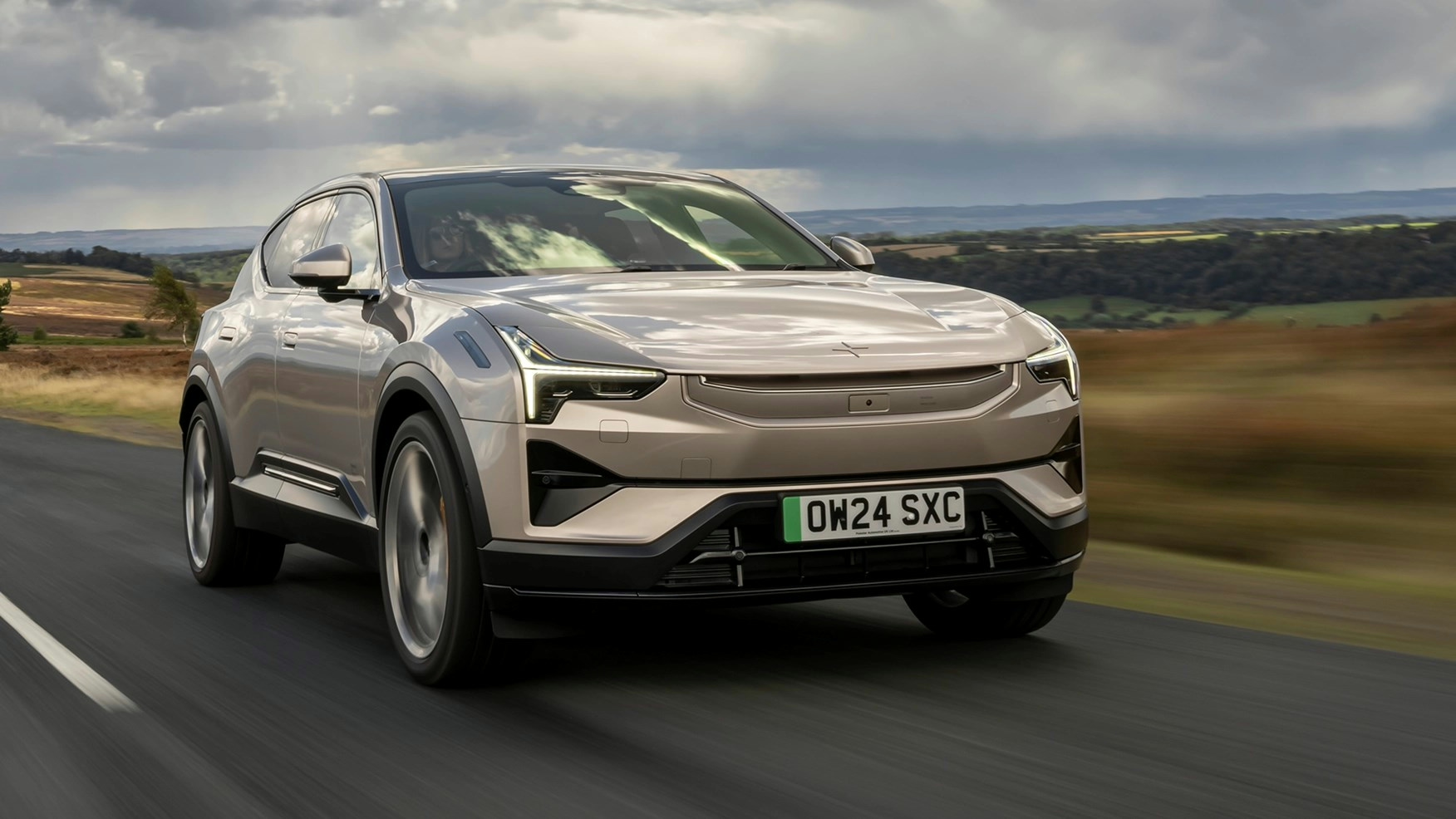
Discover how full hybrid electric SUVs in 2025 are revolutionizing the UK automotive scene with cutting-edge technology, impressive fuel efficiency, and innovative design. Learn everything you need to know about the future of sustainable driving in our comprehensive guide.
Introduction: The New Era of Hybrid Mobility
The year 2025 promises to reshape the automotive landscape in the UK, thanks to the advent of full hybrid electric SUVs. In a time when sustainability meets performance, these vehicles are rapidly becoming the go-to choice for drivers who demand efficiency without sacrificing excitement. Imagine zipping through city streets, enjoying an instant surge of power from an electric motor, then seamlessly transitioning to a combustion engine for longer journeys—all while reducing emissions and saving on fuel costs. Sounds like the perfect blend of green technology and driving pleasure, right?
In the UK, where environmental regulations tighten and consumer expectations rise, full hybrid SUVs have emerged as a beacon of innovation. They combine the best features of traditional internal combustion engines with the eco-friendly benefits of electric propulsion. This fusion not only minimizes carbon emissions but also offers an adaptive driving experience tailored to the urban hustle and motorway cruising alike.
The Technology Behind Full Hybrid SUVs
What Is a Full Hybrid SUV?
Full hybrid SUVs are vehicles that use both an internal combustion engine and one or more electric motors. Unlike mild hybrids, full hybrids can operate in pure electric mode for short distances—ideal for city driving—and then seamlessly switch to a combination of power sources when needed. Key features include:
- Dual Power Sources:
- Electric motors provide instantaneous torque for quick acceleration.
- Combustion engines kick in for extended journeys and high-speed driving.
- Energy Recovery Systems:
- Regenerative braking converts kinetic energy into stored battery power.
- Intelligent Energy Management:
- Advanced software optimizes energy distribution based on driving conditions.
Innovations and Advantages
The technological innovations in full hybrid SUVs for 2025 are nothing short of remarkable:
- Advanced Electric Motors:
Compact and powerful, they ensure immediate responsiveness. - Next-Generation Batteries:
With higher energy density and faster charging times, these batteries extend the vehicle’s electric-only range. - Smart Software:
Integrates sensor data and driver inputs to dynamically switch between power sources, enhancing efficiency and performance.
Design and Aesthetics: A Blend of Form and Function
Striking Exteriors
Full hybrid SUVs in 2025 aren’t just about efficiency—they’re also designed to turn heads. Manufacturers are pushing boundaries with bold, futuristic styling that’s as functional as it is attractive.
- Aerodynamic Lines:
Sleek curves and sculpted profiles reduce drag and improve fuel efficiency. - Modern Lighting:
LED headlamps and signature lighting elements create a distinct, modern look. - Premium Finishes:
High-quality materials and sophisticated details underline the vehicle’s advanced engineering.
Luxurious and Connected Interiors
Inside, full hybrid SUVs offer a harmonious blend of comfort, technology, and style:
- Spacious Cabins:
Ergonomically designed seating with premium upholstery ensures comfort on long journeys. - State-of-the-Art Infotainment:
Touchscreen interfaces, smartphone connectivity (Apple CarPlay and Android Auto), and voice-activated controls make every drive enjoyable. - Digital Dashboards:
Fully digital instrument clusters display real-time data, including fuel economy, battery status, and navigation cues.
Performance and Driving Dynamics: Thrill Meets Efficiency
Instant Acceleration and Smooth Power Delivery
One of the biggest selling points of full hybrid SUVs is their impressive performance:
- Instant Torque:
The electric motor provides immediate power, making quick starts a breeze. - Seamless Transitions:
Switching between electric and combustion modes is nearly imperceptible, ensuring a smooth ride. - Multiple Driving Modes:
Options like Eco, Normal, and Sport allow drivers to tailor performance to their needs.
Handling and Stability
Modern full hybrid SUVs excel in handling, offering a refined driving experience whether navigating city traffic or cruising on the motorway.
- Adaptive Suspension:
Automatically adjusts to road conditions, delivering superior comfort and control. - All-Wheel Drive (AWD):
Enhances traction and stability, particularly in adverse weather conditions. - Advanced Safety Systems:
Integrated driver-assistance features like lane-keeping assist, adaptive cruise control, and automatic emergency braking bolster both safety and driving confidence.
Environmental Impact and Sustainability
Reducing Emissions
Full hybrid SUVs are designed with the environment in mind. They significantly reduce CO₂ emissions by maximizing electric-only driving in urban areas.
- Eco-Friendly Urban Driving:
Zero tailpipe emissions when operating in electric mode. - Improved Fuel Efficiency:
Optimized energy use results in lower fuel consumption, reducing both operating costs and environmental impact.
Government Incentives and Future Trends
The UK government is actively promoting green mobility through various incentives:
- Subsidies and Tax Benefits:
Buyers can benefit from grants, lower road taxes, and exemptions from congestion charges. - Expanding Charging Infrastructure:
A rapidly growing network of public and private charging stations supports the transition to hybrid and electric vehicles. - Regulatory Pressure:
Stricter emissions standards are driving manufacturers to invest in cleaner technologies, ensuring that full hybrid SUVs remain at the forefront of sustainable mobility.
Comparative Analysis: Full Hybrid vs. Mild Hybrid vs. Pure Electric
To truly appreciate the value of full hybrid SUVs, it helps to compare them with other propulsion systems:
| Feature | Full Hybrid 2025 | Mild Hybrid | Pure Electric |
|---|---|---|---|
| Electric-Only Range | High, with significant EV mode capability | Limited, only assists the engine | Complete, determined by battery capacity |
| Acceleration | Instant torque, seamless power delivery | Moderate assistance, less responsive | Exceptionally fast, but range can be a limiting factor |
| Fuel Economy | Superior, optimized by intelligent management | Moderate improvement over conventional engines | Zero fuel consumption (but dependent on electricity cost) |
| Cost of Ownership | Lower long-term costs due to fuel savings and fewer repairs | Slightly reduced maintenance costs | Low running costs, but higher initial investment |
| Environmental Impact | Significantly reduced emissions, eco-friendly urban driving | Some reduction, but limited by engine usage | Zero tailpipe emissions, but battery production impacts must be considered |
In essence, full hybrid SUVs offer a balanced compromise—delivering excellent performance, robust fuel economy, and reduced emissions—making them an ideal choice for drivers seeking both power and sustainability.
Frequently Asked Questions (FAQs)
What are the key advantages of full hybrid SUVs over other powertrains?
They combine the best of both worlds: the responsiveness of electric motors with the range of combustion engines, resulting in lower emissions, improved fuel economy, and a versatile driving experience.
Can full hybrid SUVs operate in pure electric mode?
Yes, many full hybrids allow limited pure electric driving, especially in city traffic, which helps reduce emissions and save fuel.
How do full hybrid SUVs perform in stop-and-go traffic?
Thanks to instant torque and regenerative braking, they excel in urban environments, providing smooth and efficient operation even in heavy traffic.
Are there government incentives for buying full hybrid SUVs in the UK?
Absolutely. Various subsidies, tax breaks, and congestion charge exemptions are available, making them a financially attractive option.
What are the long-term battery durability expectations for full hybrid SUVs in 2025?
Battery durability remains a crucial factor for full hybrid SUVs in the UK market. The latest generation of hybrid vehicles incorporates advanced lithium-ion battery technology, which is engineered to withstand the rigors of daily driving while offering improved longevity. Manufacturers are now targeting a lifespan of 8 to 10 years for these batteries, with a degradation rate of less than 20% over their usable life. This improvement is largely due to innovations in battery management systems that monitor temperature, charge cycles, and energy output.
Key Benefits:
- Cost Efficiency:
With longer battery life, owners face fewer replacement costs, reducing the overall cost of ownership. - Warranty Enhancements:
Many manufacturers now offer extended warranties specifically covering battery performance, often up to 8 years, ensuring peace of mind. - Sustainable Performance:
A well-maintained battery ensures consistent fuel economy and performance, critical for both city and motorway driving.
Table: Battery Durability Comparison
| Battery Technology | Expected Lifespan | Degradation Rate |
|---|---|---|
| Full Hybrid 2025 (Advanced Li-ion) | 8-10 years | < 20% |
| Previous Generation Hybrids | 5-7 years | 25-30% |
| Some 100% Electric Models | 7-9 years | 20-25% |
Overall, the durability improvements mean that full hybrid SUVs are not only more reliable but also offer a lower long-term cost of ownership, making them an attractive option for UK consumers looking for a sustainable yet practical vehicle.
How do maintenance costs for full hybrid SUVs compare to those of conventional petrol/diesel vehicles in the UK?
Maintenance costs are a significant consideration for UK drivers when choosing a vehicle. Full hybrid SUVs tend to have lower maintenance costs compared to conventional petrol or diesel models. This advantage stems from the reduced wear and tear on the engine and braking system due to the dual-power setup. For example, the regenerative braking system in full hybrids reduces the frequency of brake pad replacements. Additionally, full hybrid systems generally have fewer moving parts than traditional internal combustion engines, which translates to fewer mechanical failures and lower service costs over the vehicle’s lifetime.
Key Points:
- Reduced Engine Wear:
The electric motor assists the combustion engine, lessening its workload and extending its service intervals. - Brake Longevity:
Regenerative braking systems minimize friction wear, leading to longer-lasting brake components. - Optimized Service Schedules:
Manufacturers often offer maintenance packages tailored to hybrids, which are typically more cost-effective than those for conventional vehicles. Table: Annual Maintenance Cost Comparison
| Vehicle Type | Annual Maintenance Cost (€) | Comments |
|---|---|---|
| Full Hybrid SUV 2025 | 400-600 | Lower due to optimized systems |
| Conventional Petrol/Diesel | 600-900 | Higher due to more frequent repairs |
| 100% Electric Vehicle | 300-500 | Fewer moving parts, but variable |
In summary, the lower maintenance costs combined with improved fuel efficiency make full hybrid SUVs an economically attractive choice for drivers in the UK, especially when considering the overall cost of ownership.
What government grants and incentives are available in the UK for purchasing a full hybrid SUV?
The UK government has been actively encouraging the adoption of environmentally friendly vehicles by offering a range of grants and incentives. For full hybrid SUVs, these measures can significantly reduce the upfront cost and make the transition to greener mobility more attractive.
Incentives include:
- Plug-in Car Grant:
While originally aimed at plug-in hybrids, some full hybrids also qualify for partial funding, reducing the purchase price. - Reduced Road Tax:
Full hybrids benefit from lower vehicle excise duty (VED) rates due to their reduced emissions. - Congestion Charge Exemptions:
In cities like London, full hybrids may receive exemptions or discounts from congestion charges, providing considerable savings for urban drivers. - Local Authority Grants:
Certain regions offer additional incentives or rebates aimed at promoting sustainable transport solutions. Table: Financial Incentives Overview
| Incentive Type | Benefit Amount (€) | Eligibility Criteria |
|---|---|---|
| Plug-in Car Grant | 1,500 – 3,500 | Depends on CO₂ emissions and vehicle type |
| Reduced Road Tax | Varies | Based on emission bands |
| Congestion Charge Exemptions | Up to 11.50 per day | Applicable in designated urban zones |
| Local Authority Grants | 500 – 1,000 | Varies by region |
For consumers, these financial incentives not only lower the initial cost but also contribute to long-term savings through reduced running costs and tax benefits. The combination of government and local authority support has been a critical driver in increasing the adoption of full hybrid vehicles across the UK.
How does the fuel economy of full hybrid SUVs compare to that of 100% electric vehicles under real-world driving conditions?
Fuel economy is a top priority for many UK drivers, and comparing full hybrid SUVs to 100% electric vehicles (EVs) reveals some interesting insights. Full hybrids offer excellent fuel economy by intelligently switching between electric and combustion power, thereby reducing fuel consumption in city driving conditions. In contrast, 100% electric vehicles boast zero tailpipe emissions and lower operational costs but can experience range anxiety and longer charging times, particularly on long trips.
Key Comparison Points:
- City Driving:
Full hybrids excel in stop-and-go traffic by running predominantly on electric power, resulting in impressive fuel economy figures. - Highway Performance:
While 100% EVs maintain consistent performance, full hybrids benefit from the backup combustion engine during high-speed cruising, which can sometimes lead to slightly higher fuel consumption. - Real-World Variability:
The efficiency of full hybrids can vary depending on driving habits, traffic conditions, and the balance between electric and combustion modes. Table: Fuel Economy Comparison
| Vehicle Type | City Consumption (MPG or equivalent) | Highway Consumption (MPG or equivalent) |
|---|---|---|
| Full Hybrid SUV 2025 | Equivalent to 60-70 MPG | Equivalent to 50-60 MPG |
| 100% Electric Vehicle | Not measured in MPG; uses kWh/100 km | Not measured in MPG; uses kWh/100 km |
Benefits for the Driver:
- Flexibility:
Full hybrids provide a balance that is particularly beneficial for mixed driving conditions, offering excellent city mileage while avoiding the limitations of range anxiety. - Operational Savings:
Despite using a combustion engine on the highway, the overall reduction in fuel consumption combined with lower emissions makes full hybrids a cost-effective option. - Adaptability:
Intelligent energy management systems in full hybrids ensure that the vehicle automatically selects the most efficient mode based on current conditions.
Overall, while 100% EVs shine in terms of zero emissions and low running costs, full hybrid SUVs offer a more versatile solution for drivers who need a vehicle that performs efficiently across a range of driving scenarios, from urban centers to long motorway journeys.
What innovations in regenerative braking technology are featured in the latest full hybrid SUVs?
Regenerative braking technology is a cornerstone of full hybrid systems, enabling vehicles to recapture energy that would otherwise be lost during deceleration. The latest full hybrid SUVs in 2025 incorporate cutting-edge regenerative braking systems that are more efficient and responsive than ever before.
Key Innovations Include:
- Enhanced Energy Recovery:
Modern systems can recover up to 20-25% of the kinetic energy during braking, significantly extending the battery’s charge and improving overall efficiency. - Seamless Integration:
The regenerative braking system works in harmony with traditional friction brakes, ensuring a smooth and controlled deceleration without compromising safety. - Intelligent Control Systems:
Advanced algorithms continuously adjust the braking force to optimize energy recovery based on driving conditions, speed, and battery state-of-charge. Table: Regenerative Braking Efficiency Comparison
| System Type | Energy Recovery Efficiency (%) | Key Features |
|---|---|---|
| Latest Full Hybrid 2025 | 20-25 | Intelligent control, seamless integration |
| Previous Generation Hybrids | 10-15 | Basic recovery, less adaptive |
| Conventional Braking Systems | 0 (no recovery) | Solely friction-based |
Benefits for the Driver:
- Improved Fuel Economy:
More energy recovered means less reliance on the combustion engine, lowering fuel consumption and reducing emissions. - Extended Range:
In urban environments where frequent braking is common, effective regenerative braking extends the electric-only range of the vehicle. - Enhanced Driving Experience:
Drivers benefit from a smoother deceleration process, which contributes to overall comfort and stability during stop-and-go traffic.
In essence, the latest regenerative braking systems not only boost efficiency but also play a vital role in creating a more sustainable driving experience by recovering valuable energy that would otherwise be wasted.
What do UK drivers say about urban driving experiences in full hybrid SUVs?
UK drivers consistently praise full hybrid SUVs for their outstanding performance in urban settings. Feedback from city dwellers highlights several key aspects of the driving experience.
Common Observations:
- Instantaneous Response:
The electric motor’s immediate torque delivery is particularly appreciated during frequent stops and starts, typical of congested city traffic. - Smooth, Quiet Operation:
Drivers report that the transition between electric and combustion modes is virtually imperceptible, leading to a quieter, more comfortable ride. - Fuel Efficiency:
With the ability to operate in pure electric mode for short distances, these vehicles significantly reduce fuel costs and lower emissions—a major plus for environmentally conscious urbanites. Table: Urban Driving Experience Feedback
| Aspect | Full Hybrid SUV 2025 Feedback | Conventional Petrol/Diesel Feedback |
|---|---|---|
| Acceleration | Immediate and smooth | Slower, with noticeable engine lag |
| Noise Levels | Exceptionally quiet | Higher noise levels, engine sounds evident |
| Fuel Efficiency in City | Outstanding, thanks to EV mode | Less efficient, higher fuel consumption |
Driver Benefits:
- Reduced Stress:
The smooth operation and quiet cabin contribute to less driving fatigue, making urban commutes more pleasant. - Economic Savings:
The improved fuel efficiency results in tangible savings on running costs, which is particularly valuable given the high costs of city driving. - Enhanced Safety:
Advanced driver-assistance systems integrated into these vehicles help manage urban challenges, such as heavy traffic and frequent stop-and-go conditions.
Overall, UK drivers appreciate the full hybrid SUV’s ability to adapt seamlessly to urban driving demands, providing a blend of efficiency, comfort, and performance that outshines traditional vehicles.
How do full hybrid systems adjust to seasonal weather changes in the UK, especially during winter?
Adapting to the variable UK climate is critical, and full hybrid systems in 2025 have been engineered with robust features to handle seasonal challenges.
Core Adjustments Include:
- Thermal Management Systems:
Advanced cooling and heating systems ensure that both the combustion engine and the battery operate efficiently even in colder temperatures. - Optimized Energy Distribution:
Intelligent control algorithms adjust the power split between electric and combustion modes depending on ambient temperature and road conditions. - Enhanced Traction Control:
Many full hybrids come equipped with all-wheel drive (AWD) and stability control systems that enhance grip and handling on wet or icy roads. Table: Seasonal Adaptation Features
| Feature | Full Hybrid 2025 | Conventional Vehicles | 100% Electric Vehicles |
|---|---|---|---|
| Thermal Management | Advanced, automatic | Basic, less adaptive | Good, but sensitive to extremes |
| Traction Control | Integrated AWD & ESC | Standard | Variable, model-dependent |
| Energy Optimization in Cold | Intelligent power split | Less efficient | Often reduced range in cold |
Benefits for the Driver:
- Reliable Performance:
Even in harsh winter conditions, full hybrid SUVs maintain consistent performance, ensuring safety and comfort. - Efficient Energy Use:
Adjustments in energy management reduce the impact of cold weather on fuel economy and battery performance. - Enhanced Safety:
With robust traction and stability systems, drivers experience improved handling on slippery roads, boosting overall confidence in adverse weather.
In summary, full hybrid systems are well-equipped to handle the seasonal weather challenges in the UK, offering drivers a reliable, efficient, and safe driving experience throughout the year.
What connectivity and infotainment features distinguish full hybrid SUVs from their competitors?
Connectivity and infotainment have become must-have features for modern vehicles, and full hybrid SUVs in 2025 are leading the way in this arena.
Key Features Include:
- High-Resolution Touchscreens:
Easy-to-use interfaces that integrate seamlessly with smartphones through Apple CarPlay and Android Auto. - Real-Time Navigation:
Advanced GPS systems provide live traffic updates, route optimization, and weather alerts, all of which enhance the driving experience. - Voice Control and Smart Assistants:
Allow drivers to control various functions hands-free, ensuring safety and convenience. - Over-The-Air Updates:
Ensure that the infotainment system remains up-to-date without needing to visit a dealer. Table: Infotainment Features Comparison
| Feature | Full Hybrid SUV 2025 | Competitor A | Competitor B |
|---|---|---|---|
| Touchscreen Interface | High-resolution, intuitive | Moderate quality | High but less user-friendly |
| Smartphone Integration | Fully compatible (CarPlay/Android Auto) | Limited integration | Comprehensive, with some delays |
| OTA Updates | Regular and seamless | Occasional | Rare |
Driver Benefits:
- Enhanced User Experience:
The intuitive interface minimizes distraction and improves overall driving satisfaction. - Increased Convenience:
Real-time updates and voice control features allow for hands-free operation, making it easier to stay connected on the go. - Customization Options:
Many systems allow users to personalize their infotainment setup, tailoring the experience to their preferences.
In essence, the connectivity and infotainment features in full hybrid SUVs provide a significant edge over competitors, ensuring that drivers enjoy a modern, integrated, and highly convenient digital experience every time they hit the road.
What manufacturing strategies are being implemented to further reduce the environmental footprint of full hybrid SUVs?
Manufacturers are not only innovating in vehicle technology but also adopting sustainable practices throughout the production process.
Key Strategies Include:
- Use of Recycled Materials:
Incorporating recycled plastics, metals, and eco-friendly fabrics in both the exterior and interior components. - Energy-Efficient Production Techniques:
Implementing lean manufacturing processes and renewable energy sources in factories to reduce overall carbon emissions. - Waste Reduction Initiatives:
Optimizing production lines to minimize waste, reuse by-products, and recycle scrap materials. - Sustainable Supply Chain Management:
Working with suppliers who adhere to strict environmental standards, ensuring that every part of the vehicle is produced responsibly. Table: Sustainability Strategies in Manufacturing
| Strategy | Environmental Impact | Economic Benefits |
|---|---|---|
| Recycled Materials Usage | Reduces waste and resource use | Lowers material costs long-term |
| Energy-Efficient Production | Cuts carbon emissions | Lowers energy expenses |
| Waste Reduction Programs | Minimizes landfill contribution | Enhances overall operational efficiency |
| Sustainable Supply Chains | Promotes eco-friendly practices | Strengthens brand reputation |
Benefits for Consumers:
- Eco-Friendly Vehicles:
Cars produced with these strategies offer a reduced environmental footprint, appealing to environmentally conscious buyers. - Potential Cost Savings:
Lower production costs can eventually translate to more competitive pricing for the end user. - Enhanced Brand Image:
Manufacturers investing in sustainable practices often gain consumer trust and loyalty.
Overall, these manufacturing strategies not only help in reducing the environmental impact of full hybrid SUVs but also add economic value and enhance the brand’s image in a market increasingly driven by sustainability.
How does the resale value and depreciation of full hybrid SUVs compare to other vehicle types in the UK?
Resale value and depreciation are key factors for many UK buyers, and full hybrid SUVs have shown promising trends in these areas.
Critical Factors Influencing Resale:
- Advanced Technology:
Full hybrid systems, with their cutting-edge energy management and reduced wear on components, tend to hold their value better than conventional vehicles. - Fuel Efficiency and Environmental Benefits:
As fuel prices rise and environmental concerns become more important, vehicles with lower running costs and emissions maintain higher demand in the used car market. - Market Trends:
The growing popularity of eco-friendly cars in the UK supports stronger resale values for full hybrids compared to petrol/diesel models. Table: Estimated Resale Value Comparison
| Vehicle Type | Estimated Residual Value (%) | Comments |
|---|---|---|
| Full Hybrid SUV 2025 | 65-75% | Lower depreciation due to technology appeal |
| Conventional Vehicle | 50-65% | Higher depreciation from increased wear |
| 100% Electric Vehicle | 60-70% | Varies with battery life and market demand |
Benefits for the Owner:
- Higher Investment Return:
A slower depreciation rate means a better return if the vehicle is resold. - Market Demand:
Eco-friendly vehicles tend to attract more buyers, further boosting resale value. - Long-Term Financial Security:
Maintaining a high residual value mitigates the risk of rapid depreciation, ensuring that the car remains a sound investment.
In conclusion, full hybrid SUVs in the UK exhibit a more favorable resale value compared to many conventional vehicles, making them an attractive option for buyers who plan to keep or eventually resell their vehicle.
Conclusion: The Hybrid Future is Here
Full hybrid SUVs in 2025 are more than just vehicles—they’re a symbol of innovation and environmental stewardship. With their advanced technology, sleek design, and superb performance, they’re set to transform the way we drive in the UK. Whether you’re navigating bustling city streets or cruising the open motorway, these hybrids offer a unique blend of efficiency, power, and eco-friendliness. The future of mobility is hybrid, and it’s arriving faster than you might think. Ready to embrace the change and drive into a greener future?





