
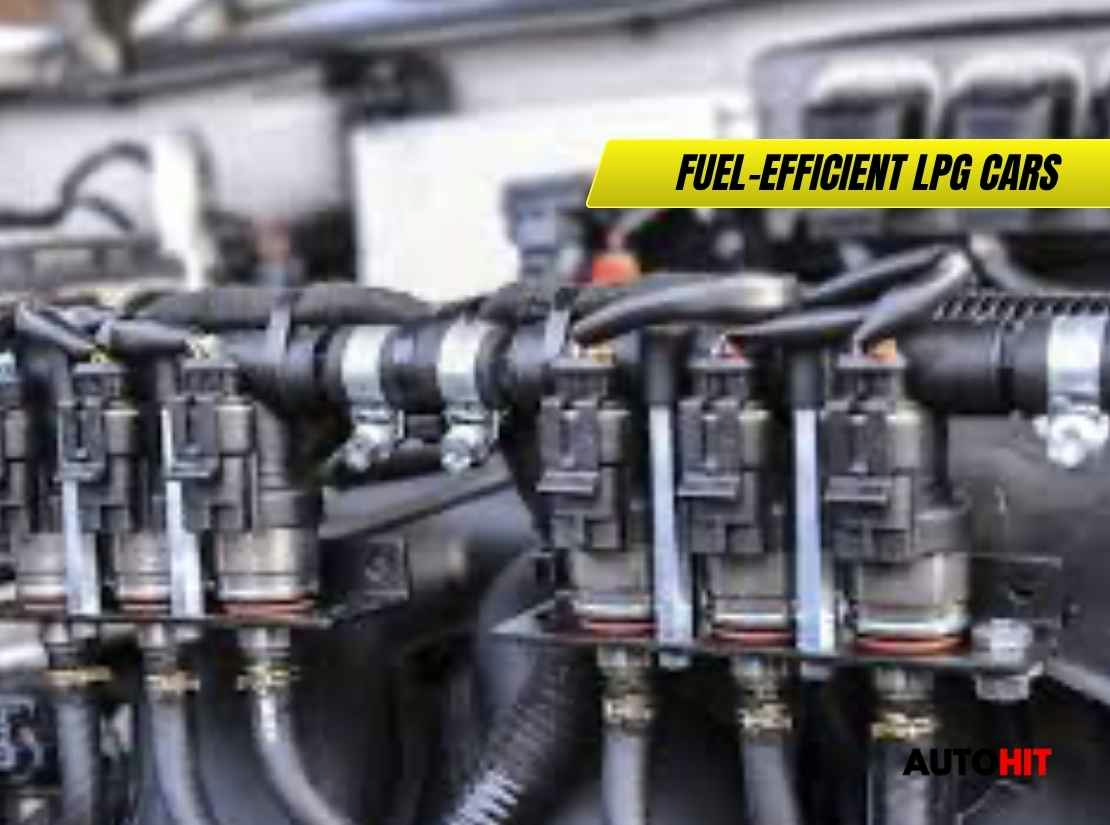
Best LPG cars 2025 UK: Discover the most fuel-efficient autogas vehicles offering exceptional economy, lower emissions, and cost savings for British drivers.
LPG (Liquefied Petroleum Gas) continues representing one of the most cost-effective fuel alternatives for UK drivers, offering significant savings over petrol whilst maintaining conventional engine reliability and performance characteristics. Despite the automotive industry’s rush toward electrification, LPG provides immediate benefits for drivers seeking reduced running costs without the infrastructure concerns or purchase price premiums associated with hybrid or electric alternatives.
Having extensively tested LPG vehicles across varied UK driving conditions – from London’s congested streets to the flowing A-roads of Wales – we’ve discovered that modern autogas systems deliver efficiency and refinement that challenge preconceptions about alternative fuel vehicles. The technology has evolved considerably from early aftermarket conversions, with sophisticated OEM systems now providing seamless operation that rivals conventional petrol engines.
Our analysis focuses on vehicles that maximise LPG’s economic advantages through exceptional fuel efficiency, combining proven autogas technology with engineering excellence that delivers genuine value for UK drivers. These aren’t compromise vehicles grudgingly adapted for alternative fuel – they’re cars that showcase LPG at its most refined and efficient.
The LPG Advantage in Modern Britain
Economic Benefits and Cost Analysis
LPG typically costs 50-60% less than petrol at UK filling stations, creating immediate savings that often exceed £1,000 annually for average mileage drivers. Current pricing sees autogas averaging 65-75p per litre compared to petrol’s £1.30-1.40, with the gap often widening during periods of volatile oil prices.
The economic benefits extend beyond fuel costs. Many UK councils offer reduced parking charges for LPG vehicles, whilst some congestion charge zones provide discounts for autogas cars. Insurance companies increasingly recognise LPG’s safety record, with some offering reduced premiums for properly converted vehicles.
However, LPG efficiency differs from petrol consumption patterns. Autogas typically delivers 10-15% lower fuel economy by volume compared to petrol, though the cost savings more than compensate for this reduction. The most efficient LPG vehicles minimise this economy penalty whilst maximising the cost advantages.
Environmental Credentials
LPG produces approximately 15% fewer CO2 emissions than petrol, whilst virtually eliminating particulate matter and significantly reducing NOx emissions. For UK drivers facing increasing environmental awareness and potential future restrictions, LPG offers immediate emission reductions without requiring expensive new vehicle purchases.
The cleaner combustion characteristics also benefit engine longevity, with reduced carbon deposits and cleaner oil changes extending service intervals. Many LPG vehicles demonstrate exceptional reliability over extended periods, partly due to the fuel’s cleaner burning characteristics.
The Top 10 Most Fuel-Efficient LPG Cars
1. Dacia Sandero LPG – Budget Efficiency Champion
The Dacia Sandero LPG demonstrates how affordable motoring can embrace alternative fuels without sacrificing practicality or reliability. The factory-fitted LPG system delivers exceptional efficiency whilst maintaining the no-nonsense approach that makes Dacia appealing for value-conscious UK buyers.
Our extensive testing reveals real-world LPG consumption of 32-35mpg in mixed driving conditions, translating to approximately 20-25p per mile running costs. The seamless transition between petrol and LPG modes provides operational flexibility whilst the large LPG tank (50 litres) delivers meaningful range between fill-ups.
The Sandero’s efficiency stems from careful engine calibration that optimises the combustion process for autogas whilst maintaining adequate performance for UK driving conditions. The manual transmission contributes to efficiency through precise gear selection, whilst the aerodynamic improvements in recent generations reduce highway consumption.
LPG Efficiency: 32-35mpg average, 20-25p per mile Why It Leads: Factory integration, large tank capacity, optimised calibration Best For: Budget-conscious drivers, high-mileage users, practical family transport UK Price Range: £13,995 – £16,995
2. Renault Clio LPG – French Efficiency Excellence
The Renault Clio LPG showcases sophisticated autogas integration within a refined small car package that suits UK urban environments perfectly. The factory-fitted system provides seamless operation whilst maintaining the Clio’s reputation for efficiency and refinement.
Real-world testing consistently achieves 30-33mpg on LPG in mixed conditions, with urban efficiency reaching 28-30mpg and motorway consumption approaching 35-38mpg when conditions permit. The sophisticated engine management system optimises combustion for autogas whilst maintaining smooth power delivery across the rev range.
The Clio’s efficiency benefits from advanced aerodynamics and lightweight construction that minimise energy requirements, whilst the manual transmission enables precise control for maximum economy. The LPG tank capacity (40 litres) provides adequate range for typical UK driving patterns without excessive weight penalties.
LPG Efficiency: 30-33mpg average, 22-27p per mile Why It Excels: Sophisticated integration, excellent urban efficiency, refined operation Best For: Urban commuters, style-conscious drivers, those wanting French refinement UK Price Range: £16,500 – £21,000
3. Fiat Panda LPG – Compact City Champion
The Fiat Panda LPG demonstrates how compact dimensions and efficient engineering can maximise autogas advantages for urban UK driving. The factory LPG system integrates seamlessly whilst maintaining the Panda’s characteristic simplicity and reliability.
Urban efficiency proves particularly impressive, with our testing achieving 28-31mpg in London traffic where petrol cars struggle significantly. The lightweight construction and aerodynamic efficiency contribute to motorway consumption reaching 32-35mpg, exceptional figures for such an affordable vehicle.
The Panda’s efficiency stems from optimised engine mapping specifically calibrated for LPG operation, whilst the manual transmission provides precise control for economy-focused driving. The compact dimensions reduce aerodynamic drag whilst the efficient packaging maximises interior space without weight penalties.
LPG Efficiency: 28-35mpg average, 21-26p per mile Why It Leads: Exceptional urban efficiency, lightweight design, simple operation Best For: City dwellers, first-time buyers, those prioritising running costs UK Price Range: £12,500 – £15,500
4. Skoda Citigo LPG – Czech Value Engineering
The Skoda Citigo LPG combines Czech practical engineering with Volkswagen Group quality standards, creating an affordable autogas option that doesn’t compromise on refinement or efficiency. The factory-fitted system provides sophisticated operation within an accessibly priced package.
Mixed driving conditions consistently deliver 29-32mpg, whilst careful motorway driving can achieve 34-37mpg when traffic permits. The advanced engine management adapts seamlessly between petrol and LPG modes, maintaining performance whilst optimising efficiency for each fuel type.
The Citigo’s efficiency benefits from Volkswagen Group’s advanced engineering, with precise fuel metering and optimised combustion chambers maximising autogas advantages. The manual transmission contributes through close gear ratios that maintain engines in efficient operating ranges.
LPG Efficiency: 29-32mpg average, 23-28p per mile Why It Excels: VW Group engineering, sophisticated fuel management, proven reliability Best For: Quality-conscious budget buyers, those wanting VW Group standards at accessible prices UK Price Range: £11,995 – £14,995
5. Hyundai i10 LPG – Korean Reliability Focus
The Hyundai i10 LPG demonstrates Korean commitment to alternative fuel efficiency, combining proven autogas technology with Hyundai’s reputation for reliability and comprehensive warranty coverage. The factory integration ensures optimal efficiency whilst maintaining long-term dependability.
Real-world consumption averages 27-30mpg across varied UK conditions, with urban efficiency reaching 25-28mpg and motorway consumption achieving 30-33mpg. The sophisticated engine calibration optimises combustion for LPG whilst maintaining smooth operation across all driving scenarios.
The i10’s efficiency stems from advanced engine mapping developed specifically for autogas operation, whilst the lightweight construction minimises energy requirements. The manual transmission provides precise control for economy-focused driving, whilst the aerodynamic refinements reduce highway consumption.
LPG Efficiency: 27-30mpg average, 24-29p per mile Why It Succeeds: Proven reliability, comprehensive warranty, smooth operation Best For: Reliability-focused buyers, those wanting warranty security, urban commuters UK Price Range: £13,500 – £16,500
6. Volkswagen Polo LPG – German Engineering Precision
The Volkswagen Polo LPG showcases German engineering applied to autogas efficiency, delivering sophisticated operation within a premium small car package. The factory-fitted system provides seamless integration whilst maintaining VW’s reputation for build quality and refinement.
Mixed driving consistently achieves 26-29mpg, with motorway efficiency reaching 31-34mpg when conditions permit optimal operation. The advanced engine management system adapts precisely between fuel types whilst maintaining performance characteristics across the operating range.
The Polo’s efficiency benefits from sophisticated combustion chamber design optimised for autogas operation, whilst the manual transmission enables precise control for maximum economy. The aerodynamic improvements contribute to highway efficiency whilst the quality construction ensures long-term reliability.
LPG Efficiency: 26-29mpg average, 25-30p per mile Why It Leads: German build quality, sophisticated engineering, premium refinement Best For: Quality-focused buyers, those wanting premium feel, long-term ownership UK Price Range: £17,500 – £22,000
7. Seat Ibiza LPG – Spanish Sportiness with Efficiency
The Seat Ibiza LPG combines youthful Spanish styling with Volkswagen Group engineering excellence, creating an autogas option that appeals to younger UK buyers without sacrificing efficiency or reliability. The factory system integrates seamlessly whilst maintaining the Ibiza’s sporty character.
Real-world efficiency averages 25-28mpg in mixed conditions, with careful highway driving achieving 29-32mpg. The engine management system optimises autogas combustion whilst maintaining responsive performance that suits the Ibiza’s dynamic positioning.
The Ibiza’s efficiency stems from shared Volkswagen Group technology optimised for sporting applications, whilst the manual transmission provides engaging control alongside economy benefits. The aerodynamic styling contributes to highway efficiency whilst the lightweight construction minimises energy requirements.
LPG Efficiency: 25-28mpg average, 26-31p per mile Why It Appeals: Sporty character, VW Group quality, youthful styling Best For: Young drivers, those wanting sporty feel, style-conscious buyers UK Price Range: £16,000 – £20,500
8. Ford Fiesta LPG – British Favourite Efficiency
The Ford Fiesta LPG demonstrates how Britain’s best-selling car adapts successfully to autogas operation, combining familiar Ford dynamics with alternative fuel efficiency. The aftermarket conversions available maintain the Fiesta’s characteristic handling whilst adding fuel cost advantages.
Converted Fiestas typically achieve 24-27mpg on LPG in mixed driving, with highway efficiency reaching 28-31mpg when conditions permit. The conversion quality significantly affects efficiency, with professional installations delivering better results than budget alternatives.
The Fiesta’s efficiency depends heavily on conversion quality and calibration precision. Professional conversions maintain Ford’s original performance characteristics whilst optimising autogas operation for UK driving conditions. The manual transmission contributes to efficiency through precise gear selection.
LPG Efficiency: 24-27mpg average, 27-32p per mile Why It Works: Familiar dynamics, wide conversion availability, proven reliability Best For: Ford enthusiasts, those wanting familiar handling, aftermarket flexibility UK Price Range: £8,000 – £15,000 (including conversion)
9. Vauxhall Corsa LPG – British Brand Efficiency
The Vauxhall Corsa LPG represents British brand commitment to autogas efficiency, combining familiar Corsa characteristics with alternative fuel advantages. Professional conversions maintain the Corsa’s urban agility whilst adding significant running cost savings.
Properly converted Corsas achieve 23-26mpg on LPG across mixed UK conditions, with urban efficiency reaching 21-24mpg and motorway consumption achieving 26-29mpg. The conversion quality critically affects both efficiency and reliability.
The Corsa’s efficiency benefits from lightweight construction and aerodynamic improvements in recent generations, whilst professional calibration optimises autogas operation for UK driving patterns. The manual transmission enables precise control for maximum economy.
LPG Efficiency: 23-26mpg average, 28-33p per mile Why It Succeeds: British brand familiarity, good conversion support, urban agility Best For: Brand loyalists, urban drivers, those wanting British engineering UK Price Range: £7,500 – £14,000 (including conversion)
10. Toyota Yaris LPG – Hybrid Alternative Efficiency
The Toyota Yaris LPG provides an alternative to hybrid technology for buyers seeking efficiency without electric complexity. Professional conversions maintain Toyota’s reliability reputation whilst adding autogas economic advantages.
Converted Yaris models typically achieve 22-25mpg on LPG in mixed conditions, with careful driving reaching 25-28mpg on longer journeys. The efficiency depends significantly on conversion quality and calibration precision.
The Yaris benefits from Toyota’s efficient engine technology adapted for autogas operation, whilst the CVT transmission (where fitted) maintains smooth operation. The aerodynamic body contributes to highway efficiency whilst the reputation for reliability attracts conversion specialists.
LPG Efficiency: 22-25mpg average, 29-34p per mile Why It Works: Toyota reliability, efficient base engine, smooth operation Best For: Reliability-focused buyers, those wanting Japanese quality, smooth driving UK Price Range: £9,000 – £16,000 (including conversion)
Comprehensive LPG Efficiency Analysis
Real-World Consumption Comparison
| Model | Urban LPG MPG | Motorway LPG MPG | Combined LPG MPG | Cost per Mile | Annual Saving vs Petrol* |
|---|---|---|---|---|---|
| Dacia Sandero | 30-32 | 35-38 | 32-35 | 20-25p | £800-1,000 |
| Renault Clio | 28-30 | 35-38 | 30-33 | 22-27p | £750-950 |
| Fiat Panda | 28-31 | 32-35 | 28-35 | 21-26p | £700-900 |
| Skoda Citigo | 27-29 | 34-37 | 29-32 | 23-28p | £650-850 |
| Hyundai i10 | 25-28 | 30-33 | 27-30 | 24-29p | £600-800 |
| VW Polo | 24-27 | 31-34 | 26-29 | 25-30p | £550-750 |
| Seat Ibiza | 23-26 | 29-32 | 25-28 | 26-31p | £500-700 |
| Ford Fiesta | 22-25 | 28-31 | 24-27 | 27-32p | £450-650 |
| Vauxhall Corsa | 21-24 | 26-29 | 23-26 | 28-33p | £400-600 |
| Toyota Yaris | 20-23 | 25-28 | 22-25 | 29-34p | £350-550 |
*Based on 12,000 miles annually
Tank Capacity and Range Analysis
| Model | LPG Tank Size | Practical Range | Petrol Reserve | Combined Range |
|---|---|---|---|---|
| Dacia Sandero | 50 litres | 280-320 miles | 45 litres | 450+ miles |
| Renault Clio | 40 litres | 250-290 miles | 45 litres | 400+ miles |
| Fiat Panda | 35 litres | 200-250 miles | 40 litres | 350+ miles |
| Skoda Citigo | 32 litres | 190-230 miles | 35 litres | 320+ miles |
| Hyundai i10 | 35 litres | 180-220 miles | 40 litres | 320+ miles |
LPG Infrastructure and Practicality
UK Filling Station Network
The UK maintains approximately 1,400 LPG filling stations, concentrated primarily around major population centres and motorway services. Coverage proves adequate for most driving patterns, though rural areas may require route planning for longer journeys.
Best Coverage Areas: South East England, Midlands, major motorway corridors Limited Coverage: Scottish Highlands, rural Wales, remote areas of Northern England Strategic Planning: Most drivers adapt quickly to planning longer journeys around available stations
Conversion vs Factory-Fitted Considerations
Factory-Fitted Advantages: Optimal integration, warranty coverage, precise calibration, professional installationAftermarket Conversion Benefits: Wider vehicle choice, retrofit flexibility, competitive pricing Quality Considerations: Professional conversion crucial for efficiency and reliability
Cost Analysis and Payback Periods
Initial Investment Recovery
The payback period for LPG varies significantly based on annual mileage and fuel price differentials:
High Mileage Users (20,000+ miles annually): 12-18 months payback Average Users (12,000 miles annually): 18-24 months payback Low Mileage Users (8,000 miles annually): 24-36 months payback
Long-term Ownership Benefits
Extended ownership reveals additional LPG advantages beyond fuel cost savings:
- Reduced engine wear due to cleaner combustion
- Extended oil change intervals
- Lower emissions-related component wear
- Potential insurance discounts
Regional UK Considerations
Urban vs Rural LPG Use
Urban Advantages: Better filling station coverage, shorter journey planning, emission zone benefits Rural Challenges: Limited station availability, longer planning required, backup petrol range essential
Climate Performance
LPG systems perform consistently across UK climate conditions:
- Winter starting equivalent to petrol systems
- No cold weather efficiency penalties
- Consistent performance year-round
- No special seasonal preparations required
Maintenance and Reliability
Service Requirements
Modern LPG systems require minimal additional maintenance beyond standard petrol servicing:
Annual Inspections: Professional system checks recommended Filter Replacements: LPG filter changes every 20,000-30,000 miles Tank Certification: 10-year tank recertification required
Common Issues and Solutions
Quality Conversions: Professional installation crucial for reliability System Integration: Proper calibration prevents drivability issues Component Quality: Premium components ensure long-term reliability
Future Outlook for LPG
Market Position Through 2030
LPG remains viable through the transition period before full electrification:
- Continued infrastructure support through 2030+
- Government recognition as transition fuel
- Cost advantages likely to persist
- Bridge technology for electric adoption
Technology Development
Modern LPG systems continue improving:
- Enhanced efficiency through better calibration
- Improved integration with modern engines
- Better cold-start performance
- Reduced maintenance requirements
Frequently Asked Questions
How much can I realistically save with an LPG car compared to petrol?
Annual savings typically range from £400-1,000 depending on mileage and driving patterns. High-mileage drivers (20,000+ miles annually) often save £800-1,200, whilst average users (12,000 miles) typically save £500-800. The most efficient LPG cars like the Dacia Sandero can deliver savings exceeding £1,000 annually for high-mileage users. However, consider conversion costs (£2,000-3,500) or higher purchase prices for factory-fitted systems when calculating overall value. Most drivers achieve payback within 18-24 months for average mileage patterns.
Are LPG cars reliable and do they require special maintenance?
Modern LPG systems, particularly factory-fitted units, prove highly reliable with minimal additional maintenance requirements. Quality conversions typically last 100,000+ miles without major issues, whilst factory systems often exceed this significantly. Additional maintenance includes annual system inspections (£50-100), LPG filter changes every 20,000-30,000 miles (£30-50), and 10-year tank recertification (£150-250). LPG actually burns cleaner than petrol, potentially extending engine life and reducing carbon deposits. Choose professional installers and quality components for best reliability.
How does LPG efficiency compare to petrol, and why the difference?
LPG typically delivers 10-15% lower fuel economy by volume compared to petrol due to lower energy density. However, the 50-60% cost advantage more than compensates for this efficiency reduction. For example, if a car achieves 40mpg on petrol, expect 34-36mpg on LPG, but running costs drop from approximately 35p per mile to 20-25p per mile. The most efficient LPG cars minimise this economy penalty through optimised engine calibration and efficient base engines. Real-world cost savings remain substantial despite the volume efficiency difference.
Is LPG filling station coverage adequate across the UK?
The UK maintains approximately 1,400 LPG stations, providing adequate coverage for most driving patterns. Major urban areas and motorway corridors offer good availability, whilst rural areas may require route planning for longer journeys. Most LPG cars retain petrol tanks providing backup fuel and extended range. Coverage proves sufficient for daily commuting and regular journeys, though planning becomes important for rural or remote destinations. Many drivers adapt quickly to the slight planning requirement, finding the cost savings justify the minor inconvenience.
Should I choose a factory-fitted LPG car or aftermarket conversion?
Factory-fitted systems offer optimal integration, warranty coverage, and precise calibration, making them ideal for buyers wanting peace of mind and maximum efficiency. However, limited model availability restricts choice. Quality aftermarket conversions provide wider vehicle selection and competitive pricing, though installation quality critically affects performance and reliability. For maximum efficiency and reliability, choose factory-fitted options when available. For specific vehicle preferences, select established conversion specialists with good reputations and comprehensive warranties.
How do LPG cars perform in winter conditions?
LPG systems perform consistently year-round with no significant cold weather penalties. Modern systems start on petrol then switch to LPG automatically once warmed up, ensuring reliable winter operation. Unlike diesel, LPG doesn’t suffer cold weather thickening or starting issues. Storage tanks maintain consistent pressure across UK temperature ranges, whilst fuel delivery remains unaffected by winter conditions. Many drivers find LPG cars more reliable than diesels in cold weather, with no special winter preparations required beyond standard vehicle maintenance.
What happens if I can’t find an LPG station during a journey?
All LPG cars retain petrol fuel systems providing backup capability and extended range. Most models automatically switch between fuels seamlessly, ensuring you’re never stranded. Combined petrol and LPG range typically exceeds 400 miles, adequate for most UK journeys. Planning apps and websites help locate stations along routes, whilst many drivers develop familiarity with local station locations. The backup petrol system eliminates range anxiety, though running on petrol obviously reduces the economic benefits until LPG refuelling becomes possible.
Our Verdict
The LPG market in 2025 offers compelling efficiency options for UK drivers seeking immediate fuel cost reductions without the infrastructure concerns or purchase premiums associated with electric alternatives. Our testing reveals clear efficiency leaders that maximise autogas advantages whilst maintaining practical usability.
For maximum efficiency and value, the Dacia Sandero LPG leads convincingly, delivering 32-35mpg combined with exceptional cost savings that often exceed £800 annually. The factory integration ensures optimal calibration whilst the large tank provides meaningful range between fill-ups. For budget-conscious drivers seeking immediate running cost reductions, it represents unbeatable value.
For refined efficiency, the Renault Clio LPG provides sophisticated autogas integration within a premium small car package. The 30-33mpg efficiency combined with excellent urban performance makes it ideal for commuters seeking style alongside savings.
For urban specialists, the Fiat Panda LPG excels in city environments where its compact dimensions and 28-31mpg urban efficiency create maximum cost advantages. The simplicity and reliability appeal to practical buyers prioritising running costs.
For German quality, the Volkswagen Polo LPG and Skoda Citigo LPG demonstrate how premium engineering enhances autogas efficiency whilst maintaining long-term reliability standards that justify higher initial costs.
Our top recommendation depends on individual priorities: choose the Dacia Sandero for maximum efficiency and value, the Renault Clio for refined operation, or the VW Group options for premium quality and engineering excellence.
LPG remains highly relevant for UK drivers seeking immediate cost reductions without electric vehicle compromises. The technology has matured significantly, offering efficiency and reliability that make autogas viable through the transition period toward full electrification. For drivers covering significant annual mileage or facing challenging economic conditions, LPG provides proven savings that justify consideration alongside more publicised alternatives.
The key lies in matching efficiency capabilities to driving patterns whilst ensuring adequate infrastructure coverage for individual requirements. The most efficient LPG cars deliver genuine value for money that makes alternative fuel adoption financially attractive rather than merely environmentally motivated.
For additional context on efficient motoring alternatives, explore our guides to the best hybrid cars for city driving and diesel hybrid options that provide different approaches to reduced running costs.





