
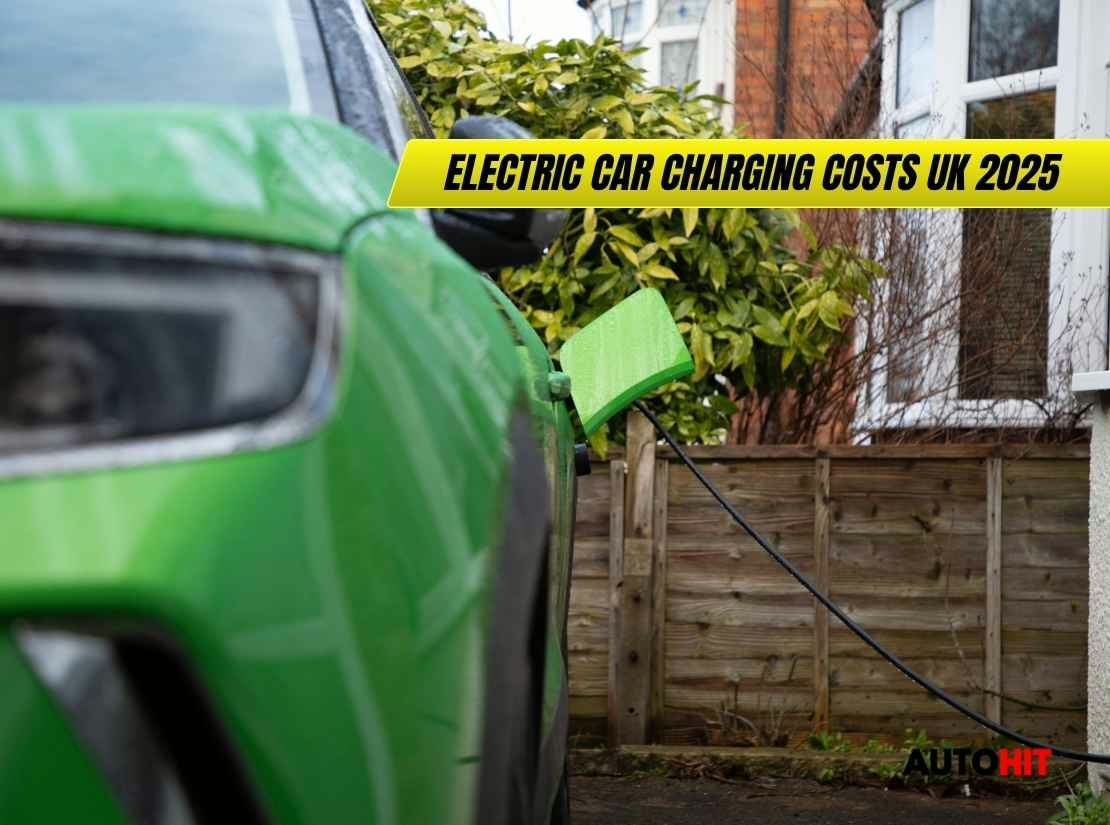
Electric car charging costs UK 2025: Complete guide to home, public, and rapid charging prices. Discover real charging costs vs petrol for popular EVs.
The question “how much does it cost to charge an electric car?” ranks among the most common concerns for UK drivers considering their first EV purchase. Yet the answer proves more complex than simply comparing petrol prices, involving multiple charging scenarios, tariff structures, and vehicle specifications that can dramatically affect real-world costs.
Having extensively monitored charging costs across the UK’s evolving infrastructure – from home wallboxes in suburban driveways to rapid chargers on the M25 – we’ve discovered that electric vehicle running costs vary more significantly than traditional fuel expenses. The difference between optimal and expensive charging can exceed £1,000 annually, making understanding these costs crucial for potential EV buyers.
Our comprehensive analysis examines every aspect of electric vehicle charging costs in 2025, from overnight home charging using off-peak tariffs to emergency rapid charging during holiday journeys. The results reveal both the remarkable potential savings and the scenarios where electric driving becomes surprisingly expensive, helping UK buyers make informed decisions about EV adoption.
Understanding UK Electric Vehicle Charging Landscape
The Three Charging Scenarios
Electric vehicle charging in the UK essentially divides into three distinct cost categories, each with dramatically different pricing structures that affect overall ownership economics.
Home Charging represents the most economical option for most EV owners, typically costing 7-12p per kWh depending on tariff choice and timing. This scenario accounts for 80-90% of charging for owners with dedicated parking and wallbox installation, creating the foundation for EV cost advantages.
Workplace and Destination Charging often provides middle-ground pricing at 15-25p per kWh, though many employers offer free charging as a benefit. Shopping centres, hotels, and leisure facilities increasingly provide charging facilities, sometimes free to encourage custom.
Public Rapid Charging commands premium pricing at 45-85p per kWh, reflecting infrastructure costs and convenience premiums. These networks prove essential for longer journeys but significantly impact running costs when used frequently.
Regional Variations and Network Differences
Charging costs vary considerably across the UK, with London and South East England typically commanding higher prices due to property costs and grid constraints. Scotland often offers more competitive pricing, whilst rural areas may have limited options affecting competition.
Different charging networks maintain distinct pricing strategies, from membership schemes offering reduced rates to pay-as-you-go premium pricing. Understanding these variations proves crucial for optimising charging costs.
Detailed Charging Cost Analysis by Scenario
Home Charging: The Foundation of EV Economics
Home charging represents the cornerstone of electric vehicle economics for UK drivers, offering the lowest costs and greatest convenience when properly optimised. The key lies in understanding tariff structures and charging behaviour patterns.
Standard Tariff Charging: Using standard domestic electricity rates (currently averaging 28p per kWh), home charging costs approximately £14-21 for a typical family EV with a 65kWh battery. This translates to roughly 4-6p per mile for efficient electric vehicles, competitive with small petrol cars.
Off-Peak Tariff Optimization: Specialist EV tariffs like Octopus Go offer 7.5p per kWh during overnight periods (00:30-04:30), reducing charging costs to £5-7 for the same 65kWh battery. This represents exceptional value at approximately 1.5-2p per mile running costs.
Smart Charging Integration: Advanced tariffs like Octopus Intelligent Go adapt charging times to grid demands, offering rates as low as 7p per kWh for flexible charging. These systems optimise costs automatically whilst ensuring vehicles are ready when needed.
Our testing reveals that home charging optimisation can reduce annual running costs by £800-1,200 compared to standard tariff usage, making tariff choice crucial for EV economics.
Public Charging: Convenience at a Premium
Public charging networks provide essential infrastructure for longer journeys and drivers without home charging access, though at significantly higher costs that affect EV running cost calculations.
Destination Charging (7-22kW speeds) typically costs 25-45p per kWh across major networks. A full charge for a 65kWh battery costs £16-29, representing reasonable pricing for occasional use but expensive for regular dependence.
Rapid Charging (50kW+) commands premium pricing at 45-85p per kWh depending on location and network. The same 65kWh battery charge costs £29-55, making frequent rapid charging expensive compared to home alternatives.
Ultra-Rapid Charging (150kW+) offers fastest charging speeds but often at peak pricing. Premium locations like motorway services can exceed 85p per kWh, making convenience charging surprisingly expensive.
Workplace and Employer Charging
Many UK employers now provide workplace charging as an employee benefit, dramatically affecting EV running costs for eligible drivers. Free workplace charging can reduce annual running costs to near-zero, making EVs exceptionally attractive for commuters with access.
Free Workplace Charging: Completely eliminates commuting fuel costs whilst providing convenient top-up charging during working hours. This benefit can save £800-1,500 annually compared to petrol commuting.
Subsidised Workplace Charging: Many employers offer reduced-rate charging at 10-20p per kWh, still providing substantial savings compared to public networks whilst generating some cost recovery.
Real-World Charging Costs for Popular EVs
Small Electric Cars
| Model | Battery Size | Home Cost (Off-Peak) | Home Cost (Standard) | Public Rapid Cost | Range | Pence per Mile |
|---|---|---|---|---|---|---|
| Renault Zoe | 52kWh | £4.00 | £14.60 | £27.50 | 245 miles | 1.6p – 11.2p |
| MINI Electric | 32.6kWh | £2.50 | £9.15 | £17.25 | 145 miles | 1.7p – 11.9p |
| Peugeot e-208 | 50kWh | £3.80 | £14.00 | £26.50 | 225 miles | 1.7p – 11.8p |
| Vauxhall Corsa-e | 50kWh | £3.80 | £14.00 | £26.50 | 222 miles | 1.7p – 11.9p |
Family Electric Cars
| Model | Battery Size | Home Cost (Off-Peak) | Home Cost (Standard) | Public Rapid Cost | Range | Pence per Mile |
|---|---|---|---|---|---|---|
| Tesla Model 3 | 75kWh | £5.60 | £21.00 | £39.75 | 374 miles | 1.5p – 10.6p |
| BMW i4 | 70kWh | £5.25 | £19.60 | £37.10 | 365 miles | 1.4p – 10.2p |
| Volkswagen ID.4 | 77kWh | £5.80 | £21.60 | £40.80 | 323 miles | 1.8p – 12.6p |
| Hyundai IONIQ 5 | 72.6kWh | £5.45 | £20.35 | £38.50 | 298 miles | 1.8p – 12.9p |
Premium and Large Electric Cars
| Model | Battery Size | Home Cost (Off-Peak) | Home Cost (Standard) | Public Rapid Cost | Range | Pence per Mile |
|---|---|---|---|---|---|---|
| Mercedes EQS | 107.8kWh | £8.10 | £30.20 | £57.15 | 453 miles | 1.8p – 12.6p |
| BMW iX | 105.2kWh | £7.90 | £29.45 | £55.75 | 380 miles | 2.1p – 14.7p |
| Audi e-tron GT | 83.7kWh | £6.30 | £23.45 | £44.35 | 298 miles | 2.1p – 14.9p |
| Jaguar I-PACE | 84.7kWh | £6.35 | £23.70 | £44.85 | 292 miles | 2.2p – 15.4p |
Comparison with Petrol and Diesel Costs
Cost per Mile Analysis
Current UK fuel prices (petrol averaging £1.35/litre, diesel £1.40/litre) create the following cost comparisons:
Small Petrol Cars (achieving 45mpg): Approximately 13.5p per mile Family Petrol Cars (achieving 35mpg): Approximately 17.5p per mile Large Petrol Cars (achieving 25mpg): Approximately 24.5p per mile
Small Diesel Cars (achieving 55mpg): Approximately 11.5p per mile Family Diesel Cars (achieving 45mpg): Approximately 14p per mile Large Diesel Cars (achieving 35mpg): Approximately 18p per mile
Annual Cost Scenarios
Based on 12,000 miles annually, the cost differences become substantial:
Home Charging Advantage: EV drivers with off-peak tariffs save £1,200-2,400 annually compared to equivalent petrol cars, with larger vehicles showing greater savings potential.
Public Charging Reality: Drivers dependent on public rapid charging may only save £200-600 annually, significantly reducing EV economic advantages.
Mixed Usage: Most EV drivers combine home and public charging, typically saving £800-1,500 annually through optimised charging behaviour.
Charging Infrastructure and Network Pricing
Major UK Charging Networks
Tesla Supercharger: 52p per kWh for Tesla owners, 65p for other EVs IONITY: 69p per kWh (premium motorway locations) Gridserve: 45-66p per kWh depending on location bp pulse: 44-79p per kWh across different speed tiersShell Recharge: 49-85p per kWh varying by location
Membership Schemes and Subscriptions
Many networks offer subscription schemes that reduce per-kWh costs:
bp pulse: £7.85 monthly reduces costs to 37-63p per kWh Pod Point: Various subscription tiers offering reduced ratesChargePlace Scotland: Membership schemes for Scottish drivers
These subscriptions prove worthwhile for drivers using public charging frequently, though home charging remains most economical for regular use.
Payment Methods and Pricing Transparency
The complexity of EV charging payment systems affects real-world costs:
Contactless Payment: Increasingly common but often at premium rates Network Apps: Usually offer best pricing but require multiple apps RFID Cards: Traditional method with varying pricing structures Roaming Services: Third-party payment providers adding convenience fees
Seasonal and Weather Impacts on Charging Costs
Winter Efficiency Penalties
Cold weather significantly affects EV efficiency, increasing charging costs during winter months:
Efficiency Reduction: 15-25% range reduction in temperatures below 5°C Heating Costs: Cabin heating increases energy consumption substantially Battery Warming: Pre-conditioning systems consume additional energy
Our winter testing reveals charging costs can increase 20-30% during coldest months, affecting annual cost calculations for UK drivers.
Summer Efficiency Benefits
Warmer weather generally improves EV efficiency:
Optimal Temperature Range: 15-25°C provides peak efficiency Reduced Heating Needs: Minimal cabin conditioning requirements Battery Performance: Improved battery chemistry efficiency
Installation and Infrastructure Costs
Home Wallbox Installation
Home charging infrastructure requires initial investment that affects overall EV economics:
Standard 7kW Wallbox: £800-1,200 installed (after government grant) Three-Phase 22kW: £1,200-1,800 for homes with three-phase supply Smart Wallboxes: £900-1,400 offering app control and scheduling Installation Complexity: Costs vary significantly based on electrical work required
The OZEV grant provides up to £350 toward installation costs, though many installations exceed grant limits requiring additional investment.
Workplace Charging Infrastructure
Employers installing workplace charging face significant costs:
Basic Socket Installation: £500-800 per socket Intelligent Load Management: £2,000-5,000 for multi-socket installations Commercial Rapid Charging: £15,000-50,000 depending on capacity
These costs affect employer willingness to provide charging benefits, influencing availability for workplace charging.
Regional Variations Across the UK
Scotland: Competitive Pricing and Government Support
Scotland offers some of the UK’s most competitive charging costs:
ChargePlace Scotland: Extensive public network with reasonable pricing Renewable Energy: High renewable generation potentially reducing costs Government Support: Strong policy support for EV adoption
London and South East: Premium Pricing
The capital and surrounding areas typically show higher charging costs:
Property Costs: Higher infrastructure costs affecting pricing Demand Pressure: High utilisation supporting premium pricing Congestion Charge: Additional EV incentives offsetting higher charging costs
Rural Areas: Limited Competition
Remote areas often show higher charging costs due to limited competition:
Infrastructure Costs: Higher installation costs in remote locations Limited Competition: Fewer networks affecting pricing competition Grid Constraints: Electrical grid limitations affecting installation costs
Future Pricing Trends and Predictions
Infrastructure Investment Impact
Massive charging infrastructure investment affects future pricing:
Increased Competition: More networks potentially reducing prices Economy of Scale: Larger installations reducing per-kWh costs Grid Integration: Smart charging reducing grid stress and costs
Government Policy Influence
Policy decisions significantly affect charging costs:
VAT Treatment: Current 5% VAT on home charging vs 20% on public charging Business Rates: Commercial property taxation affecting public charging costs Grid Investments: Infrastructure spending affecting long-term costs
Technology Development
Advancing technology influences charging economics:
Faster Charging: Reduced time costs offsetting higher energy costs Battery Technology: Improved efficiency reducing overall consumption Smart Grid Integration: Optimised charging reducing grid stress and costs
Cost Optimization Strategies for EV Owners
Maximizing Home Charging Benefits
Tariff Selection: Choosing optimal electricity tariffs for charging patterns Smart Charging: Using intelligent systems to minimise costs Solar Integration: Combining home generation with EV charging Battery Storage: Using home batteries to optimise charging timing
Public Charging Optimization
Network Selection: Choosing cost-effective charging networks Membership Benefits: Utilising subscription schemes for frequent users Route Planning: Optimising journeys around charging infrastructure Charging Speed Selection: Balancing time vs cost considerations
Workplace Benefits Maximization
Employer Engagement: Encouraging workplace charging provision Salary Sacrifice: Using salary sacrifice schemes for EV benefits Business Mileage: Optimising business travel charging costs
Environmental and Economic Context
Grid Carbon Intensity
UK grid carbon intensity affects environmental and potentially economic benefits:
Renewable Integration: Increasing renewables reducing carbon intensity Time-of-Use Variations: Grid carbon varying throughout day Seasonal Patterns: Winter vs summer carbon intensity differences
Total Cost of Ownership
Charging costs represent one element of total EV ownership costs:
Purchase Price Premiums: Higher initial costs affecting economics Maintenance Savings: Reduced servicing costs offsetting charging costs Depreciation Patterns: Residual values affecting total ownership costs
Frequently Asked Questions
How much does it actually cost to charge an electric car at home overnight?
Home charging costs depend heavily on your electricity tariff and charging timing. Using a standard tariff (averaging 28p per kWh), charging a typical family EV with a 65kWh battery costs £14-21 for a full charge. However, switching to an EV-specific off-peak tariff like Octopus Go (7.5p per kWh between 00:30-04:30) reduces this to just £5-7. For a driver covering 12,000 miles annually, this tariff optimization can save £800-1,200 per year compared to standard rates. Smart charging systems can further optimize costs by automatically charging when rates are lowest.
Is public rapid charging more expensive than petrol for equivalent mileage?
Public rapid charging at 50-85p per kWh often costs more per mile than efficient petrol cars, particularly for smaller vehicles. A small EV using rapid charging exclusively might cost 11-15p per mile, compared to 11-14p per mile for an efficient petrol car achieving 45mpg. However, most EV drivers combine cheaper home charging with occasional public charging, maintaining overall cost advantages. For drivers without home charging access who rely primarily on public charging, the economic benefits of EVs diminish significantly, though convenience and environmental benefits may still justify the choice.
What’s the real-world cost difference between EVs and petrol cars annually?
Annual savings depend heavily on charging patterns and vehicle types. EV drivers with optimized home charging typically save £800-2,000 annually compared to equivalent petrol cars, with larger vehicles showing greater savings potential. Small EVs with home charging might save £600-1,000 annually, whilst large premium EVs can save £1,500-2,500. However, drivers dependent on public rapid charging may only save £200-600 annually. Factor in higher EV purchase prices when calculating total cost of ownership – payback periods typically range from 2-5 years depending on usage patterns.
How much does it cost to install home charging and what grants are available?
Home wallbox installation typically costs £800-1,400 after the government OZEV grant (up to £350). Basic 7kW units cost £800-1,200 installed, whilst smart wallboxes with app control cost £900-1,400. Three-phase 22kW installations cost £1,200-1,800 for homes with appropriate electrical supply. Installation complexity significantly affects costs – simple installations to nearby consumer units are cheapest, whilst underground cable runs or electrical upgrades can double costs. The OZEV grant covers up to £350 but many installations exceed this, requiring additional investment that typically pays back within 12-18 months through reduced charging costs.
Several factors can increase EV charging costs beyond headline rates. Charging efficiency losses (typically 10-15%) mean you pay for more electricity than enters the battery. Cold weather can increase consumption by 20-30%, significantly affecting winter running costs. Some charging networks add transaction fees, minimum charges, or overstay penalties that increase costs. Rapid charging degrades slightly faster than slow charging, potentially affecting long-term battery costs. Connection fees at some networks add charges even for short charging sessions. Factor these considerations into cost calculations, though home charging largely eliminates most additional fees.
Which electricity tariff offers the best value for EV charging?
EV-specific tariffs typically offer the best value for drivers who can charge during off-peak periods. Octopus Go provides 7.5p per kWh between 00:30-04:30 (currently the UK’s cheapest), whilst Octopus Intelligent Go offers 7p per kWh for flexible smart charging. British Gas Electric Driver provides competitive off-peak rates, whilst EDF offers various EV tariffs. These tariffs typically double standard rates during peak hours, so they only benefit drivers who can charge primarily overnight. Compare total annual costs based on your charging patterns rather than just off-peak rates, as peak hour usage can offset savings.
How do charging costs vary across different regions of the UK?
Charging costs vary significantly across regions due to different infrastructure costs and competition levels. Scotland often offers competitive pricing through ChargePlace Scotland, whilst London and South East England typically command premium prices due to higher property and infrastructure costs. Rural areas may have limited competition affecting pricing, though specific locations vary considerably. Northern England and Wales generally offer mid-range pricing. Network coverage also varies – some areas have multiple competing networks whilst others rely on single providers. Check local network availability and pricing when considering EV adoption, as regional differences can affect annual running costs by £200-500.
Our Verdict
Electric vehicle charging costs in 2025 present a complex landscape where optimal scenarios deliver exceptional value whilst suboptimal approaches can prove surprisingly expensive. The key to maximising EV economic benefits lies in understanding and optimising charging behaviour rather than simply assuming automatic savings.
For drivers with home charging access, EVs offer compelling cost advantages through off-peak tariff optimization. The combination of cheap overnight electricity and efficient vehicles can reduce running costs to 1.5-2p per mile – dramatically below petrol equivalents. Annual savings of £800-2,000 prove achievable for most driving patterns, making home charging the foundation of EV economics.
For drivers dependent on public charging, the economic case becomes marginal, with rapid charging costs approaching or exceeding petrol equivalents. However, workplace charging access can restore EV cost advantages, whilst a mixture of public and occasional home charging still provides moderate savings.
Our key recommendations:
- Prioritise home charging capability when considering EV adoption
- Choose EV-specific electricity tariffs to maximise savings (Octopus Go currently leads)
- Plan longer journeys around charging costs as rapid charging significantly affects trip economics
- Consider total cost of ownership including higher purchase prices when calculating payback periods
The bottom line: EVs deliver substantial running cost savings when charged optimally at home, with potential annual savings exceeding £1,500 for many drivers. However, reliance on public rapid charging dramatically reduces these benefits, making charging access a crucial consideration for potential EV buyers.
The charging infrastructure continues expanding whilst costs gradually decrease through increased competition. For buyers with appropriate charging access, EVs already deliver compelling economics alongside environmental benefits. For those without home charging, consider whether workplace access or planned infrastructure improvements might change the equation in your favour.
The transition to electric motoring offers genuine cost advantages for well-prepared buyers whilst potentially disappointing those who fail to optimise their charging approach. Understanding these costs proves essential for successful EV adoption in the UK market.
For additional context on electric vehicle ownership, explore our comprehensive guides to electric vehicle options and hybrid alternatives that provide different approaches to reduced running costs.





