
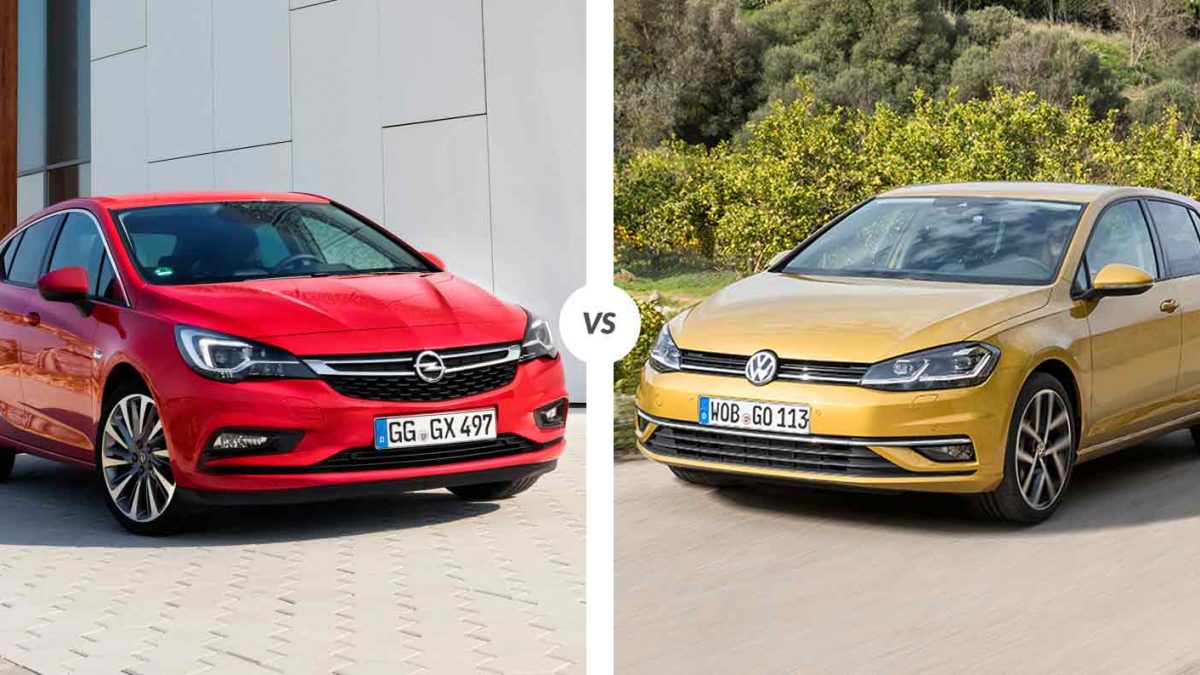
Opel/Vauxhall Astra, Volkswagen Golf, Mazda 3, Toyota Corolla, Hyundai i30, Kia Ceed, Peugeot 308 e Renault Megane form the core of the classic C‑segment hatchback market in Europe and the UK. In this guide, the focus is on UK buyers: availability, everyday usability, costs, comfort and which model makes most sense depending on your priorities.
Let’s focus especially on Astra vs Golf and then position the others around them as real‑world alternatives for British drivers thinking about fuel economy, ULEZ compliance, insurance and long‑term ownership.
Key compact hatchbacks for UK drivers
- Volkswagen Golf remains the reference for all‑round quality, refinement and resale value.
- Opel/Vauxhall Astra targets value and technology, often undercutting Golf for similar equipment.
- Toyota Corolla and Mazda 3 are the “safe bet” for reliability and more premium feel in this class.
- Hyundai i30 and (used) Kia Ceed offer strong value, generous equipment and long warranties.
- Peugeot 308 and Renault Megane (especially E‑Tech) are top picks if you want design and electrified powertrains.
Opel (Vauxhall) Astra review
In the UK the Astra is sold under the Vauxhall badge, but the product is the same: a modern hatch with sharp styling, a clean digital cockpit and a broad range of engines including petrol, mild‑hybrid, plug‑in hybrid and fully electric versions. The electric Astra typically offers a range around the mid‑300s to mid‑400s km WLTP equivalent, which is more than enough for everyday commuting and UK motorway trips if you plan charging stops sensibly.
From the driver’s seat the Astra feels easy, predictable and comfort‑oriented. In my experience it suits drivers who prioritise:
- A well‑equipped car at a more accessible price than the class leaders.
- A modern interior with large screens and good smartphone integration.
- A balance between ride comfort and secure handling rather than sporty reactions.
If you drive often in city centres or into ULEZ zones, the plug‑in hybrid and electric versions are the ones to shortlist, because they combine low local emissions with the possibility of cheaper running costs and future‑proofing against tighter regulations.
Volkswagen Golf review
The Golf remains the benchmark because it rarely puts a foot wrong. Build quality feels solid, sound insulation is usually better than many rivals, and the suspension manages a neat compromise between comfort and control on bumpy UK roads and motorways. The latest generations add more mature infotainment and a wide spread of engines: efficient petrol, mild‑hybrids, diesels where still offered, and powerful plug‑in hybrids and performance versions.
From my point of view the Golf’s real strength is that it suits almost any buyer profile: young families, company car drivers, commuters and long‑distance travellers. It tends to cost a little more than direct competitors, but that is often compensated by stronger residual values and an easier resale later on. If you simply want something “that just works” with no drama, the Golf is still very hard to beat.
Astra vs Volkswagen Golf
Putting Astra and Golf side by side, the trade‑off is clear:
| Aspect | Astra (Vauxhall) | Volkswagen Golf |
|---|---|---|
| Brand/image | Less premium, more value‑focused | Strong, established, seen as an upmarket choice |
| Ride & comfort | Comfortable, slightly softer feel | Very balanced, refined on long journeys |
| Interior quality | Modern, good but a bit more mixed in materials | Generally higher perceived quality |
| Technology | Big screens, rich equipment | Extensive tech, often more polished |
| Engines | Petrol, hybrid, plug‑in, full electric | Petrol, mild‑hybrid, plug‑in, diesel/performance |
| Price vs spec | Usually cheaper at similar spec | Usually more expensive but holds value well |
I would recommend the Astra if you are price‑sensitive and want plenty of equipment and electrified options without paying the Golf premium. If you are thinking long‑term and you care about refinement, perceived quality and resale, the Golf still has the edge.
A useful visual idea here would be an infographic plotting Astra and Golf on a radar chart showing comfort, performance, tech, efficiency and cost, so readers can see at a glance where each car shines.
Mazda 3, Toyota Corolla and Hyundai i30
Mazda 3
The Mazda 3 positions itself as the driver’s hatchback. Steering, chassis balance and a more “premium” cabin design make it feel closer to some German brands than the price tag suggests. The infotainment tends to be clean and straightforward rather than overloaded, and the naturally aspirated or mild‑hybrid petrol engines favour smoothness and real‑world efficiency over headline power figures.
It is an excellent choice if you enjoy driving, prefer a more upmarket feel and don’t necessarily need the absolute biggest rear space in the class.
Toyota Corolla
The Corolla is one of the smartest buys if you prioritise reliability and low running costs. Full‑hybrid powertrains allow a lot of urban driving in electric mode, improving fuel economy and making it a natural fit for ULEZ zones or stop‑start city traffic. Road tax and company‑car costs also tend to be competitive on the hybrid versions thanks to lower CO₂ emissions.
For UK buyers doing a mix of city and motorway, a Corolla hybrid can easily become the “set and forget” car: little drama, good economy and a strong reputation for durability.
Hyundai i30
The i30 is a rational, great‑value choice. It usually offers:
- Competitive pricing versus Golf and Astra.
- Long warranty coverage, which is reassuring if you keep the car many years.
- Well‑equipped trims with safety systems, infotainment and comfort features included.
It may not have the same emotional appeal as a Mazda 3 or the badge strength of a Golf, but as a tool for everyday UK life the i30 is an excellent all‑rounder.
For internal links, this section pairs naturally with content on UK driving rules and enforcement, for example an article about UK driving licence points and how speeding or other offences can affect insurance and car choice, or a guide to the latest UK speed camera regulations. That reinforces the practical angle for British readers.
Peugeot 308, Renault Megane and Kia Ceed
Peugeot 308
The current 308 stands out for bold design, a distinctive driving position and a wide electrified range. You can find petrol, diesel, plug‑in hybrid and fully electric versions, which makes it one of the most flexible platforms for adapting to future UK environmental rules and clean‑air zones. The cabin aims for an almost “mini‑premium” feel with sharp styling and high‑tech graphics.
A comparison table idea here would be 308 vs Corolla vs Golf, showing body styles, engine types, battery range for plug‑ins, official consumption and approximate insurance group, to help UK buyers make a data‑driven choice.
Renault Megane
The Megane in its latest form (especially as Megane E‑Tech) leans strongly into electric mobility. It is a compelling option if you want a compact hatch but are ready to go fully electric, with the benefits of zero local emissions, quieter running and potentially lower running costs if you can charge at home.
Megane fits nicely alongside other EV‑focused articles, such as guides to plug‑in hybrids and EVs for British drivers, or overviews of the best SUVs and crossovers if you decide you’d rather go higher‑riding.
Kia Ceed
For UK buyers, the Ceed family has largely shifted away from mainstream new‑car sales, with more emphasis on models like the XCeed. That means:
- As a new standard hatchback it is no longer a front‑line choice.
- As a used car, it remains very attractive thanks to Kia’s long warranty and solid reliability record.
If you are shopping nearly‑new or a few years old, a Ceed can still be one of the best value options in this segment.
Real‑world UK running costs and regulations
For all these hatchbacks, UK‑specific factors matter:
- ULEZ and clean‑air zones: hybrids, plug‑in hybrids and EVs are better future‑proofed for city driving.
- Road tax (VED): lower CO₂ and electrified powertrains can reduce annual tax, especially on company cars.
- Toll roads and charges: regular trips involving toll roads or congestion charges favour more efficient cars.
Internal links could include guides on UK toll roads and payment methods, how warning lights like the spanner or handbrake lights should be handled safely, and explainers on AdBlue for diesel models – all highly relevant for long‑term ownership of this type of hatchback.
Suggested internal and external links
Within this article, natural internal link anchors could be:
- “UK driving licence points” linking to a guide on licence points and how they affect drivers.
- “UK speed camera regulations” in a paragraph about keeping a clean licence with a new, efficient hatchback.
- “Best plug‑in hybrid cars in the UK” from the section on 308, Astra and Golf plug‑in variants.
- “UK toll roads and charges” from the section on long‑distance motorway use.
For external links, suitable authoritative targets would be:
- Official manufacturer pages for each model (for example volkswagen.co.uk for the Golf, toyota.co.uk for the Corolla, peugeot.co.uk for the 308).
- UK government pages on vehicle tax and low‑emission zones (gov.uk and tfl.gov.uk).
These external links support trust and help readers verify technical details like emissions, tax bands and official fuel consumption without relying on third‑party review sites.
FAQs
Which is better for UK drivers, Astra or Golf?
The Golf is generally stronger for interior quality, refinement and resale value, while the Astra usually offers more equipment for the money and competitive electrified versions. If budget is tight, Astra is very tempting; if you want the safest, most “premium‑feeling” choice, Golf wins.
Is the Toyota Corolla still a good buy?
Yes. For a UK driver who cares about reliability, fuel economy and smooth hybrid performance in town and on the motorway, the Corolla remains one of the most sensible hatchbacks you can choose.
Mazda 3 or Golf for keen drivers?
Mazda 3 tends to feel more engaging and sporty from behind the wheel, with steering and chassis tuned to involve the driver. The Golf is more neutral and refined, but if driving fun is your top priority, Mazda 3 often edges it.
Is a plug‑in hybrid hatchback worth it?
If you can charge at home or work and most of your journeys are under 30–40 miles, a plug‑in hybrid like certain Astra, Golf or 308 variants can reduce fuel bills and emissions significantly. If you rarely plug in, a normal hybrid or efficient petrol may be more sensible.
Are diesel hatchbacks still a good idea in the UK?
Diesel can still make sense for very high motorway mileages, but tightening emissions rules, AdBlue systems and possible future restrictions in some cities mean many private buyers are now better served by petrol, hybrid or EV options.
Conclusion
For UK readers choosing a compact family hatchback, the Volkswagen Golf remains the all‑round reference, but the Astra, Corolla, Mazda 3, i30, 308, Megane and used Ceed all deserve a place on your shortlist depending on budget, driving style and where you usually drive. From my point of view, if you value refinement and long‑term resale, start with the Golf; if you want strong value and plenty of kit, the Astra, i30 and 308 are excellent; if you drive a lot in towns and ULEZ zones, the Corolla and electrified Megane are especially smart.
To tailor this further for you: what kind of use do you mainly have in mind for the car (mostly city, mixed, or mainly motorway), and do you already have a preference for petrol, hybrid or electric?





