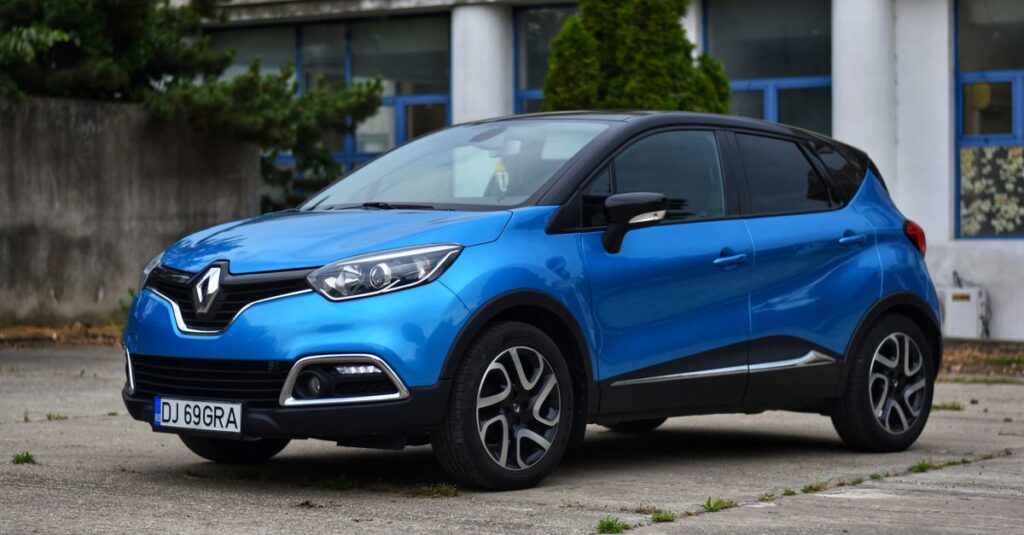
For UK family buyers, the small-SUV-versus-estate decision is less about fashion than how the car works on school runs, child-seat loading and holidays. An estate typically prioritises load length and a low boot floor, while a small SUV usually offers a higher seating position, easier access when placing children in their seats and more ground clearance.
Neither body style is automatically the better buy. The most useful comparisons, including Peugeot UK’s crossover-versus-estate guide and Carvago’s family comparison, point towards choosing according to the family’s regular jobs rather than assuming an SUV or estate is always more practical.
Choose an estate when load space is the priority
An estate should be the first body style on the shortlist if the boot regularly has to handle long or bulky items. Its longer load area and low boot floor can make it well suited to pushchairs, dog crates and holiday luggage.
That can be a meaningful advantage for families that carry more than shopping bags. A pushchair may be easier to position, a dog crate may make better use of the boot’s shape, and longer holiday items are less likely to be limited by a short load area. The important point is not simply the headline boot capacity; the floor height, opening and usable length matter as well.
An estate is also worth considering if the car spends much of its time as a family transporter but occasionally needs to carry awkward equipment. In that situation, its load-friendly shape may be more useful than the higher driving position associated with an SUV.
Choose a small SUV when access matters most
A small SUV can make everyday family duties easier in a different way. Its higher seating position can provide easier access when lifting children into child seats, while the additional ground clearance may be useful to buyers who regularly encounter uneven surfaces. These are among the practical advantages highlighted by Carwow’s comparison of estates and SUVs for new parents.
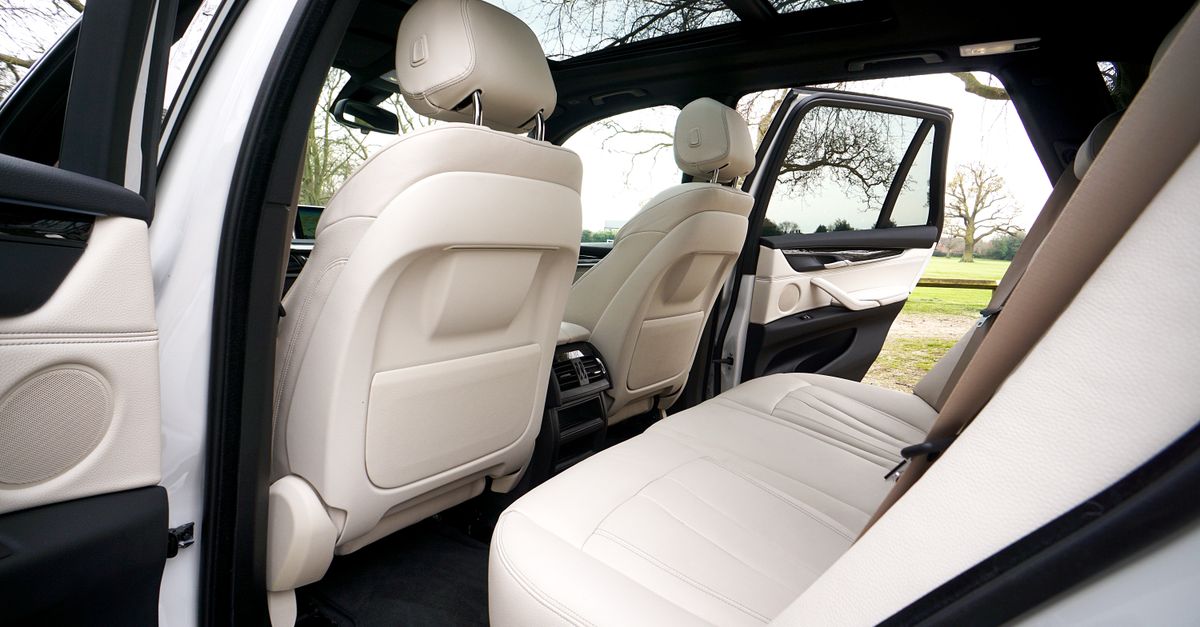
That does not mean every small SUV has a more usable boot, or that every estate is difficult to access. The body-style label is only a starting point. Door opening, rear-seat space and the position of the child-seat mounting points can vary considerably between individual cars.
For parents who load children several times a day, the seating height and access may be more valuable than the ability to carry the longest possible load. For everyone else, it comes down to how often the extra clearance and higher seating position will actually be used.
Test family practicality with your own equipment
A showroom inspection or short test drive should include more than sitting in the driver’s seat. Before choosing either body style:
- Fit your own child seats. Check how easily they can be positioned and secured, and whether an adult can still sit comfortably in the adjacent seat.
- Load your own pushchair. Try it with the parcel shelf in place and check whether there is room for the bags or luggage normally carried alongside it.
- Assess the boot shape. Look at the opening, floor height and available length rather than relying only on a published capacity figure.
- Try the rear seats. A family car must work with the front seats adjusted for the adults who will use it, not just with an empty cabin.
- Repeat the test in both body styles. The difference between two specific models may be more important than the difference between “SUV” and “estate” in general.
This practical check is particularly important for families with a large rear-facing child seat, a dog crate or regularly changing luggage needs.
Value depends on the exact UK model
There is no reliable rule that makes an SUV or an estate better value before the individual cars have been compared. Buyers should look at the purchase price, standard equipment, running costs and usable boot capacity together. Motorpoint’s SUV-versus-estate guide also stresses that the right answer depends on the buyer and the cars being compared.
Compare like-for-like versions where possible. A lower-priced car may not represent better value if it lacks equipment the family would otherwise have to add, while a more expensive model may only make sense if its easier access or extra ground clearance solves a genuine everyday need. Check the exact UK trim and specification rather than relying on the body-style description.
It is also worth separating useful practicality from perceived practicality. A higher driving position may feel appealing, but it should not outweigh an estate’s more suitable load area if the family regularly carries bulky items. Equally, a large boot is less helpful if loading children into the rear seats is awkward every day.
Which should a family choose?
| Family priority | Best starting point | Main reason |
|---|---|---|
| Long or bulky loads, dog crates or substantial holiday luggage | Estate car | Load length and a low boot floor can make packing easier |
| Frequent child-seat loading and a preference for a higher seating position | Small SUV | Access and seating height may make daily use more convenient |
| Extra ground clearance | Small SUV | Typically offers more clearance than an estate |
| Lowest overall cost | Neither by default | Compare the price, equipment and running costs of specific UK models |
| Mixed requirements | Test both | The actual boot and rear-seat layout may decide the issue |
The estate is the stronger choice when carrying shape and boot usability dominate. The small SUV is more likely to suit a family that values easier child-seat access, a higher seating position and extra ground clearance. For most buyers, the best-value answer will only become clear after testing the exact cars with the family’s own equipment and comparing their full specifications and running costs.