
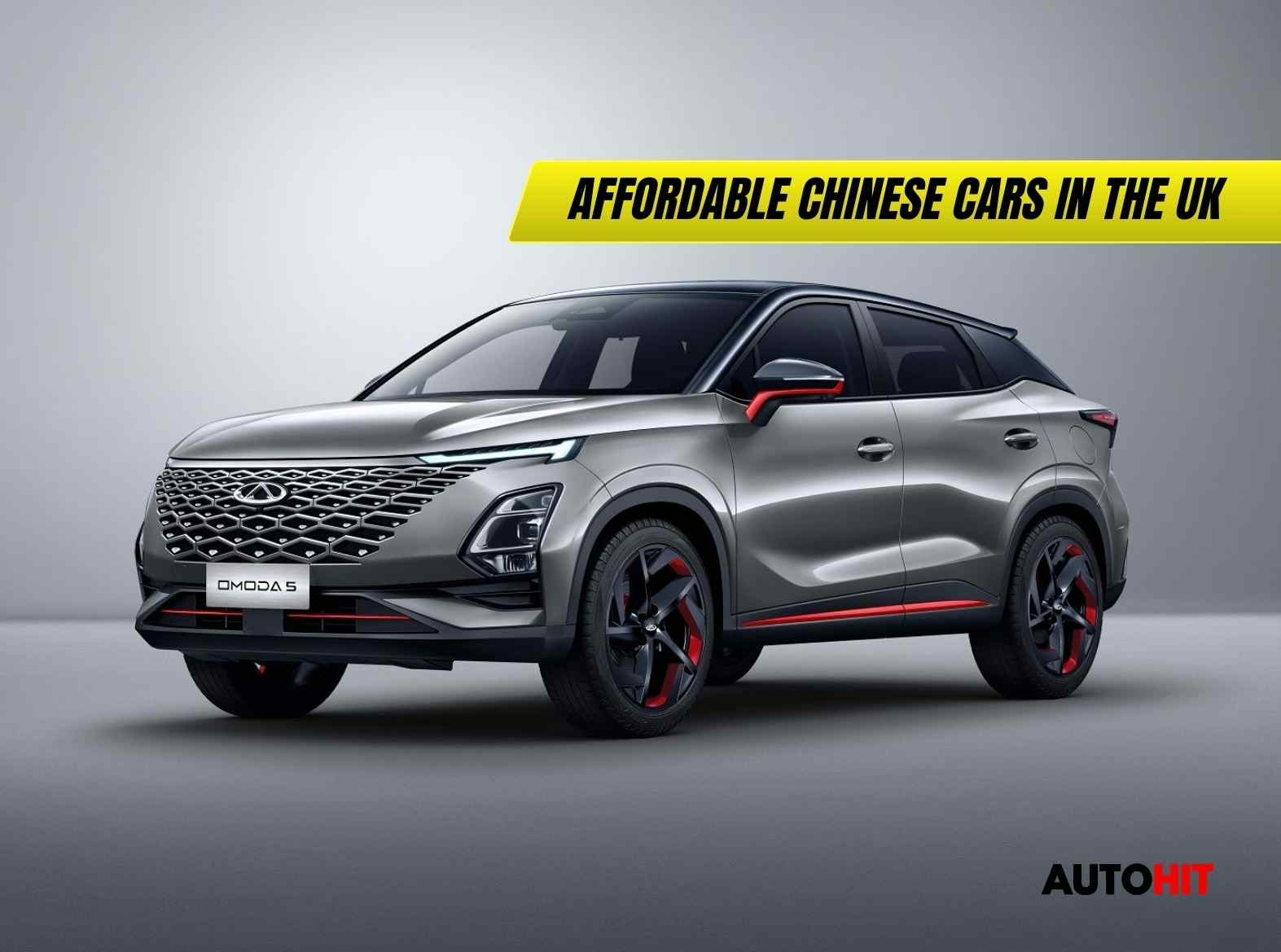
Discover the best affordable Chinese cars available in the UK market in 2025, from electric innovations to hybrid bargains, with detailed analysis of price, features, and ULEZ compliance for smart buyers.
The UK automotive landscape has transformed dramatically in recent years with Chinese manufacturers establishing a significant presence through competitive pricing, advanced technology, and a focus on electrification. What was once considered an automotive obscurity has evolved into genuine class-leading contenders, as Chinese brands leverage their manufacturing prowess and technological innovation to deliver vehicles that often undercut traditional European and Japanese rivals while offering impressive specifications. This comprehensive guide examines the most compelling affordable Chinese car options currently available to UK buyers, their key features, and what to consider before making your purchase.
Key Points:
- Chinese car manufacturers have rapidly evolved from producing budget imitations to creating innovative, high-quality vehicles
- Most Chinese brands focus on electric vehicles, offering advanced battery technology at competitive price points
- Chinese cars typically offer more standard features and technology than similarly priced European alternatives
- All new Chinese electric vehicles are ULEZ compliant, making them ideal for urban UK drivers
- Warranties for Chinese cars are often longer than industry standards, with many offering 7-year coverage
- The UK market now has over 12 Chinese car brands available, with more arriving in 2025
The Rise of Chinese Car Brands in the UK
How Chinese Manufacturers Have Transformed the Market
The rapid ascent of Chinese car manufacturers in the UK represents one of the most significant shifts in the automotive industry’s recent history. In less than a decade, Chinese brands have progressed from being industry outliers to genuine competitors for established marques. This transformation mirrors China’s broader economic development strategy – massive investment in manufacturing capabilities, followed by a deliberate focus on technology and quality improvements.
“In less than a decade Chinese cars have gone from automotive obscurities to class contenders,” notes Auto Express, highlighting the remarkable pace of this evolution. The speed of improvement has been particularly evident in design sophistication, build quality, and technological integration.
Many UK consumers still associate Chinese vehicles with the copycat designs that appeared at motor shows in the early 2000s. However, today’s Chinese automotive landscape is vastly different, with original designs and innovative engineering becoming the norm rather than the exception. Where early Chinese vehicles were often criticized for poor safety standards and questionable reliability, contemporary offerings frequently match or exceed European alternatives in these crucial areas.
Key Chinese Brands Making an Impact in the UK
The UK market now hosts an impressive array of Chinese automotive brands, each with distinct positioning and product focuses:
MG Motor (SAIC) Once a quintessentially British sports car manufacturer, MG has been transformed under Chinese ownership into a value-focused mainstream brand with particular strength in the electric vehicle segment. With the MG4 electric hatchback winning numerous awards for its combination of affordability and impressive driving dynamics, MG has established itself as the most successful Chinese brand in the UK with significant market share growth.
BYD (Build Your Dreams) A relatively new entrant to the UK market but a global EV powerhouse, BYD has quickly established itself with models like the Dolphin hatchback and Atto 3 SUV. What sets BYD apart is that it’s both a vehicle manufacturer and one of the world’s largest battery producers, giving it a significant technological advantage in the electric vehicle space.
GWM (Great Wall Motor) Operating in the UK under various sub-brands including Ora and Haval, Great Wall Motor offers quirky retro-styled EVs alongside more conventional SUVs. The Ora 03 (formerly known as the Funky Cat) has gained attention for its distinctive styling and competitive pricing.
Leapmotor A newcomer to the UK, Leapmotor has partnered with Stellantis (owner of brands like Vauxhall, Peugeot, and Citroën) to bring ultra-affordable EVs to Britain. The compact T03 city car is set to be one of the UK’s cheapest electric vehicles at just £15,995.
Other Emerging Brands Several other Chinese brands are making moves to enter or expand in the UK market, including Xpeng, Nio, Omoda, Jaecoo, and Skywell. Each brings unique technology offerings and price positioning that will further increase the diversity of affordable options for UK consumers.
According to our analysis, the value proposition of these brands is compelling, especially for price-conscious UK buyers who are seeking to transition to electric motoring without the premium typically associated with established European brands.
Top Affordable Chinese Cars in the UK Market
Electric Vehicle Options
MG4 EV Starting at £26,995, the MG4 represents perhaps the best value electric hatchback in the UK market. With rear-wheel drive architecture providing engaging handling and battery options offering up to 329 miles of range, it’s a compelling package that has won numerous industry awards.
The MG4 has transformed perceptions of the brand by combining sharp styling, responsive handling, and impressive build quality. Available in multiple configurations, even the base model offers a respectable 218-mile range, while the long-range version challenges much more expensive rivals with its 329-mile capability.
BYD Dolphin Priced from £26,195, the BYD Dolphin sits between supermini and family hatchback segments in size. What makes the Dolphin stand out is BYD’s advanced “Blade Battery” technology, which offers improved safety, longevity, and efficiency compared to many competitor battery systems.
The interior quality of the Dolphin impresses with materials and fit and finish that belie its affordable price point. While not the most exciting car to drive, it provides comfortable, practical family transportation with zero emissions at a price point that makes electric motoring accessible to more buyers.
Leapmotor T03 Set to become Britain’s most affordable EV when it launches in March 2025, the Leapmotor T03 will start at just £15,995. Designed primarily as an urban runabout, the T03 offers a modest 165-mile range that should be sufficient for city dwellers with occasional suburban journeys.
Despite its bargain price, the T03 comes with features like an 8.0-inch digital instrument display and infotainment touchscreen with satellite navigation and DAB radio as standard. This level of equipment would typically be found in cars costing significantly more from traditional manufacturers.
GWM Ora 03 Formerly known as the Funky Cat, the GWM Ora 03 brings distinctive retro-inspired styling to the affordable EV segment at around £25,000. Entry-level versions offer a range of 193 miles, while higher trims extend this to a more practical 261 miles.
The Ora 03’s quirky design sets it apart in a sea of increasingly homogenous electric vehicles. While its handling doesn’t match class leaders like the MG4, it delivers a comfortable ride and comes loaded with features that would be optional extras on many European competitors.
Hybrid and Plug-in Hybrid Options
MG HS Plug-in Hybrid One of the UK’s bestselling vehicles, the MG HS PHEV offers remarkable value at just over £30,000. With electric-only range reaching up to 75 miles from its substantial 25kWh battery, many owners can complete daily commutes without using any petrol at all.
The HS combines this impressive electric capability with a practical SUV body style that accommodates families comfortably. The latest generation features significant improvements in interior quality and technology integration, making it competitive with European rivals costing thousands more.
BYD Seal U BYD’s entry into the hybrid SUV market brings the company’s battery expertise to the plug-in hybrid segment. Available as both a conventional hybrid and plug-in hybrid, the Seal U offers refined driving characteristics and exceptional efficiency for its class.
According to our verdict, while the combustion engine may not quite match European rivals for refinement, the overall package represents excellent value, especially considering the comprehensive equipment list and substantial warranty coverage.
Jaecoo 7 A premium sub-brand from Chery Automobile (operating under the Omoda & Jaecoo umbrella in the UK), the Jaecoo 7 aims to blend luxury appointments with robust off-road capability. With pricing closer to mainstream brands like Nissan but offering equipment levels comparable to premium marques, it represents an interesting value proposition.
The seven-year warranty matches Korean manufacturer Kia’s industry-leading coverage, providing peace of mind for buyers concerned about long-term reliability of a less familiar brand.
Advantages of Choosing a Chinese Car in the UK
Price Competitiveness
The most obvious benefit of Chinese vehicles is their exceptional value proposition. Across all segments, Chinese brands typically undercut established manufacturers by 15-25% while offering comparable or superior equipment levels. This pricing strategy has already forced European manufacturers to respond with their own price cuts and improved standard specifications.
For example, the MG4 EV offers comparable space, range, and performance to the Volkswagen ID.3 but costs approximately £6,000 less. Similarly, the BYD Atto 3 SUV delivers features and technology that would cost significantly more from traditional premium brands.
Advanced Technology Features
Chinese manufacturers have placed a particular emphasis on technology, often making features standard that would be expensive options on European alternatives. This includes:
- Rotating touchscreens (BYD models)
- Advanced driver assistance systems
- Comprehensive smartphone integration
- Over-the-air update capability
- Voice control systems
Many Chinese cars now feature cutting-edge battery technology, particularly evident in brands like BYD that produce both vehicles and battery systems. BYD’s Blade Battery, for instance, offers improved safety, longevity, and charging characteristics compared to many competitors.
ULEZ Compliance and Environmental Benefits
With Ultra Low Emission Zone (ULEZ) regulations expanding across the UK, Chinese manufacturers’ focus on electrification provides a significant advantage for urban drivers. All electric and plug-in hybrid vehicles from Chinese brands are fully ULEZ compliant, ensuring owners avoid the £12.50 daily charge that applies to many older petrol and diesel vehicles in London and other UK cities.
Beyond ULEZ compliance, the environmental benefits of the predominantly electric Chinese offerings include:
- Zero tailpipe emissions from fully electric models
- Reduced noise pollution
- Lower running costs
- Tax advantages including reduced Vehicle Excise Duty
For UK drivers concerned about both environmental impact and ongoing running costs, Chinese electric vehicles present a compelling solution.
Long Warranty Coverage
To address potential consumer concerns about reliability, many Chinese manufacturers offer warranty coverage that exceeds industry standards. Typical warranty periods include:
- MG: 7-year/80,000-mile warranty
- BYD: 6-year/150,000-mile vehicle warranty with 8-year battery coverage
- Jaecoo: 7-year/100,000-mile comprehensive warranty
- GWM/Ora: 5-year/unlimited mileage warranty
These extended warranties provide valuable peace of mind for buyers who might otherwise be hesitant to purchase from less established brands, effectively removing one of the key objections to Chinese vehicle ownership.
Considerations Before Buying a Chinese Car
Residual Values and Depreciation
A significant consideration for any car purchase is how well it will retain its value. Historically, lesser-known brands have suffered from higher depreciation rates than established manufacturers. However, the pattern for Chinese vehicles appears to be changing.
MG models, as the most established Chinese brand in the UK, have demonstrated increasingly strong residual values. According to industry data, models like the MG4 EV are now projected to retain a higher percentage of their value after three years than some European competitors, reflecting growing market acceptance.
For newer Chinese brands, the depreciation picture remains less clear. Potential buyers should consider:
- Opting for models with the strongest critical reception
- Choosing vehicles with comprehensive warranty coverage
- Selecting brands with established UK dealer networks
According to our editorial team’s assessment, residual values for Chinese vehicles are likely to strengthen as these brands become more familiar to UK consumers and establish longer track records of reliability.
Dealer Network and Aftersales Support
The extent and quality of dealer networks vary significantly among Chinese brands in the UK:
- MG has the most established network with over 150 dealers nationwide
- BYD is rapidly expanding its footprint and aims for 100+ UK locations by the end of 2025
- Newer entrants like Leapmotor will leverage Stellantis’s existing dealer infrastructure
- Some brands have very limited representation, potentially creating service challenges
Before purchasing, UK buyers should verify the availability of local service centres and parts supply arrangements. Brands partnered with established automotive groups (like Leapmotor with Stellantis) may offer advantages in this regard compared to completely independent operations.
Safety Standards and Ratings
Safety standards have been a historical concern with some Chinese vehicles, but modern offerings have made significant strides in this area:
- The MG4 EV achieved a full 5-star Euro NCAP safety rating
- BYD’s Atto 3 also secured a 5-star rating with particularly strong adult occupant protection
- Most new Chinese models incorporate comprehensive active safety systems
These results demonstrate that the best Chinese vehicles now match European safety standards, addressing what was previously a major concern for potential buyers. However, not all models have been tested yet, so research individual vehicles carefully.
UK-Specific Features and Adaptation
While Chinese manufacturers are increasingly tailoring their products to European preferences, some considerations specific to UK driving conditions include:
- Right-hand drive configuration quality (some conversions are more seamless than others)
- Suspension tuning for British roads (which often differ significantly from Chinese highways)
- Infotainment systems with UK-specific navigation and traffic information
- Charging connector standards for EVs
In our assessment, MG (as the longest-established Chinese brand in the UK) has generally adapted its vehicles most successfully to British requirements, while newer entrants sometimes show evidence of their primary focus on other markets.
The Future of Chinese Cars in the UK Market
Upcoming Models and Innovations
The pace of development from Chinese manufacturers shows no sign of slowing, with several significant new models scheduled to reach UK shores in 2025:
- Xpeng G6: A premium electric SUV challenging the Tesla Model Y with advanced autonomous features
- BYD Seagull: An ultra-compact EV potentially priced under £20,000
- MG Cyberster: An electric sports car reviving MG’s heritage in the performance segment
- Nio models with battery-swapping technology, offering a novel solution to charging concerns
Beyond specific models, we can expect continued innovation in battery technology, with Chinese manufacturers pushing for advantages in energy density, charging speeds, and cost reduction. Several brands are also developing advanced driver assistance systems that rival or exceed Western alternatives.
Regulatory and Trade Considerations
The expanding presence of Chinese manufacturers in the UK market occurs against a backdrop of evolving trade relationships. While some Western markets have implemented or considered tariffs on Chinese vehicles, the UK’s post-Brexit trade policy currently provides a relatively open market for these imports.
Government incentives for electric vehicle adoption indirectly benefit Chinese manufacturers given their strong focus on this segment. The planned 2030 ban on new petrol and diesel car sales may further accelerate the transition toward the types of vehicles in which Chinese brands are already establishing leadership.
Impact on the Broader Automotive Industry
The competitive pressure from Chinese manufacturers is already having significant effects on the wider industry:
- Traditional manufacturers are accelerating their EV development programs
- Price points for electric vehicles are becoming more accessible
- Equipment levels across the market are increasing
- Western brands are forming joint ventures with Chinese partners
This intensified competition ultimately benefits UK consumers through improved value, accelerated innovation, and broader choice. According to our editorial team, the automotive landscape five years from now will be dramatically different as a result of this Chinese influence, with affordable electric mobility becoming the norm rather than the exception.
FAQ
Are Chinese cars reliable for UK driving conditions?
The latest generation of Chinese vehicles has demonstrated significantly improved reliability compared to earlier efforts. Brands like MG now regularly outperform some European manufacturers in owner satisfaction surveys. The comprehensive warranties offered by most Chinese brands also provide additional peace of mind for potential buyers concerned about long-term durability.
Do Chinese electric cars have sufficient range for UK journeys?
Most current Chinese EVs offer ranges between 200-350 miles, making them suitable for typical UK driving patterns. Models like the MG4 Trophy Extended Range deliver up to 329 miles on a single charge, comparable to much more expensive European alternatives. For most UK drivers, who average under 30 miles daily, even the more affordable shorter-range options like the Leapmotor T03 (165 miles) provide ample capacity for routine needs.
How do Chinese cars perform in UK safety tests?
Many recent Chinese models have achieved excellent safety ratings. The MG4 EV and BYD Atto 3 both earned the maximum 5-star rating from Euro NCAP, demonstrating protection levels equivalent to established European brands. Most new Chinese vehicles incorporate comprehensive active safety systems including autonomous emergency braking, lane-keeping assistance, and blind-spot monitoring as standard features.
Are parts readily available for Chinese cars in the UK?
Parts availability varies by brand, with more established manufacturers like MG offering comprehensive supply chains. Newer entrants may experience occasional delays for certain components, though partnerships with European automotive groups (like Leapmotor’s arrangement with Stellantis) often mitigate these issues. Before purchasing, check the specific brand’s UK infrastructure and parts supply arrangements.
What is the typical warranty coverage for Chinese cars sold in the UK?
Chinese manufacturers generally offer more comprehensive warranty coverage than European alternatives. Typical warranties range from 5 to 7 years, with MG providing 7-year/80,000-mile coverage, BYD offering 6-year/150,000-mile vehicle protection with 8-year battery warranties, and Jaecoo matching Kia’s industry-leading 7-year/100,000-mile terms.
Are Chinese cars all ULEZ compliant?
All new electric and plug-in hybrid vehicles from Chinese manufacturers are fully ULEZ compliant, meaning they’re exempt from the £12.50 daily charge that applies in London and increasingly in other UK cities. For drivers regularly traveling in urban emission zones, this compliance represents a significant ongoing cost advantage compared to older petrol and diesel alternatives.
How does the insurance cost for Chinese cars compare to European alternatives?
Insurance costs for Chinese vehicles have become increasingly competitive as these brands establish longer track records in the UK market. While some early models faced higher insurance classifications due to parts availability concerns, newer vehicles from established brands like MG typically achieve insurance ratings comparable to European counterparts. Comprehensive safety features and advanced anti-theft technology in many Chinese models help secure favorable insurance classifications.
Conclusion
Chinese car manufacturers have transformed from industry outsiders to formidable competitors in the UK market in remarkably short order. Their focus on value, technology, and electrification aligns perfectly with current market trends and consumer priorities, creating compelling alternatives to established brands.
While some historical concerns about Chinese vehicles – such as build quality, safety, and residual values – have largely been addressed by the latest generation of products, potential buyers should still conduct thorough research before purchasing. The strongest offerings combine competitive pricing with impressive specifications, modern design, and increasingly robust dealer support.
For cost-conscious UK buyers seeking modern, well-equipped vehicles with particular emphasis on electric and hybrid options, Chinese brands now offer some of the most attractive choices available. As these manufacturers continue to improve their products and expand their presence, they are likely to become an increasingly significant force in the UK automotive landscape.





