
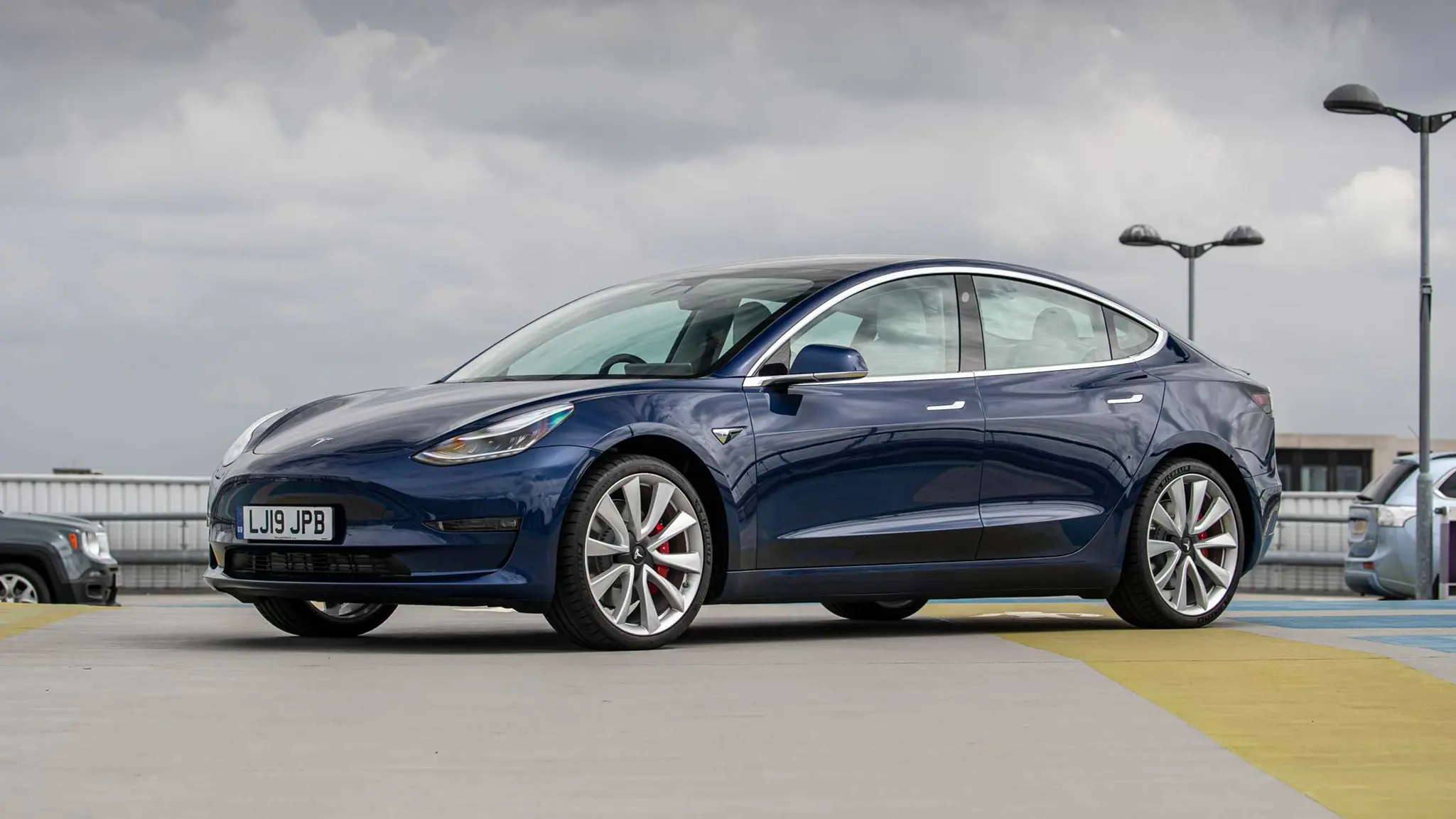
Used electric car values have fallen significantly since the peak of 2022 — making 2026 one of the best times in recent memory to buy a nearly-new EV at a fraction of its original price. This guide explains where the value lies, which models to prioritise, and what to check before buying.
Used EV Market 2026: Key Facts for UK Buyers
The used electric car market has undergone a dramatic reset since 2022–2023 when supply constraints and government incentives pushed used EV prices to near-new levels. By 2026, increased new EV supply, improved charging infrastructure, and growing consumer familiarity have normalised used EV pricing — creating genuine opportunities for buyers who know where to look.
| Vehicle Age | Typical Remaining Value vs New | Example: Nissan Leaf 40kWh |
|---|---|---|
| 1 year old | 65–75% of new price | New: £32,000 / Used: £21,000–£24,000 |
| 2 years old | 55–65% of new price | Used: £17,600–£20,800 |
| 3 years old | 45–55% of new price | Used: £14,400–£17,600 |
| 4 years old | 35–45% of new price | Used: £11,200–£14,400 |
| 5 years old | 25–40% of new price | Used: £8,000–£12,800 |
These figures are indicative — premium models such as the Tesla Model 3 and Kia EV6 hold value better than mainstream models; early Nissan Leafs and Renault Zoes depreciate more steeply.
Why 2026 Is a Good Time to Buy a Used EV
Several converging factors have improved the used EV buying opportunity in 2026 specifically:
Increased supply: The significant growth in new EV registrations from 2021–2024 means a growing pool of two to four-year-old used examples is now entering the market — providing genuine choice at every price point.
Stabilised technology: First-generation EVs from 2017–2019 introduced real-world range anxiety and battery degradation concerns that deterred used buyers. Cars from 2021 onward benefit from improved battery chemistry, better thermal management, and significantly larger battery packs that degrade more slowly as a percentage of total capacity.
Improved infrastructure: The UK’s rapid charging network has expanded substantially — making range anxiety a diminishing concern for buyers who previously hesitated about EV ownership. The gov.uk EV charging infrastructure data shows consistent quarter-on-quarter growth in rapid charger availability.
Clear running cost advantage: At 2026 electricity prices, a used EV costs approximately 2–5p per mile to run on a home charger versus 12–18p per mile for an equivalent petrol car. On 10,000 miles per year, this represents a saving of £700–£1,300 annually — enough to offset a meaningful portion of any price premium over an equivalent used petrol vehicle.
The Best Used EVs to Buy in 2026
Best Value Used EV: Nissan Leaf (2018–2022)
A three to five-year-old Nissan Leaf in 40kWh specification is available from £10,000–£16,000— making it the most affordable used EV entry point with a reasonable range (150–180 miles real-world). The Leaf’s CHAdeMO rapid charging standard has become less common at UK chargers than CCS (the European standard), which is a practical limitation worth acknowledging. Battery health checks are essential — the Leaf lacks active thermal management, meaning examples from hot climates or those charged frequently to 100% may show notable capacity degradation.
Best Used Premium EV: Tesla Model 3 (2021–2023)
A two to three-year-old Tesla Model 3 Long Range is available from £26,000–£32,000 — representing exceptional value against its original £50,000+ new price. Tesla’s battery longevity is among the best in the industry; 2021–2023 Model 3s consistently show less than 5% battery capacity degradation at 50,000 miles. The Supercharger network remains the most reliable rapid charging experience in the UK. Software updates delivered over-the-air have kept the user experience current regardless of car age.
Best Used Family EV: Kia EV6 (2022–2024)
A two-year-old Kia EV6 is available from £28,000–£35,000 versus a new price of £45,000+ — a saving of £10,000–£17,000 for a car that is still covered by the remaining portion of Kia’s seven-year warranty (transferable to subsequent owners). The EV6’s 800V architecture delivers exceptional rapid charging speed, its real-world range of 280–320 miles is genuinely practical, and its interior quality remains competitive with premium alternatives.
Best Used City EV: Renault Zoe (2020–2022)
For urban buyers who primarily need a city runabout with home charging, a three-year-old Renault Zoe 52kWh at £10,000–£14,000 provides 200+ miles of real-world range, compact dimensions ideal for urban parking, and CCS rapid charging compatibility on later examples. Check that the battery is owned outright rather than leased — earlier Zoes were sold with a battery lease arrangement that creates ongoing monthly costs.
For buyers considering an EV alongside PHEV alternatives, our best plug-in hybrid cars guidecovers the full range of electrified options and where each makes sense. For those considering a new rather than used EV in the small car segment, the Renault Megane E-Tech is worth comparing as a new alternative.
What to Check When Buying a Used EV
Battery health report: The most important check unique to EVs. Most manufacturers provide a battery health check through their dealer network or via a diagnostic tool. Look for remaining capacity above 80% of original — below this, range reduction becomes noticeable in daily use.
Charging history: Frequent rapid charging and regular charging to 100% accelerates battery degradation. A car predominantly home-charged to 80% will have better battery health than one that spent its life at motorway services.
Software version: Check that the car’s software is current — most EVs receive over-the-air updates, but some require dealer visits for major software revisions. An outdated software version may indicate a car that has not been properly maintained.
Charging cable and accessories: Confirm the car comes with its Type 2 charging cable (for home and public AC charging) and, where applicable, a CCS rapid charging cable or adaptor. Replacement cables cost £150–£400.
Is it safe to buy a used electric car in 2026?
Yes — buying a used EV from a reputable dealer with a battery health report is now a well-understood process. The key risk (battery degradation) is quantifiable and manageable with the right checks. Private purchases carry more risk as battery health reports are less consistently available — a dealer purchase with warranty protection is recommended for first-time EV buyers.
How long do EV batteries last?
Most modern EV batteries are warranted for eight years or 100,000 miles against significant capacity loss (typically defined as below 70% of original capacity). Real-world data from Tesla, Nissan, and Kia suggests that well-maintained batteries frequently exceed these thresholds, with many examples showing less than 10% degradation at 100,000 miles.
What is the cheapest used electric car in the UK in 2026?
The most affordable used EVs in the UK are early Nissan Leafs (24kWh, pre-2016 examples from £3,000–£6,000) and Renault Zoes (from £5,000–£8,000). For a used EV with sufficient range for practical daily use (150+ real-world miles), budget £10,000–£14,000 for a 2019–2021 example with an owned battery.
Does the government grant apply to used electric cars?
The UK government’s plug-in car grant currently applies only to new electric car purchases at eligible dealers. There is no equivalent grant for used EV purchases. However, the Workplace Charging Scheme provides subsidies for home and workplace charger installation, which applies regardless of whether the vehicle is new or used.
Should I buy a used EV or a new PHEV for the same money?
At the £25,000–£35,000 price point, a two to three-year-old used EV (Tesla Model 3, Kia EV6, Hyundai Ioniq 5) typically offers more total technology and driving experience than a new PHEV at the same price. The trade-off is warranty coverage — a new PHEV has full manufacturer warranty while a used EV has whatever remains of its original cover. For buyers with home charging, the used EV is usually the stronger value proposition; for buyers without charging access, the new PHEV provides more flexibility.





