
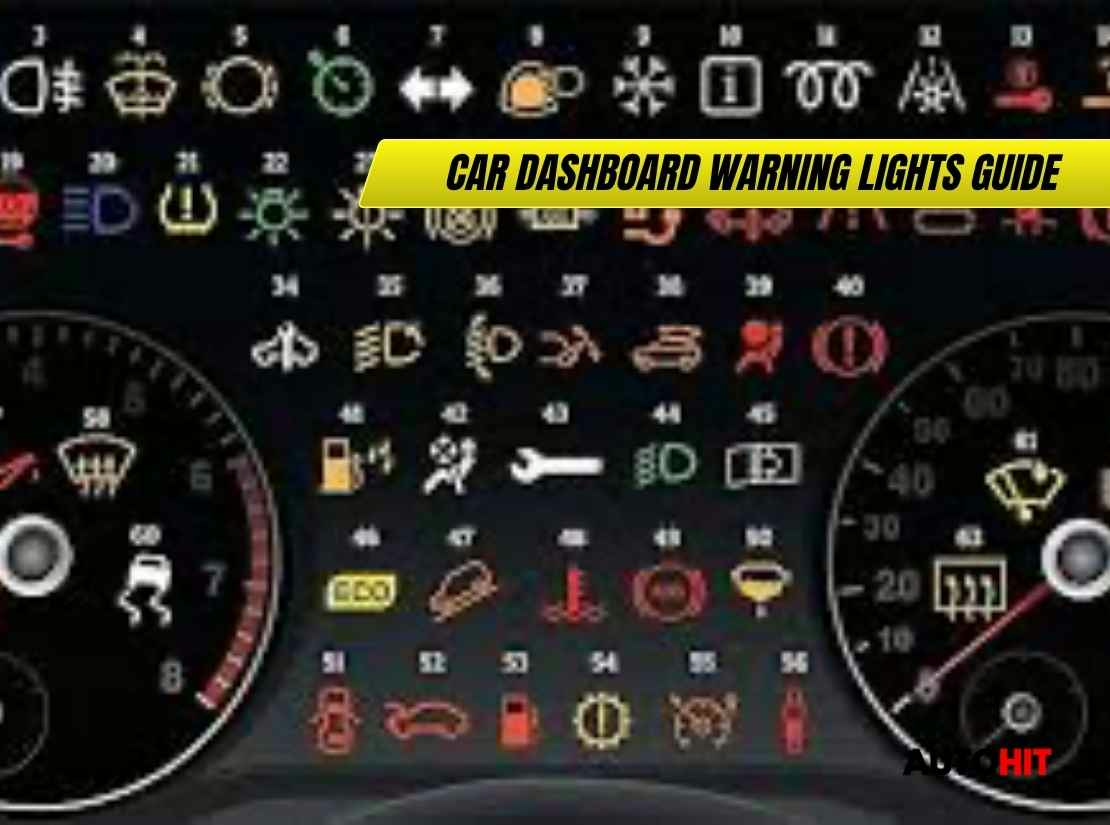
Complete guide to car dashboard warning lights including red emergency alerts, amber cautions, and when to stop driving. Essential UK driver safety information and troubleshooting tips.
There’s something uniquely unsettling about seeing an unfamiliar warning light illuminate on your car’s dashboard, especially when you’re miles from home on a dark winter evening. According to our analysis at AutoHit, dashboard warning lights represent one of the most misunderstood aspects of modern motoring, with surveys showing that over 60% of UK drivers can’t correctly identify critical warning symbols that could prevent serious engine damage or safety hazards. Having researched extensively with automotive technicians, breakdown services, and driving instructors across Britain, we’ve compiled the definitive guide to understanding what your car is trying to tell you.
Modern vehicles use sophisticated monitoring systems that constantly check dozens of critical functions, from engine performance to safety systems. When these systems detect problems, they communicate through a universal language of coloured symbols that can mean the difference between a minor inconvenience and a catastrophic breakdown. The challenge for drivers is interpreting these electronic hieroglyphics correctly and responding appropriately.
We’ve spent considerable time investigating real-world scenarios where misunderstood warning lights led to expensive repairs, dangerous situations, or unnecessary panic. This guide provides the knowledge you need to respond confidently when dashboard lights appear, understand which ones require immediate action, and know when you can safely continue driving versus when you should stop immediately.
Understanding the Warning Light System
Modern dashboard warning lights follow international standards that create consistency across manufacturers, though subtle variations exist between brands and models.
The Universal Colour Code
Green Lights: Confirmation that a system is active and operating normally. These lights inform rather than warn, indicating that features like indicators, headlights, or fog lamps are switched on as intended.
Blue Lights: Attention indicators that require awareness but not immediate action. Most commonly seen with full beam headlights activated or when the engine is warming up in very cold conditions.
Amber/Yellow Lights: Advisory warnings indicating developing problems that require attention soon but don’t necessarily demand immediate stopping. These suggest system malfunctions that could worsen if ignored.
Red Lights: Critical alerts requiring immediate attention and often immediate stopping. Red warnings indicate serious safety hazards or impending mechanical failure that could cause dangerous situations or expensive damage.
White Lights: Informational displays providing general vehicle status updates without indicating problems or required actions.
How Modern Warning Systems Work
Contemporary vehicles employ multiple sensors throughout the engine, transmission, braking, and safety systems that continuously monitor performance parameters. When readings fall outside acceptable ranges, the Engine Control Unit (ECU) triggers appropriate warning lights while storing diagnostic codes that technicians can read to identify specific problems.
This system represents a significant advancement over older vehicles that relied on basic gauge readings and driver observation. Modern monitoring can detect developing problems before they become serious, potentially saving thousands in repair costs and preventing dangerous breakdowns.
Green Warning Lights: Normal Operation Indicators
Green lights confirm that requested systems are operating correctly and should never cause concern.
Direction Indicators
The familiar flashing arrow symbols confirm that your indicators are operating when you’ve requested them. If these lights flash unusually fast, it typically indicates a blown bulb in the corresponding indicator lamp.
Position and Sidelights
A simple outline of a light bulb confirms that your sidelights are illuminated. This light should appear whenever you’ve switched on your lights during darkness or poor visibility conditions.
Dipped Headlights
An angled beam symbol shows that your dipped headlights are active. This should illuminate automatically in many modern cars when light sensors detect darkness or when you manually activate the headlights.
Front Fog Lights
A symbol showing a lamp with wavy lines and a grid pattern confirms that front fog lights are operating. Remember that fog lights should only be used when visibility is severely reduced and must be switched off when conditions improve.
Blue Warning Lights: Attention Required
Blue lights are relatively uncommon but important for driver awareness and safety.
Full Beam Headlights
The most common blue warning shows a headlight symbol with straight parallel lines, indicating that full beam headlights are active. This serves as a reminder to dip your lights when meeting oncoming traffic or following other vehicles closely.
Cold Engine Warning
Some vehicles, particularly those with LPG or CNG fuel systems, display a blue thermometer symbol when the engine is still warming up. This indicates that the engine hasn’t reached optimal operating temperature and may run slightly differently until fully warmed.
The cold engine warning typically disappears within 2-5 minutes of starting, depending on ambient temperature and driving conditions. Extended illumination may indicate thermostat problems or cooling system issues requiring investigation.
Amber/Yellow Warning Lights: Caution and Maintenance
Amber warnings represent the largest category of dashboard lights, indicating various conditions from routine maintenance requirements to developing mechanical problems.
Fuel Level Warning
The petrol pump symbol is probably the most familiar amber warning, indicating low fuel levels. Most vehicles trigger this warning when 50-80 miles of range remain, though the exact threshold varies between manufacturers.
Modern fuel level warnings often include distance-to-empty calculations based on recent fuel consumption patterns, providing more accurate range estimates than simple gauge readings.
Engine Management Light
One of the most anxiety-inducing amber warnings, the engine management light (often showing an engine outline or “check engine” text) indicates problems with the engine control system.
Steady Light: Usually indicates emissions-related problems such as faulty oxygen sensors, catalytic converter issues, or fuel injection problems. While not immediately dangerous, continued driving may cause additional damage and should be investigated promptly.
Flashing Light: Indicates serious engine problems, typically misfiring that could damage the catalytic converter. Reduce speed immediately and seek professional diagnosis as soon as possible.
Glow Plug Warning (Diesel Vehicles)
Diesel vehicles display a coiled wire symbol when the glow plug pre-heating system is active. This light should extinguish within 10-30 seconds after starting, depending on ambient temperature.
If the glow plug warning remains illuminated or flashes after the engine starts, it indicates problems with the glow plug system that could affect cold starting performance and emissions.
Tyre Pressure Monitoring System (TPMS)
A cross-sectional tyre symbol with an exclamation mark indicates that one or more tyres have insufficient pressure. This system helps maintain optimal fuel economy, tyre life, and safety.
TPMS warnings can trigger due to temperature changes, slow leaks, or recent tyre pressure adjustments. Check all tyre pressures including the spare when this warning appears, and remember that tyre pressures naturally decrease in cold weather.
Service/Maintenance Warning
A spanner or wrench symbol typically indicates that scheduled maintenance is due. This might signal service intervals, oil changes, or other routine maintenance requirements based on mileage or time intervals.
Some vehicles display specific maintenance requirements such as “Oil Change Due” or “Service Required” rather than generic symbols, providing clearer guidance on required actions.
AdBlue Warning (Modern Diesels)
Vehicles with Selective Catalytic Reduction (SCR) systems display warnings when AdBlue fluid levels are low. This system is essential for meeting emissions standards and the vehicle may refuse to start if AdBlue is completely depleted.
AdBlue warnings typically appear with sufficient advance notice to arrange refilling, but ignoring these warnings can result in costly recovery and refilling services.
Red Warning Lights: Immediate Action Required
Red dashboard warnings indicate serious problems requiring immediate attention and often immediate stopping to prevent damage or ensure safety.
Battery/Charging System Warning
A battery symbol indicates that the charging system isn’t maintaining proper battery voltage, typically due to alternator failure, drive belt problems, or battery issues.
If this warning appears while driving, switch off non-essential electrical systems and proceed to the nearest safe location. Complete electrical failure will follow within 20-60 minutes depending on battery condition and electrical load.
Oil Pressure Warning
An oil can symbol indicates insufficient engine oil pressure, often due to low oil levels, oil pump failure, or serious engine wear. This is one of the most serious warnings possible.
Immediate Action Required: Stop the engine immediately when safe to do so. Continuing to drive with low oil pressure will cause catastrophic engine damage within minutes. Check oil levels and top up if necessary, but seek professional diagnosis if the warning persists.
Airbag System Warning
A seated figure with a circle (representing an airbag) indicates problems with the supplementary restraint system. While not immediately dangerous for continued driving, this warning means airbags may not deploy correctly in an accident.
The airbag warning should briefly illuminate when starting the engine then extinguish. Persistent illumination requires professional diagnosis to ensure occupant protection systems function correctly.
Brake System Warning
A circle with brackets on either side (representing brake pads and disc) or the word “BRAKE” typically indicates either the handbrake is engaged or there are problems with the brake system.
First Check: Ensure the handbrake is fully released. If the warning persists, it may indicate low brake fluid, brake pad wear, or hydraulic system problems. Do not continue driving with persistent brake warnings unless absolutely necessary for safety.
Door/Boot Open Warning
Simple outline symbols show when doors, bonnet, or boot are not properly closed. While not immediately dangerous at low speeds, these warnings prevent safe motorway driving and should be addressed before continuing.
Coolant Temperature Warning
A thermometer in liquid symbol indicates engine overheating, typically due to coolant leaks, thermostat failure, or cooling system problems.
Immediate Action: Stop the engine as soon as safely possible. Continued driving with an overheated engine will cause expensive damage to cylinder heads, gaskets, and other components. Allow the engine to cool completely before investigating further.
Power Steering Warning
A steering wheel symbol with an exclamation mark indicates power steering system problems. While mechanical steering remains functional, significantly increased steering effort will be required.
Take extra care during parking manoeuvres and low-speed turns where power assistance is most noticeable. Highway driving is generally safe but requires increased physical effort for steering inputs.
White Warning Lights: Information Displays
White lights provide general information about vehicle status without indicating problems or required actions.
Seatbelt Reminder
A seated figure with a diagonal line indicates that seatbelts are not fastened. Modern systems often include audible warnings and may display which specific seats have unfastened belts.
Cruise Control Active
Various symbols indicate when cruise control systems are active, often showing “CRUISE” text or a speedometer symbol. Some systems distinguish between active cruise control and speed limiters.
Parking Sensors/Camera Active
Symbols indicating when parking assistance systems are active, often showing ultrasonic waves or camera icons when reverse gear is selected or parking systems are manually activated.
When to Stop Immediately vs Continue Driving
Understanding which warnings require immediate stopping versus continued careful driving can prevent unnecessary panic while ensuring safety.
Stop Immediately
- Oil pressure warning (red)
- Coolant temperature warning (red)
- Brake system warning (if not handbrake-related)
- Any warning accompanied by unusual noises, smells, or vehicle behaviour
Safe to Continue with Caution
- Most amber/yellow warnings
- Battery warning (head to nearest safe destination)
- Power steering warning (reduce speed, increase following distance)
- Tyre pressure warning (check pressures as soon as practical)
Professional Assessment Required Soon
- Engine management light (steady)
- Airbag system warning
- ABS warning light
- Electronic stability control warnings
Modern Vehicle Complexity and Warning Systems
Contemporary vehicles include dozens of monitoring systems that previous generations lacked, creating more warning lights but also better protection against mechanical failure.
Advanced Driver Assistance Systems (ADAS)
Modern cars monitor lane departure, blind spot detection, automatic emergency braking, and adaptive cruise control systems, each with specific warning lights and procedures.
Hybrid and Electric Vehicle Warnings
Electrified vehicles include additional warning systems for high-voltage components, battery management, and regenerative braking systems that require specific knowledge and professional service.
Connectivity and Software Systems
Internet-connected vehicles can display warnings related to software updates, connectivity issues, and telematics systems that didn’t exist in previous automotive generations.
What to Do When Warning Lights Appear
Systematic responses to warning lights help ensure safety while avoiding unnecessary panic or expensive mistakes.
Immediate Assessment
- Note the colour and symbol – This determines urgency level
- Check vehicle behaviour – Unusual noises, smells, or handling
- Consider location and safety – Can you safely stop if necessary?
- Consult owner’s manual – Specific guidance for your vehicle
Safe Stopping Procedures
When red warnings require immediate stopping:
- Signal clearly and move to the leftmost safe position
- Activate hazard lights before and after stopping
- Exit safely away from traffic if possible
- Call for professional assistance rather than attempting roadside repairs
Continued Driving Decisions
For amber warnings that don’t require immediate stopping:
- Reduce speed and increase following distances
- Plan shortest route to destination or service facility
- Monitor vehicle behaviour for any changes
- Avoid motorway driving if the warning suggests potential breakdown
Documentation and Professional Help
Proper documentation and knowing when to seek professional help can save time and money while ensuring safety.
Recording Warning Information
- Take photos of illuminated warnings if safe to do so
- Note circumstances when warnings appeared
- Record any symptoms – noises, smells, handling changes
- Check owner’s manual for manufacturer-specific guidance
Choosing Professional Help
- Breakdown services for roadside emergencies
- Local garages for non-urgent diagnosis and repair
- Manufacturer dealers for warranty issues or complex electronic problems
- Specialists for specific systems like air conditioning or automatic transmissions
Prevention and Maintenance
Regular maintenance and proper driving habits can prevent many warning light scenarios from developing.
Routine Checks
- Weekly: Tyre pressures, fluid levels, lights function
- Monthly: Battery terminals, belts and hoses visual inspection
- Before long journeys: Comprehensive check of all systems
Driving Habits
- Allow warm-up time in cold weather
- Address warnings promptly rather than ignoring them
- Maintain service schedules according to manufacturer recommendations
- Keep documentation current including service records and owner’s manual
Insurance and Breakdown Cover Considerations
Understanding how warning lights relate to insurance claims and breakdown cover can affect your response to different scenarios.
Breakdown Cover
Most breakdown policies cover mechanical failures indicated by warning lights, but may exclude problems arising from neglected maintenance or continued driving against advice.
Insurance Claims
Some insurance policies require immediate professional attention for certain warning lights to maintain coverage for subsequent damage claims.
Cost Implications of Ignoring Warnings
Understanding the potential costs of ignoring different warning lights helps prioritise responses and maintenance budgets.
Minor Neglect Consequences
Ignoring amber warnings like service reminders or tyre pressure alerts typically results in:
- Reduced fuel economy
- Premature component wear
- Higher maintenance costs over time
- Potential MOT failures
Major Neglect Consequences
Ignoring red warnings or driving with serious amber warnings can cause:
- Complete engine failure (£3,000-10,000+ repair costs)
- Transmission damage (£2,000-5,000 repair costs)
- Safety system failures affecting insurance coverage
- Recovery and accommodation costs during breakdowns
Final Assessment: Your Dashboard Speaks, Learn to Listen
Modern car dashboard warning lights represent sophisticated communication systems designed to protect both your safety and your wallet. Understanding this electronic language empowers you to respond appropriately when problems arise, potentially saving thousands in repair costs while ensuring your safety and that of other road users.
The key insight is that warning lights are your allies, not your enemies. They provide advance notice of developing problems that previous generations of drivers discovered only when catastrophic failure occurred. Learning to interpret and respond to these warnings appropriately represents essential modern driving skills.
For UK drivers, where breakdown services are comprehensive and garages widespread, dashboard warnings rarely result in genuine emergencies when handled correctly. The important thing is responding proportionally – taking immediate action for red warnings while addressing amber warnings promptly but without panic.
Remember that your owner’s manual contains manufacturer-specific information about your vehicle’s warning systems. While this guide provides general guidance applicable to most vehicles, individual models may have unique features or procedures that require specific knowledge.
Frequently Asked Questions
What should I do if multiple warning lights come on at the same time?
Multiple simultaneous warning lights often indicate a single underlying problem affecting several systems, typically electrical issues like alternator failure or low battery voltage. The battery/charging warning usually appears first, followed by other systems as voltage drops. Stop safely as soon as possible and seek professional help – attempting to continue driving with multiple warnings risks serious damage and safety hazards. If you must continue briefly to reach safety, switch off all non-essential electrical systems (air conditioning, radio, heated seats) to conserve battery power. Multiple red warnings always require immediate stopping, while multiple amber warnings suggest seeking professional diagnosis as soon as practical.
Can I drive to a garage when the engine management light is on?
This depends on how the light behaves and any accompanying symptoms. A steady amber engine management light typically indicates emissions-related problems that won’t cause immediate damage – you can usually drive carefully to a garage at reduced speeds, avoiding motorways and sudden acceleration. However, a flashing engine management light indicates serious problems like engine misfiring that can damage expensive components like catalytic converters – stop as soon as safely possible. Never ignore accompanying symptoms like unusual noises, loss of power, rough running, or strange smells. When in doubt, arrange professional diagnosis rather than risk expensive damage from continued driving.
How long can I drive with the low fuel warning light on?
Most vehicles trigger the low fuel warning with 50-80 miles of remaining range, though this varies between manufacturers and depends on your driving style and conditions. Modern cars often display estimated range based on recent fuel consumption, which provides more accurate guidance than the warning light alone. However, running very low on fuel can damage the fuel pump (which relies on petrol for cooling and lubrication) and may cause the engine to cut out unexpectedly, creating dangerous situations. Plan to refuel within 20-30 miles of the warning appearing, and avoid motorway driving when very low on fuel where breakdown would be particularly hazardous.
Why do tyre pressure warnings come on in cold weather even when pressures were recently checked?
Tyre pressure decreases by approximately 1-2 PSI for every 10°C temperature drop due to the physical properties of air. If you checked pressures during warm weather, they may drop below the warning threshold during cold spells without any actual leak or problem. This is normal physics, not a fault. However, always check actual pressures with a gauge rather than assuming it’s just temperature-related – cold weather can also reveal slow leaks or damage that wasn’t apparent in warmer conditions. Adjust pressures according to your vehicle’s specifications (found in the owner’s manual or door frame label) and remember that pressures should be checked when tyres are cold.
Are there any warning lights that definitely mean I need to call breakdown services immediately?
Yes, several red warning lights indicate situations where you should stop immediately and call for professional help rather than attempting to continue: oil pressure warnings (continuing risks complete engine destruction), coolant temperature warnings (engine overheating can cause expensive damage within minutes), and brake system warnings unrelated to the handbrake (compromised braking safety). Additionally, any warning accompanied by unusual noises, smells (especially burning), or visible smoke requires immediate professional attention. Battery/charging warnings need prompt action but you may be able to reach a safe destination first. When multiple red warnings appear simultaneously, always call breakdown services rather than attempting diagnosis yourself.
How can I tell if a warning light is serious enough to affect my car insurance or MOT test?
For insurance purposes, any warning light that could affect vehicle safety (brakes, steering, lights, airbags) or roadworthiness must be addressed promptly to maintain coverage. Continuing to drive with safety-related warnings could void insurance claims if accidents occur. For MOT tests, any warning light visible during the test will likely result in failure, regardless of the underlying cause. This includes engine management lights, airbag warnings, ABS warnings, and electronic stability control alerts. However, lights that are meant to be on (like seatbelt reminders for empty seats) don’t cause MOT failure. If you have warning lights before an MOT, have them diagnosed and resolved first to avoid test failure and potential retesting fees.
What’s the difference between dashboard warning lights in older cars versus modern vehicles?
Modern vehicles have significantly more warning lights due to increased electronic systems, safety features, and emissions controls that didn’t exist in older cars. Contemporary vehicles monitor dozens of systems continuously, providing early warning of developing problems that older cars would only reveal through complete failure. However, older vehicles often had simpler, more mechanical warning systems that drivers could sometimes diagnose and repair themselves. Modern warning lights require diagnostic computers for proper assessment but provide much earlier problem detection. The colour coding system has become more standardised, making modern warnings more consistent between manufacturers. Additionally, modern cars often provide more specific information through display screens rather than just generic warning symbols.
Conclusion
Dashboard warning lights represent your vehicle’s primary communication system, designed to protect your safety and prevent expensive damage through early problem detection. Understanding these electronic signals and responding appropriately can save thousands in repair costs while ensuring reliable, safe transportation.
The most important insight is that modern warning systems are sophisticated allies that provide advance notice of developing problems. Learning to interpret these warnings correctly and respond proportionally – immediate action for red alerts, prompt attention for amber warnings, and simple acknowledgment for green confirmations – represents essential knowledge for contemporary driving.
For UK drivers, the combination of comprehensive breakdown services, widespread garage networks, and generally excellent road infrastructure means that warning light situations rarely become genuine emergencies when handled correctly. The key is understanding what your car is telling you and responding with appropriate urgency while avoiding unnecessary panic or expensive mistakes from misinterpreted signals.





