
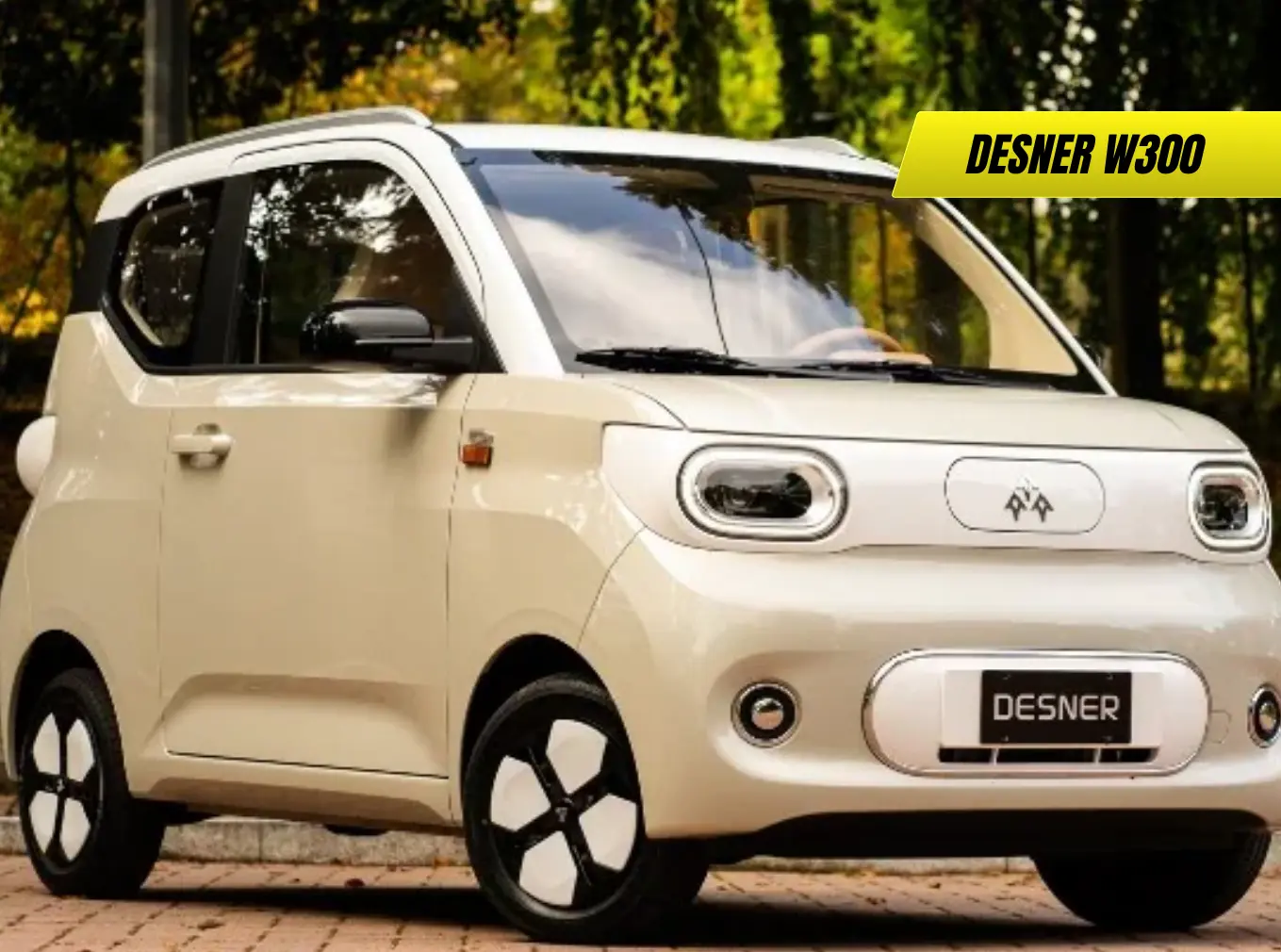
Desner W300 UK review: Chinese luxury MPV with executive features, pricing from £52,000, limousine-style comfort and how it compares to Mercedes V-Class. The Desner W300 represents an ambitious entry into the luxury MPV segment from Chinese manufacturer Desner, targeting buyers seeking Mercedes V-Class levels of comfort and space at significantly reduced pricing. Available in the UK through specialist importers, this seven-seat people carrier emphasizes rear passenger luxury over driving dynamics, with pricing starting from approximately £52,000 for well-equipped specifications. The W300 demonstrates how Chinese manufacturers are moving upmarket into premium segments previously dominated by European brands.
Executive MPV dimensions and design
Measuring 5,346 mm long, 1,976 mm wide and 1,990 mm tall, the W300 occupies genuine full-size MPV territory with dimensions exceeding even the Mercedes V-Class. The 3,200 mm wheelbase creates exceptional interior space for second and third-row passengers, prioritizing limousine-style comfort over external compactness. At nearly 5.4 metres long, the W300 demands careful maneuvering on narrow British roads and tight car parks, though rear-wheel drive and relatively compact turning circle aid low-speed maneuverability.
The exterior design employs clean lines with a prominent chrome grille, sleek LED headlights and substantial body-colored panels that emphasize the vehicle’s premium positioning. Sliding rear doors on both sides simplify access in tight spaces, whilst the tall roofline maximizes headroom throughout the cabin. From my perspective, the W300’s styling prioritizes function over fashion, avoiding controversial design elements that might date quickly in favor of conservative elegance.
Limousine-style cabin luxury
The W300’s cabin showcases executive-focused luxury through high-quality materials, meticulous assembly and limousine-style second-row seating. The seven-seat 2+2+3 configuration positions two individual captain’s chairs in the second row with aircraft-style fold-out tables, multiple adjustment controls and heated/ventilated functionality. Premium Nappa leather upholstery covers all seating surfaces, whilst wood trim adorns door panels and dashboard sections to reinforce the luxury positioning.
A panoramic sunroof spans the entire roof length, flooding the cabin with natural light whilst remaining operable to provide ventilation. Ambient lighting in multiple colors creates sophisticated evening atmospheres, whilst acoustic laminated glass throughout maintains exceptional refinement at motorway speeds. Second-row passengers control their seating position, climate settings and entertainment through dedicated touchscreen panels integrated into armrests.
Desner W300 interior features
| Feature | Specification |
|---|---|
| Seating configuration | 2+2+3 (seven seats) with captain’s chairs |
| Upholstery | Nappa leather throughout |
| Second-row amenities | Heated/ventilated/massaging seats, fold-out tables, screens |
| Climate control | Four-zone automatic with individual rear controls |
| Sunroof | Full-length panoramic with electric operation |
| Audio | Premium system with multiple speakers |
Rear entertainment and connectivity
Second-row passengers enjoy individual entertainment screens mounted to front seatbacks, providing access to media playback, navigation information and climate controls. Wireless phone charging, multiple USB-C ports and 230V power outlets throughout enable connectivity for devices, whilst dedicated refrigerated compartments between seats store beverages at optimal temperatures. The W300 genuinely rivals luxury saloons for rear passenger amenity, exceeding even premium MPVs in equipment and comfort.
Powertrain and driving characteristics
The W300 employs a 2.0-litre turbocharged petrol engine producing 224 hp paired with an eight-speed automatic transmission and rear-wheel drive. Performance remains adequate rather than exciting, with 0-62 mph taking approximately 10 seconds—sufficient for motorway merging and overtaking without thrilling acceleration. The powertrain prioritizes smoothness and refinement over outright performance, matching the vehicle’s executive mission perfectly.
Fuel economy averages around 25-28 mpg in mixed UK driving—respectable given the substantial 2,300 kg kerb weight and unaerodynamic shape. The rear-wheel-drive layout provides balanced weight distribution that benefits handling, though buyers should exercise caution in winter conditions without all-wheel-drive traction. Optional air suspension on higher specifications enhances ride comfort further, though even the standard setup absorbs British road imperfections capably.
Comfort-focused dynamics
The W300 prioritizes passenger comfort above all other dynamic considerations, employing soft suspension tuning that isolates occupants from road irregularities at the expense of body control during spirited cornering. Steering feels light and vague, requiring multiple inputs to maintain straight-line tracking on uneven surfaces—acceptable for chauffeur duties but disappointing for drivers expecting engaging dynamics.
Refinement stands out as a particular strength, with exceptional sound insulation keeping wind noise, tyre roar and engine vibration to minimums even at UK motorway speeds. The automatic transmission shifts imperceptibly during gentle acceleration, though it hunts occasionally when climbing gradients or overtaking slower traffic. From my experience, the W300 excels when driven smoothly at moderate speeds, where its comfort advantages shine brightest.
Technology and driver assistance
The W300 includes comprehensive active safety systems including adaptive cruise control with stop-and-go functionality, lane-keeping assist with steering correction, blind-spot monitoring, autonomous emergency braking and traffic sign recognition. The systems function adequately though lack the polish and predictability of established European brands, occasionally intervening unnecessarily or failing to recognize temporary road markings.
A 360-degree camera system with multiple viewing angles simplifies parking the 5.3-metre MPV in tight UK spaces, whilst front and rear parking sensors provide audible distance warnings. The digital instrument cluster measures 12.3 inches with customizable displays, complemented by a central 10.25-inch touchscreen managing infotainment and vehicle settings. For understanding UK driving regulations, guides to UK speed camera regulations 2025 provide comprehensive coverage.
UK availability and pricing
The Desner W300 reaches UK buyers through specialist importers rather than official dealer networks, with pricing starting from approximately £52,000 for well-equipped specifications. This positions it significantly below the Mercedes V-Class which starts from £67,000, though buyers sacrifice established brand reputation and comprehensive dealer support for the cost savings. Warranty coverage varies depending on importer, typically offering three to five years with mileage limits around 60,000-100,000 miles.
Import processes add complexity versus purchasing mainstream vehicles, with longer lead times and potential complications regarding parts availability and service support. Buyers should verify warranty terms, service arrangements and parts supply chains carefully before committing to purchase, ensuring realistic expectations about ownership experience versus established European alternatives.
Running costs and ownership considerations
Fuel economy averaging 25-28 mpg translates to approximately 16p per mile at current UK petrol prices, whilst insurance grouping around 30-35 reflects the high replacement costs and limited specialist repair network. Service intervals follow manufacturer recommendations, though finding qualified technicians familiar with Desner vehicles may prove challenging outside major cities where importers concentrate operations.
Depreciation remains the largest ownership cost, with Chinese luxury vehicles historically suffering steeper value drops than established European alternatives. Buyers planning shorter ownership periods should factor realistic residual values into total cost calculations, potentially negating upfront savings versus more expensive European rivals that hold value better.
How it compares to established rivals
The W300 battles the Mercedes V-Class, Volkswagen Multivan and Toyota Proace Verso for luxury MPV buyers. The Mercedes offers superior build quality, established dealer networks and stronger residuals, though costs £15,000+ more in comparable specifications. The Volkswagen provides better driving dynamics and wider service availability, whilst the Toyota counters with legendary reliability and lower running costs.
From my assessment, the W300 suits buyers who prioritize rear passenger luxury and upfront value over brand prestige or maximum resale value, accepting limited dealer support for exceptional equipment levels at reduced pricing.
Frequently asked questions
Is the Desner W300 reliable?
Long-term reliability data remains limited given the brand’s recent UK market entry, though the powertrain employs proven components from established suppliers. Buyers should verify warranty coverage and service support thoroughly before purchase to mitigate potential issues.
How practical is the W300 for UK roads?
The 5.3-metre length and 2-metre width make narrow British lanes challenging, though rear-wheel drive and cameras aid maneuvering. It suits motorway cruising and urban chauffeur duties better than rural B-roads or tight city centers.
What is the real-world fuel economy?
Testing achieved 25-28 mpg in mixed driving, dropping toward 22 mpg in predominantly urban use and rising to 32 mpg on motorway cruises. The substantial weight and unaerodynamic shape limit efficiency despite modern engine technology.
How does it compare to the Mercedes V-Class?
The W300 undercuts the V-Class by £15,000+ whilst offering similar equipment and space, but Mercedes counters with superior build quality, established dealer network and stronger residuals. The choice depends on priorities between upfront savings versus long-term ownership security.
Is dealer support adequate in the UK?
Specialist importers concentrate in major cities, limiting convenient service access for buyers outside urban areas. Prospective owners should verify local service arrangements and parts availability before purchase to avoid future complications.
What warranty does Desner provide?
Coverage varies by importer, typically offering three to five years with 60,000-100,000 mile limits. Buyers should clarify exact terms including what components are covered and where warranty work can be performed.
Is the W300 suitable for chauffeur services?
The limousine-style second-row seating, exceptional refinement and executive amenities make it genuinely competitive for chauffeur duties, offering Mercedes comfort at significantly lower acquisition costs. Operators should factor limited dealer support and uncertain residuals into fleet planning.
The Desner W300 delivers genuine luxury MPV comfort and space at pricing that significantly undercuts established European alternatives, though buyers sacrifice brand prestige and comprehensive dealer support for the savings. It suits UK buyers who prioritize rear passenger amenity and upfront value over maximum resale value or established brand reputation, accepting limited service networks for exceptional equipment levels. For chauffeur services and executive transport where rear passenger comfort matters most, the W300 represents compelling value despite the compromises inherent in choosing emerging Chinese brands over established European manufacturers.





