
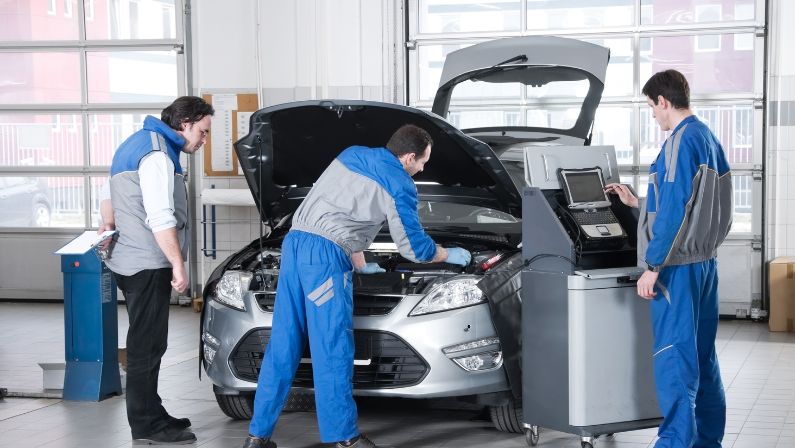
A full check-up is the best way to catch problems that are easy to miss during normal day-to-day driving. It brings together the most important safety, reliability and comfort checks in one routine, making it easier to spot wear before it becomes a fault.
Key Points
- A full check-up should cover tyres, brakes, battery, fluids, lights and wipers.
- Suspension and steering checks help identify issues that affect handling and safety.
- Interior comfort systems, including climate control, should be tested too.
- A quick visual inspection can catch leaks, damage and worn components early.
- A proper check-up is useful before long trips, seasonal changes or after winter.
- If anything feels different from normal, it should be investigated rather than ignored.
What a Full Check-Up Includes
A proper check-up goes beyond a glance at the dashboard. It should include all the systems that keep the car safe, legal and comfortable to drive, especially the parts most likely to wear with age or mileage.
That means looking at tyres, brakes, lights, battery health, fluid levels, steering, suspension and visibility equipment. If the car has any warning lights or unusual noises, those should be part of the check as well.
Why It Matters
Many faults begin as minor changes that are easy to dismiss. A slightly longer braking distance, a small vibration or a weak battery can all be early signs of a larger issue.
A full check-up is useful because it creates a proper baseline. Once you know what is normal, you are much more likely to notice when something changes.
When to Do It
A check-up is most valuable before a long journey, after winter or before seasonal weather changes. It is also a smart move if the car has been sitting unused for a while or if several small issues have started appearing.
If the car is used daily, a full check-up once or twice a year is usually enough to stay ahead of the most common wear items. More frequent checks make sense for high-mileage vehicles or cars used for towing or motorway driving.
What to Do If Something Is Wrong
If any part of the check-up reveals a fault, deal with it as soon as possible rather than waiting for the next service. Small issues often become more expensive when they are left until the car fails an MOT or breaks down.
The point of a full check-up is not just to list problems. It is to make the car safer, more reliable and less likely to surprise the driver later on.
What should a full car check-up include?
Tyres, brakes, battery, fluids, lights, wipers, steering and suspension are the core items. Comfort systems such as air conditioning and demisting should also be tested.
How often should I do a full check-up?
Once or twice a year is a sensible interval for most UK drivers. It is especially useful before long journeys or after harsh weather.
Do I need a mechanic for a full check-up?
Not always. Basic checks can be done at home, but if there are noises, warning lights or handling changes, a mechanic should inspect the car.
Why is a check-up useful before a long trip?
Because long journeys put more demand on tyres, brakes, fluids and cooling systems. Finding a weak point before leaving reduces the risk of breakdown.
What if the car feels normal?
Even if it feels normal, wear can still be present. A check-up helps catch hidden problems before they become obvious.
Is a full check-up the same as a service?
Not exactly. A service follows a scheduled maintenance plan, while a check-up is a broader inspection of the car’s current condition. The two work well together.
What is the most important thing to look for?
Anything that has changed since the last time the car was checked. Small changes are often the earliest warning signs.
Conclusion
A full car check-up is one of the most effective ways to keep a UK vehicle safe and dependable. By checking the systems that matter most and acting on small changes early, drivers can avoid many of the breakdowns and surprise repairs that happen later.





