
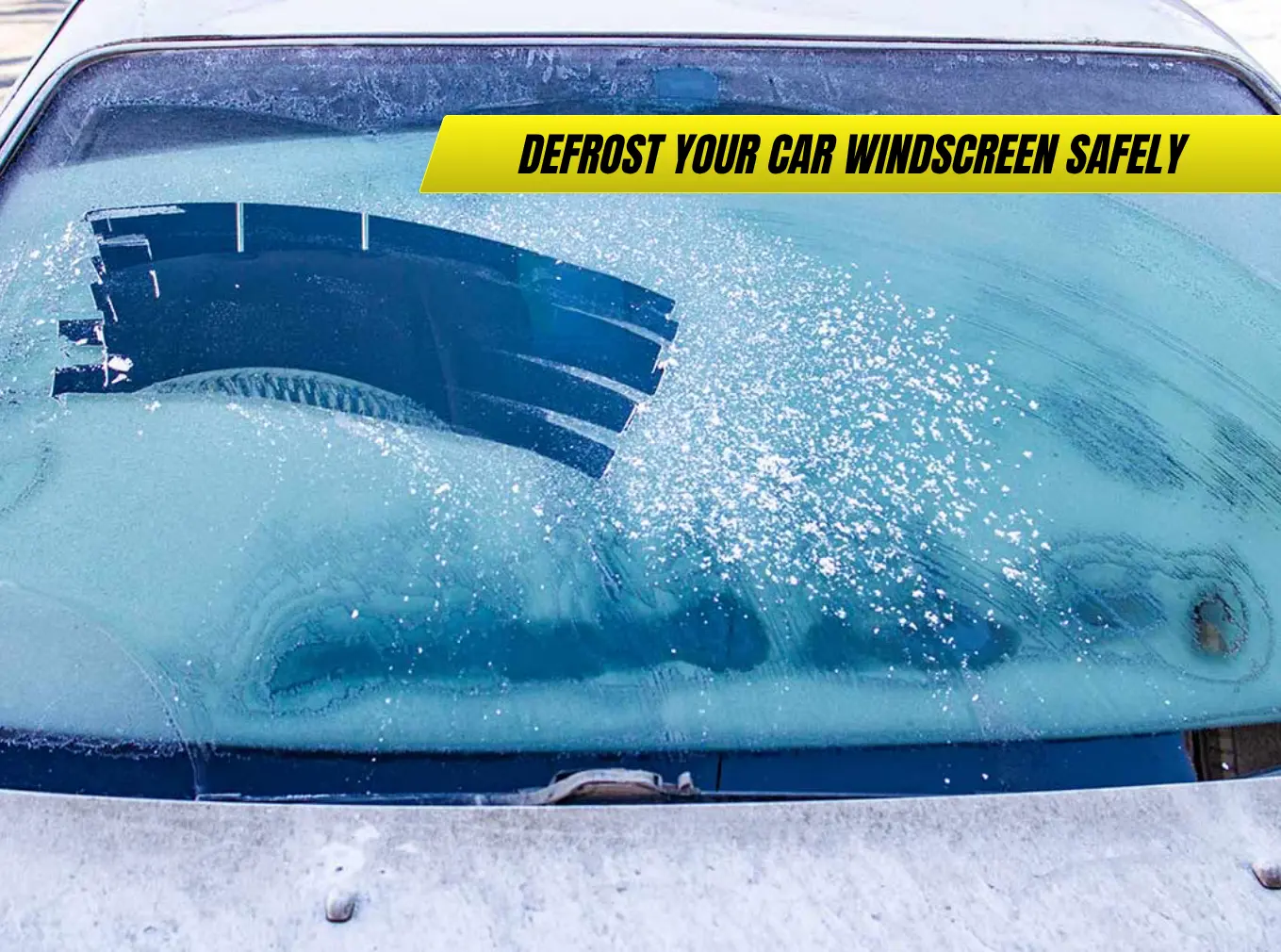
Cold mornings remain one of the UK driver’s least favourite challenges. In 2025, improved car heating systems and new defrosting products make life easier, yet many motorists still use unsafe or illegal techniques that can crack glass or cause fines.
Here’s the correct, efficient, and lawful way to defrost your windscreen without damaging your car.
Key Points
- Never drive until all windows and mirrors are fully clear—it’s illegal.
- Avoid using boiling water, which can crack the glass.
- The quickest method combines engine heating + de-icer spray + scraper.
- Average defrost time: 3–5 minutes for modern vehicles.
- Automatic climate systems and heated windscreens are the safest long-term solution.
Legal Rules for Defrosting in the UK
According to Rule 229 of the Highway Code, you must:
- Fully clear windscreens, mirrors, and number plates before driving.
- Remove snow or ice that could fall onto the road while in motion.
- Keep lights and indicators visible at all times.
Driving with limited visibility is an offence under the Road Traffic Act 1988, punishable by a £60 fine and 3 penalty points.
Never leave your car running unattended on a public road to warm up—it’s a common cause of vehicle theft and also a breach of anti-idling laws.
For more context on UK motoring laws, see UK Driving Licence Points – What Happens at 12 Points and How to Check Your Total.
Fastest Method to Defrost a Windscreen
Step 1 – Start the engine and set climate control to defrost.
Use low to medium fan speed with temperature at warm, not full heat, to avoid thermal shock.
Step 2 – Switch on rear and front defoggers.
Heated screens clear condensation faster than airflow alone.
Step 3 – Use a proper de-icer spray.
Apply evenly across the glass, wait 20–30 seconds, then wipe or scrape gently.
Step 4 – Scrape from the edges inward.
A plastic scraper is safest—never use metal objects or bank cards.
Step 5 – Finish with wipers once ice has softened.
Products and Tools That Work in 2025
| Tool | Function | Price Range |
|---|---|---|
| De-icer spray (chemical) | Melts surface frost quickly | £4–£8 |
| Plastic scraper | Removes thicker ice safely | £3–£5 |
| Heated windscreen | Clears glass in under 3 min | Factory-fitted |
| Remote start / app preheat | Defrosts automatically | Included in many EVs |
| Car cover or screen shield | Prevents overnight ice | £10–£20 |
Pro tip: Spray vinegar or rubbing alcohol (70% mix) can serve as an emergency homemade de-icer—but never use boiling or hot water.
What Not to Do
- No boiling water: the rapid temperature change can shatter or warp glass.
- No wipers on dry ice: it can tear blades and damage motors.
- No idling on public roads: fines apply under local air quality regulations.
- No sharp tools: scratching weakens the laminated glass surface.
For information on other dashboard warnings, check Handbrake Warning Light – What It Means and How to Fix It Safely.
Electric and Hybrid Vehicle Tips
EVs and plug-in hybrids often feature remote pre-conditioning—you can heat the cabin and defrost the windscreen using an app without starting the car.
Since heating draws power from the main battery, it’s best done while the vehicle is plugged in, preventing range loss.
Heated glass uses minimal energy (around 200–300 watts) and works faster than traditional defoggers.
Preventing Ice Build-Up Overnight
- Face the car east so morning sunlight helps melt ice naturally.
- Place a screen shield or microfibre blanket over the windscreen.
- Rub a small amount of glycerine on rubber door seals to stop them freezing shut.
- Use a garage or covered parking space if possible.
- Check washer fluid contains winter-grade antifreeze.
A few minutes of prevention each evening saves effort on frosty mornings.
Common Mistakes by UK Drivers
| Mistake | Risk | Safer Alternative |
|---|---|---|
| Pouring hot water | Cracked glass | Use de-icer spray |
| Using wipers on ice | Blade damage | Wait until defrosted |
| Leaving engine unattended | Theft & fine | Stay with vehicle |
| Defrosting only front glass | Reduced visibility | Clear all windows |
| Driving with fogged mirrors | Poor awareness | Use heated mirrors |
Expert Opinion
From my point of view, the safest defrost method is a controlled warm-up using your car’s ventilation system and a quality de-icer.
Rushing with boiling water or makeshift scrapers causes more damage than benefit.
In 2025, heated windscreens and smart climate apps make it easier than ever to clear frost quickly and legally.
FAQs
Can I drive with only part of the windscreen cleared?
No. It’s illegal and dangerous; all windows and mirrors must be fully clear.
Does hot water help defrost faster?
Never use hot water—it can crack cold glass instantly.
What’s the best de-icer for UK winters?
Any glycol- or alcohol-based spray rated for sub-zero temperatures.
How long should I warm the car before driving?
Around 2–3 minutes—just enough to soften ice and circulate warm air.
Are electric cars easier to defrost?
Yes. Most EVs include automatic defrost and preconditioning via app.
Clearing your windscreen properly isn’t just about comfort—it’s a legal safety requirement.
In my experience, combining de-icer, moderate cabin heating, and a good scraper is the quickest and safest way to handle frosty mornings.
With a bit of preparation, winter driving across the UK becomes smoother, safer, and far less stressful.





