
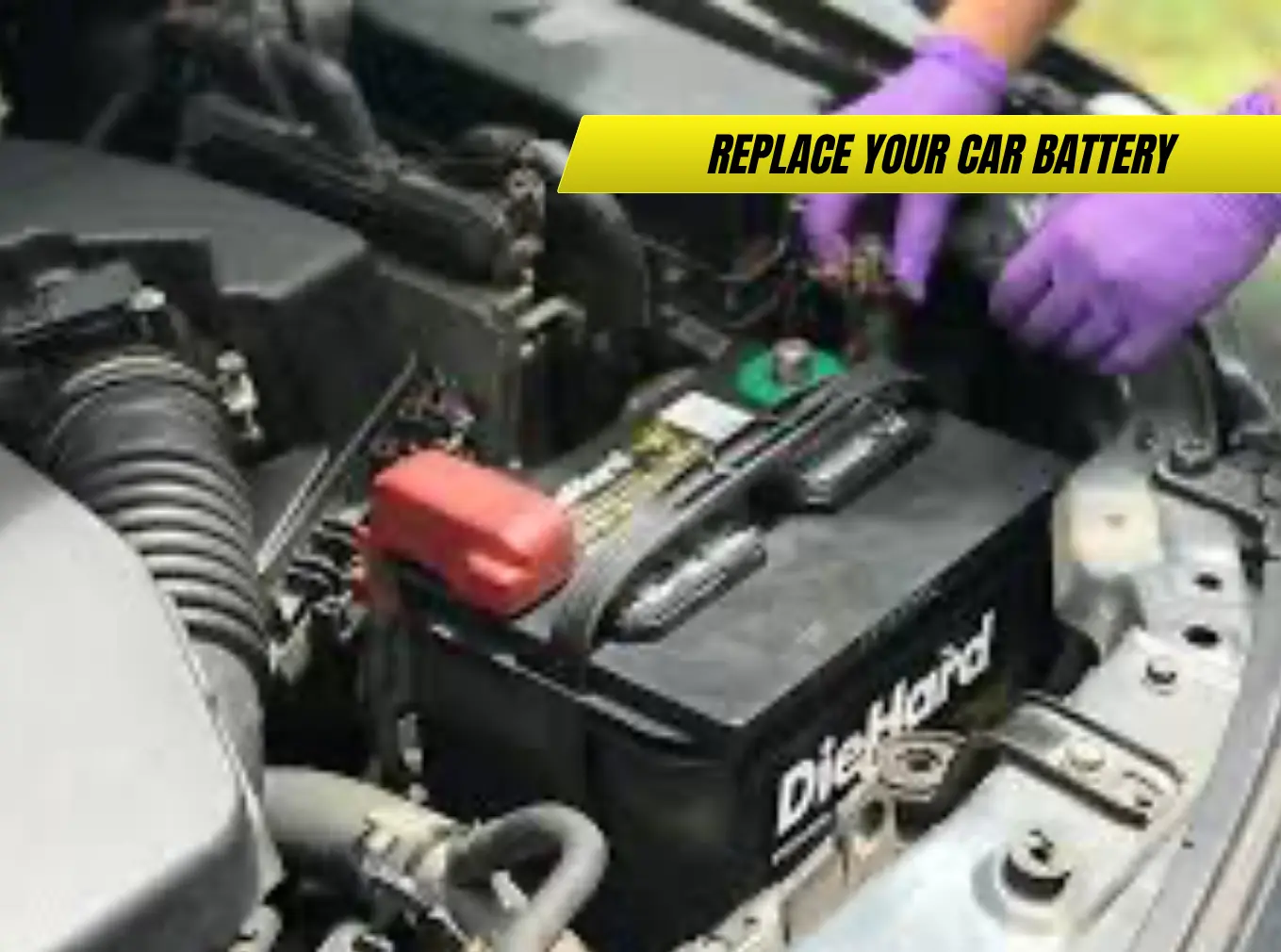
A weak or failing car battery is one of the most common reasons for vehicle breakdowns in the UK, especially during colder months. In 2025, batteries are smarter, but they still wear out. Recognising early warning signs can prevent costly repairs and inconvenient roadside failures.
Key Points
- Most car batteries last 3 to 5 years, depending on use and weather conditions.
- Warning signs include slow engine cranking, dim lights, and dashboard alerts.
- Replacement costs in the UK range from £80 to £200.
- Modern vehicles use AGM or EFB batteries for start-stop systems.
- Regular voltage checks and maintenance help avoid sudden failure.
Why Car Batteries Fail
A car battery supplies the electrical current needed to start the engine and power onboard electronics.
Failure occurs due to:
- Age and wear (lead plates deteriorate over time).
- Short trips that prevent full recharging.
- Extreme temperatures affecting chemical efficiency.
- Faulty alternators or parasitic drains that overwork the battery.
In the UK, cold winters and frequent stop-start traffic accelerate deterioration.
Signs Your Battery Needs Replacement
| Symptom | Likely Cause | Urgency |
|---|---|---|
| Engine cranks slowly | Weak charge | High |
| Electrical accessories flicker | Voltage instability | Medium |
| Battery warning light on | Charging fault or failure | High |
| Corrosion on terminals | Acid leak or poor connection | Medium |
| Clicking noise on start | Low voltage output | High |
If multiple systems—such as lights, infotainment, or start-stop—malfunction simultaneously, your battery is likely the culprit.
For reference on dashboard indicators, see Spanner Warning Light – What It Means and What to Do (UK Drivers Guide 2025).
How to Test Your Battery
1. Visual inspection:
Check for cracks, swelling, or corrosion around terminals. Clean with a mixture of baking soda and water.
2. Voltage check:
Use a multimeter or car diagnostic tool.
- A healthy battery should read 12.6–12.8 volts when off.
- Readings below 12.2 volts indicate partial discharge.
- Below 11.8 volts means replacement is due.
3. Load testing:
Garages and auto centres use load testers to simulate real-world starting demand. Many UK workshops offer free battery checks.
Typical Lifespan and Replacement Intervals
| Battery Type | Average Lifespan | Used In |
|---|---|---|
| Standard lead-acid | 3–4 years | Older cars |
| AGM (Absorbent Glass Mat) | 4–6 years | Start-stop systems |
| EFB (Enhanced Flooded Battery) | 4–5 years | Modern petrol/diesel |
| Lithium-ion (EV & hybrids) | 8–10 years | Electric vehicles |
If your car is equipped with start-stop technology, it requires an AGM or EFB battery designed to handle frequent restarting.
Replacement Costs in the UK 2025
| Vehicle Type | Battery Type | Average Cost (Installed) |
|---|---|---|
| Small car (Fiesta, Clio) | Standard lead-acid | £90–£120 |
| SUV or diesel | AGM | £150–£200 |
| Electric vehicle (12V system) | Lithium or AGM | £180–£250 |
| Premium hybrid | Lithium pack (auxiliary) | £250+ |
Most garages replace a battery within 30–45 minutes. Many national chains, including Kwik Fit and Halfords, offer free fitting when you buy in-store.
Dashboard Warning and Electrical Symptoms
When the battery is weak, you may see:
- Red battery icon or “Check Charging System” message.
- Start-stop system disabled automatically to preserve power.
- Flickering lights or radio resets when idling.
If these persist after long drives, your alternator may be undercharging or overcharging the system.
For guidance on related electrical issues, check Handbrake Warning Light – What It Means and How to Fix It Safely.
Preventive Maintenance
To extend battery life:
- Drive regularly for 20+ minutes to allow full charge cycles.
- Avoid leaving headlights or devices on when parked.
- Keep terminals clean and tight.
- Use a trickle charger if storing your vehicle for long periods.
- Park in a garage during extreme cold.
Electric vehicle owners should also avoid running 12V accessories for extended periods when the main system is inactive.
Recycling and Environmental Rules
Under the Battery Regulations 2023, UK garages and retailers must recycle all replaced units.
Old batteries are classified as hazardous waste and should never be disposed of with household rubbish.
Most retailers offer a £5–£10 return discount for bringing in your old battery.
Expert Opinion
From my point of view, most battery failures can be prevented with routine voltage checks and seasonal maintenance.
Drivers who ignore early signs—like sluggish starting or dim interior lights—end up facing avoidable breakdowns.
Investing in a reliable brand (Varta, Bosch, Yuasa) ensures consistent performance, especially in vehicles with heavy electronic loads.
FAQs
How often should I replace my car battery?
Every 3–5 years, depending on driving habits and climate.
Can I replace the battery myself?
Yes, if accessible—but ensure the correct type and reset your car’s memory if needed.
What voltage means a bad battery?
Below 12.0 volts after resting for 12 hours typically indicates failure.
Does short driving damage the battery?
Yes. Frequent short trips prevent full recharging, shortening lifespan.
Will my MOT fail if the battery is weak?
Not directly, but if it causes electrical or emission faults, the car may fail.
Replacing a car battery is a small expense compared to the inconvenience of being stranded.
In my experience, proactive replacement every few years and regular testing before winter ensures peace of mind.
With modern AGM and hybrid systems, British drivers in 2025 can enjoy reliable starts and better energy efficiency year-round.





