
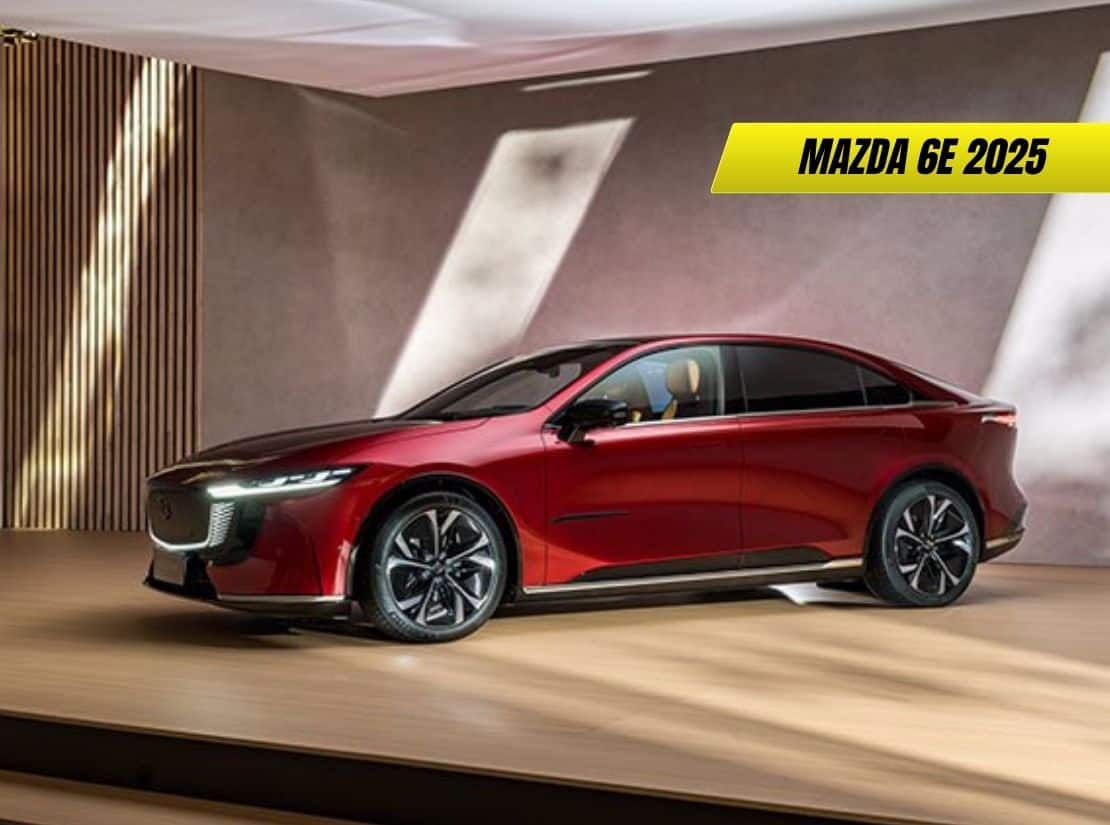
The electric SUV battlefield is about to welcome an unexpected contender. Mazda’s EZ-60, unveiled at Auto Shanghai 2025, represents the Japanese brand’s most serious attempt yet at challenging Tesla’s Model Y dominance. Born from Mazda’s joint venture with Chinese automaker Changan, this sleek crossover promises to combine Mazda’s renowned design flair with cutting-edge electric technology and competitive pricing.
We’ve been tracking Mazda’s electric vehicle strategy since the disappointing MX-30 demonstrated the brand’s early struggles with electrification. The EZ-60 represents a complete philosophical shift – leveraging proven Chinese EV technology while maintaining distinctly Mazda characteristics. This isn’t badge engineering; it’s a sophisticated collaboration that could finally give Mazda the electric credibility it needs.
The timing couldn’t be more crucial. With Tesla facing increasing competition from European and Chinese manufacturers, the premium electric SUV segment is wide open for disruption. The EZ-60’s combination of striking design, advanced technology, and expected competitive pricing positions it perfectly to capture buyers who want Tesla-like innovation without the polarising brand associations.
Key Highlights
• Tesla Model Y Dimensions: At 4,850mm long and 1,935mm wide, the EZ-60 directly matches the Model Y’s footprint while offering distinctive styling • Dual Powertrain Strategy: Available as pure EV (BEV) with 373-mile range or range-extender (EREV) with 1,000km+ total range capability • Advanced Technology: Features 26.45-inch panoramic display, virtual 3D head-up display, and digital mirror cameras as standard • Expected UK Arrival: Likely to reach Britain as CX-6e in 2026, positioned between CX-60 and flagship electric offerings • Competitive Pricing: Chinese market pricing suggests UK prices could start around £35,000-£45,000, undercutting premium rivals • Proven Platform: Built on Changan’s EPA1 architecture, shared with successful Deepal S07 for reliability and component availability
Design and Styling: Mazda’s Electric Future Realised
The EZ-60 showcases Mazda’s “FUTURE + SOUL x MODERN” design philosophy, combining the brand’s signature elegance with aerodynamic efficiency essential for electric vehicle range. The result is arguably the most striking SUV in Mazda’s current lineup, with flowing lines that make the conventional CX-60 appear dated by comparison.
Up front, the closed-off grille creates a clean, futuristic appearance while maintaining Mazda’s family face. Slim LED headlights connect via a full-width light bar, creating the distinctive signature that’s becoming increasingly important for brand recognition. The illuminated Mazda logo provides premium appeal typically reserved for luxury brands.
The profile reveals careful attention to aerodynamic efficiency without sacrificing visual appeal. Air passageways at the hood tip and integrated D-pillar air ducts represent the first application of such technology in a Mazda SUV, demonstrating serious commitment to electric vehicle optimisation. The flying buttress design at the C-pillar is particularly striking, adding visual drama while contributing to the vehicle’s aerodynamic performance.
Camera Mirror Technology
The production EZ-60 features digital mirror cameras replacing traditional door mirrors – technology that’s been legal in China for several years but remains novel in European markets. This system not only improves aerodynamics but provides enhanced visibility in challenging conditions, though UK regulatory approval may require traditional mirrors as backup.
21-inch wheels come standard, providing appropriate visual mass for the vehicle’s proportions while housing what’s likely to be advanced brake-by-wire technology common in modern electric vehicles.
Interior Technology: The Future Today
Where the EZ-60 truly distinguishes itself is inside, with a cabin that makes Tesla’s minimalist approach seem almost conservative. The centrepiece is a massive 26.45-inch 5K floating touchscreen that serves as the primary interface for infotainment and vehicle functions. This represents one of the largest displays ever fitted to a production vehicle, demonstrating the advantages of developing specifically for tech-savvy markets.
The virtual 3D head-up display projects driving information directly onto the windscreen, providing augmented reality functionality that enhances safety while maintaining the futuristic aesthetic. Column-mounted gear selection and flush button door releases contribute to the clean, uncluttered appearance.
Premium Comfort Features
Zero-gravity front seats offer ventilation, heating, and massage functions, while integrated headrest speakers enable personalised audio experiences. The front passenger can listen to different music from other occupants – a feature that reflects the collaborative approach to technology development with Chinese partners.
The flat-bottom, dual-spoke steering wheel and floating centre console with wireless charging demonstrate attention to both aesthetics and functionality. Under-console storage provides practical space while maintaining the minimalist visual theme.
Powertrain Options: Choice Without Compromise
The EZ-60’s dual powertrain strategy addresses different customer needs while maximising market appeal. The pure electric (BEV) variant targets buyers seeking zero-emission motoring, while the range-extender (EREV) option provides long-distance capability for those not ready for full electric commitment.
Pure Electric (BEV) Specification
The electric-only version features a 190kW (255hp) rear-mounted motor powered by an 80kWh lithium iron phosphate (LFP) battery from CALB. Range is estimated at 373 miles under CLTC testing – likely translating to approximately 300-320 miles under more stringent WLTP conditions.
The rear-wheel-drive configuration mirrors the EZ-6 sedan and reflects Mazda’s traditional preference for balanced handling characteristics. While some competitors offer all-wheel-drive options, the single-motor setup reduces complexity and cost while maximising efficiency.
Charging capability reaches 93kW, enabling 30-80% charging in approximately 35 minutes at compatible rapid chargers. While not class-leading, this represents adequate performance for most usage patterns and reflects the practical limitations of LFP battery chemistry.
Range-Extender (EREV) Innovation
The EREV variant combines the same 190kW electric motor with a 1.5-litre naturally aspirated petrol engine functioning purely as a generator. The 31.73kWh battery provides 160km (100 miles) of electric-only range before the engine activates to maintain charge levels.
Total range exceeds 1,000km (621 miles), positioning the EZ-60 EREV as a genuine long-distance alternative to conventional SUVs. The petrol engine never directly drives the wheels, ensuring consistent electric driving characteristics while eliminating range anxiety.
This approach differs from BMW’s i3 REx or Mazda’s own MX-30 e-Skyactiv R-EV by using a conventional engine rather than a rotary unit, suggesting greater reliability and easier maintenance.
Platform and Engineering: Chinese Innovation, Japanese Refinement
Built on Changan’s EPA1 platform, the EZ-60 benefits from extensive development specifically for electric vehicles. This architecture supports multiple powertrains while optimising structural efficiency and component packaging – advantages that traditional manufacturers struggle to achieve when adapting existing platforms.
The platform’s flexibility enables the diverse powertrain options while maintaining optimal weight distribution – approximately 47:53 front-to-rear for the BEV and 50:50 for the EREV. This attention to balance reflects Mazda’s “Jinba-ittai” philosophy of human-machine unity.
Quality and Reliability Considerations
The relationship with Deepal/Changan provides access to proven components and manufacturing processes. The mechanically similar Deepal S07 has demonstrated reliability in Chinese markets, providing confidence in the fundamental engineering approach.
Mazda’s involvement in development ensures quality standards meet international expectations while benefiting from Chinese expertise in electric vehicle technology and battery management systems.
UK Market Context: Timing and Positioning
The EZ-60’s expected arrival as the CX-6e in 2026 coincides with increasing electric vehicle adoption and potential Tesla Model Y supply constraints. UK pricing is likely to start around £35,000-£45,000, positioning it competitively against established rivals while offering superior technology and design.
The timing also allows Mazda to benefit from improving charging infrastructure and customer acceptance of electric vehicles, avoiding the early-adopter challenges that hindered the MX-30’s success.
Competitive Landscape Analysis
| Model | Expected Price | Range (WLTP) | Power | Key Strengths |
|---|---|---|---|---|
| Mazda EZ-60 | £35,000-45,000 | 300-320 miles* | 255hp | Design, technology, value |
| Tesla Model Y | £44,990+ | 331-455 miles | 299-456hp | Supercharger network, performance |
| Ford Capri | £48,075+ | 273-390 miles | 286-340hp | European heritage, practicality |
| Audi Q4 e-tron | £47,750+ | 265-316 miles | 170-299hp | Premium brand, build quality |
| BMW iX3 | £51,905+ | 285-460 miles | 286hp | Driving dynamics, luxury |
| Volvo EX40 | £49,455+ | 265-475 miles | 252-408hp | Safety, Scandinavian design |
*Estimated WLTP range based on CLTC figures
The comparison reveals the EZ-60’s potential value proposition. While range and performance may not lead the segment, the combination of distinctive design, advanced technology, and competitive pricing could prove compelling for buyers seeking alternatives to established players.
For context on the broader electric SUV market, our analysis of premium SUVs under £60k demonstrates the increasing sophistication buyers now expect.
Technology Integration: Beyond Tesla’s Minimalism
The EZ-60’s technology approach contrasts sharply with Tesla’s reductive philosophy, instead embracing the “more is more” mentality popular in Chinese markets. The massive central display provides dedicated zones for different functions rather than forcing everything through nested menus.
The 23-speaker sound system includes individual headrest speakers, enabling personalised audio experiences – a feature that reflects the collaborative development approach with technology-focused Chinese partners. Over-the-air updates ensure continued functionality improvements throughout the ownership period.
Advanced Driver Assistance
While specific ADAS details await confirmation, the platform supports advanced semi-autonomous driving capabilities. Expect features comparable to Tesla’s Autopilot, potentially including highway lane-centering, adaptive cruise control, and automated parking functionality.
The digital mirror cameras provide enhanced visibility in challenging conditions while contributing to the vehicle’s futuristic appeal. However, UK regulations may require traditional mirrors as backup, potentially compromising the aerodynamic benefits.
Manufacturing and Quality: East Meets West
Production takes place at Changan’s facilities in China, leveraging advanced manufacturing processes and economies of scale. This approach enables competitive pricing while maintaining quality standards through Mazda’s involvement in development and quality control.
The joint venture structure ensures technology transfer benefits both partners while providing Mazda with access to rapidly advancing Chinese EV expertise. This collaboration model is becoming increasingly common as traditional manufacturers seek to accelerate electric vehicle development.
Global Distribution Strategy
The EZ-60’s success in China – with 20,000 pre-orders already secured – provides confidence for international expansion. European sales as the CX-6e seem certain, with UK availability likely depending on regulatory approval and dealer network preparation.
The range-extender variant may face additional challenges in markets with different emission regulations, potentially limiting availability to the pure electric version in some regions.
Environmental Impact: Sustainable Innovation
The EZ-60’s environmental credentials extend beyond zero tailpipe emissions. The LFP battery chemistry avoids cobalt dependency while providing adequate energy density for practical range. The range-extender option enables electric driving for most journeys while eliminating range anxiety that prevents some buyers from adopting pure electric vehicles.
Manufacturing in China provides access to renewable energy sources increasingly used in battery and vehicle production, potentially improving lifecycle environmental impact compared to European alternatives.
Recycling and Sustainability
The platform design considers end-of-life recyclability, with simplified disassembly processes and material identification systems. Battery management systems include degradation monitoring and second-life preparation, extending useful battery life beyond automotive applications.
Frequently Asked Questions
When will the EZ-60 reach the UK as the CX-6e?
Current indications suggest 2026 availability, with formal announcement expected following the Chinese launch in late 2025. UK-specific specifications and pricing should be confirmed by early 2026.
How reliable is the Chinese platform and technology?
The EPA1 platform and Deepal partnership have proven successful in Chinese markets, with the related S07 demonstrating good reliability. Mazda’s involvement ensures quality standards meet international expectations.
Will the range-extender version be available in the UK?
This depends on UK emission regulations and market demand. The EREV system’s complexity may limit initial availability to the pure electric version, with the range-extender following if regulations permit.
How does the 26-inch screen affect driver distraction?
The display is designed with zone-based functionality to minimise driver interaction needs. However, UK regulations may require modifications to ensure compliance with distraction guidelines.
What’s the real-world range likely to be?
The claimed 373-mile CLTC range typically translates to 300-320 miles under WLTP testing and 250-280 miles in real-world UK driving conditions, particularly in winter.
Will Mazda’s dealer network support this technology?
Mazda UK is preparing dealer training programmes for electric vehicle sales and service. The relatively simple single-motor configuration should ease service requirements compared to more complex EVs.
How does this compare to Mazda’s own electric vehicle development?
The EZ-60 provides immediate market presence while Mazda develops its own dedicated electric platform for 2027. This dual approach accelerates electric vehicle availability without compromising long-term development plans.
Market Implications: Disruption Through Collaboration
The EZ-60 represents a new model for automotive development – combining established brand strength with technological innovation from unexpected partners. This approach could accelerate industry change as traditional manufacturers seek rapid access to electric vehicle expertise.
For British buyers, the EZ-60 offers genuine Tesla Model Y alternatives without the compromises that have limited previous electric SUV options. The combination of distinctive styling, advanced technology, and competitive pricing addresses real market needs.
Our comprehensive guide to the best hybrid cars demonstrates how different electrification approaches suit various buyer needs – the EZ-60’s dual powertrain strategy continues this theme.
Future Development Pipeline
Mazda has confirmed plans for third and fourth models from the Changan partnership, arriving between 2028-2030. Meanwhile, the company’s own electric platform will debut in 2027, providing the foundation for future Mazda-developed electric vehicles.
This timeline suggests the EZ-60 family will bridge the gap until dedicated Mazda electric vehicles arrive, providing essential market presence during the critical transition period.
AutoHit’s Verdict: Calculated Risk with High Reward Potential
The Mazda EZ-60 represents exactly the kind of bold thinking the automotive industry needs. Rather than struggling to develop electric vehicle technology from scratch, Mazda has intelligently partnered with established Chinese expertise while maintaining its design DNA and quality standards.
What impresses us most is the execution quality visible in early previews. This isn’t cynical badge engineering but thoughtful collaboration that leverages each partner’s strengths. The distinctive styling ensures clear Mazda identity while the advanced technology provides genuine competitive advantages.
The 26.45-inch display may seem excessive, but it demonstrates commitment to cutting-edge technology that mainstream manufacturers often avoid. Similarly, the digital mirror cameras and aerodynamic optimisation show serious attention to electric vehicle requirements rather than adapting existing designs.
From a competitive standpoint, the EZ-60 could significantly disrupt the premium electric SUV segment. Tesla’s Model Y, while excellent, has faced limited direct competition at similar price points. The EZ-60’s expected £35,000-£45,000 positioning, combined with distinctive design and advanced technology, creates compelling value propositions.
Our primary concern centres on the collaboration model’s sustainability. While beneficial short-term, Mazda must ensure it develops sufficient electric vehicle expertise to remain competitive when the partnership evolves. The planned 2027 dedicated platform suggests appropriate strategic thinking.
The dual powertrain approach addresses practical customer concerns while maximising market appeal. Range anxiety remains a significant barrier to electric vehicle adoption, making the 1,000km range-extender option genuinely appealing for many buyers.
Based on everything we’ve seen, the EZ-60 represents Mazda’s best opportunity to establish electric vehicle credibility while providing British buyers with genuine Tesla alternatives. The combination of striking design, advanced technology, and competitive pricing could prove irresistible.
Success will depend on execution quality, pricing strategy, and dealer network preparation. However, the fundamentals suggest Mazda has finally found the formula for electric vehicle success after the MX-30’s disappointing performance.
The Mazda EZ-60 launches in China in late 2025, with European availability as the CX-6e expected in 2026. UK specifications and pricing will be confirmed closer to launch.
Looking for current electric alternatives? Explore our guide to the best SUVs under £50k or discover why diesel hybrid cars remain relevant for buyers considering different electrification approaches.





