Hybrid badges can describe very different systems. For UK buyers, the key question is whether the car can propel itself using electric power: a mild-hybrid electric vehicle (MHEV) normally cannot, whereas a full hybrid can do so for limited periods. A plug-in hybrid (PHEV) is different again because it is designed for external charging and uses a larger battery. Ford’s MHEV guide and Volkswagen’s hybrid comparison set out the main differences.
What does a mild hybrid do?
An MHEV pairs a conventional petrol or diesel engine with a relatively small battery and an electric motor or starter-generator. During deceleration, the system recovers energy. That energy, together with power from the engine-driven system, replenishes the battery.
The stored electricity can then assist the combustion engine and support the car’s stop-start functions. Because the battery is replenished onboard, a conventional MHEV normally does not need to be connected to a charger. Ford and SEAT describe this type of arrangement.
The practical takeaway is that an MHEV remains an engine-led car. Its electrical system is there to provide assistance and recover energy, not to provide a meaningful electric-only driving mode. If you expect the car to move under electric power by itself, a mild hybrid is usually not the right type of hybrid.
MHEV, full hybrid and plug-in hybrid compared
The labels MHEV, HEV or FHEV, and PHEV are not interchangeable. Their basic capabilities can be summarised as follows:
| System | Does it need external charging? | What the electric system does |
|---|---|---|
| MHEV | Normally no | Assists the combustion engine and supports stop-start; it normally cannot propel the car alone |
| HEV/FHEV | No | Can propel the car using the electric motor for limited periods, use the engine alone, or combine both power sources |
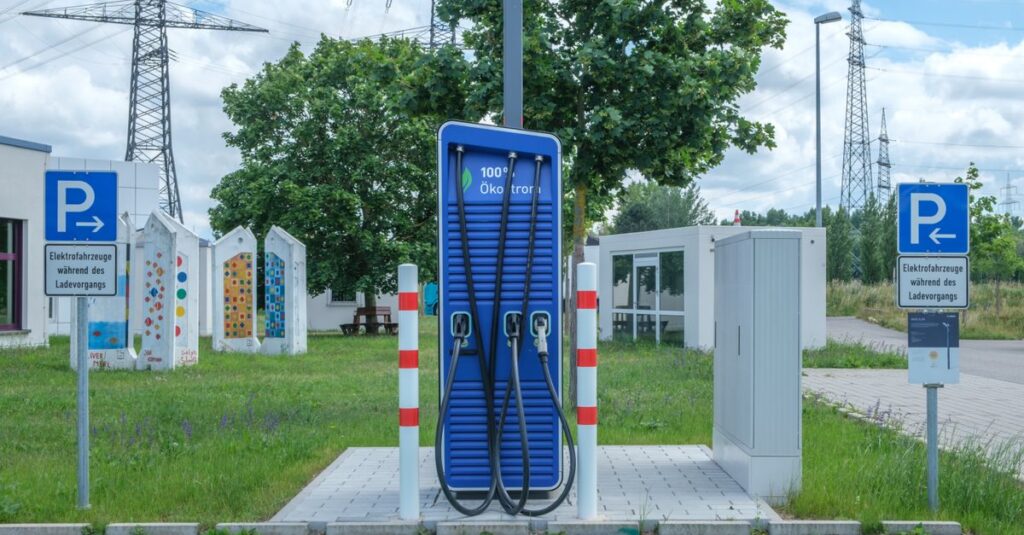
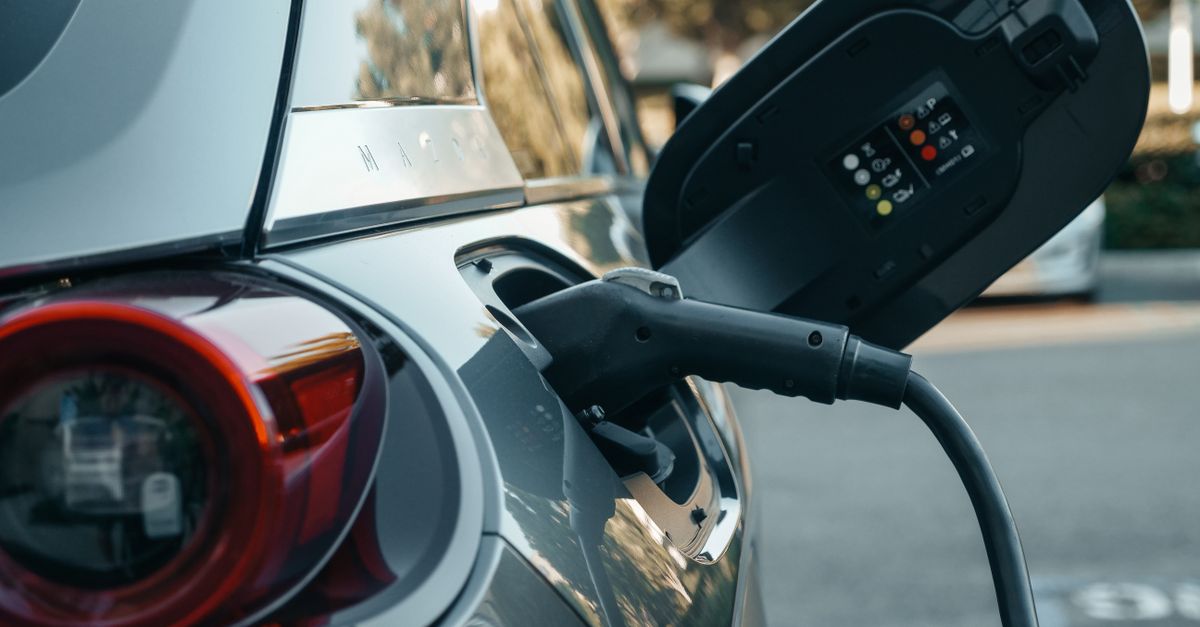
| PHEV | Yes | Uses a larger battery and is designed to be charged from an external power source |
A conventional MHEV and a non-plug-in full hybrid therefore share one convenience: neither requires an external charging routine. The full hybrid, however, has a larger electrical system and more ways to use it. SEAT’s explanation and Volkswagen’s guide explain these categories in more detail.
Does a mild hybrid use less fuel?
It can help efficiency, but there is no single MPG saving that applies to every MHEV. The result depends on the particular vehicle, engine, transmission, driving conditions and test method. A generic hybrid badge is not enough to predict real-world fuel economy.
Full hybrids generally offer greater potential fuel-efficiency benefits than mild hybrids, particularly in stop-start urban driving, because they can use electric power independently for limited periods. That does not guarantee that every full hybrid will be cheaper to run in every situation, so the specific car still matters. Motability’s hybrid guide and What Car?’s MHEV advice make the same important distinction between the technology’s potential and an individual vehicle’s results.
For a UK shortlist, use the exact car’s official WLTP fuel-economy figure as a comparison point, not as a promise of real-world MPG. Check the engine, gearbox and trim being compared, and look for independent road-test results where available.
Who should buy an MHEV?
A mild hybrid is most likely to suit you if you:
- want a familiar petrol or diesel driving experience;
- do not want to install or use a charger;
- want some electrical assistance and energy recovery, but do not need electric-only driving; and
- are considering an MHEV whose price premium over a conventional version is reasonable.
The last point is important. A mild hybrid is not automatically the cheapest car to own simply because it has a hybrid badge. Compare the extra purchase cost with the model-specific fuel figures and the way you drive. Buying advice from Auto Trader and Carwow can help explain how the system fits into a wider shortlist.
If your priority is the strongest potential fuel saving without plugging in, a full hybrid deserves comparison. Its ability to drive on electric power for limited periods can be particularly relevant to urban, stop-start use.
When should you choose something else?
An MHEV may disappoint if you expect silent electric pull-away, electric-only range or the flexibility of a full hybrid. A full hybrid is the more appropriate comparison if limited electric-only driving is important to you.
A PHEV belongs in a different part of the decision. It has a larger battery and is designed around external charging, so it is relevant to buyers who are willing and able to use a charger. It should not be treated as another name for a mild hybrid.
A simple UK buying checklist
- Identify the full label. Check whether the car is an MHEV, HEV/FHEV or PHEV rather than relying on the word “hybrid”.
- Confirm what the electric motor can do. An MHEV normally assists the engine; a full hybrid can also propel the car alone for limited periods.
- Compare exact WLTP figures. Match the engine, transmission and trim, and remember that WLTP is not an independent real-world test.
- Check the price premium. A modest efficiency benefit may not justify a large difference in purchase price.
- Match the system to your journeys. If you regularly drive in stop-start urban traffic, compare a full hybrid carefully. If you want familiar engine-led driving with no charging routine, an MHEV may be the simpler fit.
The verdict
A mild hybrid is best understood as a conventional petrol or diesel car with a small electrical assistance system. It normally needs no plug and can support the engine, stop-start operation and energy recovery, but it cannot usually drive on electricity alone.
That makes an MHEV a sensible choice for buyers who want a straightforward transition towards electrification without changing how they refuel or drive. Those seeking greater fuel-saving potential without external charging should also consider a full hybrid, while anyone prepared to charge externally should assess a PHEV separately. The right choice depends on capability, journeys and price—not the hybrid badge alone.
Source 1 · Source 2 · Source 3 · Source 4 · Source 5 · Source 6 · Source 7 · Source 8