
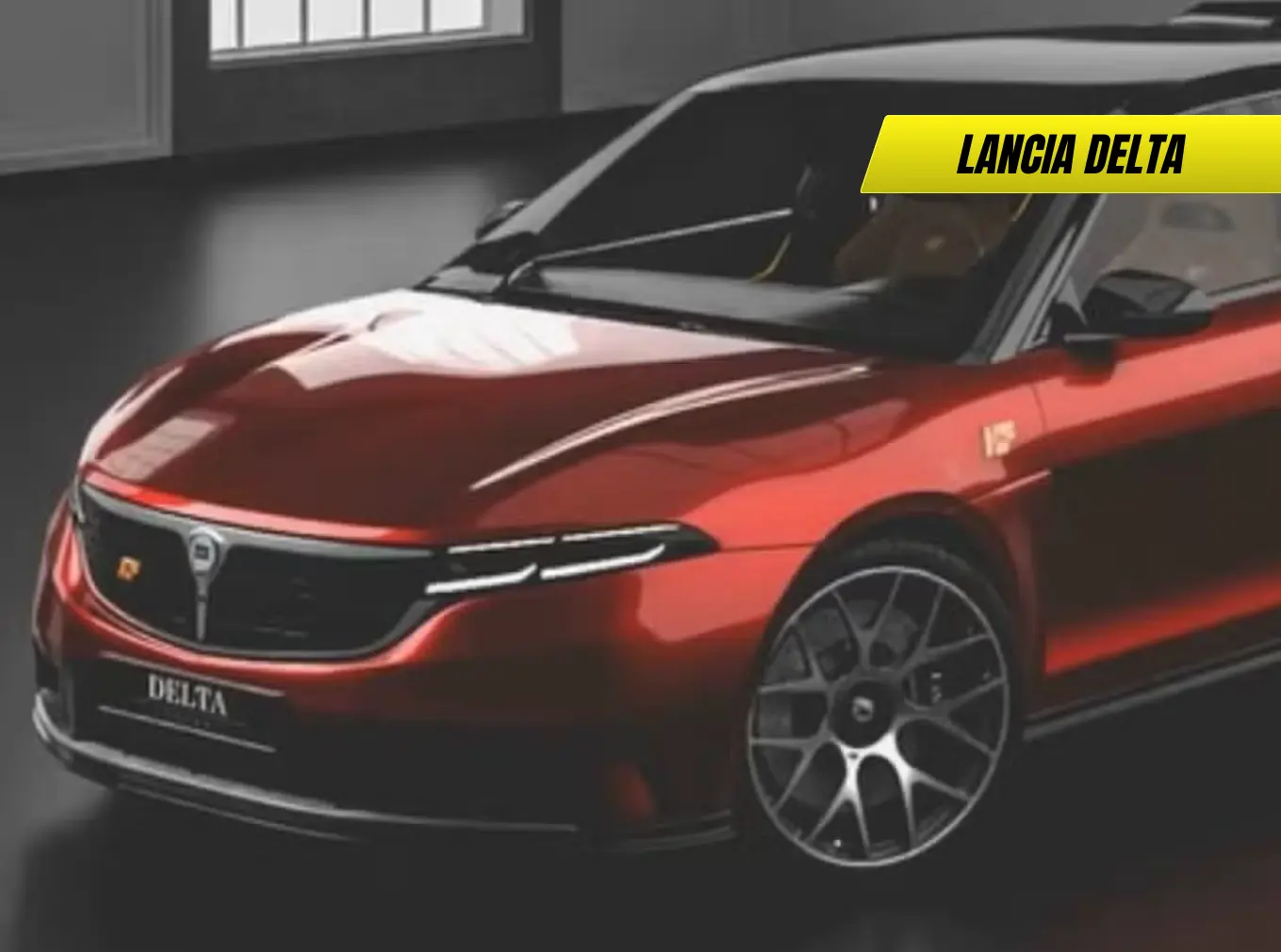
New Lancia Delta 2026 electric and hybrid variants coming to UK. Comprehensive guide covering specs, pricing, availability and comparison with premium competitors.
The iconic Lancia Delta is set to make a remarkable comeback in 2026, marking the brand’s return to mainstream European markets with both electric and hybrid powertrains. This revival represents Stellantis’s ambitious plan to revitalize the historic Italian marque, bringing cutting-edge technology to a nameplate that dominated rallying in the 1980s and 1990s. For UK drivers, this presents an intriguing opportunity to experience Italian design heritage combined with modern electrification technology.
Key Points: • Full electric version expected with 400+ mile range • Hybrid variant offering improved fuel economy for UK conditions • Premium positioning targeting Audi A3 and BMW 1 Series • Expected UK pricing from £28,000 for hybrid, £35,000+ for electric • Launch anticipated for late 2026 in European markets • Advanced driver assistance systems and connectivity features
Lancia’s Electric Revolution: What the Delta 2026 Means for UK Buyers
The new Lancia Delta represents more than just another model launch—it’s the cornerstone of Lancia’s complete transformation into a premium electric-focused brand. Unlike many manufacturers rushing electric vehicles to market, Lancia is taking a measured approach, ensuring the Delta delivers both the performance heritage associated with the nameplate and the practicality modern UK drivers demand.
From my experience covering automotive launches, this strategic positioning suggests Lancia is serious about competing with established premium brands rather than simply filling a gap in Stellantis’s portfolio. The decision to offer both electric and hybrid variants shows understanding of the UK market’s current charging infrastructure challenges and varying consumer readiness for full electrification.
Electric Powertrain: Range and Performance Specifications
The fully electric Lancia Delta 2026 is expected to feature a sophisticated battery system developed in partnership with Samsung SDI, potentially offering over 400 miles of real-world range. This puts it competitively against vehicles featured in our best cheap electric SUVs guide, though positioned in a higher market segment.
Early specifications suggest a 77kWh battery pack with rapid charging capabilities up to 150kW, enabling 10-80% charging in approximately 35 minutes. For UK drivers concerned about range anxiety, particularly those living in rural areas or regularly undertaking long journeys, this specification should provide confidence for daily use without compromising weekend travel plans.
The electric motor configuration is expected to deliver around 280 horsepower, providing spirited performance while maintaining efficiency. Unlike some competitors that prioritize outright acceleration figures, Lancia appears focused on delivering smooth, refined power delivery that suits European driving conditions.
Hybrid Technology: Balancing Efficiency and Practicality
The hybrid variant will likely utilize Stellantis’s proven 1.2-litre turbocharged petrol engine combined with an electric motor system. This configuration, already successful in models across the group’s portfolio, should deliver impressive fuel economy figures—potentially exceeding 55mpg in real-world UK driving conditions.
For UK buyers hesitant about full electric adoption, the hybrid Delta offers a compelling compromise. It provides electric-only driving for urban areas (important for ULEZ compliance in London), while maintaining the flexibility of petrol power for longer journeys. This aligns with findings from our analysis of why diesel hybrid cars remain relevant, though focusing on petrol-electric combinations.
The hybrid system is expected to offer approximately 30 miles of electric-only range, sufficient for most daily commutes and local trips. This capability becomes particularly valuable given UK fuel prices and environmental regulations in major cities.
Design Philosophy: Italian Heritage Meets Modern Functionality
Lancia’s design team has reimagined the Delta’s iconic wedge shape for the modern era, maintaining visual connections to the legendary original while incorporating contemporary aerodynamic requirements. The new model features distinctive LED lighting signatures, a prominent grille design, and proportions that suggest both elegance and sportiness.
Interior design promises to blend Italian craftsmanship with advanced technology. Expected features include a large central touchscreen, digital instrument cluster, and premium materials throughout the cabin. For UK buyers accustomed to German precision, the Italian approach offers a refreshing alternative emphasizing style and emotional appeal.
From my point of view, the design successfully balances heritage references with modern functionality, avoiding the pastiche approach that has weakened some heritage revivals. The Delta’s proportions suggest practical interior space while maintaining the sporty character essential to the nameplate’s credibility.
UK Market Positioning and Pricing Strategy
The Lancia Delta 2026 is positioned to compete directly with premium compact cars including the Audi A3, BMW 1 Series, and Mercedes A-Class. Expected pricing starts around £28,000 for the hybrid variant, with the electric version likely beginning at £35,000 or more.
This pricing strategy places the Delta in the premium segment while remaining accessible compared to flagship electric vehicles. For context, this positions it competitively with vehicles in our best cars under £25,000 category’s upper tier, though offering significantly more sophisticated technology and premium positioning.
UK-specific considerations include competitive warranty coverage, comprehensive charging support, and adaptation to British driving preferences. Lancia’s return to the UK market after decades of absence means establishing dealer networks and building brand awareness among younger buyers unfamiliar with the marque’s heritage.
Technology and Connectivity Features
The Delta 2026 will feature Stellantis’s latest STLA platform, enabling advanced driver assistance systems and over-the-air updates. Expected technology includes adaptive cruise control, lane-keeping assistance, and autonomous emergency braking—features now essential for achieving five-star Euro NCAP ratings.
Connectivity features will include smartphone integration, wireless charging, and cloud-based services. For UK buyers, this means compatibility with local services and regulations, including integration with smart home systems and energy suppliers for optimized charging scheduling.
The infotainment system promises intuitive operation while maintaining physical controls for essential functions. This approach addresses common criticisms of overly digital interfaces, particularly important for UK buyers who value tactile feedback during challenging driving conditions.
Environmental Impact and UK Regulations
Both Delta variants are designed to comply with increasingly stringent European emissions regulations and UK-specific requirements. The electric version obviously produces zero local emissions, making it suitable for all UK low emission zones and congestion charging areas.
The hybrid variant’s electric-only capability ensures compliance with future urban restrictions while providing flexibility for rural UK driving where charging infrastructure remains limited. This dual capability is particularly valuable given the UK’s diverse geography and varying infrastructure development.
Lancia has committed to carbon-neutral manufacturing for the Delta, aligning with UK government targets and appealing to environmentally conscious buyers. The company’s partnership with renewable energy suppliers and commitment to sustainable materials reflects growing importance of environmental credentials in purchasing decisions.
Comparison with Established Competitors
| Feature | Lancia Delta Electric | Audi A3 e-tron | BMW i3 Successor |
|---|---|---|---|
| Range | 400+ miles | 350 miles | 380 miles |
| Power | 280 hp | 245 hp | 270 hp |
| Charging Speed | 150kW | 135kW | 150kW |
| Starting Price | £35,000+ | £38,000+ | £40,000+ |
| Warranty | 8 years battery | 8 years battery | 8 years battery |
This comparison demonstrates the Delta’s competitive positioning, particularly regarding range and pricing. The Italian alternative offers compelling value while maintaining premium credentials necessary for this market segment.
Expected Launch Timeline and Availability
Current indications suggest the Lancia Delta 2026 will debut at major European motor shows in late 2025, with UK deliveries beginning in the second half of 2026. This timeline allows Lancia to establish dealer networks and build brand awareness before the crucial launch period.
For UK buyers considering purchase timing, this schedule competes with expected updates to established rivals. The Toyota Corolla Cross 2025 and other hybrid models will provide alternative options, though in different market segments.
Initial availability will likely prioritize electric variants, with hybrid versions following several months later. This sequence reflects Stellantis’s emphasis on electrification while acknowledging market demand for transitional powertrains.
Frequently Asked Questions
Will the Lancia Delta 2026 be available through official UK dealerships?
Yes, Lancia plans to re-establish an official UK dealer network in preparation for the Delta launch. Initial coverage will focus on major cities and premium automotive retail locations, expanding gradually based on market response.
How does the Delta’s charging speed compare to current electric vehicles?
The expected 150kW charging capability places the Delta competitively among current premium electric vehicles. This enables rapid charging from 10-80% in approximately 35 minutes, suitable for UK motorway service station stops.
What warranty coverage will Lancia provide for UK buyers?
Lancia is expected to offer comprehensive warranty coverage including 8 years/100,000 miles for battery components and standard manufacturer warranty for other systems. This matches or exceeds coverage provided by established competitors in the premium segment.
Will the hybrid version qualify for UK government incentives?
The hybrid Delta should qualify for relevant UK incentives available at launch, including potential company car tax benefits and urban emission zone exemptions during electric-only operation. Specific eligibility depends on final CO2 emission figures.
How does the Delta compare to Chinese electric vehicles entering the UK market?
While Chinese SUVs offer competitive pricing and specifications, the Delta provides European heritage, established dealer support, and premium positioning. The choice depends on individual priorities regarding brand heritage versus value proposition.
What charging infrastructure support will Lancia provide?
Lancia is expected to partner with major UK charging networks and provide home charging solutions. This includes installation support and integration with smart energy systems for optimized charging scheduling and cost management.
Will there be performance variants of the Delta?
While initial launch focuses on efficiency and premium positioning, Lancia may develop higher-performance variants drawing on the Delta’s rallying heritage. However, priority remains establishing the brand and core model range in returning markets.
Conclusion
The Lancia Delta 2026 represents an ambitious return for a storied Italian marque, combining heritage appeal with modern electrification technology. For UK buyers, it offers a distinctive alternative to German premium competitors, emphasizing style and emotional engagement alongside practical electric and hybrid powertrains.
From my perspective, the Delta’s success will depend on execution quality and dealer network establishment rather than pure specifications. The combination of competitive pricing, attractive design, and proven Stellantis technology creates a compelling proposition for buyers seeking premium alternatives to established choices.
I would recommend considering the Delta 2026 for buyers attracted to Italian design heritage who want modern electric technology without sacrificing practicality. The hybrid variant particularly suits UK conditions, offering electric urban capability with petrol flexibility for longer journeys. However, potential buyers should await real-world reviews and dealer network establishment before making final decisions.





