
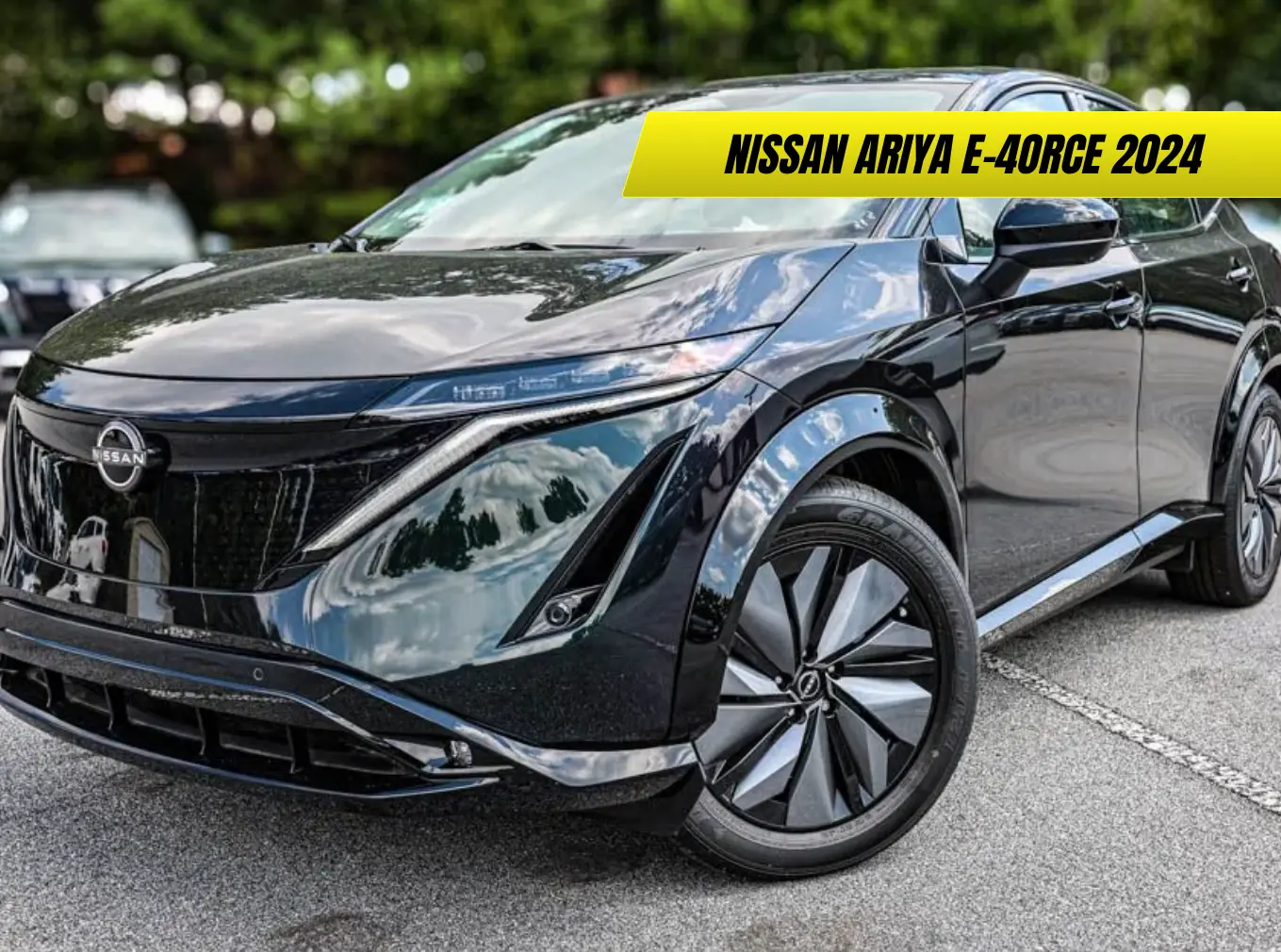
Nissan Ariya e-4ORCE 2024 UK review: Japanese electric crossover with dual-motor AWD, pricing from £51,000, advanced technology and how it compares to Tesla Model Y and Volkswagen ID.4. The Nissan Ariya represents the Japanese manufacturer’s flagship electric crossover, combining distinctive design with advanced technology and Nissan’s e-4ORCE all-wheel-drive system. Available with single or dual-motor configurations and battery capacities of 63 kWh or 87 kWh, it targets buyers seeking refined electric transport without premium German pricing. UK pricing starts from approximately £43,000 for the base 63 kWh model, rising to £51,000+ for the e-4ORCE dual-motor variant tested.
Distinctive Japanese design philosophy
At 4,595 mm long, 1,850 mm wide and 1,660 mm tall, the Ariya occupies mid-size electric crossover territory with proportions emphasizing elegance over aggressive styling. The design follows Nissan’s Timeless Japanese Futurism philosophy, featuring a smooth, shield-shaped front where the traditional grille becomes a body-colored panel housing sensors and the Nissan logo. Sleek LED headlights with distinctive light signatures flank the front, whilst flush door handles and aerodynamic 20-inch wheels reduce drag.
The rear employs a clean design with horizontal LED light bar connecting the taillights, creating width emphasis and distinctive nighttime signature. From my perspective, the Ariya successfully balances Japanese minimalism with modern electric vehicle aesthetics, avoiding the polarizing styling of some competitors whilst maintaining distinctive character.
Minimalist interior with Japanese craftsmanship
The cabin showcases Nissan’s commitment to minimalist Japanese design through horizontal lines, premium materials and exceptional build quality. Twin 12.3-inch displays serve digital instrumentation and infotainment functions with clear graphics and logical organization. The flat floor enabled by electric architecture creates spacious, lounge-like atmosphere enhanced by ambient lighting, whilst haptic controls on the center console replace traditional buttons for climate and audio functions—though these prove less intuitive than physical buttons during driving.
Premium Nappa leather upholstery covers Zero Gravity seats designed to reduce fatigue during long journeys, providing exceptional comfort and support. Wood-grain trim adorns the dashboard, whilst soft-touch materials extend throughout the cabin creating perceived quality rivaling premium German alternatives. The suspended center console liberates space between front seats, adding to the airy feeling.
Nissan Ariya interior features
| Feature | Specification |
|---|---|
| Displays | Twin 12.3-inch screens (instruments and infotainment) |
| Controls | Haptic climate and audio controls on center panel |
| Seats | Zero Gravity design with Nappa leather |
| Floor | Completely flat for lounge-like spaciousness |
| Trim | Wood-grain accents, premium soft-touch materials |
e-4ORCE dual-motor all-wheel drive
The e-4ORCE variant employs dual electric motors—one per axle—producing a combined 306 hp (87 kWh version) and enabling 0-62 mph in 5.7 seconds. The intelligent all-wheel-drive system distributes torque variably between axles, maximizing traction whilst individual wheel braking mimics limited-slip differential behavior. The system operates seamlessly, providing exceptional grip in British weather whilst maintaining efficiency through predominantly rear-biased power delivery during relaxed driving.
The 87 kWh battery provides official WLTP range of 310 miles, though real-world testing achieved approximately 250-270 miles in mixed UK driving conditions depending on temperature and driving style. Charging accepts up to 130 kW DC, enabling 10-80% replenishment in approximately 35 minutes at compatible rapid chargers. Home charging via 7.4 kW AC requires around 12 hours from empty, adequate for overnight replenishment.
Nissan Ariya e-4ORCE specifications
| Specification | Value |
|---|---|
| Front motor | Permanent magnet synchronous |
| Rear motor | Permanent magnet synchronous |
| Combined power | 306 hp (87 kWh version) |
| Torque | 443 lb-ft |
| Battery capacity | 87 kWh (usable: ~81 kWh) |
| 0-62 mph | 5.7 seconds |
| Top speed | 124 mph (limited) |
| WLTP range | 310 miles |
| DC charging | Up to 130 kW |
Refined driving experience and e-Pedal
The Ariya prioritizes comfort and refinement over sporting pretensions, employing suspension tuning that absorbs British road imperfections effectively whilst maintaining composed body control. Steering feels natural with appropriate weight, though feedback remains minimal—acceptable for a comfort-focused electric crossover. The e-4ORCE system delivers impressive traction exiting corners, whilst the low center of gravity from floor-mounted batteries creates stable, confident handling.
Nissan’s e-Pedal function allows one-pedal driving through aggressive regenerative braking when lifting off the accelerator, slowing the car nearly to standstill without touching the brake pedal. The system proves particularly useful during urban driving and traffic, reducing brake wear whilst recovering energy. However, the aggressive regeneration requires adaptation and some drivers may prefer the standard mode offering more natural coasting behavior.
Spacious interior and practicality
The flat floor creates exceptional interior spaciousness, with generous head and legroom front and rear. Second-row passengers enjoy reclining seatbacks, heated seats, climate vents and USB-C charging ports. The panoramic sunroof floods the cabin with natural light whilst optional privacy glass maintains comfortable temperatures. Three adults fit comfortably in the rear for longer journeys, making the Ariya genuinely practical for families.
Boot capacity measures 466 litres with seats upright (408 litres on e-4ORCE due to dual motors), expanding to 1,545 litres folded. The opening is wide and the floor flat, simplifying cargo loading for weekly shopping, sports equipment and family luggage. A small front trunk adds additional storage for charging cables. Compared with alternatives like the Hyundai Ioniq 5, the Ariya offers more conventional SUV proportions with competitive practicality.
Comprehensive technology and safety
ProPILOT Assist with Navi-link provides Level 2 semi-autonomous driving including adaptive cruise control that adjusts speed for upcoming curves detected via navigation data. Lane-keeping assist with steering correction, blind-spot monitoring, autonomous emergency braking with pedestrian detection, and 360-degree camera with multiple viewing angles complete the comprehensive ADAS suite. The systems function smoothly during motorway use, though lane-keeping can feel intrusive on narrow British B-roads.
Over-the-air updates enable remote software improvements without dealer visits, whilst wireless Apple CarPlay and Android Auto provide seamless smartphone integration. For understanding UK driving regulations, guides to UK speed camera regulations 2025 provide comprehensive coverage.
UK pricing and trim levels
The Ariya range starts from £43,000 for the 63 kWh Engage base model, rising through Advance and Evolve specifications. The 87 kWh e-4ORCE variants command £51,000+, with the tested specification likely exceeding £55,000 including desirable options like premium paint, ProPILOT Park and upgraded audio. Standard equipment across the range includes LED lights, dual 12.3-inch displays, wireless connectivity and comprehensive driver assistance.
Three-year/60,000-mile warranty matches industry norms, with battery coverage extending to eight years or 100,000 miles maintaining at least 70% capacity. This provides adequate protection for typical ownership periods.
Running costs and ownership considerations
The e-4ORCE achieves approximately 2.8-3.2 miles per kWh in real-world mixed UK driving, translating to around 7-9p per mile at domestic charging rates of 24p per kWh. Public rapid charging at 65-85p per kWh increases costs to 20-27p per mile. Insurance grouping sits around 30-35, reflecting the electric powertrain and advanced technology.
Real-world range settles around 250-270 miles in mixed conditions, dropping toward 210 miles during motorway cruising at 70 mph or winter temperatures. For information about UK road charging, guides to UK toll roads and charges 2025 cover motorway service costs.
How it compares to electric rivals
The Ariya battles the Tesla Model Y, Volkswagen ID.4 and Kia EV6 for mid-size electric crossover buyers. The Tesla offers superior charging infrastructure and technology integration, whilst the VW provides more conservative styling and slightly better efficiency. Against the Kia, the Ariya counters with more refined interior quality and distinctive Japanese design.
From my assessment, the Ariya suits buyers who prioritize interior refinement and distinctive design over maximum range or charging speed, accepting slightly higher running costs than Korean alternatives for Nissan’s quality execution and advanced technology.
Frequently asked questions
The dual-motor system adds £8,000+ but delivers 306 hp performance, all-wheel-drive traction and 5.7-second 0-62 mph acceleration. Buyers in wet climates or seeking stronger performance will appreciate the upgrade, whilst those prioritizing efficiency should choose single-motor versions.
What is the real-world range?
Testing achieved 250-270 miles in mixed UK driving, dropping toward 210 miles during motorway cruising at 70 mph or winter conditions. Urban driving with frequent regenerative braking extends range toward 290 miles.
How long does charging take?
At 130 kW DC rapid chargers, 10-80% requires approximately 35 minutes in optimal conditions. Home charging via 7.4 kW wallbox takes around 12 hours from empty, adequate for overnight replenishment.
Is the e-Pedal easy to use?
The aggressive regenerative braking requires adaptation, particularly during smooth traffic flow where passengers may feel the deceleration. Most drivers adapt quickly, though some prefer the standard mode offering more natural coasting.
How practical is the boot space?
The 466-litre capacity (408 litres on e-4ORCE) handles weekly shopping and sports equipment adequately, though it trails some rivals offering 500+ litres. The flat floor and wide opening enhance everyday usability.
What warranty does Nissan provide?
Three years or 60,000 miles covers the vehicle, with battery warranty extending to eight years or 100,000 miles guaranteeing at least 70% capacity. This matches industry standards for electric vehicles.
What are common dashboard warning lights?
Like all modern vehicles, the Ariya features comprehensive warnings for service needs and faults. UK drivers should understand indicators including the spanner warning light for maintenance intervals and charging system warnings specific to electric vehicles.
The Nissan Ariya e-4ORCE 2024 delivers refined Japanese quality and advanced technology wrapped in distinctive electric crossover packaging, targeting buyers who prioritize interior excellence and comfort over maximum efficiency. It excels during relaxed cruising where the refined powertrain and exceptional build quality shine, though moderate charging speed and haptic controls reveal minor compromises. For UK buyers seeking premium electric transport with distinctive design and Nissan’s legendary quality, the Ariya represents a compelling alternative to more common German and American electric SUVs, particularly for drivers who value refinement and craftsmanship over sporting dynamics or maximum range.





