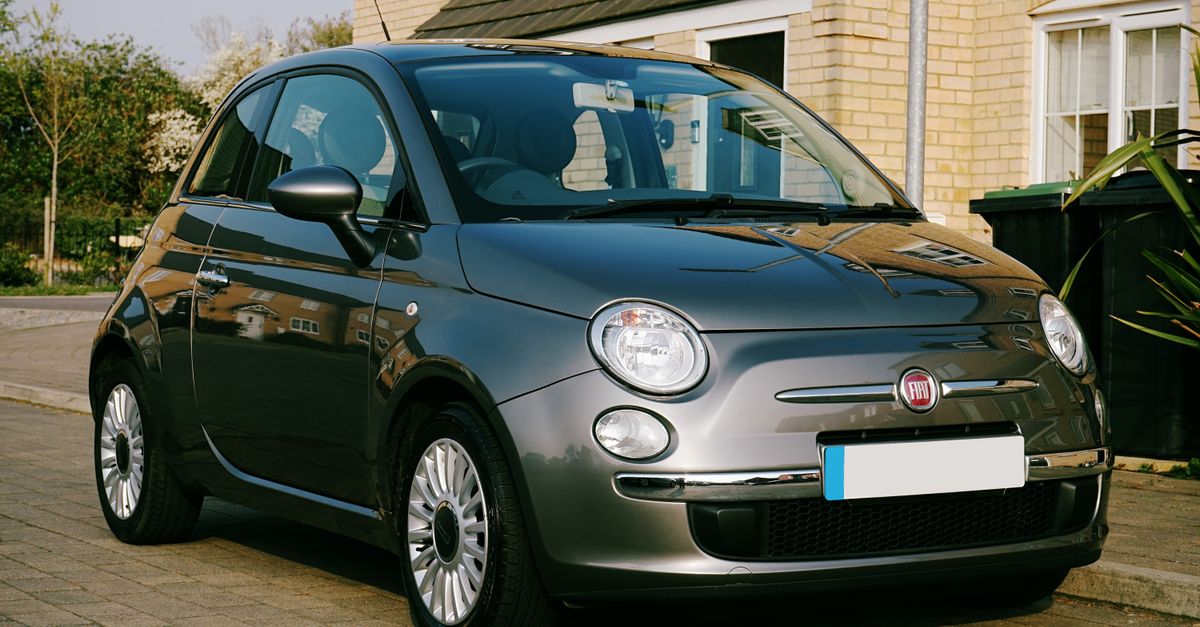
Choosing between a supermini and a small SUV is one of those UK buying decisions where the roads outside your home matter as much as the specification sheet. Narrow streets, restricted parking and occasional long journeys expose different strengths in each body style.
For that particular mix of driving, a well-equipped supermini is usually the more balanced choice. A small SUV becomes more compelling when a higher seating position, easier access or extra luggage space matters more than the smallest possible footprint and lower purchase cost. That is a general comparison of the two segments, rather than a verdict on every individual model.
Why a supermini makes sense in tight spaces
A supermini’s main advantage is its compact size. A smaller footprint and good manoeuvrability generally make it easier to position on narrow streets and fit into awkward parking spaces. Auto Express’s supermini guide identifies compact dimensions and manoeuvrability as key strengths, and describes the Dacia Sandero as easy to use in tight city streets and awkward parking spaces.
The same publication’s small-car testing guide highlights compact dimensions, visibility and light controls as important qualities for urban parking. Those characteristics can make a noticeable difference when a car is used every day in cramped bays or on roads lined with parked vehicles.
That does not mean every supermini will be equally easy to live with. Check the actual car’s visibility and controls from the driver’s seat, and consider whether its doors, boot and seating position work with the spaces you use most often.
What a small SUV adds
The appeal of a small SUV is less about outright size than about how that size is used. What Car?’s small-SUV guide identifies a higher-set driving position and easier access as important advantages, while some models also offer a larger boot and greater practicality.
That can be useful for drivers who dislike dropping into a low car, carry bulky items regularly or want a clearer view over traffic. For some owners, those benefits will outweigh the extra exterior bulk.
There is a financial trade-off, however. Auto Express says small SUVs generally cost a little more than equivalent superminis. Their extra height also does not automatically make them easier to park: a higher driving position can help with the view, but it does not turn a wider or longer vehicle into a small one.
The class also covers a wide range of dimensions. Some small SUVs are only slightly larger than the superminis with which they share platforms, while others can be noticeably wider. Compare the exact dimensions and parking characteristics of the models on your shortlist rather than relying on the SUV label alone.
Are superminis good enough for longer journeys?
Yes, potentially. A small car is not automatically unsuitable for motorway trips or faster A-roads. Auto Express says the best superminis can be quiet and powerful enough for longer journeys and enjoyable on faster B-roads, although refinement varies considerably between models. Its supermini guide is therefore a useful reminder that body style alone does not determine long-distance comfort.
For regular longer trips, compare the individual car’s seating comfort, refinement and ease of driving rather than assuming that an SUV will be the better choice. A supermini that is relaxed at speed may suit your needs better than a small SUV that is less convenient every day in tight streets.
Which should you choose?
A supermini is probably the better fit if you:
- regularly use narrow streets or cramped parking spaces;
- want the smallest and usually more manoeuvrable car for urban driving;
- make longer journeys only occasionally but still want a car capable of them; and
- want to keep the purchase cost below that of a comparable small SUV, where possible.
A small SUV is more persuasive if you:
- value a higher seating position or easier entry and exit;
- regularly need the extra practicality offered by a larger boot; and
- can accept a potentially higher price and a larger footprint in return.
The verdict
For a driver combining narrow UK streets, limited parking and occasional longer journeys, start by looking at superminis. They are generally the more space-efficient option, and the best examples can still handle longer trips well.
Choose a small SUV instead when access, seating height or luggage space is a stronger priority than easy manoeuvring and minimum cost. Whichever route you take, compare the specific car’s dimensions, visibility, controls and long-distance refinement: the differences between individual models can matter more than the badge on the boot.