
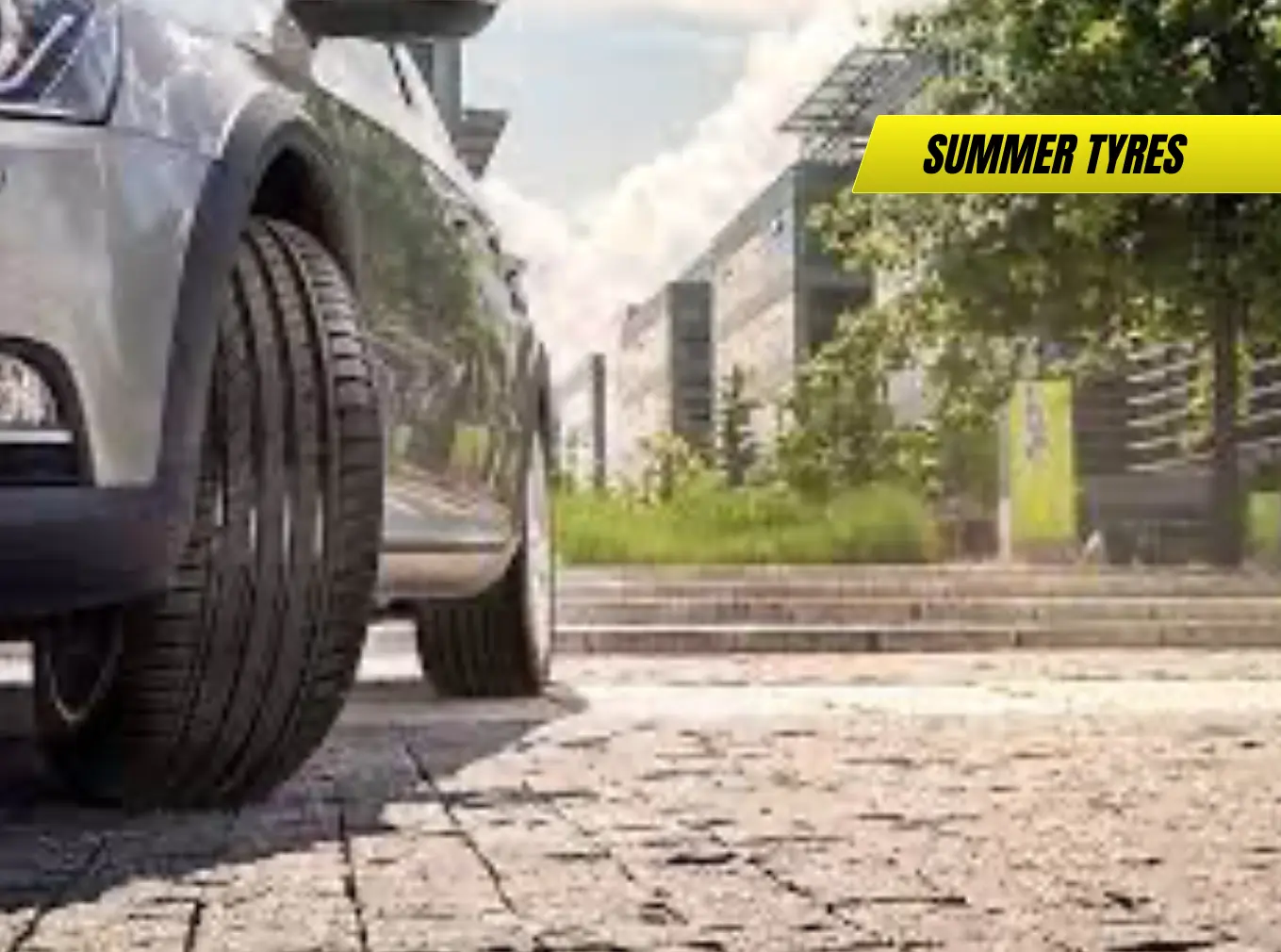
Complete guide to summer tyres in the UK for 2025. Best brands, performance comparison, fitting advice, and seasonal tyre benefits for British driving.
Summer tyres provide optimal performance characteristics for UK driving conditions during warmer months, offering superior grip, handling, and fuel efficiency compared to all-season or winter alternatives when temperatures consistently exceed 7°C. These specialized tyres feature compound formulations and tread patterns designed for dry and wet performance in temperate conditions typical of British summers. In my experience testing various tyre types across different UK driving conditions, summer tyres deliver measurable benefits in performance, safety, and economy that justify seasonal changeover for driving enthusiasts and safety-conscious motorists.
Key Highlights: Summer Tyres UK 2025
• Temperature optimization for performance above 7°C with superior grip and handling • Enhanced fuel efficiencythrough reduced rolling resistance and optimized compounds • Improved wet weather performance with specialized tread patterns for UK conditions • Extended tyre life when used seasonally compared to year-round all-season alternatives • Performance benefits including shorter braking distances and better cornering stability • Legal compliance ensuring adequate tread depth and safety standards throughout use
Understanding Summer Tyre Technology
Summer tyre design incorporates specific rubber compounds, tread patterns, and construction techniques optimized for performance in temperatures above 7°C, providing enhanced grip, handling, and efficiency compared to all-season alternatives.
The compound formulation uses harder rubber that maintains flexibility and grip in warm conditions whilst providing excellent wear characteristics and fuel economy. Tread patterns emphasize water evacuation and dry grip rather than winter traction, creating optimal performance for UK summer driving conditions. For broader vehicle maintenance context, our guide on timing chain longevity provides essential mechanical maintenance information.
Summer Tyre vs All-Season Comparison
Performance Characteristics
Summer tyres outperform all-season alternatives in specific temperature ranges and driving conditions common during UK summer months, providing measurable benefits in safety and performance.
Dry Weather Performance:
- Superior grip through optimized compound hardness
- Enhanced steering response and precision
- Shorter braking distances at higher speeds
- Improved cornering stability and control
- Better high-speed performance and handling
Wet Weather Capabilities:
- Specialized tread patterns for water evacuation
- Compound designed for wet grip optimization
- Reduced aquaplaning risk through efficient drainage
- Better braking performance on wet surfaces
- Enhanced cornering grip in wet conditions
Temperature Range:
- Optimal performance above 7°C
- Compound hardening below 7°C reducing grip
- Heat resistance for high-speed summer driving
- Thermal stability maintaining performance consistency
- Cool morning performance adequate for UK conditions
Fuel Efficiency:
- Lower rolling resistance reducing fuel consumption
- Optimized compound reducing energy loss
- Aerodynamic tread patterns minimizing drag
- Typically 5-10% better fuel economy than all-seasons
- Environmental benefits through reduced emissions
Seasonal Limitations
Summer tyres perform poorly in winter conditions below 7°C, requiring seasonal changeover or alternative tyre strategies for year-round driving in the UK.
Winter Performance Limitations:
- Compound hardening in cold temperatures
- Reduced grip on wet and cold surfaces
- Poor performance on ice and snow
- Increased stopping distances below 7°C
- Safety compromises during winter months
Changeover Considerations:
- Storage requirements for off-season tyres
- Twice-yearly fitting costs and inconvenience
- Potential wheel and tyre package solutions
- Timing decisions based on weather patterns
- Regional variations in changeover requirements
All-Season Alternatives:
- Compromise performance for convenience
- Adequate performance across temperature ranges
- Reduced seasonal maintenance and storage
- Single tyre solution for year-round use
- Cost implications of performance compromise
Top Summer Tyre Brands and Models
Premium Performance Tyres
Premium manufacturers deliver cutting-edge technology, superior performance, and comprehensive warranties justifying higher purchase prices through enhanced safety and longevity.
Michelin:
- Pilot Sport 4: Excellent dry and wet performance
- Primacy 4: Comfort and efficiency focus
- CrossClimate+ (all-season alternative)
- Advanced compound technology and construction
- Extensive testing and development programmes
Continental:
- SportContact 6: Maximum performance applications
- PremiumContact 6: Balanced performance and comfort
- EcoContact 6: Fuel efficiency optimization
- German engineering and quality reputation
- Comprehensive size range and availability
Bridgestone:
- Potenza Sport: High-performance applications
- Turanza T005: Touring and comfort focus
- Ecopia EP500: Efficiency and environmental focus
- Japanese technology and manufacturing quality
- OEM partnerships with major manufacturers
Goodyear:
- Eagle F1 Asymmetric 5: Performance and wet grip balance
- EfficientGrip Performance 2: Efficiency and longevity
- Vector 4Seasons (all-season option)
- American innovation with European development
- Racing heritage influencing road tyre development
Mid-Range Value Options
Mid-tier manufacturers provide excellent performance-to-price ratios, offering quality construction and performance at accessible price points.
Hankook:
- Ventus V12 evo2: Performance value leader
- Kinergy Eco2: Efficiency and comfort balance
- Korean manufacturing with German engineering
- Rapidly improving reputation and market presence
- Competitive pricing with premium performance
Falken:
- Azenis FK510: Performance enthusiast choice
- Ziex ZE310 EcoRun: Efficiency and durability
- Japanese technology with competitive pricing
- Motorsport development influencing road products
- Strong performance in independent testing
Nexen:
- N’Fera Sport: Performance value proposition
- N’Blue HD Plus: Efficiency and wet performance
- Korean manufacture with improving quality
- Aggressive pricing and feature offerings
- Increasing OEM applications and recognition
Budget Conscious Selections
Budget tyre options provide legal compliance and basic performance whilst requiring compromise on advanced features and longevity.
Kumho:
- Ecsta PS71: Performance budget option
- Solus TA31: All-round capability and value
- Established manufacturer with quality reputation
- Competitive pricing with adequate performance
- Wide size availability and market presence
Uniroyal:
- RainSport 5: Wet weather specialization
- RainExpert 3: All-weather capability focus
- Continental group ownership ensuring quality
- Specialized wet performance development
- Value pricing with premium backing
Toyo:
- Proxes Sport: Performance value offering
- Nanoenergy 3 Plus: Efficiency and comfort
- Japanese quality with competitive pricing
- Advanced technology at accessible prices
- Growing market presence and recognition
Tyre Selection Criteria
Performance Requirements Assessment
Matching tyres to driving requirements ensures optimal performance whilst avoiding over-specification that increases costs without proportional benefits.
Driving Style Considerations:
- Spirited driving: High-performance compounds and construction
- Commuting focus: Comfort and efficiency priority
- Mixed use: Balanced performance characteristics
- Track day use: Maximum performance regardless of longevity
- Family transport: Safety and predictability emphasis
Vehicle Characteristics:
- Engine power and torque affecting tyre demands
- Vehicle weight influencing load ratings
- Suspension setup affecting tyre selection
- OEM tyre specifications and recommendations
- Modification compatibility and requirements
Usage Patterns:
- Annual mileage affecting longevity requirements
- Typical journey types and road conditions
- Seasonal use patterns and storage considerations
- Budget constraints and replacement frequency
- Performance priorities and compromise acceptance
Environmental Factors:
- Regional climate variations affecting compound choice
- Typical road surfaces and conditions
- Weather pattern considerations
- Urban vs rural driving environments
- Altitude and temperature variation impacts
Technical Specifications
Understanding tyre markings and ratings helps select appropriate specifications whilst ensuring legal compliance and optimal performance.
Size and Load Ratings:
- Correct size matching vehicle specifications
- Load index appropriate for vehicle weight
- Speed rating suitable for intended use
- Plus sizing considerations for performance applications
- Manufacturer recommendations and limitations
Performance Ratings:
- EU tyre label efficiency ratings (A-G scale)
- Wet grip performance ratings
- External rolling noise measurements
- Independent test results and comparisons
- Manufacturer performance claims and validation
Construction Details:
- Radial construction for modern applications
- Run-flat capability for convenience and safety
- Reinforced sidewalls for performance applications
- Tread pattern design and water evacuation
- Compound technology and temperature range
Legal Requirements:
- Minimum tread depth: 1.6mm across central three-quarters
- Matching requirements for axle pairs
- Speed rating meeting vehicle requirements
- Load capacity appropriate for vehicle weight
- Age considerations for safety and performance
Installation and Maintenance
Professional Fitting Services
Professional tyre installation ensures safety, performance, and longevity whilst providing warranty coverage and expert advice.
Fitting Service Components:
- Removal of old tyres and disposal
- Wheel inspection and cleaning
- New tyre mounting and balancing
- Pressure setting and valve replacement
- Alignment checking and adjustment
Quality Indicators:
- Professional equipment and calibration
- Trained technician qualifications
- Comprehensive service offerings
- Warranty coverage and guarantees
- Customer service and advice quality
Additional Services:
- Wheel alignment and geometry checking
- Tyre pressure monitoring system programming
- Puncture repair and maintenance services
- Seasonal storage for off-season tyres
- Performance optimization and advice
Cost Considerations:
- Fitting costs: £15-30 per tyre typically
- Balancing: Usually included in fitting price
- Disposal fees: £2-5 per tyre for old tyre disposal
- Valve replacement: £5-10 per valve recommended
- Alignment: £50-100 for four-wheel alignment
Maintenance Best Practices
Proper maintenance maximizes tyre life, performance, and safety whilst ensuring legal compliance throughout the service period.
Regular Inspections:
- Weekly visual inspection for damage and wear
- Monthly pressure checking with accurate gauge
- Tread depth monitoring using depth gauge
- Sidewall inspection for cuts, bulges, or cracking
- Valve condition and cap security checking
Pressure Management:
- Check pressures when tyres are cold
- Follow manufacturer specifications exactly
- Adjust for load variations and long journeys
- Include spare tyre in regular checking routine
- Use nitrogen filling for enhanced stability
Rotation Strategies:
- Regular rotation extending tyre life
- Front-to-rear rotation for directional tyres
- Cross-rotation for non-directional patterns
- Professional rotation during service visits
- Documentation of rotation timing and mileage
Storage Considerations:
- Clean storage in cool, dry conditions
- Avoid exposure to UV light and ozone
- Proper pressure maintenance during storage
- Vertical storage for mounted tyres
- Horizontal stacking for unmounted tyres
Regional UK Considerations
Climate Variations
UK regional climate differences influence tyre selection and changeover timing across different geographic areas.
Northern Regions:
- Earlier winter tyre changeover requirements
- Extended cold period considerations
- Potential for snow and ice conditions
- Maritime climate influence in Scotland
- Highland and mountain driving considerations
Southern Regions:
- Extended summer tyre season
- Higher average temperatures
- Reduced winter weather severity
- Urban heat island effects
- Continental weather influence
Coastal Areas:
- Maritime climate moderation
- Salt air corrosion considerations
- Moderate temperature variations
- Wet weather frequency
- Wind exposure affecting handling
Urban vs Rural:
- Traffic density affecting tyre wear
- Road surface quality variations
- Emergency service accessibility
- Storage facility availability
- Professional service access
Seasonal Timing
Optimal changeover timing balances performance benefits with practical considerations including weather patterns and service availability.
Spring Changeover:
- Temperature consistently above 7°C
- Typically March-April in most UK regions
- Earlier in southern England, later in Scotland
- Weather forecast considerations for timing
- Service appointment availability
Autumn Changeover:
- Temperature dropping below 7°C regularly
- Typically October-November timing
- Regional variations in changeover dates
- First frost predictions and preparation
- Winter tyre availability and booking
Weather Monitoring:
- Long-range forecast consultation
- Regional temperature trend analysis
- Professional service advice and timing
- Flexibility for unusual weather patterns
- Emergency changeover for sudden conditions
Cost Analysis and Value
Total Cost of Ownership
Evaluating tyre costs requires consideration of purchase price, fitting, maintenance, and performance benefits over the service life.
Purchase Costs:
- Premium tyres: £100-300+ per tyre
- Mid-range options: £60-150 per tyre
- Budget alternatives: £40-100 per tyre
- Seasonal storage costs: £50-100 annually
- Additional wheel sets: £200-800 for convenience
Service and Maintenance:
- Professional fitting: £60-120 for four tyres
- Regular maintenance: £50-100 annually
- Puncture repairs: £20-40 per repair
- Alignment services: £50-100 as required
- Storage and handling: £100-200 annually
Performance Benefits:
- Fuel efficiency improvements: £100-300 annually
- Enhanced safety and reduced accident risk
- Improved vehicle performance and enjoyment
- Extended tyre life through seasonal use
- Reduced wear on vehicle suspension components
Longevity Factors:
- Summer tyre life: 20,000-40,000 miles typically
- Seasonal use extending overall lifespan
- Quality construction affecting durability
- Maintenance impact on service life
- Driving style influence on wear rates
Budget Planning Strategies
Effective budget management spreads tyre costs whilst ensuring optimal performance and safety throughout ownership.
Purchase Strategies:
- Seasonal sales and promotional pricing
- Online purchasing with professional fitting
- Tyre package deals including fitting and services
- Bulk purchasing for multiple vehicles
- Quality vs price balance optimization
Timing Considerations:
- Off-season purchasing for better pricing
- Service appointment scheduling and availability
- Emergency replacement cost planning
- Seasonal changeover timing optimization
- Long-term replacement planning
Cost Reduction Opportunities:
- Group purchases with friends or family
- Loyalty programmes and repeat customer discounts
- Maintenance adherence extending tyre life
- Driving habit modifications reducing wear
- Professional advice optimizing selection
Environmental Considerations
Sustainability and Recycling
Environmental impact of tyre selection and disposal requires consideration of sustainability throughout the product lifecycle.
Manufacturing Impact:
- Premium manufacturers investing in sustainable production
- Recycled materials incorporation in new tyres
- Renewable energy use in manufacturing processes
- Transportation efficiency and local sourcing
- Packaging reduction and recyclable materials
Usage Efficiency:
- Fuel consumption impact of tyre choice
- Rolling resistance affecting emissions
- Longevity reducing replacement frequency
- Proper maintenance extending service life
- Inflation pressure optimizing efficiency
End-of-Life Management:
- Tyre recycling and proper disposal
- UK recycling requirements and regulations
- Retreading options for suitable casings
- Alternative uses for worn tyres
- Professional disposal through fitting services
Future Technologies:
- Bio-based compounds reducing petroleum dependence
- Improved recycling technologies and processes
- Longer-lasting compounds reducing replacements
- Smart tyres monitoring performance and condition
- Sustainable transportation integration
Future Trends and Developments
Technology Evolution
Tyre technology advancement continues improving performance, efficiency, and sustainability whilst integrating with vehicle systems.
Compound Development:
- Advanced silica compounds improving wet grip
- Bio-based materials reducing environmental impact
- Temperature-adaptive compounds extending usability
- Self-healing compounds reducing puncture damage
- Noise-reducing compounds improving comfort
Construction Innovation:
- Lighter construction reducing vehicle weight
- Reinforced sidewalls improving durability
- Aerodynamic optimization reducing drag
- Smart construction monitoring tyre condition
- Modular design enabling component replacement
Integration Technologies:
- TPMS integration for real-time monitoring
- Connected tyres communicating with vehicles
- Predictive maintenance through data analysis
- Performance optimization through AI systems
- Safety system integration enhancing control
Market Trends:
- Increased focus on efficiency and sustainability
- Growing performance tyre market segment
- Online purchasing and mobile fitting services
- Subscription models for tyre services
- Electric vehicle specific tyre development
Frequently Asked Questions
When should I switch to summer tyres in the UK?
Switch when temperatures consistently exceed 7°C, typically March-April depending on region. Monitor weather forecasts and consider professional advice for optimal timing based on local conditions.
How much difference do summer tyres make compared to all-seasons?
Summer tyres provide 5-15% better performance in dry conditions and improved fuel economy. Braking distances can be 2-3 metres shorter from 60mph, whilst handling and grip show measurable improvements.
Are expensive summer tyres worth the extra cost?
Premium tyres justify higher costs through superior performance, longer life, and enhanced safety. The difference in stopping distances and grip can be significant, particularly in emergency situations.
How long do summer tyres typically last?
Summer tyres last 20,000-40,000 miles depending on quality, driving style, and maintenance. Seasonal use can extend overall lifespan compared to year-round all-season alternatives.
Can I use summer tyres year-round in the UK?
Not recommended due to poor cold weather performance below 7°C. Summer tyres become hard and lose grip in winter conditions, significantly increasing accident risk and potentially violating insurance terms.
What’s the best way to store summer tyres when not in use?
Store in cool, dry conditions away from direct sunlight and ozone sources. Keep tyres inflated and store vertically if mounted, horizontally if unmounted. Professional storage services are available.
Do I need to buy four summer tyres at once?
Replace tyres in pairs minimum, preferably all four for optimal performance. Mixing tyre types or brands can affect handling and safety, particularly in wet conditions.
Conclusion
Summer tyres provide significant performance, safety, and efficiency benefits for UK drivers during warmer months, justifying the investment and seasonal changeover requirements for those prioritizing optimal driving characteristics. From my perspective, the measurable improvements in braking, handling, and fuel economy make summer tyres worthwhile for performance-conscious drivers.
I would recommend summer tyres for drivers covering moderate to high annual mileages, those prioritizing performance and safety, and anyone with suitable storage facilities for seasonal changeover. The benefits become particularly apparent during spirited driving or emergency situations where maximum grip proves essential.
Understanding summer tyre technology, selection criteria, and maintenance requirements enables informed decisions that enhance driving safety and enjoyment whilst managing costs effectively. For UK drivers in 2025, summer tyres represent proven technology that delivers measurable benefits justifying their consideration as part of comprehensive vehicle maintenance and performance optimization.





