
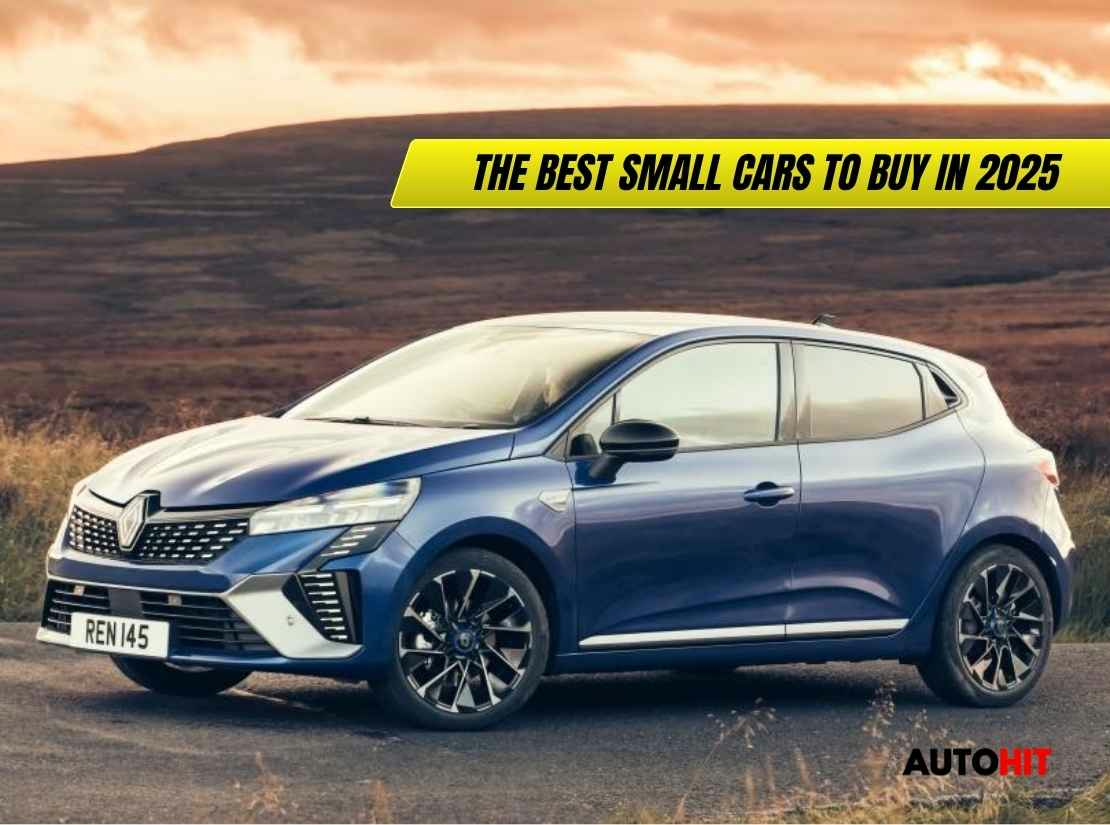
In a world increasingly dominated by SUVs and crossovers, the humble small car – or supermini as they’re often called – continues to hold a special place in British hearts. From first-time drivers navigating London’s congested streets to seasoned motorists seeking an efficient second car, superminis remain the backbone of UK motoring. Yet with the Ford Fiesta’s recent demise leaving a significant gap in the market, choosing the right small car has become both more important and more challenging than ever.
According to our analysis at AutoHit, the supermini segment is experiencing a fascinating renaissance. Rather than withering away, manufacturers are investing heavily in making small cars more desirable, more efficient, and crucially, more electric. The result is a class that’s arguably more compelling today than it’s been for years, with options ranging from sub-£15,000 bargains to premium electric models that would have been unimaginable just a decade ago.
The best small cars of 2025 must excel across multiple criteria: they need to be affordable to buy and run, practical enough for daily family life, efficient enough to make environmental sense, and engaging enough to put a smile on your face during the Monday morning commute. Finding models that tick all these boxes isn’t easy, but our comprehensive testing reveals some outstanding options.
Key Highlights: What Makes a Great Small Car in 2025
• Accessibility remains king: Starting prices from under £15,000 ensure superminis stay within reach of first-time buyers and budget-conscious families • Electric revolution: Models like the Renault 5 E-Tech prove that electric small cars can be both affordable and desirable • Technology advancement: Even entry-level models now feature smartphone connectivity, safety systems, and digital displays previously reserved for premium cars • Efficiency focus: Modern superminis achieve 50+ mpg whilst offering more power and refinement than ever before • Design confidence: Manufacturers are prioritising character and style over bland efficiency, creating genuinely appealing small cars • Versatility expansion: Today’s superminis handle everything from city centre navigation to motorway cruising with surprising competence
The Electric Small Car Revolution
Perhaps the most significant development in the supermini segment is the emergence of genuinely compelling electric options. The Renault 5 E-Tech leads this charge, offering up to 248 miles of range from £22,995 – pricing that puts it on par with conventional petrol rivals whilst delivering zero local emissions and dramatically lower running costs.
For urban drivers, electric superminis make particular sense. The instant torque delivery makes city driving effortless, whilst silent operation ensures neighbourly relations remain cordial during early morning departures. Models like the Fiat 500e and Mini Cooper Electric demonstrate that electric power doesn’t require sacrificing character, though their higher prices limit their appeal to more affluent buyers.
The infrastructure challenge remains real for buyers without home charging, but for those who can charge at home or work, electric superminis offer compelling financial benefits. Running costs drop to around 4-6p per mile compared to 15-20p per mile for petrol equivalents, whilst company car drivers benefit from minimal BiK taxation.
Traditional Petrol Champions: Proven and Refined
For buyers preferring conventional power, the supermini segment continues to offer excellent options. The Volkswagen Polo remains the class benchmark for refinement and build quality, delivering a genuinely premium feel that justifies its slightly higher pricing. The latest model feels more like a downsized Golf than a budget runabout, with exceptional motorway manners and a quality interior that few rivals can match.
The Renault Clio represents perhaps the best value proposition in the class, combining attractive styling with genuine interior quality and one of the largest boots in the segment. The availability of Renault’s clever E-Tech hybrid system provides an efficiency-focused alternative for buyers not quite ready for full electrification.
Meanwhile, the Vauxhall Corsa continues to offer British buyers a familiar, reliable choice with competitive pricing and decent standard equipment. Whilst it may not match the Fiesta’s dynamic excellence, it represents solid value for practical-minded buyers.
Budget Champions: Maximum Value, Minimum Compromise
At the affordable end of the spectrum, the Dacia Sandero continues to defy conventional wisdom about cheap cars. Based on the current Renault Clio platform but stripped of non-essential luxury, it offers genuine five-seat practicality and a sizeable boot for remarkable money. Starting prices around £13,000 make it accessible to buyers who might otherwise be forced into the used car market.
The Suzuki Swift occupies a similar value-focused position, offering Japanese reliability, surprising equipment levels, and engaging dynamics. The latest mild-hybrid technology enhances efficiency without significantly impacting the driving experience, whilst the competitive warranty provides additional peace of mind.
For buyers seeking the absolute maximum space for minimum money, the Honda Jazz deserves serious consideration. Its ingenious “Magic Seats” system provides unparalleled versatility in such a compact package, whilst Honda’s reputation for reliability ensures long-term satisfaction.
Premium Small Cars: Luxury in Miniature
At the premium end of the supermini spectrum, the Mini Cooper and Audi A1 demonstrate that small doesn’t necessarily mean spartan. The Mini particularly excels at delivering an involving driving experience, with sharp handling and distinctive styling that ensure it stands out in any car park.
The recently launched Lexus LBX represents an intriguing new entrant, offering luxury car refinement in a supermini-sized package. Whilst expensive by segment standards, it provides access to Lexus ownership at a previously unattainable price point, complete with hybrid efficiency and exceptional build quality.
These premium options suit buyers who prioritise brand prestige and luxury features over pure value, but their higher prices mean they compete as much with larger cars as with traditional superminis.
Performance and Enthusiast Options
Despite the general industry move away from performance variants, some excellent hot superminis survive. The Toyota GR Yaris stands as the segment champion, offering genuine sports car performance in a practical everyday package. Its rally-bred all-wheel-drive system and turbocharged three-cylinder engine create an experience that’s genuinely special, though limited production and high prices restrict its appeal.
For more accessible performance, the Mini Cooper S continues to offer engaging dynamics with everyday usability. The latest version may lack the raw excitement of earlier generations, but it remains one of the most rewarding small cars to drive quickly.
The forthcoming Alpine A290, based on the Renault 5 platform, promises to bring electric performance to the supermini segment, though pricing will likely position it as a niche offering rather than a volume seller.
Practical Considerations for British Buyers
Urban Excellence
Small cars excel in British cities, where narrow streets, tight parking spaces, and congestion charges favour compact dimensions. Models like the Renault 5 E-Tech and Volkswagen Polo offer the perfect combination of manoeuvrability and refinement for urban use, whilst electric versions provide additional benefits in ULEZ zones.
The best small cars feature light steering for easy parking, good visibility for navigating tight spots, and compact dimensions that make width restrictors and multi-storey car parks stress-free. Rear parking sensors, now standard on most models, further enhance urban usability.
Motorway Capability
Modern superminis are far more capable on faster roads than their predecessors. Cars like the Polo and Clio offer genuinely relaxing motorway cruising, with well-insulated cabins and sixth-gear ratios that keep engine noise to acceptable levels at 70mph.
Range remains a consideration for electric models on longer journeys, though the 248-mile capability of cars like the Renault 5 E-Tech makes most UK journeys feasible with minimal planning. Rapid charging capabilities ensure that necessary stops remain brief.
Family Practicality
Despite their compact external dimensions, the best superminis offer surprising interior space. Five-door models like the Honda Jazz and Skoda Fabia provide genuine accommodation for four adults, whilst boot capacities of 300+ litres handle weekly shopping trips with ease.
Child seat compatibility varies significantly between models, making it essential for young families to test fit their specific requirements. Cars with rear doors obviously offer easier access than three-door alternatives, though the latter often provide additional style.
Running Costs and Ownership
Purchase Prices and Finance
New supermini prices range from around £13,000 for basic Dacia Sandero models to over £30,000 for premium electric variants. The sweet spot for most buyers lies in the £18,000-£25,000 range, where cars like the Renault Clio, Volkswagen Polo, and Vauxhall Corsa offer the best balance of features and value.
PCP finance deals often make higher-specification models more accessible than they initially appear, with monthly payments sometimes differing by only £50-£100 between trim levels. However, buyers should carefully consider total cost of ownership rather than just monthly payments.
Fuel Economy and Running Costs
Modern superminis excel at efficiency, with the best petrol models achieving 50+ mpg in real-world conditions. Hybrid variants like the Toyota Yaris and Renault Clio E-Tech can exceed 60 mpg, whilst electric models reduce running costs to 4-6p per mile.
Insurance groups typically range from 5-15 for most superminis, making them accessible to younger drivers. Road tax varies from £0 for electric models to around £165 annually for higher-emission petrol variants.
Reliability and Warranties
Japanese brands like Toyota, Honda, and Suzuki continue to lead reliability surveys, though European manufacturers have closed the gap significantly. Kia and Hyundai offer exceptional seven-year warranties that provide additional peace of mind.
Service costs remain reasonable across the segment, with annual maintenance typically costing £200-£400 depending on the model and service location. Electric models require minimal maintenance beyond tyre and brake replacements.
Market Comparison and Recommendations
| Model | Starting Price | Fuel Economy | Boot Space | Our Rating |
|---|---|---|---|---|
| Renault 5 E-Tech | £22,995 | 3.3mi/kWh (190mi range) | 326L | ⭐⭐⭐⭐⭐ |
| Volkswagen Polo | £19,040 | 52mpg | 351L | ⭐⭐⭐⭐⭐ |
| Renault Clio | £17,295 | 58mpg (hybrid) | 391L | ⭐⭐⭐⭐ |
| Dacia Sandero | £13,795 | 50mpg | 328L | ⭐⭐⭐⭐ |
| Honda Jazz | £21,960 | 62mpg (hybrid) | 304L | ⭐⭐⭐⭐ |
| Vauxhall Corsa | £18,880 | 51mpg | 309L | ⭐⭐⭐ |
| Toyota Yaris | £22,310 | 68mpg (hybrid) | 286L | ⭐⭐⭐⭐ |
| Mini Cooper | £22,500 | 48mpg | 211L | ⭐⭐⭐⭐ |
Our Top Recommendations by Category
Best Overall: Volkswagen Polo – Exceptional refinement, quality, and all-round capability justify the premium pricing.
Best Value: Dacia Sandero – Remarkable practicality and equipment for the money, based on proven Clio mechanicals.
Best Electric: Renault 5 E-Tech – Combines affordable pricing with distinctive style and competitive range.
Best for Families: Honda Jazz – Ingenious packaging and reliability make it ideal for practical buyers.
Best for Driving Enthusiasts: Mini Cooper S – Retains enough character and engagement to satisfy keen drivers.
Best Hybrid: Toyota Yaris – Outstanding efficiency meets proven reliability and comprehensive equipment.
The Post-Fiesta Landscape
The Ford Fiesta’s departure has undoubtedly left a gap in the market, but it’s a gap that’s being filled by increasingly compelling alternatives. Where the Fiesta once dominated through superior dynamics and value, today’s supermini buyers enjoy a broader range of genuinely excellent options.
Electric models like the Renault 5 E-Tech offer something the Fiesta never could – zero local emissions and minimal running costs. Premium options like the Volkswagen Polo provide refinement levels that surpass what the Fiesta ever achieved. Value leaders like the Dacia Sandero offer space and equipment for prices the Fiesta couldn’t match.
The result is a segment that’s arguably stronger today than when the Fiesta was at its peak. Buyers have more choice, more variety, and more innovation than ever before.
Frequently Asked Questions
What’s the best small car for a first-time buyer in 2025? For first-time buyers, we’d recommend the Dacia Sandero or Vauxhall Corsa. The Sandero offers remarkable value for money with genuine five-seat practicality from around £13,795, whilst the Corsa provides a more familiar British brand experience with competitive pricing from £18,880. Both offer good safety ratings and low insurance costs that suit younger drivers.
Are electric small cars worth considering over petrol alternatives? If you can charge at home or work, electric small cars like the Renault 5 E-Tech offer compelling benefits. Running costs drop to around 4-6p per mile versus 15-20p for petrol, whilst performance is often superior thanks to instant torque delivery. However, buyers without convenient charging access should consider hybrid alternatives like the Toyota Yaris or Renault Clio E-Tech.
Which small car offers the best interior space and boot capacity? The Honda Jazz excels for interior versatility thanks to its “Magic Seats” system, whilst the Renault Clio offers the largest boot at 391 litres. The Skoda Fabia and Dacia Sandero also provide impressive space for their prices. If maximum space is essential, consider whether a small SUV like the Nissan Juke might better suit your needs.
What happened to the Ford Fiesta, and what’s the best replacement? Ford discontinued the Fiesta in 2023 due to declining sales and the shift towards SUVs. For similar driving dynamics, consider the Mini Cooper or Volkswagen Polo. For value and practicality, the Renault Clio or Dacia Sandero excel. Ford now directs small car buyers towards the Puma compact SUV, which shares many Fiesta components in a taller package.
How reliable are modern small cars, and which brands offer the best warranties? Modern small cars are generally very reliable, with Japanese brands (Toyota, Honda, Suzuki) typically leading reliability surveys. Korean manufacturers (Kia, Hyundai) offer exceptional seven-year warranties, whilst most European brands provide three-year coverage. Electric models require minimal maintenance, focusing mainly on tyres and brake replacements.
What should I budget for running a small car annually? Annual running costs vary significantly by model and usage. Budget around £1,200-£2,000 annually for a petrol supermini including fuel, insurance, tax, and servicing. Electric models reduce this to £800-£1,400 thanks to lower energy costs and minimal maintenance requirements. Young drivers should budget extra for higher insurance premiums initially.
Are small cars safe in modern traffic conditions? Modern small cars feature comprehensive safety equipment including automatic emergency braking, lane departure warning, and multiple airbags. Euro NCAP ratings of 4-5 stars are common across the segment. However, physics means larger vehicles offer inherent advantages in serious collisions, making defensive driving particularly important in smaller cars.
Our Verdict: Small Cars, Big Appeal
The supermini segment in 2025 is characterised by remarkable diversity and genuine excellence across multiple price points. Far from being a declining market, small cars are experiencing a renaissance driven by electrification, improved technology, and manufacturers’ renewed focus on character and desirability.
The Renault 5 E-Tech stands as our current favourite, successfully combining affordable electric motoring with distinctive style and genuine charm. For buyers preferring conventional power, the Volkswagen Polo continues to set benchmarks for refinement and quality, whilst the Dacia Sandero proves that budget doesn’t necessarily mean basic.
What’s particularly encouraging is how manufacturers are resisting the temptation to make small cars feel like miniaturised larger models. The best superminis celebrate their compact dimensions whilst maximising the benefits they bring – efficiency, manoeuvrability, and accessibility.
For British buyers in 2025, the small car segment offers something for everyone: from electric pioneers to efficiency enthusiasts, from driving purists to value seekers. The Ford Fiesta may be gone, but its legacy lives on in a class that’s arguably more compelling today than it’s ever been.
The key is matching your specific needs to the right model. City dwellers should prioritise electric options like the Renault 5 E-Tech, families need the space of cars like the Honda Jazz or Dacia Sandero, whilst driving enthusiasts will find satisfaction in the Mini Cooper or Toyota GR Yaris. Whatever your priorities, there’s almost certainly a supermini that delivers exactly what you need.





