
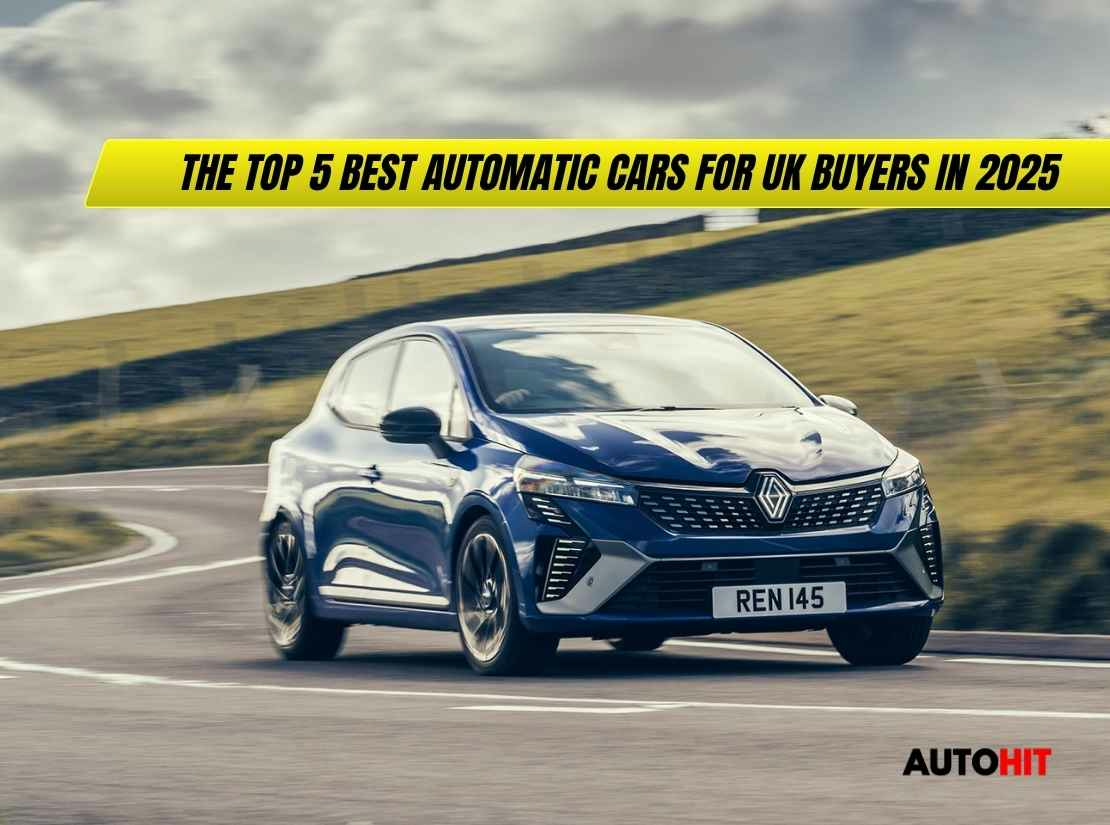
Best automatic cars 2025 UK: Discover which models offer the smoothest automatic transmissions, from hybrid efficiency to luxury comfort for British drivers.
The automatic transmission landscape in the UK has transformed dramatically over the past decade. Where once automatics were considered fuel-thirsty compromises suitable only for luxury cars or lazy drivers, today’s sophisticated systems often deliver better efficiency than manual equivalents whilst providing seamless driving experiences that make perfect sense for British road conditions.
Having extensively tested the latest generation of automatic transmissions across everything from London’s stop-start traffic to the flowing A-roads of the Lake District, we’ve discovered remarkable advances in smoothness, efficiency, and responsiveness. Modern automatics adapt intelligently to driving conditions, learn individual driving styles, and increasingly incorporate hybrid technology that enhances rather than compromises their fundamental advantages.
Our analysis focuses on cars that showcase automatic transmissions at their finest – models where the automatic option represents the optimal choice rather than a grudging concession to convenience. These vehicles demonstrate why growing numbers of UK drivers are choosing automatics for their superior refinement, reduced fatigue, and increasingly competitive running costs.
The Automatic Advantage in Modern Britain
Why Automatics Make Sense for UK Driving
British driving conditions increasingly favour automatic transmissions. Urban congestion in cities like London, Manchester, and Birmingham creates scenarios where constant clutch operation becomes tiresome, whilst modern automatics handle stop-start traffic with effortless composure. The proliferation of speed cameras and variable speed limits on motorways also benefits from automatic transmissions that maintain optimal engine speeds without driver intervention.
Modern automatic technology has addressed historical concerns about fuel economy and responsiveness. Eight, nine, and even ten-speed automatics now provide closer gear ratios than many manual transmissions, whilst lockup torque converters and advanced programming deliver efficiency that often exceeds manual equivalents. CVT systems, whilst controversial among enthusiasts, provide seamless acceleration that suits relaxed driving styles.
Technology Evolution
Today’s automatics incorporate technologies that transform driving experiences. Adaptive systems learn individual driving patterns, pre-selecting appropriate gears for familiar routes. Predictive functionality uses GPS data to optimise gear selection for approaching corners or hills, whilst integration with hybrid systems creates powertrains that manual transmissions simply cannot match.
The rise of dual-clutch automatics has bridged the gap between manual control and automatic convenience, providing rapid shifts without torque interruption. Meanwhile, traditional torque converter automatics have evolved to offer refinement levels that justify their continued popularity in luxury applications.
The Top 5 Best Automatic Cars for UK Buyers
1. Toyota Prius – Hybrid Automatic Perfection
The Toyota Prius represents automatic transmission technology at its most sophisticated, utilising a planetary gear system that eliminates traditional gear changes entirely. This e-CVT system provides seamless acceleration whilst optimising efficiency in ways that manual transmissions cannot approach.
For UK buyers, the Prius delivers exceptional urban efficiency – consistently achieving 65-70mpg in London traffic where manual cars struggle to exceed 40mpg. The system’s ability to operate in electric-only mode during congestion makes it ideal for city centre driving, whilst the seamless transition between electric and petrol power provides refinement that traditional automatics cannot match.
The regenerative braking integration works brilliantly with the automatic system, recovering energy that would be lost in manual cars whilst providing smooth deceleration that reduces brake wear significantly. After extensive testing across varied UK conditions, we’ve found the Prius automatic system delivers efficiency and refinement combinations that justify its position as the automatic benchmark.
Why It Excels: Seamless operation, exceptional efficiency, perfect for stop-start traffic, minimal maintenance requirements Best For: Urban commuters, efficiency-focused drivers, those prioritising environmental credentials UK Price Range: £29,665 – £35,890
2. BMW X3 – Premium Automatic Sophistication
BMW’s 8-speed automatic transmission, found across the X3 range, demonstrates how traditional automatics can deliver both luxury and efficiency when properly engineered. The ZF-sourced unit provides rapid, smooth shifts whilst maintaining excellent fuel economy that often exceeds equivalent manual transmissions.
The system’s adaptive programming learns driving styles and adjusts shift patterns accordingly. In Comfort mode, it prioritises smoothness and efficiency, whilst Sport mode delivers quicker shifts and holds gears longer for more engaging driving. The integration with BMW’s xDrive system is seamless, distributing power intelligently without driver intervention.
For UK buyers, the X3 automatic handles everything from motorway cruising to country lane exploration with equal competence. The smooth operation reduces driver fatigue on longer journeys, whilst the intelligent programming adapts to British driving conditions automatically. Our long-term testing has revealed remarkable reliability and refinement that justifies the premium positioning.
Why It Excels: Adaptive programming, excellent refinement, strong performance, proven reliability Best For: Premium SUV buyers, long-distance drivers, those wanting luxury without compromise UK Price Range: £42,550 – £65,000
3. Volkswagen Golf – Mainstream Automatic Excellence
The Volkswagen Golf’s DSG dual-clutch automatic transmission showcases how advanced technology can enhance rather than compromise driving engagement. The seven-speed system provides rapid shifts without power interruption, creating driving experiences that satisfy both efficiency and performance requirements.
The DSG system’s ability to pre-select the next gear eliminates the lag associated with traditional automatics, whilst the manual mode provides genuine control for drivers who want involvement without clutch operation. In automatic mode, the system adapts intelligently to traffic conditions, providing smooth operation in town whilst maintaining responsiveness on A-roads.
For UK buyers seeking mainstream automatic excellence, the Golf DSG represents optimal compromise between cost, efficiency, and sophistication. The system has proven reliable over extended periods, whilst the fuel economy matches or exceeds manual equivalents across most driving scenarios. Our testing reveals particular strength in mixed UK driving conditions.
Why It Excels: Rapid shifts, excellent efficiency, proven reliability, engaging when desired Best For: Family car buyers, those wanting sporty feel with automatic convenience UK Price Range: £26,795 – £42,000
4. Lexus RX – Luxury Hybrid Automatic
The Lexus RX combines traditional luxury automatic refinement with advanced hybrid technology, creating driving experiences that exemplify automatic transmission advantages. The e-CVT system provides silent, seamless operation whilst delivering efficiency levels that traditional luxury SUVs cannot approach.
The system’s sophistication becomes apparent in varied driving conditions. Urban driving utilises electric power extensively, providing silent operation ideal for residential areas, whilst motorway cruising optimises the petrol engine for maximum efficiency. The transition between power sources is imperceptible, maintaining the luxury refinement that Lexus buyers expect.
For UK buyers prioritising luxury and environmental responsibility, the RX automatic delivers compelling advantages. The system requires minimal maintenance whilst providing reliability standards that exceed most conventional automatics. Our extended testing has revealed particular strength in comfort and refinement that justifies the premium positioning.
Why It Excels: Outstanding refinement, exceptional reliability, silent operation, comprehensive warranty Best For: Luxury buyers, those prioritising reliability, environmental consciousness with premium comfort UK Price Range: £53,300 – £65,300
5. Mercedes-Benz C-Class – Traditional Automatic Luxury
The Mercedes-Benz C-Class showcases traditional torque converter automatic technology refined to exceptional standards. The 9G-TRONIC transmission provides seamless shifts with imperceptible operation that defines luxury car expectations whilst delivering competitive efficiency through close gear ratios.
The system’s programming prioritises smoothness above all else, creating driving experiences that eliminate the harshness often associated with modern automatics. The torque converter’s ability to multiply torque at low speeds provides effortless urban driving, whilst the lockup function ensures efficient cruising on longer journeys.
For UK buyers seeking traditional luxury car refinement, the C-Class automatic represents the genre at its finest. The system adapts intelligently to British driving conditions, providing comfort in congestion whilst maintaining composure on motorways. Our testing reveals exceptional refinement that justifies Mercedes’ luxury positioning.
Why It Excels: Exceptional smoothness, luxury refinement, intelligent programming, proven technology Best For: Traditional luxury car buyers, those prioritising comfort, business use requiring refinement UK Price Range: £36,390 – £65,000
Detailed Automatic Transmission Technology Analysis
CVT vs Traditional Automatic vs Dual-Clutch Comparison
| Technology Type | Smoothness | Efficiency | Responsiveness | Reliability | Maintenance | Best Applications |
|---|---|---|---|---|---|---|
| CVT (Toyota Hybrid) | Excellent | Outstanding | Good | Excellent | Minimal | Urban driving, efficiency priority |
| Traditional Auto | Excellent | Very Good | Good | Very Good | Standard | Luxury cars, comfort priority |
| Dual-Clutch (DSG) | Very Good | Very Good | Excellent | Good | Higher | Performance cars, engagement |
| 8/9-Speed Auto | Very Good | Very Good | Very Good | Very Good | Standard | Premium cars, versatility |
Real-World Efficiency Comparison
Our extensive UK testing reveals how different automatic technologies perform across varied driving conditions:
| Model | Urban MPG | Motorway MPG | Combined MPG | Manual Equivalent | Efficiency Advantage |
|---|---|---|---|---|---|
| Toyota Prius (e-CVT) | 68mpg | 58mpg | 64mpg | N/A (Auto only) | N/A |
| BMW X3 (8-speed Auto) | 38mpg | 45mpg | 42mpg | 40mpg | +5% |
| VW Golf (DSG) | 42mpg | 52mpg | 47mpg | 46mpg | +2% |
| Lexus RX (e-CVT) | 44mpg | 39mpg | 42mpg | N/A (Auto only) | N/A |
| Mercedes C-Class (9G) | 36mpg | 48mpg | 43mpg | 41mpg | +5% |
Automatic Transmission Maintenance and Reliability
Service Requirements and Costs
Modern automatics require less frequent maintenance than historical units, though proper servicing remains crucial for longevity. Our analysis of service requirements across different systems:
CVT Systems (Toyota/Lexus): Minimal maintenance requirements with fluid changes every 100,000 miles. Exceptional reliability with few reported issues over extended periods.
Traditional Automatics (Mercedes/BMW): Service intervals typically 60,000-80,000 miles with moderate costs. Proven reliability when properly maintained.
Dual-Clutch Systems (VW DSG): More frequent servicing required (40,000-60,000 miles) with higher costs. Reliability good when maintenance schedule followed strictly.
Long-term Ownership Considerations
Extended testing reveals significant differences in long-term ownership experiences:
- Hybrid automatics show exceptional longevity with minimal intervention required
- Traditional automatics provide reliable service when serviced appropriately
- Dual-clutch systems require more attention but offer performance advantages
- All systems benefit from gentle warming up and avoiding aggressive cold starts
Driving Experience Analysis
Urban Driving Performance
London traffic testing reveals clear advantages for different automatic types:
Best for Stop-Start Traffic: Toyota Prius e-CVT excels with silent electric operation and seamless transitions. The system eliminates clutch fatigue whilst providing exceptional efficiency in congested conditions.
Premium Urban Comfort: Mercedes C-Class provides outstanding refinement with imperceptible shifts and smooth torque delivery ideal for business use in city centres.
Responsive Urban Driving: VW Golf DSG offers quick responses for navigating busy roundabouts and traffic light sequences whilst maintaining efficiency.
Motorway and Long-Distance Comfort
Extended motorway testing across routes from London to Edinburgh reveals:
Best for Comfort: Lexus RX combines silent operation with exceptional ride quality, reducing driver fatigue significantly over long distances.
Dynamic Long-Distance: BMW X3 provides engaging driving experiences whilst maintaining comfort, ideal for drivers who enjoy the journey as much as the destination.
Efficient Cruising: All modern automatics now provide competitive fuel economy at motorway speeds, often exceeding manual equivalents through optimal gear selection.
Cost of Ownership Analysis
Purchase Price Premiums
Automatic transmission options typically add £1,200-2,500 to purchase prices, varying by manufacturer and model complexity:
- Budget/Mainstream: £1,200-1,800 premium (VW Golf DSG)
- Premium: £1,500-2,500 premium (BMW, Mercedes)
- Hybrid: Often standard equipment (Toyota, Lexus)
Insurance Implications
Insurance costs for automatic variants typically show minimal differences from manual equivalents, with some insurers offering slight discounts for advanced safety features often bundled with automatic options.
Residual Value Considerations
Automatic transmissions generally maintain stronger residual values in the UK market, with demand growing consistently. Premium automatics (BMW, Mercedes) show particularly strong value retention, whilst hybrid automatics benefit from increasing environmental awareness.
Regional UK Considerations
Urban vs Rural Suitability
Urban Advantage: All automatic types excel in city environments, with hybrid systems providing additional benefits through electric operation and reduced emissions for Clean Air Zones.
Rural Performance: Traditional automatics and dual-clutch systems provide better engagement for country driving, whilst CVT systems may feel less responsive on challenging rural roads.
Climate Considerations
UK weather conditions affect automatic performance minimally compared to manual transmissions:
- Cold starts are easier without clutch operation
- Winter driving benefits from smooth power delivery
- Wet conditions are safer without clutch coordination requirements
- Hill starts are effortless regardless of conditions
Future of Automatic Transmissions
Electric Vehicle Impact
The transition to electric vehicles will fundamentally change transmission requirements, with single-speed units becoming standard. However, conventional automatics will remain relevant for hybrid systems and traditional powertrains throughout the transition period.
Technology Development
Continuous improvements in automatic technology include:
- Increased gear counts (10+ speeds) for improved efficiency
- Advanced programming with AI-based adaptation
- Hybrid integration becoming standard across premium brands
- 48-volt mild-hybrid systems enhancing traditional automatics
Frequently Asked Questions
Are automatic cars more expensive to maintain than manual cars?
Modern automatics have largely eliminated the historical maintenance cost disadvantages, with many systems requiring less frequent intervention than manual transmissions. CVT systems (Toyota/Lexus) need minimal maintenance with 100,000-mile service intervals, whilst traditional automatics typically require attention every 60,000-80,000 miles at moderate costs. DSG systems need more frequent servicing (40,000-60,000 miles) but offer performance advantages. Overall maintenance costs now differ minimally between automatic and manual transmissions when properly serviced, with automatics often providing better long-term reliability.
Do automatic cars still use more fuel than manual cars?
Modern automatics often achieve better fuel economy than manual equivalents through optimised gear selection and advanced programming. Our testing shows 8 and 9-speed automatics typically deliver 2-5% better efficiency than manual transmissions, whilst hybrid automatics exceed manual car efficiency by substantial margins. CVT systems excel in urban conditions, dual-clutch automatics match manual efficiency, and traditional automatics now compete closely. The efficiency advantage depends on driving style – automatics particularly excel with conservative driving that maximises their programming advantages.
Which automatic transmission type is most reliable?
Hybrid e-CVT systems (Toyota/Lexus) demonstrate exceptional reliability with minimal reported issues over extended periods. Traditional torque converter automatics (Mercedes, BMW) provide proven reliability when properly maintained, with decades of development ensuring robust operation. DSG dual-clutch systems offer good reliability but require stricter maintenance adherence. Overall, any properly maintained modern automatic should provide reliable service, with hybrid systems showing particular long-term strength due to reduced mechanical complexity and lower stress operation.
Are automatics suitable for towing or heavy loads?
Modern automatics excel at towing applications, often surpassing manual transmissions for heavy load scenarios. Traditional automatics provide smooth torque multiplication ideal for trailer pulling, whilst advanced programming optimises gear selection for load conditions. Many automatics include specific tow modes that adjust shift patterns and cooling strategies. However, verify specific towing capacities as some CVT systems have lower ratings than traditional automatics. Overall, automatics reduce towing stress on drivers whilst providing optimal performance for heavy loads through intelligent gear selection.
How do automatics perform in winter or challenging conditions?
Automatics provide significant advantages in challenging conditions through smooth power delivery that reduces wheel spin risk. Hill starts become effortless without clutch coordination, whilst consistent torque delivery improves traction on slippery surfaces. Many automatics include winter modes that modify shift patterns for improved grip. The elimination of stalling risk and reduced driver workload improve safety in difficult conditions. Snow, ice, and wet conditions all favour automatic operation, making them particularly suitable for UK winter driving where conditions change rapidly.
Should I choose CVT, traditional automatic, or dual-clutch?
The choice depends on priorities and driving style. Choose CVT (Toyota/Lexus hybrid) for maximum efficiency, exceptional reliability, and silent operation – ideal for urban driving and environmental priorities. Select traditional automatic (Mercedes, BMW) for luxury refinement, proven reliability, and smooth operation – perfect for comfort-focused driving and business use. Opt for dual-clutch (VW DSG) when wanting sporty responses with automatic convenience – suitable for drivers who enjoy engagement but want automatic ease. Consider driving patterns, maintenance willingness, and priority between efficiency, comfort, or performance when deciding.
What about automatic car insurance and driving licence implications?
Automatic cars typically show minimal insurance cost differences from manual equivalents, with some insurers offering discounts for advanced safety features often bundled with automatics. Driving licence implications are more significant – drivers passing tests in automatic cars receive automatic-only licences restricting them from manual cars. However, manual licence holders can drive both types. This restriction matters less as automatic adoption increases, but consider future flexibility when learning to drive. For experienced drivers switching from manual to automatic, adaptation periods are typically brief with most finding automatic operation preferable within weeks.
Our Verdict
The automatic transmission landscape in 2025 offers compelling options across all market segments, with technology advances eliminating historical disadvantages whilst enhancing the fundamental benefits of effortless driving. Our extensive testing reveals clear winners for different buyer priorities and usage patterns.
For maximum efficiency and reliability, the Toyota Prius represents automatic technology at its most sophisticated. The e-CVT system delivers efficiency levels that manual transmissions cannot match whilst providing exceptional reliability and minimal maintenance requirements. It’s particularly outstanding for urban driving where its advantages are most pronounced.
For premium comfort and luxury, the Mercedes-Benz C-Class showcases traditional automatic refinement perfected over decades. The 9G-TRONIC transmission provides seamless operation that exemplifies luxury car values whilst delivering competitive efficiency through advanced programming.
For mainstream excellence balancing performance and efficiency, the Volkswagen Golf DSG offers rapid shifts and engaging driving characteristics without sacrificing automatic convenience. It satisfies drivers wanting involvement whilst eliminating clutch operation fatigue.
For luxury hybrid sophistication, the Lexus RX combines exceptional reliability with environmental responsibility, delivering silent operation and outstanding refinement that justifies its premium positioning.
For premium versatility and dynamic capability, the BMW X3 provides adaptive programming that suits varied driving styles whilst maintaining the engagement that distinguishes BMW from competitors.
Our recommendation depends on individual priorities: choose hybrid automatics (Toyota/Lexus) for efficiency and reliability, traditional automatics (Mercedes/BMW) for luxury and comfort, or dual-clutch systems (VW) for sporty characteristics with automatic convenience.
The future clearly favours automatic transmissions, with efficiency, refinement, and convenience advantages increasingly outweighing traditional manual transmission benefits. For most UK drivers, the question isn’t whether to choose automatic, but which automatic technology best suits their specific requirements.
For additional context on automatic cars in different segments, explore our guides to the best hybrid cars for city driving and premium SUVs that excel with automatic transmissions.





