
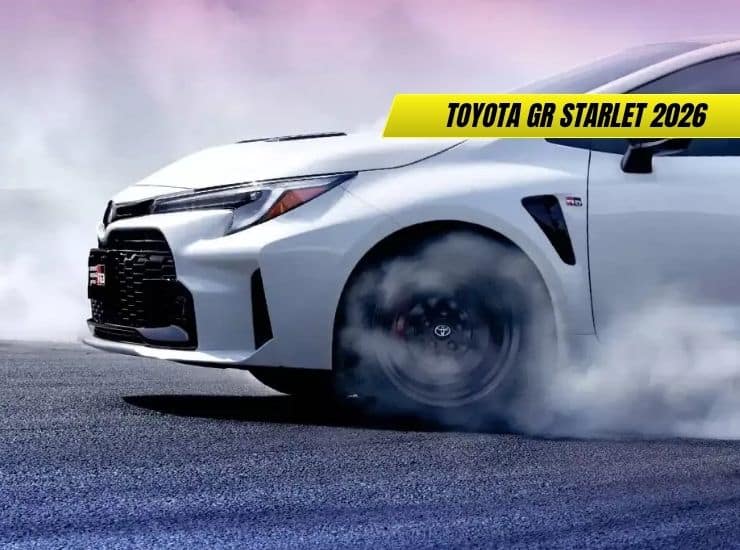
The Toyota GR Starlet arrives fall 2026 with 150bhp 1.3 turbo engine and manual gearbox. Our preview of Toyota’s most affordable hot hatch targeting UK enthusiasts.
In an automotive landscape increasingly dominated by towering SUVs and eye-watering price tags, rumours of Toyota’s upcoming GR Starlet represent a glimmer of hope for driving enthusiasts who remember when performance cars were accessible to ordinary mortals. Scheduled for debut in fall 2026 according to Japanese reports, this front-wheel-drive hot hatch promises to democratise the GR experience with genuine driver engagement at prices that won’t require mortgage refinancing.
According to our analysis at AutoHit, the GR Starlet addresses a market gap that manufacturers have largely abandoned: affordable performance cars for younger drivers and budget-conscious enthusiasts. We’ve tested enough expensive hot hatches to appreciate that price inflation has pushed genuine driving excitement beyond many buyers’ reach, making the rumoured £20,000-£25,000 positioning potentially revolutionary for the UK market.
The reality is that Toyota’s Gazoo Racing division has focused primarily on halo models like the GR Yaris and Supra, creating aspirational products that showcase engineering excellence whilst remaining financially inaccessible to most buyers. The GR Starlet could change this dynamic by bringing authentic GR engineering to price points that encourage rather than discourage driving enthusiasm among new generations.
Key Highlights
• Accessible GR Performance: Positioned as most affordable model in Toyota’s Gazoo Racing lineup, targeting budget-conscious enthusiasts without compromising authentic performance credentials • Dedicated 1.3-Litre Turbo Engine: All-new 150bhp three-cylinder powerplant developed specifically for the GR Starlet, paired exclusively with six-speed manual transmission • Comprehensive GR Treatment: Unique bodywork, suspension tuning, steering calibration and interior appointments distinguish it from conventional Toyota models • Rally Motorsport Heritage: Planned Rally4 competition variant suggests genuine sporting intentions beyond showroom appeal • Front-Wheel Drive Focus: Deliberately chosen layout reduces complexity and cost whilst enabling engaging handling characteristics through weight distribution and chassis tuning • Fall 2026 Launch Timeline: Japanese reports suggest debut following next-generation Suzuki Swift Sport, creating compelling affordable hot hatch rivalry
The Starlet Revival: Heritage Meets Modernity
The GR Starlet nameplate revival carries significant emotional weight for enthusiasts familiar with the legendary 1980s Starlet Turbo models that defined affordable Japanese performance. However, this new iteration represents complete reinvention rather than nostalgic recreation, built on contemporary foundations with modern engineering requirements.
Rumours suggest the GR Starlet will effectively replace the Toyota Passo in domestic Japanese markets, utilising completely different mechanical foundations from the current South African-market Starlet (which is essentially a rebadged Suzuki Baleno). This clean-sheet approach enables Toyota to optimise every component for performance rather than adapting existing economy car architecture.
GR-Specific Engineering Philosophy
The comprehensive GR treatment reportedly extends beyond mere badge engineering to encompass dedicated bodywork, suspension geometry, steering calibration and powertrain development. This approach mirrors the methodology used for the GR Yaris, ensuring authentic performance credentials rather than superficial sporting pretensions.
Toyota’s Gazoo Racing division has established credibility through motorsport success and engineering excellence in products like the GR Yaris and GR86. Applying this expertise to affordable market segments could democratise performance car ownership whilst maintaining the technical sophistication that distinguishes GR products from mainstream alternatives.
Powertrain Innovation: Small Engine, Big Character
The rumoured 1.3-litre turbocharged three-cylinder engine represents fascinating technical development, balancing modern efficiency requirements with genuine performance capability. The 150bhp output provides meaningful advancement over economy car alternatives whilst remaining accessible to insurance-conscious younger drivers.
Three-cylinder architecture offers inherent character through distinctive sound and vibration characteristics that create emotional engagement often missing from larger, more refined engines. Toyota’s engineering excellence should ensure reliability whilst maintaining the authentic feel that distinguishes hot hatches from merely quick cars.
Manual Transmission Dedication
The exclusive six-speed manual transmission pairing demonstrates Toyota’s commitment to driver engagement over convenience. In an era when most manufacturers prioritise automatic efficiency, this decision acknowledges that affordable performance cars serve different purposes than luxury grand tourers.
Manual transmission operation provides direct mechanical connection between driver and drivetrain that enhances rather than insulates the driving experience. For budget-conscious enthusiasts, this represents genuine rather than artificial engagement.
Front-Wheel Drive Advantages: Simplicity Enables Excellence
The deliberate front-wheel drive configuration reflects intelligent market positioning rather than cost-cutting compromise. FWD architecture reduces mechanical complexity, weight and manufacturing costs whilst enabling chassis tuning that maximises driver engagement within the chosen layout’s constraints.
Toyota’s experience with front-wheel drive performance through models like the original Corolla T-Sport demonstrates understanding of how to extract maximum enjoyment from this configuration. Modern torque-steer management and sophisticated differential technology enable FWD hot hatches to deliver genuine driving pleasure without the complexity penalty of all-wheel drive systems.
Weight Distribution and Handling Philosophy
Front-wheel drive architecture enables aggressive weight reduction strategies that benefit acceleration, handling and fuel economy simultaneously. The rumoured focus on driver engagement suggests chassis tuning that prioritises feedback and communication over outright grip levels, creating cars that feel fast rather than merely being fast.
This approach aligns with classic hot hatch philosophy where entertainment value exceeds absolute performance capability, encouraging spirited driving on public roads without requiring track-day speeds to access the vehicle’s potential.
Rally Motorsport Connection: Competition Credibility
Reports of a Rally4-specification variant suggest Toyota’s serious motorsport intentions beyond showroom sales. Rally development provides real-world testing that validates performance claims whilst creating marketing credibility among enthusiast communities.
The Rally4 class requires balance between performance capability and cost control, aligning perfectly with the GR Starlet’s affordable performance positioning. Motorsport success could drive showroom demand whilst providing development feedback that improves road-going versions.
Competition Heritage Revival
Toyota’s rally heritage through models like the Celica GT-Four and more recently the GR Yaris WRC creates expectations for genuine rather than superficial sporting capability. Applying this expertise to affordable market segments could recreate the accessible performance culture that inspired generations of driving enthusiasts.
The potential for customer motorsport participation through affordable rally variants democratises competition entry whilst building community around the GR Starlet brand.
UK Market Context: Filling the Affordable Gap
The GR Starlet’s rumoured arrival addresses significant gaps in the UK performance car market. Current hot hatch options increasingly start above £30,000, pushing genuine driving excitement beyond many buyers’ budgets whilst creating barriers to entry for younger enthusiasts.
Traditional alternatives like the Ford Fiesta ST have been discontinued, whilst established options like the Volkswagen Polo GTI approach £28,000 in well-equipped form. The GR Starlet’s anticipated £20,000-£25,000 positioning could provide genuine alternative for budget-conscious buyers seeking authentic rather than compromised performance.
Insurance and Running Cost Considerations
The 1.3-litre engine capacity and front-wheel drive configuration should produce favourable insurance groupings crucial for younger drivers traditionally priced out of performance car ownership. Reasonable running costs through Toyota’s reputation for reliability and efficient service networks could reduce total cost of ownership significantly.
For UK buyers, the combination of affordable purchase price, reasonable insurance costs and reliable operation creates compelling ownership proposition that larger, more powerful alternatives cannot match.
Competition Analysis: Suzuki Swift Sport Rivalry
The GR Starlet’s rumoured spring 2026 debut timing positions it directly against the next-generation Suzuki Swift Sport, creating compelling affordable hot hatch rivalry reminiscent of 1990s Japanese performance car competition. Both models reportedly target similar price points and performance levels whilst taking different engineering approaches.
This competition benefits consumers through innovation pressure and pricing discipline, potentially recreating the sort of affordable performance car choice that characterized the Japanese automotive industry’s golden age.
Market Positioning Strategy
Toyota’s GR brand recognition provides marketing advantages over Suzuki’s less established performance credentials in many markets. However, Suzuki’s Swift Sport heritage and lightweight engineering philosophy creates genuine competitive pressure that should benefit both products.
The rumoured technical specifications suggest different character approaches that could appeal to distinct buyer preferences whilst expanding rather than cannibalising affordable performance car demand.
Design and Styling: GR Visual Identity
Whilst official imagery remains unavailable, expect the GR Starlet to adopt established Gazoo Racing design themes including aggressive front splitters, side skirts, rear spoilers and distinctive wheel designs. The visual treatment should clearly distinguish the model from mainstream Toyota products whilst maintaining cost-conscious manufacturing approaches.
GR-specific interior appointments likely include supportive seats, distinctive instrumentation, manual transmission-focused ergonomics and material treatments that emphasise sporting rather than luxury positioning.
Practical Performance Considerations
Despite the performance focus, the GR Starlet must maintain practical usability for daily transportation. Expect rear passenger accommodation suitable for occasional adult use and cargo capacity adequate for weekend equipment transport, crucial for buyers using the vehicle as their primary transportation.
Technology Integration: Modern Essentials
Contemporary safety and connectivity requirements necessitate comprehensive technology packages even in affordable performance cars. Expect the GR Starlet to feature smartphone integration, comprehensive ADAS systems and connectivity features that meet modern buyer expectations without unnecessary complexity.
The technology focus should emphasise functionality over flashiness, providing essential features without inflating costs through premium infotainment systems or luxury appointments inappropriate for the market positioning.
Frequently Asked Questions
How does the 150bhp output compare with other affordable hot hatches? The rumoured 150bhp represents meaningful performance for the price point, comparing favourably with discontinued models like the Ford Fiesta ST (197bhp) whilst exceeding smaller alternatives like the Toyota GR Yaris (257bhp) in affordability terms. The power-to-weight ratio should provide genuine excitement without insurance penalty.
What’s the expected UK pricing for the GR Starlet? While Toyota hasn’t confirmed pricing, industry analysis suggests £20,000-£25,000 positioning to achieve the affordable performance positioning. This would undercut most current hot hatch alternatives by £5,000-£10,000 whilst providing authentic GR engineering credentials.
How does front-wheel drive affect performance compared with all-wheel drive? FWD reduces complexity, weight and cost whilst enabling engaging handling characteristics through chassis tuning. While it cannot match AWD’s ultimate traction, the configuration suits affordable performance positioning by providing entertainment value without requiring extreme speeds to access the vehicle’s potential.
What about fuel economy and running costs? The 1.3-litre three-cylinder engine should deliver excellent fuel economy compared with larger hot hatch engines, potentially achieving 40+ mpg in mixed driving. Toyota’s reliability reputation suggests reasonable maintenance costs, whilst the smaller engine capacity benefits insurance groupings crucial for younger buyers.
Will the GR Starlet be available in the UK market? Toyota hasn’t confirmed global availability, though the company’s commitment to expanding GR brand internationally suggests strong possibility. UK market success would depend on competitive pricing and dealer network support for performance-oriented customers.
How does this compare with the original 1980s Starlet Turbo? While sharing nameplate heritage, the new GR Starlet represents complete reinvention using modern engineering. The original’s 133bhp from 1.3-litre turbo engine provides performance reference point, though modern safety, emissions and efficiency requirements necessitate different engineering approaches.
What’s the significance of the Rally4 competition variant? Rally development validates performance claims whilst providing marketing credibility. The Rally4 class balances performance with cost control, potentially creating affordable motorsport entry point that builds enthusiast community around the GR Starlet brand.
The AutoHit Verdict: Hope for Affordable Performance
The rumoured Toyota GR Starlet represents precisely the sort of accessible performance car that the automotive industry desperately needs. By applying genuine Gazoo Racing engineering expertise to affordable price points, Toyota could democratise driving enthusiasm whilst creating emotional connections with new generations of performance car buyers.
Our verdict based on available information is that the GR Starlet addresses critical market gaps through intelligent engineering and positioning decisions. The combination of dedicated performance development, manual transmission focus and front-wheel drive efficiency creates compelling proposition for budget-conscious enthusiasts currently priced out of meaningful alternatives.
The 150bhp output from a 1.3-litre three-cylinder engine suggests genuine rather than token performance capability, whilst the comprehensive GR treatment ensures authentic sporting credentials rather than mere cosmetic enhancement. Most importantly, the rumoured pricing strategy could recreate the accessible performance culture that inspired generations of driving enthusiasts.
Whether the GR Starlet achieves global availability including the UK market remains uncertain, though Toyota’s commitment to expanding the GR brand internationally suggests strong possibility. For driving enthusiasts who remember when performance cars were attainable rather than aspirational, the GR Starlet’s rumoured development provides genuine reason for optimism in an increasingly expensive automotive landscape.
The automotive industry needs more cars like the rumoured GR Starlet – vehicles that prioritise driver engagement over specification supremacy whilst remaining financially accessible to ordinary buyers. If Toyota delivers on these promising rumours, they could recreate the sort of affordable performance culture that made driving enthusiasm mainstream rather than elitist.





