
Complete UK guide to tire pressure monitoring system warnings, reset procedures, and safety implications. Mandatory on all cars since 2014.
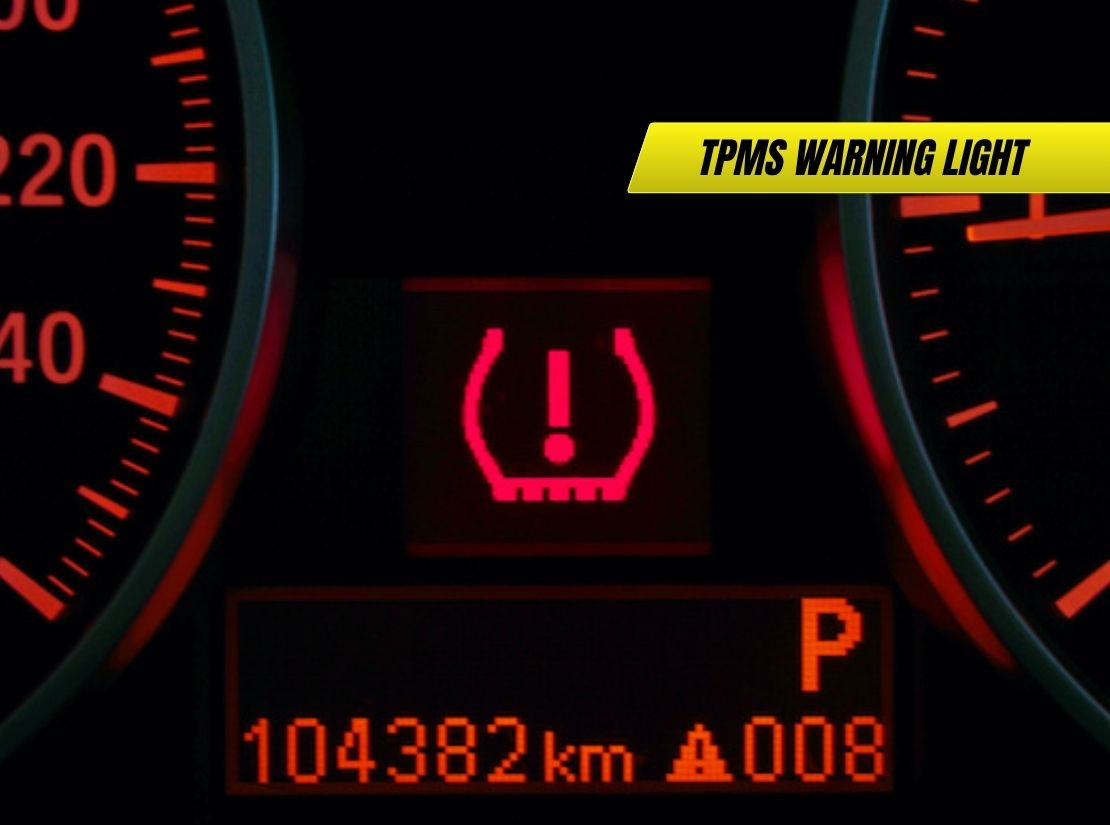
That ominous yellow warning light resembling a horseshoe with an exclamation mark has appeared on your dashboard – and you’re wondering whether it’s safe to continue driving or if you need to pull over immediately. The Tire Pressure Monitoring System (TPMS) warning light is one of the most commonly misunderstood dashboard indicators, yet it plays a crucial role in vehicle safety and efficiency.
Our team at AutoHit has extensively researched TPMS technology across various vehicles to help UK drivers understand when this warning requires immediate attention versus routine maintenance. With TPMS now mandatory on all new cars sold in Britain since 2014, and MOT failures resulting from faulty systems, understanding your car’s tire pressure monitoring becomes essential knowledge rather than optional expertise.
The stakes are higher than many drivers realise. According to the National Highway Traffic Safety Administration, 738 people died in tire-related crashes in 2017, many of which could have been prevented with proper tire pressure monitoring. Whether your light is solid, flashing, or appearing intermittently, each scenario demands different responses that could mean the difference between a minor inconvenience and a dangerous situation.
Key Highlights: • TPMS mandatory since 2014 on all new UK vehicles with MOT failure consequences for faulty systems • Two distinct warning patterns: solid light indicates low pressure, flashing suggests system malfunction • Temperature sensitivity: cold weather can trigger warnings as tire pressure drops 1-2 PSI per 10°C • Safety critical function: underinflated tires increase accident risk and reduce fuel economy by up to 11 cents per gallon • Two system types: direct sensors in wheels versus indirect monitoring through ABS wheel speed sensors • Reset procedures vary:automatic for direct systems, manual reset required for indirect systems
Understanding TPMS: Your Car’s Tire Pressure Guardian
The tire pressure monitoring system serves as an early warning network, alerting drivers when tire pressure drops significantly below recommended levels. All new cars in the UK manufactured after 2014 are fitted with TPMS and any vehicle with a faulty or inoperative system will fail its MOT test, making proper understanding essential for all modern vehicle owners.
The Safety Imperative
Low tire pressure creates a serious hazard on the road, causing increased tire-to-road contact that can lead to overheating, tread separation, excessive wear, or complete blowout. When tire pressure is low, the tire has more contact with the road, potentially causing dangerous temperature buildup during extended driving.
The system typically activates when pressure drops 25% below manufacturer recommendations – a threshold that indicates genuinely unsafe conditions rather than minor variations. This legal requirement reflects the serious safety implications of underinflated tires for both the vehicle occupants and other road users.
Economic Benefits Beyond Safety
Maintaining proper tire pressure delivers measurable economic benefits through improved fuel efficiency and extended tire life. You can save up to 11 cents per gallon simply by keeping your tires properly inflated, while also extending tire replacement intervals through more even wear patterns.
The economic impact extends beyond fuel costs, as properly inflated tires provide better handling, shorter braking distances, and reduced risk of emergency tire replacements during inconvenient times or locations.
TPMS Warning Light Patterns: Decoding the Dashboard
Solid Warning Light: Immediate Pressure Check Required
When the TPMS light remains steadily illuminated, this indicates that one or more tires have dropped below the safety threshold. The TPMS low tire pressure indicator is a yellow symbol that illuminates on the dashboard instrument panel in the shape of a tire cross-section with an exclamation point.
Immediate Action Required:
- Pull over safely as soon as possible to check all tires visually
- Check tire pressure manually using a gauge when tires are cold
- Inflate to recommended pressure found on driver’s door jamb or owner’s manual
- Monitor the warning light – it should extinguish after proper inflation
If your TPMS light comes on whilst driving you should stop as soon as it is safe to do so in order to check the tyre pressure of all of your tyres manually using a gauge to identify which tyre is having pressure issues.
Flashing Warning Light: System Malfunction
If the light flashes for approximately 60 to 90 seconds every time you start your car and then remains illuminated, this means the TPMS isn’t functioning properly and you should take it to an automotive service center for an inspection. This pattern indicates sensor failure, battery depletion, or communication issues rather than actual tire pressure problems.
System Malfunction Responses:
- Continue driving cautiously while arranging professional diagnosis
- Manually check tire pressure regularly until system repair
- Address promptly to restore safety monitoring and avoid MOT failure
Direct vs Indirect TPMS: Understanding Your System
Direct TPMS: Precision Monitoring
Direct systems use battery-powered pressure sensors mounted inside each wheel, typically integrated into the valve stem assembly. Direct TPMS works via air pressure sensors in each wheel on the valve of the tyre, that monitor the pressure within the tyre – providing real-time readings and often temperature data.
Direct System Advantages:
- Accurate pressure readings for each individual tire
- Automatic reset after inflation or tire rotation
- Temperature monitoring capabilities on advanced systems
- Individual tire identification showing which specific tire needs attention
Direct System Limitations:
- Sensor battery life typically 5-10 years requiring eventual replacement
- Vulnerability to damage during tire mounting/dismounting
- Higher replacement costs due to specialized sensors
Indirect TPMS: ABS-Based Monitoring
Indirect systems detect pressure loss through wheel speed sensors already used by the anti-lock braking system. The theory behind this system is that once a tyre is under-inflated it begins to rotate faster than expected – which will then lead to an alert being sent to the dashboard.
Indirect System Advantages:
- No additional batteries required as it uses existing ABS sensors
- Lower maintenance costs with no sensors to replace
- Simple retrofit capability for older vehicles
Indirect System Limitations:
- Less precise pressure detection compared to direct measurement
- Manual reset required after tire maintenance or pressure adjustment
- Cannot identify which specific tire has the problem
Temperature Effects: Why TPMS Lights Appear in Winter
Seasonal Pressure Variations
You may find that your TPMS light is only illuminated for a short time in the morning on particularly cold days. Temperature changes significantly affect tire pressure, with air contracting in cold conditions and expanding when heated.
Temperature Impact Guidelines:
- Pressure drops 1-2 PSI for every 10°C temperature decrease
- Morning warnings common in winter due to overnight cooling
- Driving heat buildup can restore pressure and extinguish warnings
- Threshold sensitivity when tires are near warning limits
Managing Temperature-Related Warnings
After about 20 minutes of driving, the air will often warm up and expand, restoring proper pressure in your tires. If the light stays on after 20 minutes on the road, you should add air to your tires as needed to restore the proper pressure.
This temporary warming effect explains why some drivers experience intermittent TPMS warnings during seasonal transitions or particularly cold weather. However, consistently low pressure indicates the need for inflation regardless of temperature effects.
TPMS Reset Procedures: Restoring System Function
Automatic Reset (Direct Systems)
Most modern direct TPMS systems reset automatically once proper pressure is restored. Direct TPMS systems reset automatically after tire inflation or rotation, requiring no driver intervention beyond correcting the pressure issue.
Automatic Reset Confirmation:
- Warning light extinguishes within 10-20 minutes of proper inflation
- Drive for 10 minutes at speeds above 50 mph to confirm sensor refresh
- System recalibration occurs during normal driving cycles
Manual Reset Procedures (Indirect Systems)
When entering your vehicle, turn the key to the “On” position, but don’t start the car. Press and hold the TPMS reset button until the tire pressure light blinks three times, then release the button. The reset button location varies by manufacturer but is typically found under the steering wheel or in the glove compartment.
Alternative Reset Methods:
- Over-inflation technique: Inflate all tires 3 PSI above recommended, then deflate completely and re-inflate to proper pressure
- Battery disconnect method: Disconnect positive battery cable for 5 minutes to clear system memory
- Professional reset: Visit a garage for computer-based system recalibration
Common TPMS Problems and Solutions
Sensor Battery Depletion
The batteries inside direct TPMS sensors typically last 5-10 years, with failure often manifesting as intermittent warnings or complete system malfunction. The tire pressure sensor uses a battery, and the flashing tire pressure light is a sign you need to replace the battery or sensor.
Battery Replacement Considerations:
- Professional installation required for sensor programming
- Cost typically £50-150 per sensor including fitting
- Replacement timing often coincides with tire changes
Valve Stem Corrosion Issues
The first generation of TPMS sensors that are integral with the valve stem can suffer from corrosion. Metallic valve caps can become seized to their valve stems due to galvanic corrosion, potentially damaging sensors during routine maintenance.
Prevention Strategies:
- Use plastic valve caps to prevent galvanic corrosion
- Regular inspection during tire pressure checks
- Professional servicing for any valve stem issues
Aftermarket Compatibility Concerns
There is controversy regarding the compatibility of after-market tire sealants with dTPMS that employ sensors mounted inside the tire. Some tire repair products can interfere with sensor operation or cause temporary malfunctions.
MOT Implications and Legal Requirements
MOT Testing Standards
Any vehicle with a faulty or inoperative TPMS system will fail its MOT test, making system maintenance crucial for legal road use. The vehicle cannot pass its annual MoT test if the warning light is on, regardless of actual tire pressure conditions.
MOT Failure Scenarios:
- Warning light permanently illuminated during test
- System completely non-functional due to sensor failure
- Missing or damaged sensors on wheels
Retrofit Requirements
It is possible to retrospectively fit TPMS to an older vehicle using an aftermarket kit, though this isn’t legally required for pre-2014 vehicles. Such systems can provide safety benefits while avoiding MOT complications.
Maintenance Best Practices
Regular Pressure Monitoring
A TPMS is designed to alert you to serious problems but it’s not a replacement for manual air pressure checks. Monthly pressure verification remains essential, as the system only warns of significant deviations rather than optimal pressure maintenance.
Recommended Schedule:
- Monthly pressure checks using reliable gauge
- Pre-journey inspection for long trips
- Seasonal adjustments accounting for temperature changes
- Professional inspection during tire services
Sensor Care During Tire Changes
Professional Installation Benefits:
- Proper sensor programming for vehicle-specific requirements
- Torque specification compliance preventing damage
- System testing ensuring proper operation before delivery
Frequently Asked Questions
Why does my TPMS light come on when it’s cold but go off after driving?
Temperature changes significantly affect tire pressure, with air contracting in cold conditions. Tire pressure drops 1-2 PSI for every 10°C temperature decrease, potentially triggering warnings when tires are near threshold levels. After about 20 minutes of driving, heat buildup from road contact warms the air and restores pressure, extinguishing the warning. If this happens frequently, slightly increase tire pressure to account for seasonal temperature swings while staying within manufacturer limits.
Can I drive with the TPMS warning light on?
A solid TPMS light indicates potentially dangerous tire pressure levels and requires immediate attention. While brief driving to reach a service station is generally acceptable, extended driving with underinflated tires increases accident risk and can cause irreversible tire damage. A flashing TPMS light indicates system malfunction rather than pressure issues, allowing continued driving with manual pressure monitoring until professional repair. However, you should address both scenarios promptly for safety and MOT compliance.
How much does TPMS sensor replacement cost in the UK?
TPMS sensor replacement typically costs £50-150 per sensor including fitting and programming. The variation depends on vehicle type, sensor complexity, and whether you choose original equipment or aftermarket sensors. Labour costs include sensor programming to communicate with your vehicle’s specific system. Many drivers schedule sensor replacement during routine tire changes to minimize labour costs, as sensors often last 5-10 years depending on usage patterns.
Will my car fail its MOT with a TPMS warning light on?
Yes, any vehicle with an illuminated TPMS warning light will automatically fail its MOT test, regardless of actual tire pressure. The system must be functioning correctly and showing no warning indicators during the test. This applies to all vehicles manufactured after 2014 with factory-fitted TPMS systems. Pre-2014 vehicles with retrofit systems may also face MOT issues if warnings are displayed, making prompt repair essential for legal road use.
Can I remove or disable my TPMS system?
It is not recommended to remove the TPMS system as it is there to provide a safety warning should the tyre pressure change. Additionally, disabling mandatory safety systems could create MOT failure issues and potentially void insurance coverage in accident scenarios. The safety benefits of early pressure warning significantly outweigh any maintenance inconvenience, particularly given the system’s role in preventing tire-related accidents.
Do I need special equipment to reset my TPMS?
Most direct TPMS systems reset automatically once proper pressure is restored, requiring no special tools. Indirect systems may require manual reset using the vehicle’s built-in reset button or menu system, accessible through standard dashboard controls. Professional reset tools become necessary when replacing sensors or when systems fail to respond to standard procedures. Most routine TPMS maintenance can be handled without specialized equipment beyond a reliable tire pressure gauge.
How do I know if my car has direct or indirect TPMS?
Direct systems typically display individual tire pressures on the dashboard and reset automatically after inflation. Indirect systems show only warning indicators without specific pressure readings and require manual reset after pressure changes. Check your owner’s manual or look for pressure sensors visible on wheel valve stems – direct systems have sensors integrated into valve assemblies. Toyota and most premium manufacturers use direct systems, while some economy models employ indirect monitoring through existing ABS sensors.
The Verdict: TPMS as Essential Safety Technology
The tire pressure monitoring system represents one of the most significant safety advances in modern automotive technology, transforming tire maintenance from reactive to proactive management. With mandatory fitment since 2014 and MOT testing requirements, TPMS has become integral to vehicle operation rather than optional convenience.
Understanding warning patterns prevents panic while ensuring appropriate responses to genuine safety concerns. The distinction between solid lights requiring immediate attention and flashing indicators suggesting system malfunction helps prioritize action appropriately without compromising safety.
Temperature awareness explains seasonal variations that cause confusion for many drivers, particularly during winter months when morning warnings become common. Recognizing these patterns allows informed decision-making about when to add air versus when to expect natural pressure recovery.
Our assessment: TPMS technology significantly enhances road safety when properly understood and maintained. The system’s integration with MOT testing reflects government recognition of its importance for accident prevention and vehicle safety standards.
Bottom line: Treat TPMS warnings seriously while understanding their context. Solid lights demand immediate pressure checks, flashing patterns require professional diagnosis, and seasonal variations need proactive pressure management. The few minutes spent understanding your system could prevent hours of roadside inconvenience or, more importantly, serious safety incidents.
TPMS represents automotive technology working as intended – invisible when functioning correctly, invaluable when protection is needed.





