
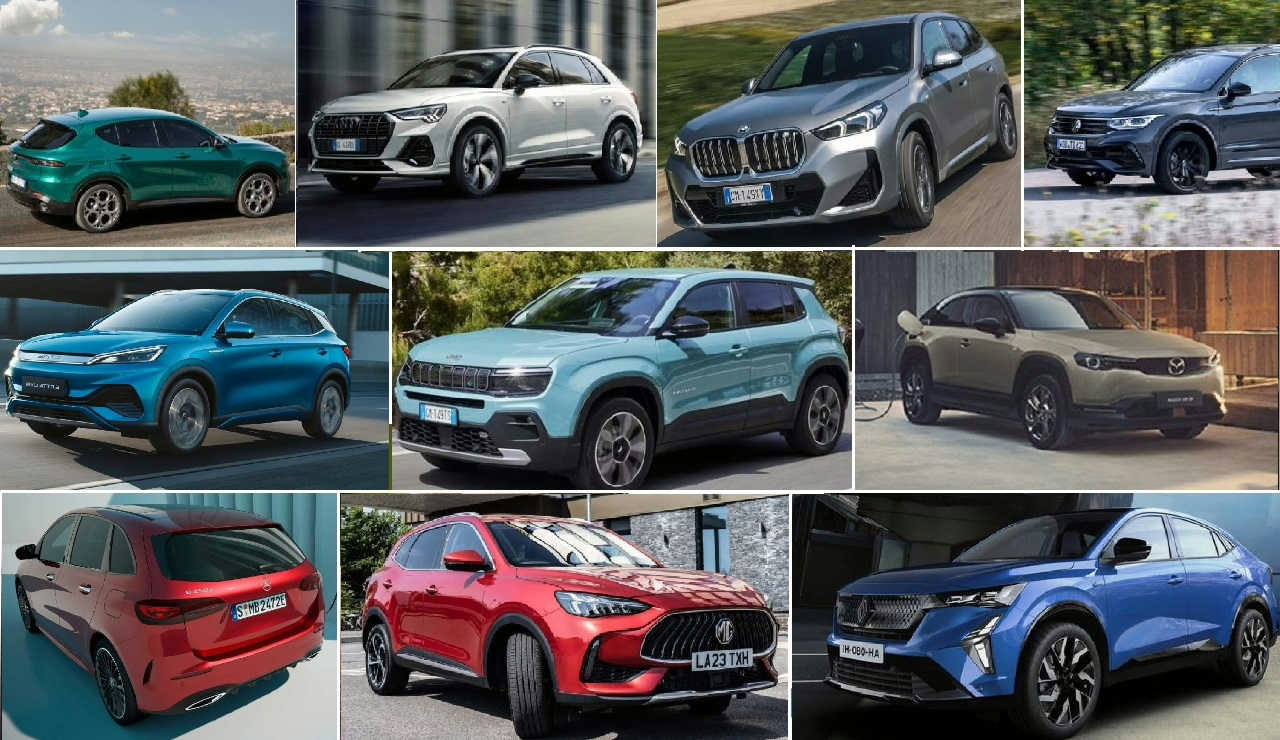
Looking for the best compact SUVs for city driving in the UK in 2025? Dive into this complete guide covering prices, fuel efficiency, practicality, and top picks for every type of driver.
Why Are Urban SUVs So Popular in 2025?
It’s hard to walk down a British street without spotting a small SUV parked neatly outside a terraced house or zipping through town. The reason? They’re the perfect blend of practicality and panache. Urban SUVs are taller than your average hatchback, giving you that confident high-up driving position, but they’re still compact enough to squeeze into tight parking bays and navigate city streets with ease.
And let’s not forget the versatility. Whether you’re doing the school run, heading out for a weekend getaway, or just popping to the shops, a small SUV can handle it. Better still, most 2025 models come with hybrid or electric options, meaning lower emissions and fewer worries about Ultra Low Emission Zones (ULEZ).
What to Look for in a Great Urban SUV
Before you fall in love with a shiny new model, here are a few essentials to consider:
- Size & manoeuvrability: Can it fit in your driveway or that tight city space?
- Fuel economy or electric range: Will it save you money in the long run?
- Boot space: Enough room for the weekly shop or a couple of suitcases?
- Tech & infotainment: Apple CarPlay, Android Auto, digital dash?
- Price vs. equipment: Are you getting your money’s worth?
- ULEZ compliance: Especially important if you’re driving in or around London.
Comparison Table: Best Urban SUVs 2025 (UK Market)
| Model | Starting Price (£) | Fuel Type | MPG / Electric Range | Boot Space (L) | ULEZ Friendly |
|---|---|---|---|---|---|
| Ford Puma | £23,000 | Mild Hybrid | 52 MPG | 456 | Yes |
| Hyundai Bayon | £21,000 | Petrol / Hybrid | 53 MPG | 411 | Yes |
| Toyota Yaris Cross | £25,500 | Full Hybrid | 62 MPG | 397 | Yes |
| Dacia Duster | £18,295 | Petrol / LPG | 45 MPG | 445 | Yes |
| Vauxhall Mokka | £24,500 | Electric | 209 miles (EV) | 350 | Yes (EV) |
| Kia Stonic | £20,300 | Mild Hybrid | 50 MPG | 352 | Yes |
| Renault Captur | £22,500 | Plug-in Hybrid | 30 mi electric + 188 MPG | 422 | Yes |
The Top Picks: Compact SUVs That Pack a Punch
Ford Puma – Britain’s Favourite Just Got Better
It’s no surprise the Ford Puma keeps topping the sales charts. With agile handling, impressive fuel economy, and one of the biggest boots in its class, it’s perfect for UK families and solo commuters alike.
Why we love it:
- Excellent driving dynamics for an SUV
- Mega 456L boot with Ford’s signature “Megabox” for extra hidden space
- Apple CarPlay & Android Auto as standard
Potential downsides:
- A bit pricier than rivals for similar spec
- Interior quality is good, but not premium
Hyundai Bayon – Simple, Smart, and Underrated
Often overlooked, the Bayon is a gem for city dwellers. It’s compact outside, roomy inside, and boasts one of the best fuel efficiencies in the segment.
Highlights:
- Great standard tech package
- Easy to park and manoeuvre
- Very competitive price point
Watch out for:
- No fully electric version
- Slightly less stylish than some rivals
Toyota Yaris Cross – Hybrid Hero
Built on Toyota’s bulletproof hybrid tech, the Yaris Cross is incredibly frugal and built for urban life. It’s a touch more expensive, but it makes up for it in reliability and running costs.
What stands out:
- Excellent real-world MPG
- Smooth hybrid system
- Strong resale value
Trade-offs:
- Not the biggest boot
- Touchscreen interface could be slicker
Dacia Duster – The Value Champion
If you want bang for your buck, look no further. The Duster is spacious, simple, and gets the job done without fancy frills.
Perks:
- The most affordable SUV on this list
- Big on space and practicality
- Now with an LPG version for added savings
Limitations:
- Interior is fairly basic
- Ride can feel less refined on rough roads
Vauxhall Mokka Electric – Futuristic and Funky
Bold design meets zero emissions. The electric Mokka is for those who want to stand out and skip the petrol pump altogether.
Pros:
- Sharp looks and bold colour options
- Smooth electric powertrain
- No ULEZ worries – it’s 100% compliant
Cons:
- EV range is decent, but not class-leading
- Smaller boot compared to rivals
Kia Stonic – Youthful and Versatile
With a 7-year warranty and mild-hybrid tech, the Stonic appeals to young professionals and small families alike.
Pros:
- Loads of standard kit
- Impressive warranty
- Fun to drive
Cons:
- Boot could be bigger
- Rear seats feel a bit snug for adults
Renault Captur – The All-Rounder
The Captur offers just about everything: hybrid options, classy looks, space, and comfort. It’s grown up in every way since its launch.
Top features:
- Plug-in hybrid option for city + motorway use
- Stylish interior with good tech
- Comfortable and composed ride
Weak spots:
- PHEV version can get pricey
- Infotainment system has a learning curve
FAQs
Which is the cheapest small SUV in the UK for 2025?
The Dacia Duster remains the most affordable option without compromising on size or capability.
Which compact SUV offers the best MPG?
The Toyota Yaris Cross leads in real-world MPG thanks to its full hybrid system.
Are there electric urban SUVs under £25k?
Yes – the Vauxhall Mokka Electric starts just under £25,000 with government grants.
What SUV has the biggest boot?
The Ford Puma wins here with a whopping 456L capacity, plus clever underfloor storage.
Is a plug-in hybrid worth it for city driving?
If you have home charging access, absolutely. Models like the Captur PHEV let you drive electric most of the time and petrol when needed.
Are SUVs suitable for city driving?
Urban SUVs are designed with everyday practicality in mind. They combine the elevated ride height and rugged looks of larger SUVs with compact dimensions that make them ideal for tight streets and heavy traffic. Thanks to improved steering responsiveness and compact turning circles, they’re surprisingly nimble in urban environments.
Key advantages in city use:
- Raised driving position offers better visibility in stop-start traffic.
- Compact footprint allows for easier parking and smoother navigation.
- Protective styling means they’re better at handling potholes and minor impacts.
- Efficient engines in many models reduce running costs and emissions.
That said, they’re not quite as small or economical as superminis, so if your daily driving involves lots of tiny backstreets and high-mileage commuting, it might be worth comparing both options. But for the average city driver who wants a touch of SUV practicality without the bulk, the urban SUV makes a compelling case.
How does the fuel economy of urban SUVs compare to hatchbacks?
Urban SUVs are typically heavier and slightly taller than hatchbacks, which means aerodynamics and weight impact fuel economy. However, modern engine tech has narrowed the gap considerably.
Typical fuel economy ranges:
| Vehicle Type | Fuel Economy (MPG) |
|---|---|
| Hatchback | 50–60 |
| Urban SUV | 40–50 |
Urban SUVs with hybrid systems often return fuel figures close to hatchbacks, especially in stop-start city traffic. It really depends on the model, powertrain and how you drive. If you opt for a mild hybrid or plug-in hybrid SUV, you may find the fuel savings are enough to justify the higher initial purchase cost.
What are the insurance costs for urban SUVs compared to smaller cars?
Insurance premiums for urban SUVs vary based on engine size, trim level, security features, and the driver’s profile. Generally, they fall into slightly higher insurance groups than small hatchbacks, but not dramatically so.
Factors that may increase premiums:
- Higher replacement value
- More complex technology (e.g. cameras, sensors)
- Bigger wheels or body kits on sportier trims
Factors that help reduce premiums:
- Excellent safety ratings
- Built-in anti-theft systems
- Smaller engines under 1.2L
Many insurers now offer competitive deals on compact SUVs, especially those with solid safety equipment and good reliability records. To keep your premium down, avoid sporty versions and look for models with a modest engine and good NCAP ratings.
Are urban SUVs more expensive to maintain than small cars?
Urban SUVs don’t necessarily break the bank when it comes to maintenance. Their running costs are comparable to hatchbacks, especially when fitted with small-displacement petrol or hybrid engines. However, some parts (like tyres and brakes) may cost a little more due to size.
Typical running cost differences:
| Component | Urban SUV | Hatchback |
|---|---|---|
| Tyres | £80–120 | £60–90 |
| Brake pads | £120–180 | £90–130 |
| Oil service | £150–200 | £120–180 |
Choosing a brand with low service costs, and sticking to a regular maintenance schedule, helps prevent costly repairs. And don’t forget: some brands offer free servicing packages or extended warranties that save money long-term.
Do urban SUVs offer enough boot space for family life?
Boot space is one of the biggest wins for urban SUVs compared to hatchbacks. They often have deeper boots with wider loading areas, making them ideal for families with pushchairs, sports gear or weekend luggage.
Boot space comparison:
| Vehicle Type | Boot Capacity (L) |
|---|---|
| Supermini | 300–350 |
| Urban SUV | 400–500+ |
Features like split-folding rear seats, false floors, and underfloor storage make them even more versatile. While they’re not as cavernous as larger SUVs, most urban SUVs will easily cope with weekly food shops, kid’s kit, or airport runs.
How do urban SUVs perform in terms of safety?
Urban SUVs often score highly in safety assessments thanks to solid construction and advanced tech. Standard equipment now commonly includes:
- Lane keeping assist
- Automatic emergency braking
- Traffic sign recognition
- Driver attention alert
Some models offer optional extras like adaptive cruise control, blind spot monitoring and 360° parking cameras. These features not only enhance safety but also make city driving less stressful. When choosing, look for models with top-tier crash ratings and tech that fits your driving habits.
Are there affordable urban SUV options in 2025?
Yes – there are plenty of urban SUVs that combine value with practical features. Entry-level versions often cost just slightly more than a well-specced hatchback.
Sample of budget-friendly urban SUVs (starting prices):
| Model | Price (£) |
|---|---|
| Entry-level SUV | £17,000–£20,000 |
| Mid-range SUV | £21,000–£24,000 |
These models usually include essential kit like air con, smartphone connectivity, and safety features. Optional extras can bump the price up quickly, so it’s smart to compare trims and see which version includes what you need without overspending.
What’s the environmental impact of urban SUVs?
While traditionally seen as less eco-friendly than city cars, modern urban SUVs are closing the gap with cleaner engines and hybrid tech. Emissions for small petrol SUVs are now well within legal limits, and electric or plug-in options offer ultra-low or zero emissions.
Typical CO₂ emissions:
| Fuel Type | CO₂ (g/km) |
|---|---|
| Petrol | 120–145 |
| Hybrid | 90–110 |
| Plug-in Hybrid | 20–50 |
| Electric | 0 |
Going electric or plug-in also helps avoid congestion charges in many cities and may come with tax incentives. If you’re concerned about the footprint, these are increasingly viable alternatives.
How well do urban SUVs handle in bad weather?
Urban SUVs offer better ground clearance and often come with enhanced traction systems or optional all-wheel drive, which makes a noticeable difference in heavy rain or icy roads.
Benefits in poor conditions:
- Less chance of scraping over speed bumps or curbs
- Better visibility in foggy or rainy weather
- More confident cornering with stability control and grippy tyres
While they won’t match larger 4x4s for off-roading, many urban SUVs strike a great balance between city agility and bad-weather confidence.
Is buying a used urban SUV a good idea?
Used urban SUVs are popular on the second-hand market, and many retain their value well, especially those with hybrid or electric powertrains. Buying used can save thousands versus new, especially if you go for a nearly-new model with warranty remaining.
What to check when buying used:
- Full service history
- Tyre and brake wear
- Condition of infotainment and safety systems
- Warranty status or certified schemes
If it’s a model known for reliability and has been well looked after, a used urban SUV can be a brilliant purchase with low risk and high everyday usability.
Final Thoughts: Which One’s for You?
Urban SUVs in 2025 are smarter, more efficient, and more versatile than ever. Whether you’re budget-conscious, tech-obsessed, or just need something comfy for the daily commute, there’s a model out there for you.
- Budget buyers: Dacia Duster, Hyundai Bayon
- Hybrid lovers: Toyota Yaris Cross, Renault Captur
- Electric dreamers: Vauxhall Mokka
- Style hunters: Ford Puma, Kia Stonic
So… test-drive a few, do the maths, and go with the one that fits your lifestyle like a glove. The perfect urban SUV isn’t just a vehicle—it’s your new everyday companion.





