
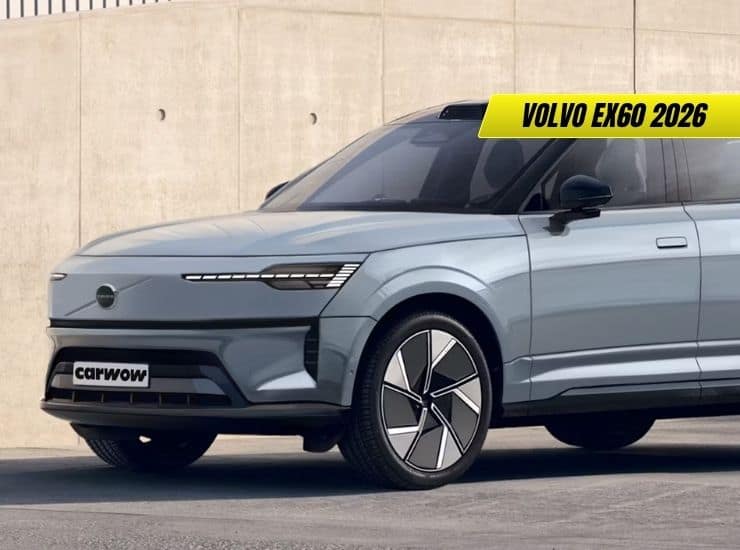
The Volvo EX60 arrives in early 2026 as the electric successor to XC60. Our preview covers the new SPA3 platform, 400-mile range potential, and UK appeal.
Volvo’s transformation from safety-obsessed Scandinavian stalwart to electric luxury pioneer continues gathering momentum with the upcoming EX60, arriving in early 2026 as the electric successor to the beloved XC60. While the established mid-size SUV market appears crowded, Volvo’s latest creation promises to cut through the noise with genuine Swedish sophistication applied to contemporary electric vehicle requirements. The question isn’t whether it will be well-engineered – that’s virtually guaranteed – but whether it can establish distinct character in an increasingly homogeneous premium electric SUV segment.
According to our analysis at AutoHit, the EX60 represents Volvo’s most significant electric vehicle launch since the flagship EX90, introducing the new SPA3 architecture that will underpin the Swedish manufacturer’s electric future. We’ve tested enough premium electric SUVs to recognise that most prioritise specification sheet supremacy over genuine desirability, but Volvo’s approach traditionally emphasises thoughtful functionality over flashy features – an approach that could prove increasingly relevant as the electric SUV market matures.
The reality for UK families considering electric SUVs is that choice has expanded dramatically whilst genuine differentiation has diminished. Most premium electric SUVs now offer similar range, performance and technology packages, making purchasing decisions increasingly difficult. Volvo’s reputation for safety innovation, interior quality and understated elegance could provide the differentiation that matters when specifications become commoditised.
Key Highlights
• Revolutionary SPA3 Platform: First Volvo model built on next-generation Scalable Platform Architecture, promising enhanced efficiency, packaging and over-the-air evolution capability • Impressive Range Potential: Expected 400-mile capability from 102kWh battery pack, matching ES90 sedan specifications whilst providing genuine long-distance family capability • Ultra-Rapid Charging: 350kW DC fast-charging enables 186 miles of range addition in just 10 minutes, addressing charging anxiety with practical solutions • Advanced Safety Innovation: Debuts multi-adaptive safety belt technology using sensors to determine passenger characteristics and tailor crash protection accordingly • Software-Defined Architecture: Built to evolve over time through over-the-air updates, ensuring continued capability enhancement throughout ownership period • Mid-Size Positioning: Direct electric successor to popular XC60, targeting the sweet spot between compact and large luxury SUV segments
Platform Revolution: SPA3 Foundations
The EX60’s significance extends beyond mere model addition through its introduction of Volvo’s SPA3 architecture. This next-generation platform represents evolutionary advancement over the SPA2 foundations used by the EX90 flagship and ES90 sedan, incorporating lessons learned from Volvo’s electric vehicle development whilst addressing emerging requirements for software-defined vehicles.
SPA3’s scalable nature enables optimal packaging for different vehicle sizes whilst maintaining component commonality that reduces costs and improves reliability. For the EX60, this translates into enhanced interior space efficiency and improved aerodynamic capability compared with converted conventional platforms.
Software-Defined Future
Volvo emphasises the EX60’s capability to “evolve over time” through comprehensive over-the-air update functionality. This approach acknowledges that modern vehicles require continuous improvement rather than static capability delivery, ensuring owners benefit from ongoing development throughout their ownership period.
The software-defined architecture enables feature additions, performance optimisations and interface improvements that would previously require dealer visits or model updates. For UK buyers, this represents genuine long-term value that extends beyond initial purchase considerations.
Performance and Efficiency: ES90 DNA
Whilst Volvo remains diplomatically silent about specific powertrain details, the EX60’s relationship to the ES90 sedan suggests similar mechanical foundations. Expect single-motor rear-wheel drive and dual-motor all-wheel drive configurations providing performance appropriate for family use rather than sporting excess.
The 102kWh battery pack capacity anticipated for the EX60 should deliver approximately 400 miles of WLTP range, positioning it competitively against established rivals whilst providing genuine long-distance capability for UK families. Real-world range should approach 320-350 miles in typical conditions, eliminating range anxiety for most usage patterns.
Charging Technology Leadership
The 350kW DC fast-charging capability inherited from the ES90 represents current technology leadership, enabling 186 miles of range addition in just 10 minutes under optimal conditions. Whilst UK charging infrastructure cannot yet support peak speeds consistently, the capability provides future-proofing as network capability improves.
Home charging via 11kW AC connection provides overnight capability for most daily use, whilst 22kW three-phase charging offers faster replenishment where available. The comprehensive charging compatibility ensures flexibility across different infrastructure scenarios.
Design Evolution: Swedish Minimalism Refined
Initial imagery reveals evolutionary rather than revolutionary styling, maintaining Volvo’s distinctive aesthetic whilst incorporating contemporary electric vehicle requirements. The rear lighting treatment features blocky LED signatures extending up the rear pillars, creating the visual drama that distinguishes premium SUVs from utilitarian alternatives.
The design philosophy appears to prioritise functional beauty over attention-seeking aggression, appropriate for buyers seeking sophisticated transportation rather than automotive exhibitionism. This restraint could prove advantageous as electric SUV styling becomes increasingly outlandish.
Aerodynamic Integration
The EX60’s proportions suggest optimisation for aerodynamic efficiency rather than maximum interior volume, crucial for achieving the claimed 400-mile range capability. Subtle design elements likely contribute to reduced drag coefficients that improve real-world efficiency whilst maintaining SUV practicality.
Volvo’s traditional emphasis on safety extends to pedestrian protection and visibility considerations that influence overall design execution, creating vehicles that prioritise responsible operation alongside aesthetic achievement.
Safety Innovation: Multi-Adaptive Protection
The EX60 debuts Volvo’s multi-adaptive safety belt technology, using sensors to determine passenger height, weight and shape for tailored crash protection. This advancement represents typical Volvo innovation – practical safety improvement that enhances protection without creating operational complexity.
The system adjusts safety belt force delivery during crash events, optimising protection for different passenger characteristics. Combined with Volvo’s comprehensive active safety systems, this creates class-leading protection that justifies premium positioning through genuine capability rather than mere marketing claims.
Comprehensive ADAS Package
Expect the EX60 to feature Volvo’s latest driver assistance technology, including adaptive cruise control, lane keeping assistance, and comprehensive collision avoidance systems. These features integrate seamlessly with the software-defined architecture, enabling continuous improvement through over-the-air updates.
Volvo’s safety systems traditionally emphasise smooth, unobtrusive operation that assists rather than replaces driver engagement, important for maintaining confidence during extended journeys.
UK Market Context: Premium Positioning
The EX60’s early 2026 arrival timing positions it strategically within the rapidly evolving UK electric vehicle market. Government electric vehicle mandates and improving charging infrastructure create favourable conditions for premium electric SUV adoption, whilst company car taxation heavily favours electric powertrains.
Volvo’s traditional UK market strength in safety-conscious family segments provides natural customer base for the EX60, particularly given the XC60’s established popularity. The electric successor should appeal to existing Volvo customers whilst attracting conquest buyers from German premium brands.
Competitive Landscape Assessment
The EX60 enters a crowded mid-size premium electric SUV segment including the BMW iX3, Audi Q6 e-tron, and Mercedes EQE SUV. Volvo’s differentiation likely focuses on safety innovation, interior quality and Scandinavian design philosophy rather than specification sheet supremacy.
UK buyers traditionally appreciate Volvo’s understated approach to luxury, suggesting strong potential for the EX60 among customers seeking sophistication without ostentation. The comprehensive safety package and software-defined architecture provide genuine advantages over established rivals.
Whilst detailed interior imagery remains unavailable, expect the EX60 to feature Volvo’s latest cabin architecture emphasising sustainable materials, intuitive technology integration and exceptional build quality. The Swedish manufacturer’s reputation for creating serene, welcoming interiors should translate effectively to electric vehicle applications.
Space utilisation benefits from the dedicated electric platform, providing enhanced passenger accommodation and cargo capacity compared with converted conventional vehicles. The absence of transmission tunnels and optimised battery packaging maximise interior efficiency.
Technology Integration
The software-defined architecture enables comprehensive smartphone connectivity, over-the-air updates and cloud-based services that enhance functionality throughout ownership. Volvo’s approach traditionally emphasises intuitive operation over complexity, creating systems that enhance rather than complicate daily use.
Expect wireless charging, multiple USB-C ports and comprehensive connectivity features that address modern family requirements without overwhelming users with unnecessary complexity.
Sustainability Focus: Responsible Luxury
Volvo’s commitment to carbon neutrality by 2040 influences every aspect of EX60 development, from sustainable material selection to lifecycle environmental impact considerations. This approach appeals to environmentally conscious buyers seeking premium vehicles without environmental compromise.
The comprehensive recycling programme and sustainable manufacturing processes create genuine rather than superficial environmental benefits, important for buyers increasingly concerned about automotive industry environmental impact.
Material Innovation
Expect extensive use of recycled and sustainable materials throughout the interior, continuing Volvo’s leadership in responsible luxury vehicle development. These materials maintain premium quality whilst reducing environmental impact compared with traditional alternatives.
The approach demonstrates how environmental responsibility enhances rather than compromises premium positioning, appealing to buyers seeking sophisticated transportation that aligns with personal values.
Frequently Asked Questions
How does the EX60 relate to the existing XC60? The EX60 serves as the direct electric successor to the XC60, maintaining similar size and positioning whilst transitioning to dedicated electric architecture. The XC60 will likely continue alongside initially before eventual phase-out as the market transitions to electric powertrains.
What’s the expected pricing for UK buyers? Volvo hasn’t announced pricing, though expect figures starting around £55,000-£60,000 based on positioning relative to the ES90 sedan and competitive landscape. Higher trim levels with dual motors and enhanced equipment will likely approach £70,000+.
How does the 400-mile range compare in real-world conditions? The WLTP figure should translate to approximately 320-350 miles in typical UK driving conditions, competitive with class leaders whilst providing genuine long-distance capability. Motorway driving at 70mph will reduce range, though still adequate for most journey requirements.
What about charging infrastructure compatibility? The EX60 supports all UK charging standards including rapid DC charging at up to 350kW where available. Home charging via 11kW AC provides overnight capability, whilst 22kW three-phase charging offers faster replenishment for users with appropriate electrical supply.
How does Volvo’s safety technology compare with rivals? Volvo continues leading safety innovation with features like multi-adaptive safety belts that competitors don’t offer. The comprehensive ADAS package matches or exceeds rival capabilities whilst emphasising smooth, unobtrusive operation that builds rather than undermines driver confidence.
What’s the significance of the SPA3 platform? SPA3 represents Volvo’s most advanced electric vehicle architecture, optimised for efficiency, software integration and manufacturing flexibility. Unlike adapted conventional platforms, SPA3 maximises electric vehicle advantages whilst enabling continuous improvement through over-the-air updates.
Should I wait for the EX60 instead of buying current alternatives? The decision depends on timing requirements and feature priorities. The EX60’s advanced platform and safety innovations suggest advantages over current rivals, though early 2026 delivery means waiting 18+ months. Current alternatives offer immediate availability with proven capability.
The AutoHit Verdict: Swedish Sophistication Meets Electric Future
The Volvo EX60 represents precisely the sort of thoughtful electric vehicle development that distinguishes genuine advancement from mere specification chasing. By prioritising safety innovation, sustainable luxury and software-defined capability over headline-grabbing performance figures, Volvo has created something that addresses real customer requirements rather than marketing department fantasies.
Our verdict based on available information is that the EX60 should appeal strongly to UK families seeking premium electric transportation without environmental or social compromise. The combination of 400-mile range capability, ultra-rapid charging and revolutionary safety technology creates genuine advantages over established rivals whilst maintaining Volvo’s reputation for understated excellence.
The SPA3 platform’s software-defined architecture ensures the EX60 will continue improving throughout ownership, addressing the planned obsolescence concerns that affect many contemporary vehicles. For buyers seeking long-term satisfaction rather than immediate gratification, this capability provides genuine value that extends beyond initial purchase considerations.
Most importantly, the EX60 demonstrates how traditional automotive virtues translate effectively to electric vehicle applications. Safety innovation, build quality excellence and thoughtful functionality remain relevant regardless of propulsion method, creating appeal that transcends current electric vehicle early adopter demographics.
The EX60 succeeds by being authentically Volvo rather than attempting transformation into something it’s not. In an increasingly homogeneous premium electric SUV segment, that authenticity could prove the most valuable differentiator of all.





