
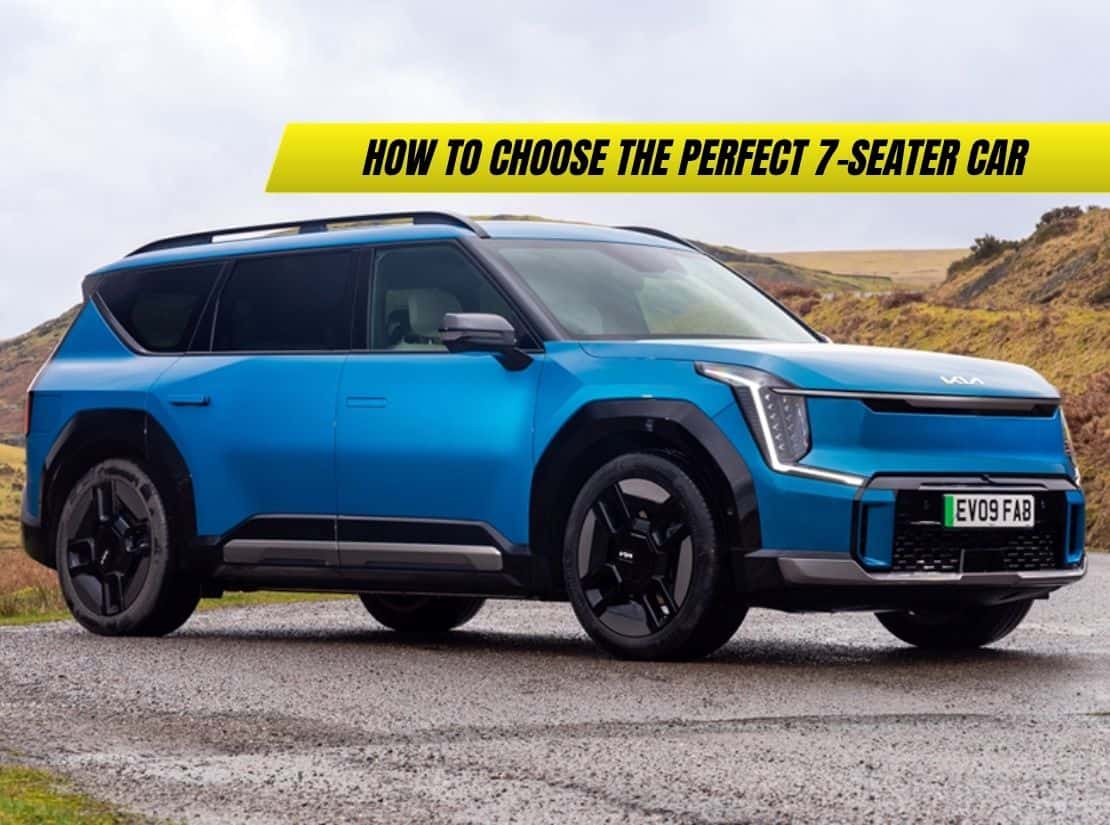
Standing in a showroom contemplating the leap from a conventional five-seater to a seven-seater family car represents one of the most significant automotive decisions British families make. Whether driven by a growing family, the need to transport elderly relatives, or simply wanting the flexibility that extra seats provide, choosing the right seven-seater involves far more complexity than selecting a standard family car.
Having extensively tested the UK’s seven-seater market at AutoHit, we’ve observed how this segment has evolved dramatically from the boxy MPVs of the 1990s to today’s sophisticated SUVs that blend family practicality with contemporary style. The modern seven-seater landscape encompasses everything from budget-friendly options like the Dacia Jogger starting under £20,000 to luxury flagships such as the BMW X7 exceeding £80,000.
The challenge for UK buyers lies not just in the breadth of choice, but in understanding which type of seven-seater genuinely suits their needs. Are those extra seats for regular adult passengers or occasional child transport? Do you prioritise boot space when operating in five-seat mode, or maximum passenger comfort when fully loaded? How important is fuel economy when hauling seven people and their luggage across Britain’s motorway network?
Understanding these fundamental questions – alongside practical considerations like insurance costs, reliability, and depreciation – has become essential for making the right seven-seater choice in today’s complex automotive market.
Key Highlights: Essential 7-Seater Selection Facts for UK Buyers
• Market Diversity: UK seven-seater options range from £18,000 (Dacia Jogger) to £100,000+ (luxury SUVs), with most family-focused models falling between £25,000-50,000 • Space Reality Check: Only premium models like Volvo XC90 and BMW X7 offer genuine adult comfort in third-row seats – most are optimised for children or occasional adult use • Boot Space Trade-off: Seven-seat configuration typically reduces luggage capacity by 60-80% compared to five-seat mode, making flexibility crucial for family buyers • Fuel Economy Impact: Expect 15-25% higher fuel consumption compared to equivalent five-seaters, with larger models achieving 25-35mpg in real-world family use • Insurance Implications: Seven-seaters typically fall into higher insurance groups due to size, value, and repair costs, adding £200-500 annually compared to smaller family cars • Depreciation Patterns: Premium seven-seaters hold value better than mainstream options, but all face steeper depreciation than equivalent five-seaters due to narrower resale market
Understanding Seven-Seater Categories: SUVs vs MPVs vs Van-Based Options
The modern UK seven-seater market divides into three distinct categories, each offering different advantages and compromises that appeal to various family requirements and lifestyle preferences.
Large Seven-Seater SUVs: Premium Family Transport
Luxury Seven-Seat SUVs
Premium SUVs like the BMW X7, Audi Q7, and Volvo XC90 represent the pinnacle of seven-seater design, offering genuine adult accommodation across all three rows while maintaining luxury appointments and advanced technology systems.
These models typically measure 4.9-5.1 metres in length, providing the physical space necessary for comfortable adult seating. The BMW X7 stands out for offering enough room for seven full-sized adults, while the Volvo XC90 provides excellent third-row space with passengers up to 170cm tall able to sit comfortably.
Boot space in luxury SUVs ranges from 260-740 litres in seven-seat mode, expanding to 1,800+ litres with seats folded. This flexibility makes them suitable for families who regularly carry seven passengers but also need substantial luggage capacity for holiday travel.
Mid-Size Seven-Seat SUVs
Models including the Kia Sorento, Hyundai Santa Fe, and Skoda Kodiaq offer seven-seat capability at more accessible price points while maintaining SUV styling and elevated driving positions that many families prefer.
The Hyundai Santa Fe exemplifies this category, providing comfortable accommodation for seven adults while offering sliding second-row seats that enable third-row access optimisation. Its tall, boxy design maximises interior space within a more manageable overall footprint.
These mid-size SUVs typically offer 120-270 litres of boot space with all seats occupied, expanding to 700-1,300 litres in five-seat configuration. The compromise between price, space, and usability makes them popular choices for UK families.
Compact Seven-Seater SUVs: Urban-Friendly Options
City-Focused Seven-Seaters
Smaller SUVs including the Nissan X-Trail and Peugeot 5008 prioritise manoeuvrability and efficiency while maintaining seven-seat capability, though third-row space becomes more compromised.
The Nissan X-Trail’s design cleverly disguises its seven-seat capability, making it difficult to identify as anything other than a standard five-seat SUV from exterior appearance. The disappearing third-row seats can accommodate passengers up to 160cm tall while folding completely flat when not required.
These compact models typically offer 100-160 litres of boot space with seven seats occupied, but provide 600-800 litres in five-seat mode, making them more practical for daily family use when occasional seven-seat capability is required.
Traditional MPVs and Van-Based Options
Purpose-Built People Carriers
Traditional MPVs like the Volkswagen Touran and Ford Galaxy prioritise space efficiency over style, offering superior passenger accommodation and luggage capacity compared to similarly-priced SUVs.
Van-based options including the Volkswagen Caddy and Citroën Berlingo provide maximum space and versatility at budget-friendly prices, though sacrificing refinement and driving dynamics for pure practicality.
The Volkswagen ID.Buzz represents a new direction for MPVs, combining electric powertrains with retro-inspired styling and modern safety systems while maintaining traditional MPV space advantages.
Space Analysis: Third-Row Reality vs Marketing Claims
Understanding real-world space limitations in seven-seater vehicles prevents disappointment and ensures appropriate model selection based on actual passenger requirements rather than theoretical seating capacity.
Adult vs Child Accommodation Standards
Premium Models: Genuine Seven-Adult Capability
Only a handful of models genuinely accommodate seven adults comfortably for extended journeys. The BMW X7 leads this category, offering legitimate adult space across all three rows with individual climate control and entertainment systems for third-row passengers.
The Volvo XC90 provides comfortable third-row seating for adults up to 170cm tall, with adequate legroom and headroom for journeys exceeding 100 miles. Access remains reasonable through sliding second-row seats and generous door openings.
The Land Rover Discovery maintains its reputation for exceptional third-row space, with enough accommodation for adults on long-distance travel while retaining substantial luggage capacity for expedition-style family adventures.
Mid-Range Compromises: Selective Adult Use
Most mainstream seven-seaters, including the Kia Sorento and Hyundai Santa Fe, offer third-row seats suitable for adults up to 170cm tall on shorter journeys, but become uncomfortable for taller passengers or extended travel.
The Skoda Kodiaq exemplifies this category, providing decent third-row space with outer armrests and storage cubbies, though legroom remains limited for adult passengers over extended periods.
Compact Models: Child-Focused Design
Smaller seven-seaters like the Nissan X-Trail and Peugeot 5008 design their third rows primarily for children, with limited adult accommodation reserved for emergency use or very short journeys.
Access and Egress Considerations
Second-Row Design Impact
The design of second-row seats significantly affects third-row accessibility. Models with three individual second-row seats (like the Peugeot 5008) offer superior access compared to traditional bench configurations.
Sliding second-row seats enable optimisation between second and third-row legroom, though this adjustment process can be cumbersome during regular use, particularly when installing child seats in the second row.
Door Configuration Benefits
Some van-based MPVs offer sliding rear doors that significantly ease third-row access in tight parking spaces, a crucial advantage for urban family use where space constraints are common.
Traditional hinged doors require more clearance space but typically provide larger openings for passenger and luggage access, particularly beneficial for elderly passengers or those with mobility restrictions.
Practical Considerations: Boot Space, Fuel Economy, and Running Costs
The financial and practical implications of seven-seater ownership extend beyond purchase price to encompass fuel consumption, insurance costs, and ongoing maintenance expenses that can significantly impact family budgets.
Boot Space Flexibility Analysis
Seven-Seat vs Five-Seat Mode Trade-offs
Most seven-seaters sacrifice 60-80% of luggage capacity when operating with all seats occupied. The Dacia Jogger illustrates typical compromises, offering 565 litres in five-seat mode but just 160 litres with seven seats up.
Premium models handle this trade-off better, with the BMW X7 providing 326 litres in seven-seat mode expanding to 2,120 litres with seats folded, though even these figures represent substantial compromises compared to dedicated five-seater alternatives.
The key consideration involves frequency of seven-seat use versus daily luggage requirements. Families using all seven seats weekly need different solutions from those requiring occasional extra capacity for grandparent visits or children’s friends.
Loading Practicality
High boot sills in SUV-style seven-seaters can complicate loading heavy items, particularly for elderly family members or those with physical limitations. Traditional MPVs typically offer lower, more accessible loading heights.
Tailgate designs vary significantly, with some offering split-opening configurations that enable access to small items without opening the entire boot, while others provide wide, van-style openings that facilitate large item loading.
Fuel Economy Reality Check
Size and Weight Penalties
Seven-seater vehicles typically weigh 200-500kg more than equivalent five-seaters, directly impacting fuel consumption. Real-world economy figures often disappoint compared to official ratings, particularly when carrying full passenger loads.
Large SUVs like the BMW X7 achieve 25-30mpg in mixed driving when loaded with passengers and luggage, while more efficient models like the Kia Sorento hybrid can reach 40+ mpg in optimal conditions.
Electric seven-seaters including the Kia EV9 and Mercedes EQB offer zero local emissions but face range limitations when fully loaded, typically achieving 200-250 miles compared to 300+ mile ratings achieved in testing.
Urban vs Long-Distance Performance
Seven-seaters often perform better in steady-state motorway driving than urban stop-start conditions, making them more suitable for families undertaking regular long-distance travel rather than primarily city-based use.
Hybrid powertrains in models like the Kia Sorento and Toyota Highlander provide efficiency benefits in urban driving while maintaining adequate performance for motorway cruising with full passenger loads.
Insurance and Maintenance Cost Factors
Insurance Group Classifications
Seven-seaters typically fall into higher insurance groups due to their size, value, and repair costs. A Skoda Kodiaq might sit in group 20-25 compared to group 15-20 for an equivalent five-seat SUV, adding £200-400 annually to insurance costs.
Premium models face even higher insurance costs, with vehicles like the BMW X7 or Audi Q7 often exceeding group 40, resulting in significant premiums particularly for younger drivers or those in urban areas.
Service and Maintenance Considerations
Larger vehicles require more expensive tyres, brake components, and service fluids, adding 20-30% to routine maintenance costs compared to smaller family cars. Premium models with complex air suspension or advanced electronic systems face even higher service expenses.
Reliability patterns vary significantly between manufacturers, with Korean brands like Kia and Hyundai offering lengthy warranties that provide peace of mind, while some European premium brands face higher maintenance costs as vehicles age.
Technology and Safety: Modern Seven-Seater Features
Contemporary seven-seaters incorporate advanced technology and safety systems designed to manage the complexity of transporting multiple passengers while maintaining modern convenience and protection standards.
Infotainment and Connectivity
Multi-Zone Entertainment Systems
Premium seven-seaters often include rear-seat entertainment systems with individual screens, USB charging points, and wireless headphone connectivity to keep passengers occupied during long journeys.
The BMW X7 and Mercedes GLS offer rear-seat tablets, gaming connectivity, and premium audio systems that create a lounge-like environment for third-row passengers, particularly important for family road trips.
More affordable models typically include multiple USB charging points and 12V outlets throughout the cabin, though individual entertainment systems remain premium features.
Family-Focused Technology
Advanced climate control systems with individual zone management become crucial in larger vehicles where passenger comfort requirements vary significantly across three seating rows.
Panoramic sunroofs and large windows help combat the claustrophobic feeling that can affect third-row passengers in some designs, making these features particularly valuable in seven-seaters.
Safety Systems and Child Protection
ISOFIX and Child Seat Accommodation
The number and positioning of ISOFIX mounting points becomes crucial for families with multiple children requiring car seats. The Audi Q7 leads with six ISOFIX points, enabling car seat installation across all outboard positions.
Some models limit ISOFIX points to the second row, forcing families to use adult seatbelts for child seats in the third row, which may not comply with current safety recommendations for certain age groups.
Advanced Driver Assistance Systems
Seven-seaters benefit particularly from blind-spot monitoring and rear cross-traffic alerts due to their size and the difficulty of monitoring all areas around the vehicle.
Parking assistance systems including reversing cameras, sensors, and automated parking become almost essential given the challenge of manoeuvring large seven-seaters in typical UK car parks and narrow urban streets.
Emergency Braking and Collision Avoidance
Advanced emergency braking systems must account for higher vehicle mass and extended stopping distances when loaded with seven passengers and luggage, making system calibration particularly important in larger vehicles.
Some manufacturers offer enhanced emergency calling systems that automatically contact emergency services in severe collisions, providing additional reassurance for families traveling with vulnerable passengers like elderly relatives or young children.
UK Market Analysis: Best Value Propositions by Budget
Understanding value positioning across different price brackets helps families identify seven-seaters that offer optimal features, space, and reliability within their financial constraints.
Budget Options (£15,000-25,000)
Dacia Jogger: Maximum Value Proposition
The Dacia Jogger starts at approximately £18,000 new, making it by far the most affordable seven-seater option. Despite its budget positioning, it offers genuine adult accommodation in the third row for passengers up to 170cm tall.
Boot space ranges from 160 litres with seven seats up to 2,094 litres with seats folded, providing exceptional versatility for the price point. The removable third-row seats enable conversion to a large estate when maximum luggage capacity is required.
While interior quality and refinement lag behind more expensive alternatives, the Jogger’s value proposition remains unmatched for families needing seven-seat capability without premium pricing.
Used Premium Options
The used market offers access to previously expensive seven-seaters at budget prices, though buyers must consider potential maintenance costs and reliability issues with older complex vehicles.
Three-to-four-year-old examples of the Skoda Kodiaq, Kia Sorento, or Hyundai Santa Fe can often be found within £25,000 budgets while offering significantly superior refinement and features compared to new budget options.
Mid-Range Choices (£25,000-45,000)
Skoda Kodiaq: Benchmark Practicality
The Skoda Kodiaq represents the sweet spot for many UK families, offering excellent build quality, comprehensive equipment, and genuine seven-seat capability starting around £30,000.
Skoda’s “Simply Clever” features include numerous family-friendly touches like umbrella storage, tablet holders, and flexible luggage management systems that enhance daily usability.
The Kodiaq’s combination of space, quality, and value has made it a consistent best-seller in the UK seven-seater market, with strong residual values supporting its ownership proposition.
Kia Sorento and Hyundai Santa Fe: Warranty Security
Both Korean options offer seven-year, 100,000-mile warranties that provide exceptional peace of mind for family buyers concerned about long-term reliability and maintenance costs.
The latest Hyundai Santa Fe takes the model into uncharted territory, with bold styling and a more premium look and feel that justifies its higher pricing compared to previous generations.
Premium Segment (£45,000-80,000)
Volvo XC90: Safety and Sophistication
The Volvo XC90 remains a popular choice for families prioritising safety, offering comprehensive protection systems and one of the most comfortable third-row environments in its class.
Plug-in hybrid variants appeal to company car users through low BIK rates, while the latest model incorporates Google-based infotainment systems and over-the-air updates that maintain contemporary appeal.
BMW X7 and Audi Q7: Luxury and Status
These flagship models offer genuine luxury experiences with seven-seat capability, appealing to families who refuse to compromise on premium appointments despite requiring additional passenger capacity.
Both offer extensive customisation options, advanced technology, and prestige associated with premium German brands, though ownership costs reflect their luxury positioning.
Electric and Hybrid Seven-Seaters: Future-Proofing Family Transport
The transition toward electrification affects seven-seater choices significantly, with new options emerging while some traditional models face uncertain futures under changing emissions regulations.
Current Electric Seven-Seater Options
Kia EV9: Electric SUV Pioneer
The Kia EV9 represents the first purpose-designed large electric SUV, offering 300+ mile range and rapid charging capability while maintaining seven-seat practicality.
Interior design emphasises space and flexibility, with lounge-style seating options and advanced technology integration that showcases electric vehicle potential for family transport.
Pricing starts around £65,000, positioning it as a premium option that competes with luxury combustion alternatives while offering electric efficiency and environmental benefits.
Mercedes EQB: Compact Electric Option
The Mercedes EQB provides seven-seat electric capability in a more compact, urban-friendly package, though third-row space remains limited compared to larger alternatives.
Range and charging performance lag behind newer electric designs, reflecting its adaptation from existing combustion platforms rather than ground-up electric development.
Hybrid Alternatives
Toyota Highlander: Proven Hybrid Technology
While not officially sold in the UK, the Toyota Highlander represents the type of large hybrid seven-seater that could address range anxiety concerns while providing excellent fuel economy for large family vehicles.
Current hybrid options including the Kia Sorento and various plug-in hybrid models offer compromises between efficiency and practicality, though pure electric range in PHEV models rarely exceeds 30-40 miles.
Future Model Transitions
Many manufacturers plan electric successors to current seven-seater models, with Volvo’s EX90 replacing the XC90 and BMW preparing electric versions of the X7 for future launch.
The transition timeline suggests 2025-2027 will see significant expansion in electric seven-seater options, potentially transforming this market segment’s environmental credentials.
Regional and Seasonal Considerations for UK Families
British weather, geography, and lifestyle patterns create specific requirements for seven-seater vehicles that may not apply in other markets, influencing optimal model selection for UK conditions.
Weather and Traction Requirements
Four-Wheel Drive Considerations
Many seven-seaters offer optional or standard four-wheel drive, providing benefits for families living in rural areas or regions with challenging winter weather conditions.
The added complexity and cost of 4WD systems must be balanced against actual usage requirements, as most UK families rarely encounter conditions demanding more than good front-wheel drive with quality tyres.
Ground Clearance and Ride Height
Higher ground clearance in SUV-style seven-seaters provides advantages on rough rural roads or when accessing countryside locations, particularly relevant for families with outdoor interests.
However, the higher centre of gravity affects handling and fuel consumption, making lower MPV-style vehicles more suitable for primarily urban use.
Urban vs Rural Suitability
City Centre Compatibility
Large seven-seaters face challenges in historic city centres with narrow streets and limited parking, making compact options like the Nissan X-Trail more suitable for urban families.
Congestion charging and potential future restrictions on larger vehicles in city centres could affect long-term urban usability of the largest seven-seater options.
Motorway Comfort and Touring Capability
Families undertaking regular long-distance travel benefit from the refinement and comfort of premium seven-seaters, which provide superior noise insulation and ride quality compared to budget alternatives.
Cruise control, adaptive systems, and automated driving aids become particularly valuable during extended family journeys, justifying premium model consideration for high-mileage users.
Buying Advice: New vs Used and Timing Considerations
The seven-seater market dynamics create specific buying opportunities and pitfalls that differ from conventional family car purchases, requiring tailored acquisition strategies.
New Car Benefits and Drawbacks
Warranty and Reliability Security
New seven-seater purchases provide warranty coverage and predictable running costs that can be particularly valuable given the complexity and potential expense of maintaining larger, more sophisticated vehicles.
Manufacturers increasingly offer extended warranties and service packages that provide budget certainty for families managing multiple financial obligations alongside large car payments.
Technology Currency and Features
Rapid advancement in safety systems, infotainment, and efficiency means new models often offer significantly superior technology compared to even recent used alternatives.
However, the premium for latest technology must be balanced against practical requirements, as many families find three-year-old technology perfectly adequate for their needs.
Used Market Opportunities
Depreciation Advantages
Seven-seaters typically face steeper depreciation than equivalent five-seaters due to their narrower appeal, creating opportunities for used buyers to access premium models at significant discounts.
Executive fleet cars and business user returns often provide low-mileage examples with comprehensive equipment levels at substantial savings compared to new pricing.
Model Transition Timing
Manufacturers’ transitions to new generations or facelifted models create clearance opportunities on outgoing versions, particularly relevant in the seven-seater market where model cycles tend to be longer than mainstream segments.
Seven-Seater Car FAQ: UK Family Questions
How much more does it cost to run a 7-seater compared to a regular family car?
Expect 20-30% higher running costs compared to equivalent five-seaters, primarily due to increased fuel consumption (15-25% higher), insurance premiums (£200-500 more annually), and maintenance costs (tyres, brakes, and servicing all cost more). A typical mid-size seven-seater like the Skoda Kodiaq might cost £2,000-3,000 more annually to run than a Karoq, including fuel, insurance, servicing, and depreciation. Premium models with complex systems can add even more to ownership costs.
Can children safely use the third row seats in most 7-seaters?
Yes, most seven-seaters are designed with children as the primary third-row users. However, ISOFIX availability varies significantly between models – some like the Audi Q7 offer six ISOFIX points enabling car seats throughout the vehicle, while others limit ISOFIX to the second row only. For families with multiple young children, checking ISOFIX positioning is crucial. Third-row seats in most models suit children from about 4-5 years old when using booster seats, though adult supervision for seat belt fitting remains important.
Which 7-seaters actually fit seven adults comfortably?
Very few models genuinely accommodate seven adults for extended journeys. The BMW X7, Volvo XC90, and Land Rover Discovery lead this category, offering legitimate adult space in all three rows. The Audi Q7 and Mercedes GLS also provide reasonable adult accommodation. Most mainstream options including the Kia Sorento, Hyundai Santa Fe, and Skoda Kodiaq can fit seven adults for shorter journeys but become uncomfortable for taller passengers or trips exceeding 100 miles. Always test third-row space with actual-sized passengers before purchasing.
Are electric 7-seaters practical for UK families?
Electric seven-seaters like the Kia EV9 and Mercedes EQB offer zero local emissions and lower running costs, but face range limitations when fully loaded. Expect 200-250 real-world miles compared to 300+ official ratings, which suits most family usage but requires charging planning for longer trips. The UK’s improving charging infrastructure makes electric seven-seaters increasingly viable, particularly for families with home charging capability. However, purchase prices remain high, with most electric options costing £50,000+ new.
How does boot space work when you need to use all seven seats?
Boot space drops dramatically when using all seven seats – typically by 60-80% compared to five-seat mode. For example, the popular Skoda Kodiaq offers 765 litres with five seats but just 270 litres with seven. This means weekend luggage for seven people becomes challenging without roof boxes or careful packing. Premium models handle this better – the BMW X7 provides 326 litres in seven-seat mode – but all seven-seaters require compromise between passenger and luggage capacity.
What’s the difference between SUV and MPV 7-seaters?
SUVs prioritise style and driving position but compromise interior space efficiency, while MPVs maximise passenger and luggage space but often lack visual appeal. Van-based MPVs like the Citroën Berlingo offer maximum space for the money but drive more like vans than cars. Traditional MPVs provide better access through sliding doors and superior space utilisation, while seven-seat SUVs offer higher driving positions, better road presence, and often four-wheel drive capability. Choose based on whether you prioritise maximum practicality (MPV) or style with adequate space (SUV).
Is it worth buying a 7-seater if we only occasionally need the extra seats?
This depends on how frequently “occasionally” means and what alternatives you have. If you need seven seats monthly or more, ownership makes sense. For less frequent use, consider whether hiring larger vehicles or making multiple trips might be more economical given the higher running costs of seven-seaters. Many families find the flexibility valuable even if third-row seats are only used periodically – having the option eliminates stress about transporting extended family or children’s friends. However, daily disadvantages including higher fuel costs and reduced boot space affect every journey.
Manufacturer Reliability and Long-Term Ownership
Understanding reliability patterns and long-term ownership experiences across different seven-seater manufacturers helps inform purchase decisions that affect families for many years.
Brand Performance Analysis
Korean Excellence: Kia and Hyundai
Korean manufacturers have established strong reputations for reliability and customer support, with both Kia and Hyundai offering seven-year, 100,000-mile warranties that provide exceptional peace of mind for family buyers.
The Kia Sorento and Hyundai Santa Fe consistently perform well in reliability surveys, with lower than average reported problems and comprehensive dealer networks across the UK providing accessible service and support.
Build quality improvements over recent years have positioned Korean seven-seaters as alternatives to European premium brands, often offering superior equipment levels and warranty coverage at competitive prices.
German Premium Complexity
German manufacturers including BMW, Audi, and Mercedes-Benz offer sophisticated seven-seaters with advanced technology and luxury appointments, though complexity can translate to higher maintenance costs and potential reliability concerns as vehicles age.
The BMW X7 and Audi Q7 provide exceptional capabilities and prestige, but ownership costs extend beyond purchase price to encompass premium service requirements and specialist component replacement costs.
Extended warranty options from manufacturer dealers provide some protection against expensive repairs, though annual costs can be substantial for premium models.
Czech Value Engineering
Skoda has established the Kodiaq as a benchmark for seven-seater value, combining Volkswagen Group engineering with practical design and competitive pricing that appeals to cost-conscious families.
Reliability performance generally matches other Volkswagen Group products, with reasonable service costs and good parts availability supporting long-term ownership viability.
The brand’s focus on practical family features and “Simply Clever” storage solutions demonstrates understanding of real-world family requirements that many premium brands overlook.
Service Network Considerations
Rural Access and Coverage
Families living in rural areas should consider manufacturer dealer network coverage, as some premium brands have limited representation outside major urban areas, potentially complicating routine servicing and warranty work.
Independent specialist workshops can provide alternative service options for older vehicles, though warranty requirements typically mandate manufacturer dealer servicing for newer purchases.
Parts Availability and Costs
Seven-seater vehicles often use larger, more expensive components compared to conventional family cars, affecting routine maintenance costs for items like tyres, brake pads, and suspension components.
European manufacturers generally offer good parts availability through established distribution networks, while newer market entrants may face longer lead times for specialist components.
Future Market Trends and Model Evolution
The seven-seater market continues evolving rapidly, with electrification, changing family patterns, and regulatory pressures influencing future model availability and characteristics.
Electrification Timeline
Manufacturer Transition Plans
Most major manufacturers plan electric successors to current seven-seater models, with Volvo’s EX90 representing early movement toward premium electric family transport and BMW preparing electric X7 variants.
The transition timeline suggests 2025-2030 will see significant expansion in electric seven-seater options, though charging infrastructure and range requirements for family touring may slow adoption compared to smaller vehicle segments.
Infrastructure Requirements
Electric seven-seaters require robust charging infrastructure to support family touring, particularly given range limitations when fully loaded with passengers and luggage.
The UK’s rapid charging network expansion supports electric vehicle adoption, though families undertaking regular long-distance travel may prefer hybrid solutions until charging speeds and range improve further.
Market Consolidation Trends
Segment Rationalisation
Some manufacturers are withdrawing from the seven-seater market due to poor sales volumes and complexity of developing models for narrow market segments, potentially reducing future choice for UK families.
Traditional MPVs face particular pressure as buyers migrate toward SUV-style alternatives, though pure practicality advantages may sustain some models for buyers prioritising space over style.
Premium Market Growth
Luxury seven-seaters continue expanding as affluent families seek to maintain premium lifestyles while accommodating larger passenger requirements, driving development of increasingly sophisticated large SUVs.
The success of models like the BMW X7 and forthcoming electric alternatives suggests strong demand for premium seven-seaters among buyers unwilling to compromise on luxury for family practicality.
Conclusion: Making the Right Seven-Seater Choice for Your UK Family
Choosing the ideal seven-seater for UK family life requires balancing numerous competing priorities that extend far beyond simple seat count to encompass real-world practicality, financial implications, and long-term ownership satisfaction. The modern seven-seater market offers unprecedented choice, from budget-focused options like the £18,000 Dacia Jogger to luxury flagships exceeding £80,000, each targeting different family circumstances and priorities.
The fundamental question every family must answer involves frequency and type of seven-seat usage. Families regularly transporting seven adults need genuinely spacious models like the BMW X7 or Volvo XC90, while those requiring occasional extra seats for children might find compact options like the Nissan X-Trail perfectly adequate. This distinction affects not just purchase price but ongoing costs, with larger vehicles demanding significantly higher fuel, insurance, and maintenance expenses.
Our analysis reveals that most UK families underestimate the practical compromises involved in seven-seater ownership. Boot space reductions of 60-80% when operating in seven-seat mode, combined with 20-30% higher running costs compared to equivalent five-seaters, create daily disadvantages that affect every journey. Successful seven-seater ownership requires honest assessment of whether these compromises are justified by actual usage patterns.
The reliability and warranty landscape strongly favours Korean manufacturers, with Kia and Hyundai offering seven-year coverage that provides exceptional peace of mind for family buyers. While German premium brands offer superior luxury and technology, their complexity can translate to higher long-term costs that offset initial purchase satisfaction.
Looking forward, the transition toward electrification promises to transform the seven-seater landscape significantly. Current electric options like the Kia EV9 demonstrate the potential for zero-emission family transport, though range limitations when fully loaded and high purchase prices currently restrict appeal to affluent early adopters. The period 2025-2030 will likely see rapid expansion in electric seven-seater availability as manufacturers respond to regulatory pressures and improving battery technology.
For most UK families in 2025, the optimal seven-seater choice balances genuine space requirements against financial reality and usage patterns. The Skoda Kodiaq continues representing excellent value for families needing regular seven-seat capability, while the Dacia Jogger offers unprecedented affordability for budget-conscious buyers. Premium options like the Volvo XC90 justify their higher costs through superior refinement and safety credentials for families prioritising long-distance comfort and protection.
The key to successful seven-seater selection lies in honest evaluation of actual requirements rather than theoretical needs. Families should test drive candidates with realistic passenger loads, evaluate boot space with typical luggage requirements, and consider total ownership costs rather than focusing solely on purchase price. By approaching seven-seater selection with clear priorities and realistic expectations, UK families can find models that genuinely enhance their mobility and lifestyle rather than creating daily compromises that diminish satisfaction with what should be one of their most important purchases.





