
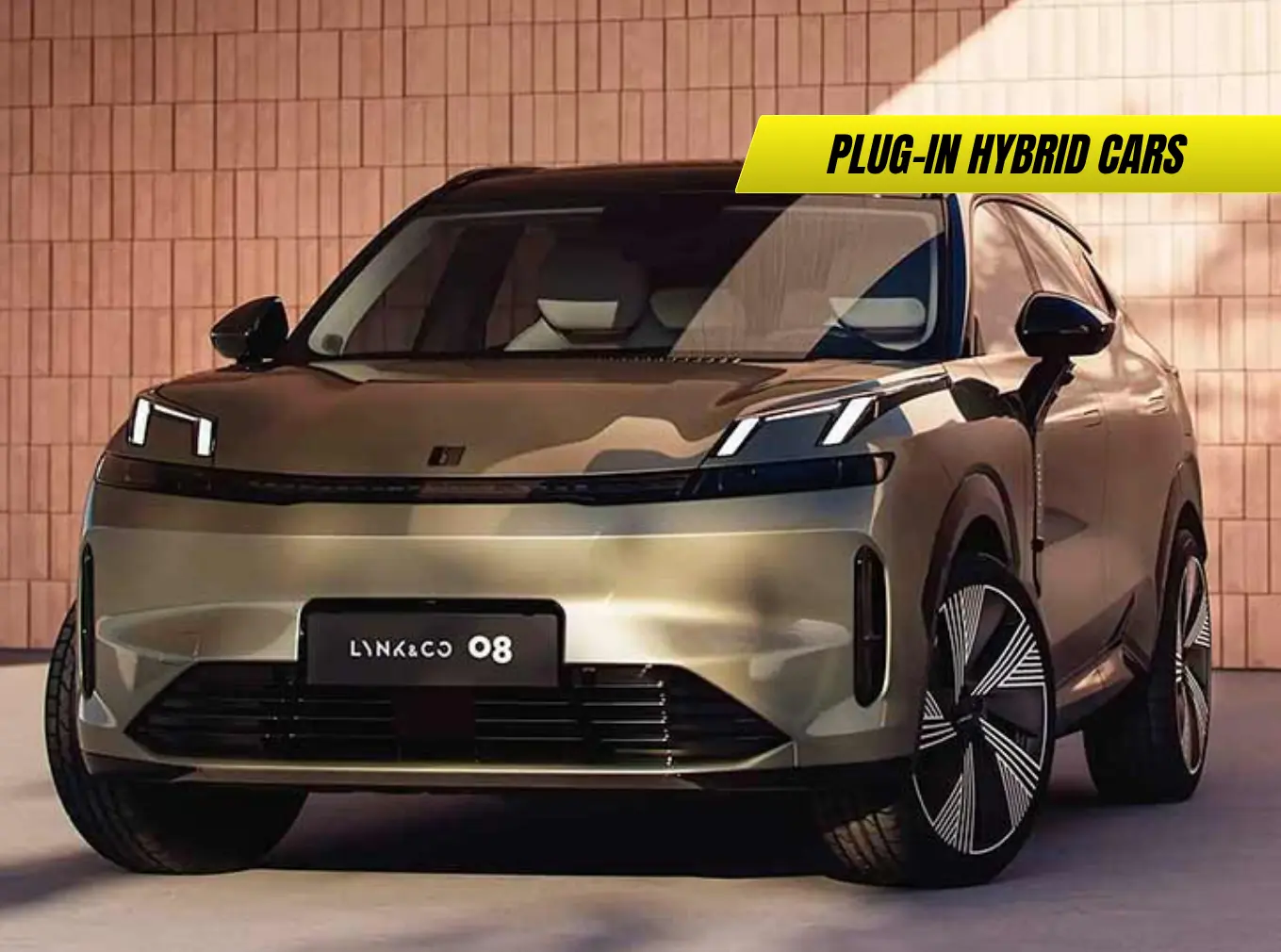
Discover the best plug-in hybrid cars to buy in the UK for 2025 — costs, range, charging, tax benefits, and expert recommendations for British drivers.
Plug-in hybrid cars (PHEVs) have become a leading choice for UK drivers seeking cleaner motoring without full reliance on public charging. Combining petrol engines with electric motors, these vehicles deliver both performance and efficiency. This 2025 guide analyses the best plug-in hybrids available in the UK market, comparing range, pricing, running costs and government incentives.
Key Points
- Plug-in hybrids offer up to 50 miles of electric range.
- Most models qualify for ULEZ compliance and lower road tax.
- Charging at home cuts fuel costs dramatically.
- Ideal for commuters and families needing flexibility.
- Government incentives remain for low-emission vehicles.
- Strong resale values across premium brands like Volvo, BMW and Mercedes.
Understanding Plug-in Hybrid Technology
A plug-in hybrid (PHEV) uses a petrol or diesel engine combined with an electric motor powered by a rechargeable battery. Unlike mild or self-charging hybrids, PHEVs can be charged directly via mains electricity, providing an electric-only range of 30–60 miles WLTP depending on the model.
When the battery runs low, the engine automatically takes over, ensuring range confidence even on long motorway drives — a key advantage over fully electric cars.
Best Plug-in Hybrid Cars to Buy in the UK (2025)
| Model | Electric Range (WLTP) | CO₂ Emissions | Starting Price (UK) |
|---|---|---|---|
| Kia Niro PHEV | 40 miles | 18 g/km | £35,000 |
| BMW 330e Touring | 37 miles | 30 g/km | £46,000 |
| Volvo XC60 Recharge | 47 miles | 19 g/km | £58,000 |
| Hyundai Tucson Plug-in | 38 miles | 31 g/km | £41,000 |
| Ford Kuga PHEV | 41 miles | 23 g/km | £38,000 |
| Mercedes GLC 300e | 63 miles | 14 g/km | £60,000 |
These models are all available through UK dealerships, with right-hand drive configurations and compatibility with domestic Type 2 charging cables.
For more SUV comparisons, see 20 Best SUVs to Buy in 2025 Under £40K.
Charging and Efficiency
Most plug-in hybrids can be fully recharged from a home 7kW wallbox in under three hours. Public chargers via Zap-Map or Pod Point provide access nationwide.
Charging at home costs roughly £3–£5 per full charge, depending on electricity tariffs. In my experience, this results in fuel costs of around 3–4p per mile — far cheaper than petrol equivalents.
Drivers can install a wallbox with support from the EV Chargepoint Grant available through gov.uk.
Tax and ULEZ Benefits
All modern plug-in hybrids meet ULEZ emission standards and qualify for reduced Benefit-in-Kind (BiK) rates for company car drivers.
- Company car BiK: from 8% to 12% (depending on CO₂ output).
- Road tax (VED): from £0 to £20 annually for the first year.
- Congestion Charge exemption possible in London with verified low emissions.
Further details are available at DVLA Vehicle Tax Rates.
Real-World Driving and Ownership Experience
From my point of view, plug-in hybrids shine when used for short daily commutes paired with occasional long trips. The electric-only mode suits school runs and city driving, while the petrol engine ensures flexibility.
However, real-world fuel efficiency depends on charging frequency. Drivers who neglect plugging in regularly may experience consumption similar to standard petrol cars.
Insurance, Warranty, and Maintenance
Most PHEV models come with:
- 5–8-year battery warranty (e.g., Hyundai, Toyota, Kia)
- 3–5-year vehicle warranty
- Lower brake and engine wear thanks to regenerative braking
Insurance costs are slightly higher than petrol cars due to complex drivetrains, but comprehensive hybrid cover is offered by major UK insurers like Aviva, Admiral and Direct Line.
Alternatives to Plug-in Hybrids
If you’re not ready for a PHEV, mild hybrids and full EVs offer alternative paths. See our related guides:
- Best Plug-in Hybrid Cars UK 2025
- Toyota Yaris 2026 – Release Date, Price and Features
- Mercedes Electric GLC 2026 – Price and Features
Buying a Used Plug-in Hybrid in 2025
The UK used market now includes thousands of low-mileage PHEVs under £20,000. Battery degradation is minimal when maintained correctly. Always request:
- Dealer service records
- Battery health report
- Charging cable verification
Trusted UK marketplaces such as AutoTrader and SMMT-approved dealers offer certified used hybrids.
FAQs
Is a plug-in hybrid cheaper to run than petrol?
Yes. When charged regularly, they can cut running costs by over 50%.
Do plug-in hybrids work well for motorway trips?
Yes. Once the electric range depletes, the petrol engine maintains consistent performance.
Can I charge a PHEV from a normal 3-pin plug?
Yes, but charging takes 6–8 hours instead of 3 from a wallbox.
Are plug-in hybrids eligible for UK grants?
Most plug-in hybrids no longer receive direct purchase grants, but installation grants for home chargers remain available.
Do plug-in hybrids lose boot space?
Slightly. The battery pack often reduces boot capacity by 50–100 litres.
What happens if I don’t charge it?
It works like a conventional hybrid but consumes more fuel.
Are plug-in hybrids reliable long-term?
Yes. Brands like Toyota, Kia, and Volvo show strong reliability with proper servicing.
Conclusion
Plug-in hybrids are a smart middle ground for UK drivers in 2025 — delivering electric convenience with combustion flexibility. They reduce emissions, save on fuel, and fit seamlessly into current infrastructure. From my experience, models like the Kia Niro PHEV and BMW 330e Touring provide the best mix of value, performance, and long-term practicality.





