Choosing between a hatchback and an estate car is less about finding a universal winner and more about matching the body style to family life. A hatchback is usually easier to park and manoeuvre, while an estate offers a larger and more accessible load area for pushchairs, luggage, pets and sports equipment.
For a UK household that mostly drives in town and carries modest loads, a hatchback is likely to provide the better overall balance. Families regularly travelling with bulky equipment may find an estate more comfortable and practical. However, purchase price, fuel economy and running costs still depend on the specific model, powertrain, trim and condition.
The short answer
| Family priority | Best starting point | Why |
|---|---|---|
| Mostly urban driving and modest luggage | Hatchback | Easier parking and manoeuvrability, with a useful boot and folding rear seats |
| Regular pushchair, holiday luggage or sports kit | Estate | More usable and accessible load space |
| Carrying a dog or other bulky equipment | Estate | More room for awkward loads without relying on folded rear seats |
| Keeping purchase and running costs under control | Hatchback, but compare like for like | It may cost less, although the actual result depends on the car and engine |
| Wanting family practicality without an SUV-sized vehicle | Estate | It can provide substantial carrying capacity in a lower-bodied alternative |
That broad comparison is also reflected in guidance from Auto Trader, RiDC and other family-car buying guides. It is a starting point rather than a guarantee for every hatchback or estate.
What a hatchback does well
A hatchback makes sense when easy day-to-day use matters more than maximum carrying capacity. Its generally compact format can make parking and manoeuvring less stressful, particularly on crowded streets or in tight car parks. Hatchbacks also often deliver good fuel economy and can have lower purchase and running costs than more spacious alternatives.
The boot is still practical for everyday family jobs, and folding rear seats add flexibility when a larger load needs to be carried. That is enough for many households whose normal routine involves school bags, shopping and occasional luggage rather than a permanently full boot.
The compromise is space. Compared with a broadly similar estate, a hatchback will generally have a smaller load area and may offer tighter accommodation for rear passengers. Auto Trader’s body-style guide identifies those as important family considerations, while Gumtree’s UK used-family-car guide also points towards hatchbacks for buyers with modest luggage needs who value easier parking and potentially lower costs.
Why an estate can be worth the extra size
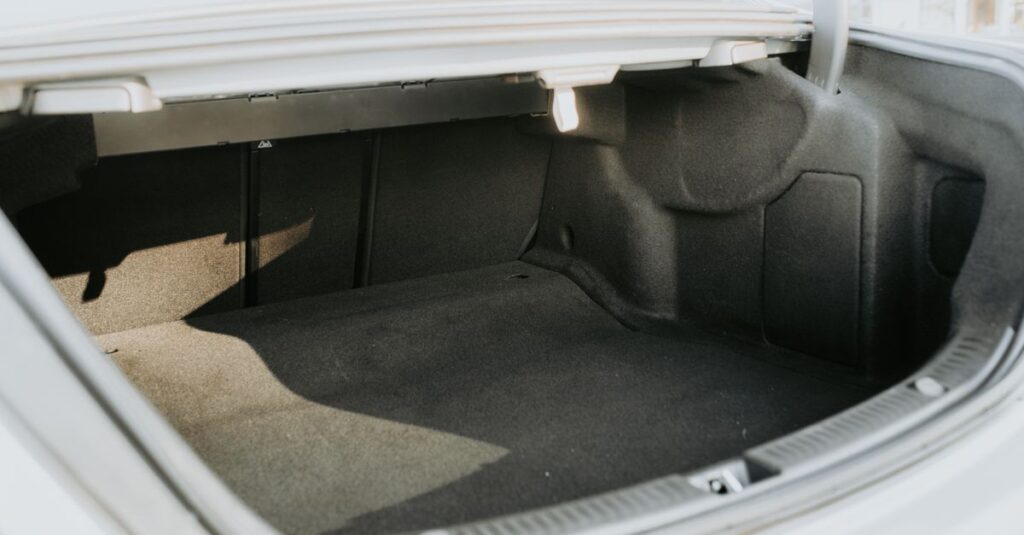
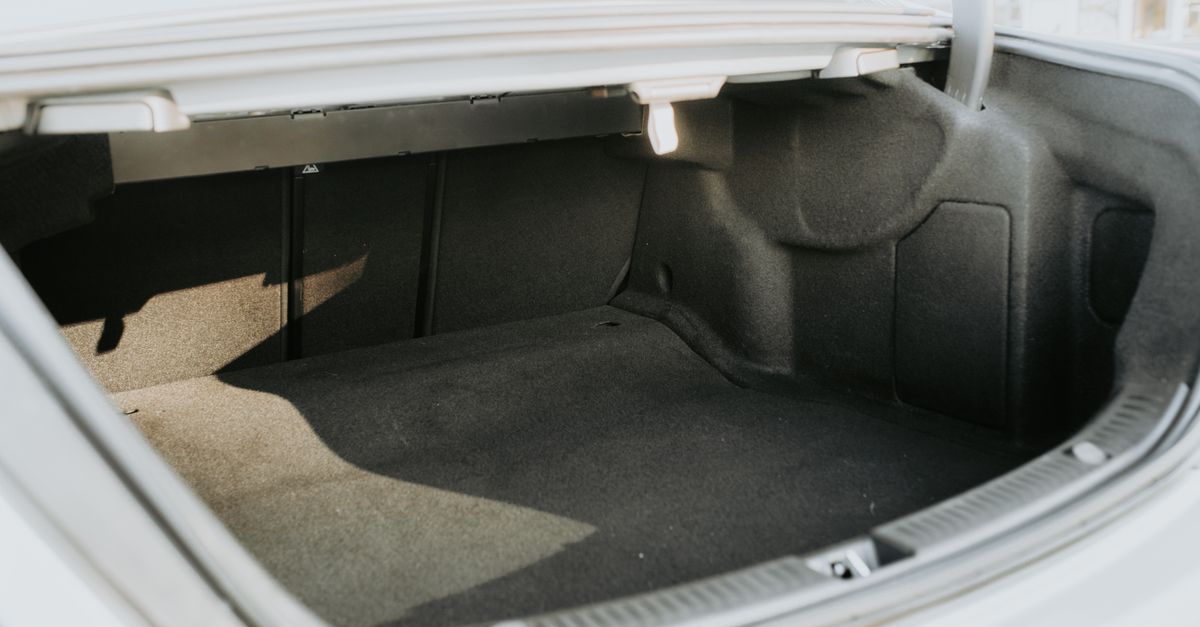
The estate’s main advantage is its load area. Compared with a comparable hatchback, it normally provides more space that is easier to access and use. That difference becomes valuable when a family needs to carry a pushchair, several suitcases, a dog, sports equipment or other bulky items. RiDC’s family-car guide and estate-car coverage from What Car? both emphasise the practical appeal of a large boot.
A bigger boot can also make family journeys more comfortable in practice, because luggage is less likely to compete with passengers for space inside the cabin. That does not automatically mean every estate has better seating or ride comfort than every hatchback, but it can reduce the compromises involved in carrying a full family and its belongings.
An estate can be a useful alternative to an SUV for buyers who want more carrying ability without an SUV-sized vehicle. Its lower, sleeker body can create less aerodynamic and weight-related compromise than a similarly practical SUV, although the actual running-cost result depends on the individual powertrain and specification. Auto Express’s estate-car guide makes the same broad comparison.
Comfort depends on the individual car
Body style alone cannot settle the question of comfort. A hatchback may have enough rear space for one family but feel cramped once two child seats, older children or adult passengers are involved. An estate may solve the luggage problem while still varying considerably in rear-seat space, seating position and ride quality from one model to another.
The most useful test is therefore practical rather than theoretical. Take the pushchair you actually use, or something close to it, and see how easily it fits. Check whether the boot remains useful with the rear seats upright. Sit in the back with child seats installed and make sure passengers can get in, buckle up and sit comfortably.
Running costs: compare like with like
It is tempting to assume that a hatchback will always be cheaper and an estate will always cost more. That is too simple. Hatchbacks often have an advantage in purchase price and fuel economy, but the difference varies by model, engine, trim and condition.
Likewise, an estate is not automatically an expensive choice. Against an SUV offering similar family practicality, its lower and more streamlined shape may help it retain lower running costs. The correct comparison is between closely matched versions, rather than between body styles in isolation.
Before deciding, compare the actual cars you are considering with similar powertrains and equipment. Look at the purchase price, expected fuel use and likely ownership costs, and avoid treating a general body-style advantage as a promise about one particular vehicle.
A simple test before buying
- List your normal loads. Include the pushchair, weekly shopping, holiday luggage, sports kit and any pet equipment you regularly carry.
- Try the boot in person. Check the opening, shape and ease of loading rather than relying only on a quoted capacity figure.
- Test every seat. Fit child seats and ask the adults who will use the rear seats to sit there before committing.
- Consider where you drive. Frequent town parking favours the hatchback’s easier manoeuvrability; regular long trips with a full load strengthen the case for an estate.
- Compare matching versions. Check the specific engine, trim and condition, because these can affect costs as much as the body style.
Verdict
Choose a hatchback if your family mostly drives in town, carries modest luggage and places a high value on easy parking and potentially lower costs. Choose an estate if a pushchair, dog, sports equipment or holiday luggage is part of normal life and you want more useful load space without moving to an SUV.
The best balance of boot space, comfort and running costs is therefore specific to the family and the car. A careful loading and seating test is more reliable than assuming one body style is always the better buy.