An electric car’s dashboard can show a reassuring number of miles, but that figure is not a battery-health certificate. For UK buyers, the important checks are a battery state-of-health report, a practical look at AC and DC charging, and confirmation of any remaining battery warranty.
Ask for a battery-health report
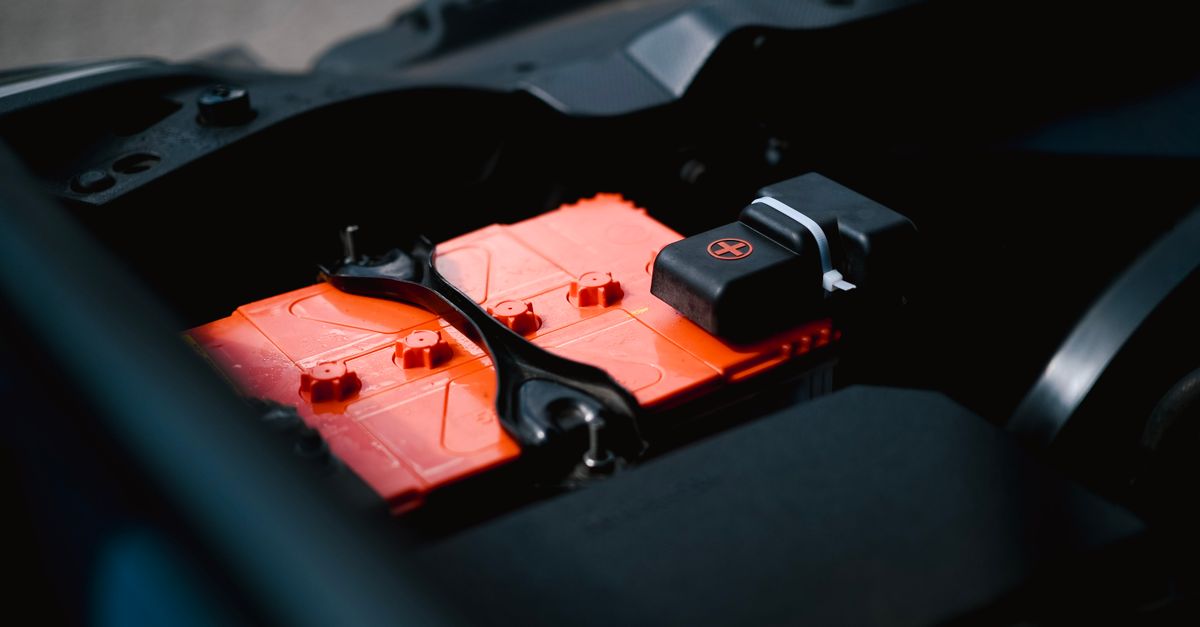
Request a battery-health or state-of-health report from the manufacturer, dealer or a qualified EV technician. This is more useful than relying on the range estimate shown on the dashboard. Consumer Reports’ used-EV guidance and a used-EV fact sheet from Tennessee’s energy office both recommend checking battery condition and seeking a professional inspection.
Ask for a report that clearly relates to the car you are buying, and note the test date, vehicle mileage, state-of-health result and any diagnostic faults. A pre-purchase inspection by a qualified EV technician can also identify problems with the charging system. iSeeCars’ used-EV buying guide also recommends checking battery health rather than treating the displayed range as proof of condition.
Do not apply a generic pass-or-fail number without considering the model’s original specification, warranty terms and the journeys you intend to make. Battery-health tests and warranty provisions vary between manufacturers and models.
Treat the displayed range as an estimate
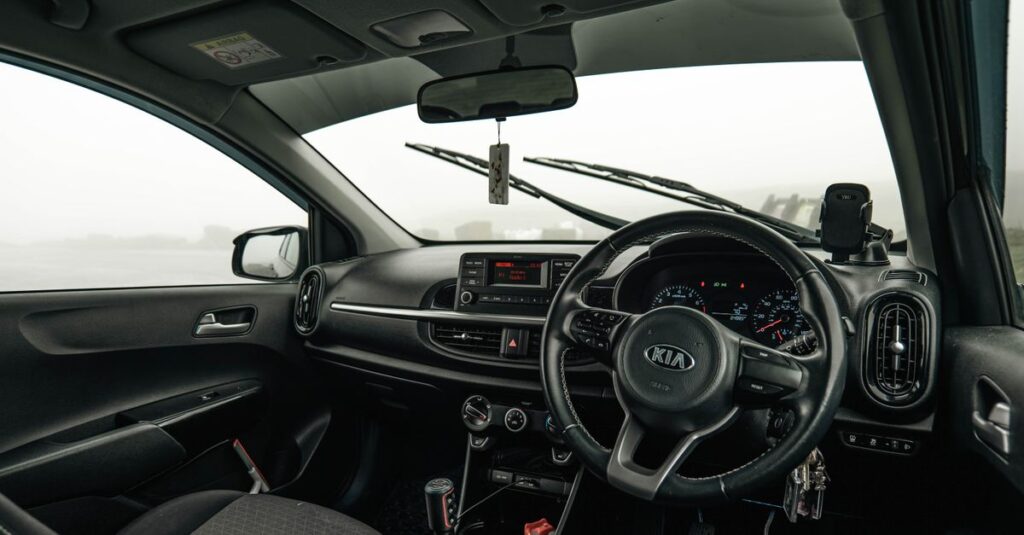
The miles shown by an EV are affected by recent driving, speed, terrain, temperature and the use of heating or air conditioning. A car driven recently at motorway speeds or in cold weather may show less range, without that being conclusive evidence of permanent battery deterioration. Equally, a favourable recent journey can make the estimate look more reassuring than your own usage would.
Compare the estimate with the vehicle’s original manufacturer specification and your normal trips. The range figure is useful for planning a test drive, but it should not replace a state-of-health report. The Tennessee fact sheet specifically highlights driving conditions and climate control as factors that can affect the displayed figure.
Check AC and DC charging in practice
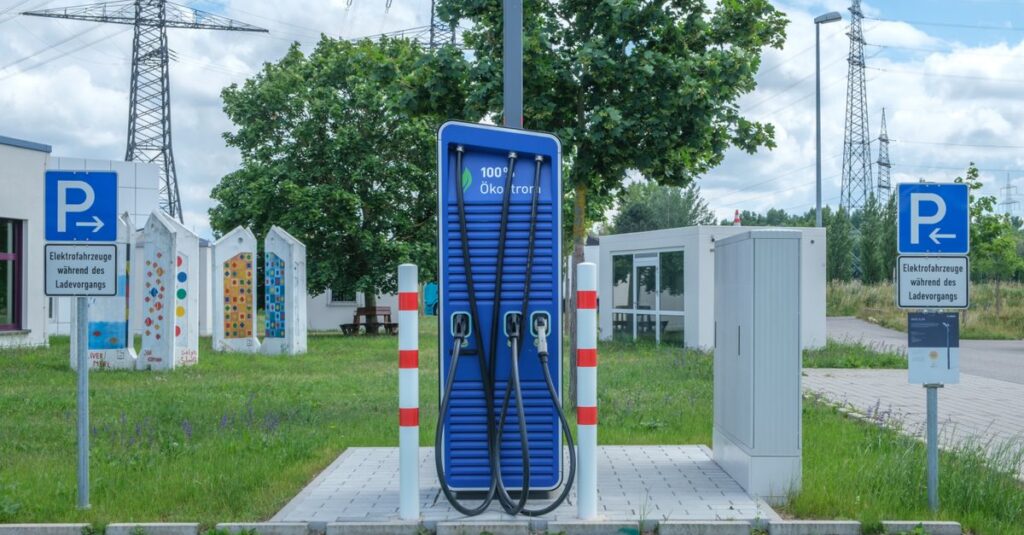
Where possible, check the car charging rather than simply asking what rate it is supposed to achieve. Test its AC charging and, if the vehicle supports it, its DC rapid-charging capability. A practical check can reveal charging-system problems that a dashboard range estimate will not.
Do not assume that an advertised maximum charging rate will appear every time. Battery temperature, state of charge, the charging equipment and other conditions can all affect the rate reached. DealerCare’s used-EV battery-check guide and BEV Driver’s buying guide both stress the importance of checking charging in real conditions.
Ask what equipment was used for any demonstration and whether the car began charging normally. A single session that does not reach the headline rate is not automatically proof of a fault, but a charging warning, repeated failure to start or unexplained inconsistency should be investigated by a qualified technician before you buy.
Verify the remaining battery warranty
Check the vehicle’s first-registration date, current mileage, exact battery-warranty wording and the rules for transferring cover to a subsequent owner. Do not assume that a warranty automatically transfers or that every manufacturer offers the same terms.
Octopus EV’s UK used-car checklist says many new EV batteries have cover of around eight years or 100,000 miles. That is a useful general guide, not a guarantee for every used car: the precise duration, mileage limit and transfer conditions are manufacturer- and model-specific.
Ask the manufacturer or dealer to confirm the position using the car’s details, preferably before paying a deposit. A seller’s verbal assurance should not be the only evidence of remaining cover.
Used-EV checks before you commit
Before handing over money, make sure you can answer these questions:
- Is there a recent battery state-of-health report, and who produced it?
- Does the car charge through AC and, where applicable, DC rapid charging?
- What rate did it achieve, and under what battery, charger and temperature conditions?
- How does the displayed range compare with the original specification and your typical journeys?
- What are the first-registration date and current mileage?
- How much battery warranty remains, and can it be transferred?
- Are there any unresolved diagnostic or charging-system faults?
If the seller cannot provide a report or charging demonstration, that does not automatically make the car unsuitable. It does mean the uncertainty should be resolved with a qualified pre-purchase inspection rather than guessed from the dashboard.
The sensible buying rule
A used EV should be judged on documented battery health, practical charging performance and verified warranty status. The range figure is a useful clue, but it is only an estimate. If the battery or charging evidence does not add up, pause the purchase and have the car assessed professionally before committing.
Source 1 · Source 2 · Source 3 · Source 4 · Source 5 · Source 6