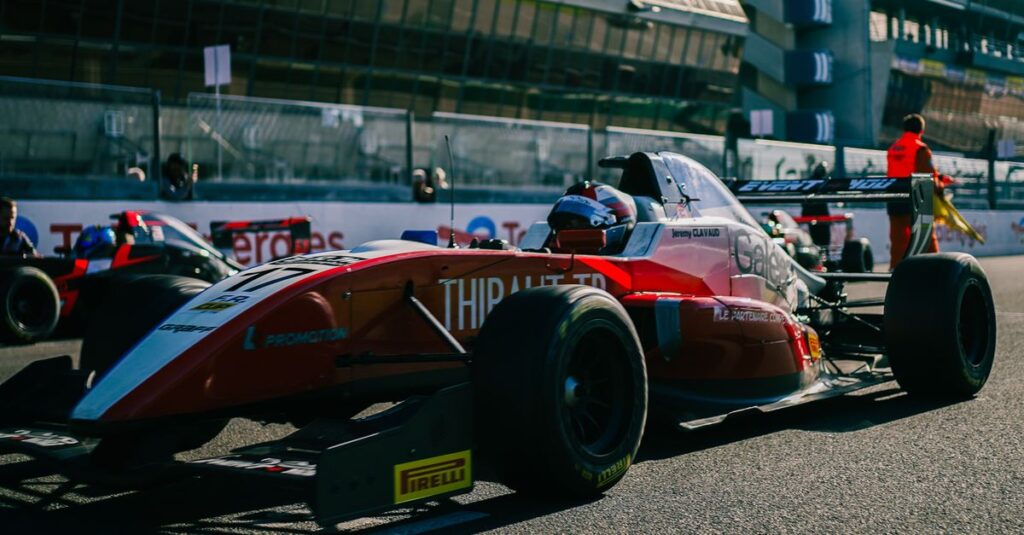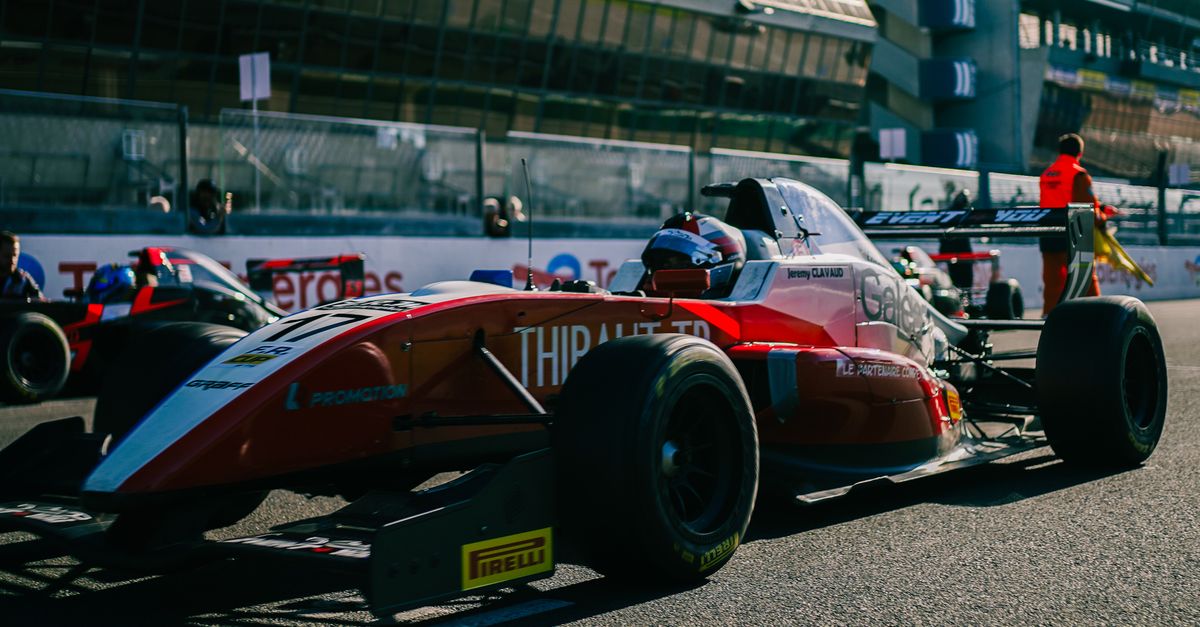
Parc fermé is one of those Formula 1 phrases that sounds more mysterious than it is. For UK viewers, it helps explain why a team cannot simply make major setup changes between qualifying and the race. In F1, the term covers both a secured inspection area and the regulatory state that restricts work on a car during part of a race weekend. The central idea is that the car which qualifies should be the car that races, as explained by the FIA.
What does parc fermé mean?
The French phrase translates as “closed park”. In motorsport, it has two connected meanings:
- a controlled area where cars can be secured and inspected; and
- a set of rules limiting what teams can do to their cars during defined periods.
The second meaning is the one most often heard during an F1 broadcast. When a car is described as being under parc fermé conditions, it does not necessarily mean that nobody can touch it. It means that only work specifically allowed by the sporting regulations may be carried out.
When do the F1 rules begin?
Under the 2026 FIA Formula 1 sporting regulations, a car enters pre-race parc fermé when it first leaves the pit lane during qualifying. If it does not leave the pit lane during qualifying, it enters parc fermé at the end of Q1.
The car remains subject to those conditions until the race starts. That means the restriction can begin during qualifying rather than only after the session has finished.
What can teams change?
The confirmed position in the regulations is straightforward: teams may carry out only the work that the rules expressly permit once parc fermé has begun. They cannot freely revise the car’s setup after qualifying to create an entirely different race specification.
That is why qualifying performance and race performance are closely linked. A team must arrive at a setup that works for the demands of a single qualifying lap while also being suitable for the race that follows. The FIA describes parc fermé as a way of ensuring that the car which qualifies is the one that competes in the race.
There can also be a significant sporting penalty for ignoring the restrictions. Explanations from Motorsport.com and Red Bull Racing note that breaking parc fermé rules can result in the driver being required to start from the pit lane.
Why can parc fermé change a race weekend?
The practical implication is that qualifying is not an isolated one-lap exercise. Once the car has entered parc fermé, the team cannot simply use the time before the race to undo every compromise made for qualifying.
For fans, that gives the phrase a useful meaning: a qualifying result reflects not only the car’s outright pace, but also the setup the team has committed to carrying into the race. A car that looks extremely quick over one lap may still have to live with the same broad configuration when the lights go out.
That is an explanation of the rule’s effect, rather than a separate technical regulation. The precise work permitted remains whatever the applicable FIA regulations allow.
How do sprint weekends differ?
Sprint weekends have their own parc fermé timetable. The 2026 FIA regulations define separate periods covering sprint qualifying and the sprint, as well as qualifying and the main race.
In other words, there is not one single parc fermé period covering every session on a sprint weekend. The relevant window depends on which part of the event is taking place, so teams and viewers should not automatically apply the timetable from a conventional race weekend.
Is parc fermé the same in every championship?
No. The pit-lane-exit trigger and timings described above apply specifically to the 2026 FIA Formula 1 sporting regulations. Other championships may set different parc fermé periods and different lists of permitted work.
The general principle is similar: control changes to the car so that teams cannot freely transform a qualifying car into a substantially different race car. The exact procedure, however, must be checked against that championship’s own rulebook.
The simple takeaway
In F1, parc fermé is more than a locked-off paddock area. It is a regulatory window that links qualifying to the race. Under the 2026 rules, the window begins when a car first leaves the pit lane in qualifying, or at the end of Q1 if it never leaves, and lasts until the race starts. Only specifically permitted work is allowed, and a breach can carry a pit-lane start penalty.