Electric estate cars are no longer a purely theoretical choice for UK families, but the market remains small. Current UK car-buying guides identify the Peugeot e-308 SW, Vauxhall Astra Electric Sports Tourer, MG5 and Volkswagen ID.7 Tourer among the electric estates available to UK buyers (EV Compared, Auto Express and Motorpoint).
That matters for drivers who want a lower loading height and a useful luggage area without moving straight to an SUV. However, the evidence supports a growing electric-estate market, not a confirmed wave of £23,000 estate cars with named launch dates.
The choice is growing, but remains limited
The Peugeot e-308 SW is one of the clearer lower-cost reference points. EV Compared cites an entry price of £32,255 for the Allure 55kWh version. That is a price quoted by a buying guide, so buyers should check the current UK specification and price before treating it as a purchase quote.
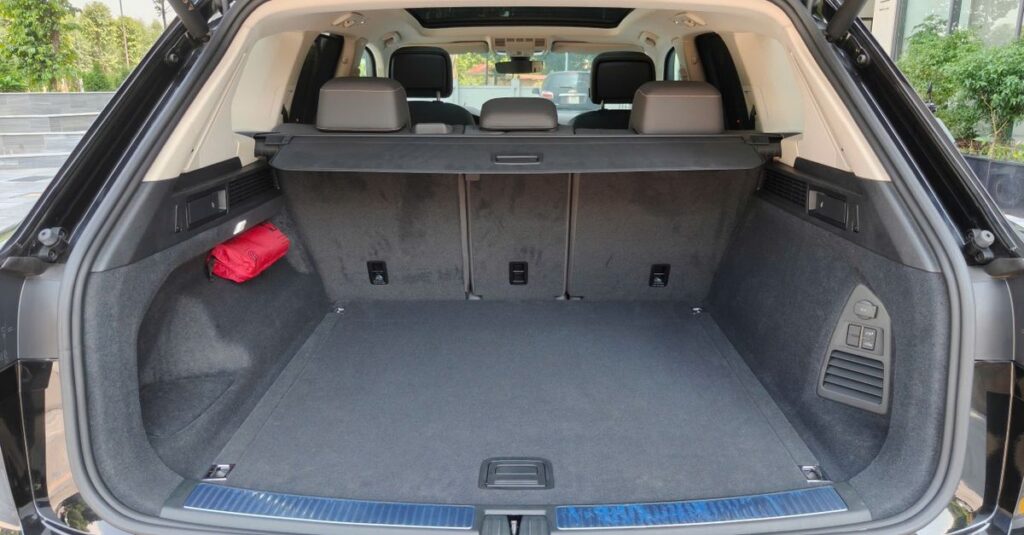
At the larger end, the Volkswagen ID.7 Tourer is listed with a 545-litre boot, expanding to 1,714 litres with the rear seats folded. Some versions are credited with a claimed WLTP range of more than 400 miles (Autocar and What Car?).
Those figures illustrate the two questions an electric-estate buyer needs to keep separate: how far the car is claimed to travel and how much it can carry. The e-308 SW, Astra Electric Sports Tourer and MG5 broaden the current list, but prices and specifications vary by model and trim.
What the £23,000 forecast does — and does not — mean
Transport & Environment’s UK ZEV factsheet says the ZEV mandate is expected to bring more than a dozen new EV models priced at £23,000 or less to the UK by 2027. That is useful evidence that lower-priced electric cars may become easier to find, but it is not a list of named estates or a guarantee that any particular future model will use an estate body (Transport & Environment).
The safe interpretation is therefore a broader affordability trend, not an official announcement of a new family of cheap electric estates. No specific future model name, final UK price or launch date is established by the evidence here.
Range: compare like with like
WLTP is the figure UK buyers will see in specifications and should be used to compare cars, but it is not a real-world test result. The ID.7 Tourer’s more-than-400-mile figure is explicitly a claimed WLTP figure, not a guarantee of that distance on a motorway journey with a full load.
Actual use can vary with speed, weather, traffic, heating and luggage. For a future affordable estate, the important figure will be the WLTP range for the exact UK trim, rather than a headline number attached to a different version. Buyers who regularly cover long motorway distances should also consider how much reserve they need between charging stops.
Boot space: litres are only the beginning
The practical case for an estate is not just a large number in a brochure. Coverage of the electric-estate market highlights the lower loading height and more usable luggage areas that estates can provide compared with many saloons. It also notes that the electric-estate market remains smaller than the electric SUV market (Auto Express and Drive).
The ID.7 Tourer’s 545-litre seats-up capacity and 1,714-litre seats-folded figure show how much space a larger model can offer, but litres do not tell the whole story. Buyers should check the loading lip, the width and shape of the opening, the length available with the rear seats folded and whether everyday items fit without wasting space.
Charging speed matters as much as battery size
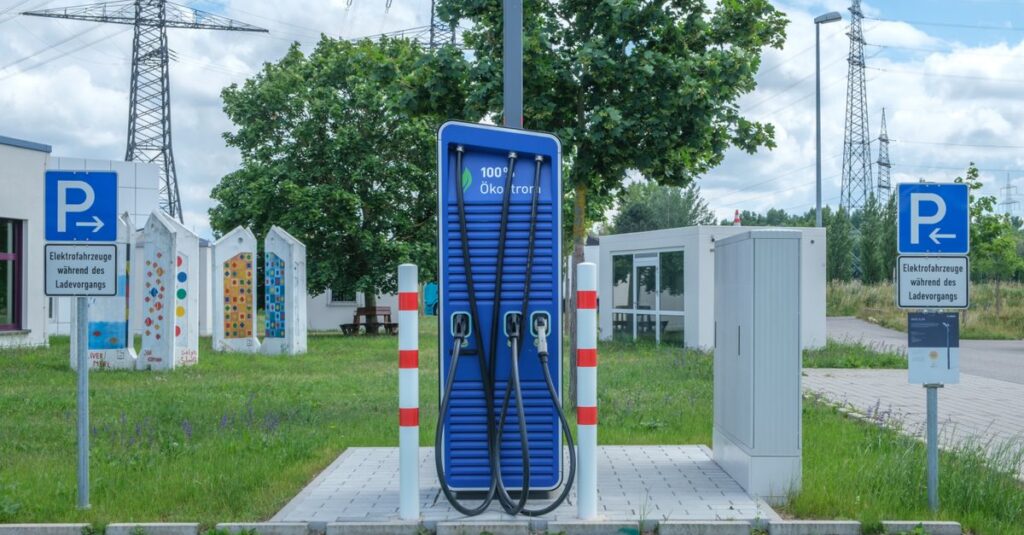
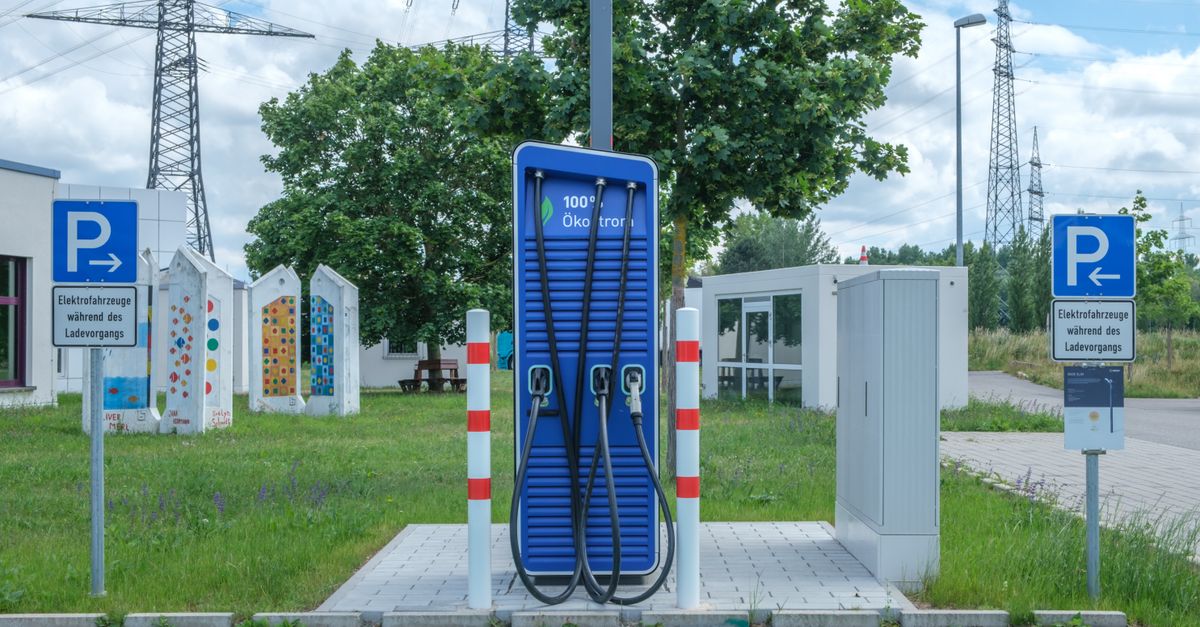
A bigger battery is not automatically the quickest option for a long journey. T3 notes that public chargers may advertise up to 350kW, although only a small number of EVs can accept charging at that rate (T3).
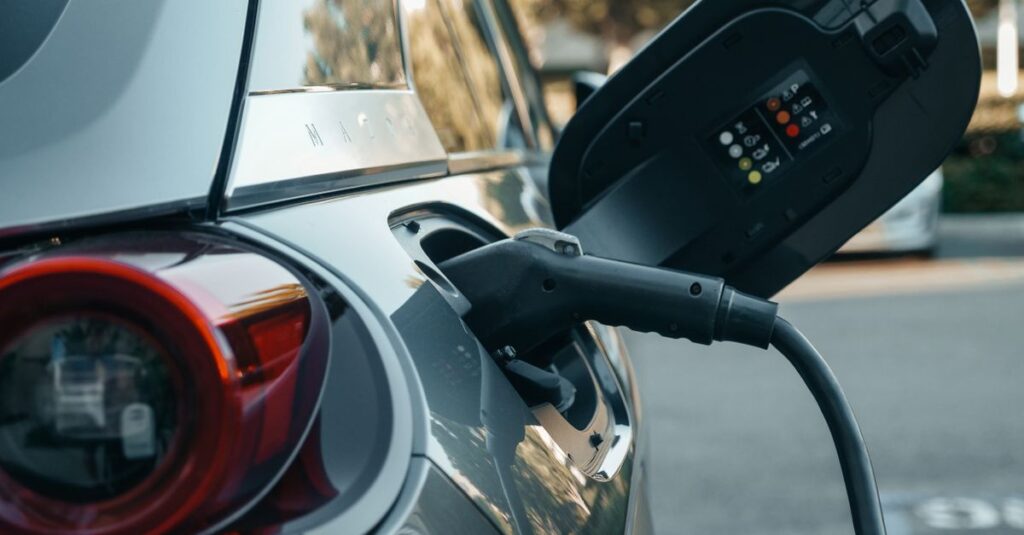
When comparing estates, check the car’s maximum DC charging rate, its published charging time and how well that fits the public network used on regular routes. A charging-point headline is only useful if the car can make practical use of it. Home-charging suitability and the availability of reliable rapid chargers on frequent journeys also matter more than a peak figure in isolation.
What buyers should watch before committing
The current model list is supported by UK buying guides, but the future affordable-estate story remains an expectation rather than a named product plan. Before placing an order, buyers should look for:
- the exact UK trim, battery and on-the-road price;
- the WLTP range for that specific version;
- boot measurements that reflect how the car will actually be used;
- maximum DC charging power and a realistic charging-time figure; and
- an official UK order and delivery timetable if considering a future model.
That distinction is important. A forecast of more than a dozen EVs priced at £23,000 or less by 2027 does not establish that a £23,000 electric estate will be available by then.
The bottom line
UK drivers already have a small electric-estate choice, led by models such as the Peugeot e-308 SW, Astra Electric Sports Tourer, MG5 and Volkswagen ID.7 Tourer. The Peugeot’s cited £32,255 entry point shows where the more affordable end of the new market currently sits, while the ID.7 Tourer demonstrates the space and claimed WLTP range available at the larger end.
More affordable EVs may broaden the choice before 2027, but it would be premature to budget on the assumption that one of them will be an estate. Buyers who need a car now should compare the existing models on usable boot space, exact WLTP range and charging performance; those prepared to wait should look for official UK pricing and specifications rather than relying on the wider £23,000 forecast.
Source 1 · Source 2 · Source 3 · Source 4 · Source 5 · Source 6 · Source 7 · Source 8