For a UK learner, choosing between an automatic and a manual is not just a matter of convenience. It affects the driving test, the vehicles the resulting licence covers and the size of the used-car search. An automatic removes clutch control and manual gear changes, which can make learning and stop-start urban driving simpler and less tiring. A manual retains those tasks but can offer greater flexibility afterwards. As The AA’s manual-versus-automatic guide and the Motor Ombudsman’s first-car guide make clear, there is no gearbox that is right for every new driver.
Start with the licence
The most important difference is the entitlement attached to the test. Pass in an automatic and your licence will generally be limited to automatic vehicles. Pass in a manual and you have the broader ability to drive both types. That distinction is explained by the AA Driving School and Carwow’s comparison.
That means learners should think beyond the car used for lessons. If you may need to borrow a family member’s older car, use different vehicles for work or simply want the widest choice after passing, a manual test provides more flexibility. If you are certain that you will drive an automatic and value a simpler learning experience more highly, the restriction may be an acceptable trade-off.
Why an automatic can be the sensible first choice
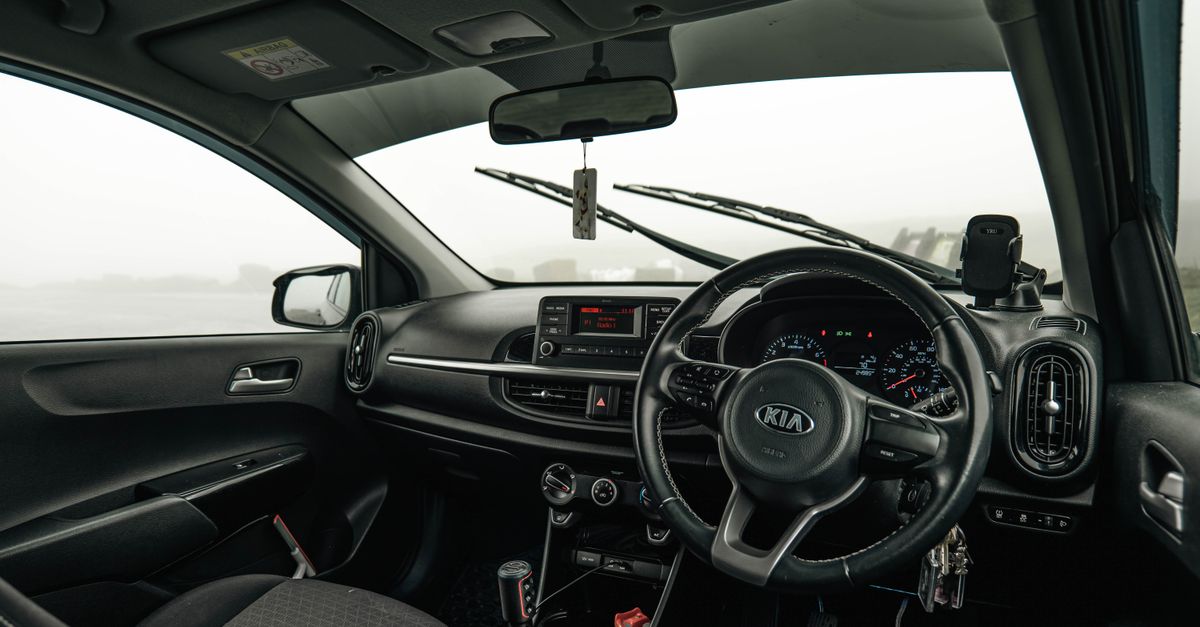
An automatic removes the need to operate a clutch and select gears manually. That can make the mechanical side of driving easier to manage in traffic, particularly on repeated stop-start journeys. It may also make lessons feel less tiring for someone who finds clutch control or gear selection distracting.
The benefit should not be overstated: an automatic does not remove the need to learn observation, positioning, junctions, speed control and hazard awareness. It simplifies one part of driving rather than the whole task. The AA describes the reduced workload as a key advantage, while the Motor Ombudsman’s guide also presents ease of use as an important consideration for first-time owners.
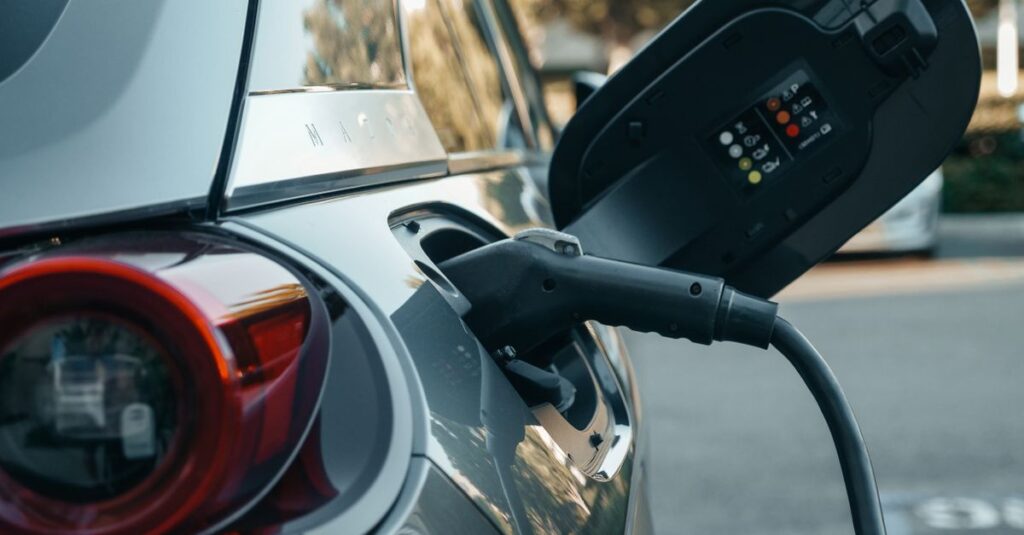
There is also a longer-term market argument. Automatic cars are becoming more common, and hybrids and electric cars generally use automatic-style drivetrains. That does not make a manual licence obsolete, but it does mean an automatic learner is choosing a type of car that is increasingly familiar in the wider market. What Car? discusses that shift and why manual cars nevertheless remain relevant to learners and used-car buyers.
The compromise is choice. An automatic-only licence can rule out some cars you might otherwise have considered, including manual cars already owned by family or friends. The question is whether that lost flexibility matters more to you than the simpler controls.
Why a manual still has a strong case
The manual’s clearest advantage is licence flexibility. A driver who passes in a manual can still choose an automatic later, whereas an automatic test does not normally provide the same access to manual cars. For a first-time driver who is unsure what vehicles will be available in the next few years, that wider entitlement can be valuable.
Manual cars can also offer a wider choice in the used market. They may be cheaper to buy or repair in some cases, although the difference depends on the particular model, its age and its condition. That qualification matters: a manual is not automatically the cheapest option, and an older car’s maintenance history can be more important than its gearbox. The trade-offs are covered by Co-op Insurance, RAC Drive and Auto Express.
That can make a manual a logical choice for a buyer working with a tight used-car budget or searching among older models. It is not a promise of a lower purchase price or cheaper ownership; it simply keeps more cars in contention.
Do not choose on a generic cost claim
There is no reliable one-size-fits-all answer to whether an automatic or manual will cost less. Purchase prices, repair bills and availability vary with the vehicle, its age, condition and transmission design. Insurance should be quoted for the exact driver and car rather than inferred from broad claims about gearboxes.
The same caution applies to lesson costs. An automatic may reduce the physical workload of each lesson, but that does not establish that every learner will need fewer lessons or spend less overall. Confidence, progress and the instructor’s assessment are individual matters.
A practical decision checklist
An automatic is likely to suit you if
- You expect to do most of your driving in busy urban or stop-start traffic.
- Reducing clutch and gear-change tasks would make learning feel more manageable.
- You are comfortable with the automatic-only licence restriction.
- You have found a suitable automatic whose purchase price, insurance and condition fit your budget.
- You are already considering a hybrid or electric car, where automatic-style drivetrains are common, as noted by the AA Driving School and What Car?.
A manual is likely to suit you if
- You want the widest possible licence flexibility after passing.
- You may need to drive several different cars, including older family or used vehicles.
- Access to the broader manual used-car market is important to your budget.
- You are willing to spend time mastering clutch control and manual gear changes.
Bottom line
For a city-focused learner who values simpler controls and is happy to drive only automatics, an automatic can be a sensible first-car route. For someone uncertain about future vehicles, dependent on older used stock or keen to keep every option open, learning in a manual remains the more flexible choice.
The safest decision is to compare the actual cars you could afford, obtain insurance quotes for those cars and be honest about the type of driving you expect to do. The right gearbox is the one that gives you confidence without creating a licence or budget problem later.
Source 1 · Source 2 · Source 3 · Source 4 · Source 5 · Source 6 · Source 7 · Source 8