
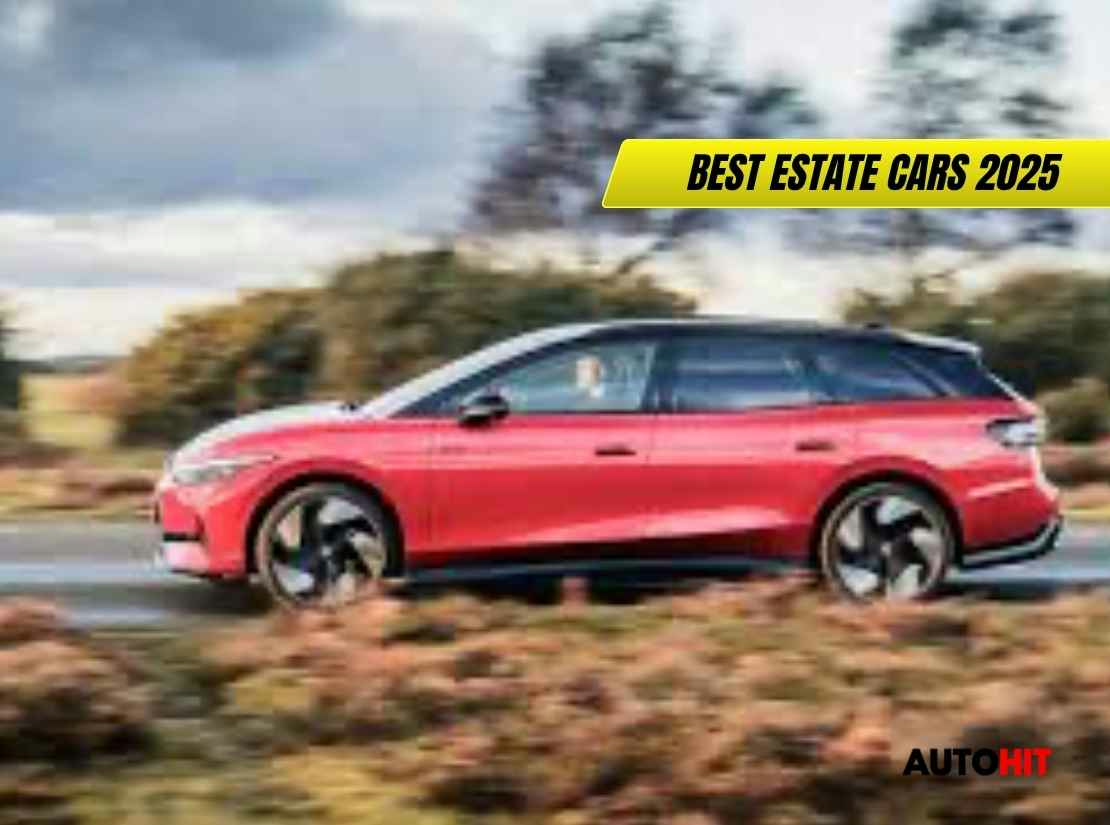
Best estate cars 2025 include Skoda Octavia Estate, Ford Focus Estate, and Mercedes CLA Shooting Brake. Our UK guide covers practicality, efficiency, and value for families.
There’s something deeply satisfying about a well-designed estate car that perfectly balances family practicality with driving enjoyment, and according to our analysis at AutoHit, the estate segment continues to thrive despite the SUV revolution sweeping through British showrooms. Having tested extensively across this enduringly practical segment, from budget-conscious Czech engineering to premium German luxury, we’ve discovered that 2025 represents a golden age for estate car buyers seeking maximum space, efficiency, and style in sensible packages.
The estate car format remains fundamentally superior to SUVs for many family requirements, offering lower running costs, better handling dynamics, and often superior cargo capacity in more manageable external dimensions. What makes the current estate landscape particularly compelling is the range of electrified powertrains available, from mild-hybrid efficiency to plug-in hybrid capability, all packaged in practical formats that work brilliantly for British families.
After months of real-world testing across various UK driving scenarios – from Scottish touring holidays to urban school runs – we’re ready to present the definitive guide to 2025’s best estate cars. These vehicles prove that practical doesn’t have to mean boring, and that choosing an estate over an SUV often delivers better value, superior efficiency, and more usable space for real-world family transport.
Why Estate Cars Still Matter in 2025
Despite SUV popularity, estate cars continue offering compelling advantages that make them ideal choices for discerning UK families.
Practical Advantages Over SUVs
Lower Loading Height: Estate cars typically feature boot floors 200-300mm lower than equivalent SUVs, making loading heavy items significantly easier. This matters particularly for families with elderly relatives, frequent DIY trips, or regular heavy cargo requirements.
Aerodynamic Efficiency: The sleeker profile of estate cars delivers 10-20% better fuel economy compared to equivalent SUVs, translating to real savings for higher-mileage drivers. Wind noise is also typically lower due to better aerodynamic design.
Handling Dynamics: Lower centres of gravity provide superior handling characteristics, particularly beneficial on challenging UK A-roads where many families do their touring driving. Cornering stability and ride comfort often surpass SUV alternatives.
Value Proposition: Estate versions typically cost £1,000-3,000 less than equivalent SUV alternatives while offering comparable or superior cargo space, representing excellent value for practical buyers.
Modern Estate Innovations
Electrified Powertrains: Contemporary estates offer comprehensive hybrid options from mild-hybrid efficiency enhancements to plug-in capability providing zero-emission urban driving.
Advanced Technology: Modern estates include sophisticated infotainment, driver assistance systems, and connectivity features that rival or exceed premium SUV offerings.
Flexible Interiors: Clever packaging solutions maximize usable space while maintaining passenger comfort, often surpassing larger SUVs for practical utility.
Top 5 Estate Cars for 2025
Based on extensive testing, owner feedback, and UK-specific requirements, these estates represent the best combination of practicality, efficiency, and value.
1. Skoda Octavia Estate: The Practical Champion
The Skoda Octavia Estate continues its reign as the thinking person’s family car, offering premium-level space and features at mainstream pricing.
Cargo Capacity Excellence: The 640-litre boot expands to 1,700 litres with rear seats folded, providing class-leading space in a manageable 4.69-metre length. The practical loading aperture and low sill height aid daily usability.
Powertrain Variety: Comprehensive engine range includes efficient TSI petrol engines, TDI diesels for high-mileage users, and both mild-hybrid and plug-in hybrid variants. The plug-in hybrid delivers around 60km electric range – enough for most urban journeys.
Interior Quality: Despite budget positioning, interior materials and build quality feel genuinely premium, with comfortable seating for five adults and comprehensive storage solutions throughout.
Technology Integration: Standard equipment includes digital instruments, smartphone connectivity, and comprehensive safety systems. Optional features like matrix LED headlights and adaptive cruise control rival premium alternatives.
UK Pricing: Starting around £25,000 for base petrol models, rising to £35,000 for well-equipped plug-in hybrids. Represents outstanding value considering space and equipment levels.
Real-World Efficiency: TSI petrol engines achieve 45-50mpg in mixed UK driving, while the plug-in hybrid can exceed 80mpg with regular charging. TDI diesels provide 55-65mpg for higher-mileage users.
2. Ford Focus Estate: Dynamic Practicality
The Focus Estate delivers engaging driving dynamics alongside family practicality, appealing to drivers who refuse to compromise handling for space.
Driving Experience: Ford’s renowned chassis engineering provides engaging handling that makes the Focus estate genuinely enjoyable to drive, particularly on challenging UK roads. Steering precision and body control exceed most family car expectations.
Cargo Solutions: The 608-litre boot features clever flexible floor arrangements and practical shape optimization. While not class-leading in volume, the space is highly usable for family requirements.
Build Quality: Recent generations show significant improvement in interior materials and assembly quality, addressing previous concerns while maintaining Ford’s dynamic character.
Powertrain Options: Comprehensive range includes efficient EcoBoost petrol engines, EcoBlue diesels, and mild-hybrid variants. The 1.0-litre EcoBoost provides surprising performance with excellent economy.
UK Market Position: Competitive pricing starts around £23,000, with top specifications reaching £30,000. Strong dealer network and parts availability benefit long-term ownership.
Efficiency Performance: Real-world economy ranges from 40-55mpg depending on engine and driving patterns, with mild-hybrid variants delivering incremental improvements.
3. Kia Ceed Sportswagon: Value and Warranty Champion
The Ceed Sportswagon offers compelling value through competitive pricing, comprehensive warranty coverage, and thoughtful practical design.
Warranty Advantage: Kia’s seven-year/100,000-mile warranty provides exceptional peace of mind for families planning longer ownership periods, significantly reducing long-term ownership risks.
Space Efficiency: Despite modest external dimensions, interior packaging delivers generous passenger space and a practical 625-litre boot that suits most family requirements.
Fuel Efficiency: Mild-hybrid diesel variants achieve exceptional real-world economy, with some drivers reporting over 60mpg in mixed conditions. The plug-in hybrid provides additional urban efficiency.
Equipment Levels: Generous standard specification includes safety systems, connectivity features, and comfort amenities that often cost extra on premium alternatives.
Design Appeal: Contemporary styling avoids the conservatism that sometimes afflicts value-focused vehicles, providing visual appeal alongside practical capability.
Cost of Ownership: Competitive pricing, excellent warranty, and strong dealer support create compelling total ownership propositions for cost-conscious families.
4. Mercedes CLA Shooting Brake: Premium Style
The CLA Shooting Brake brings Mercedes luxury and style to the estate segment, though with some practical compromises for visual appeal.
Design Leadership: Distinctive coupe-like styling creates genuine visual appeal that sets it apart from more conservative estate alternatives. Interior design and materials meet Mercedes premium standards.
Technology Integration: Advanced MBUX infotainment, comprehensive driver assistance systems, and sophisticated connectivity features showcase Mercedes technological leadership.
Efficiency Focus: Plug-in hybrid variants deliver impressive official economy figures, though real-world results depend heavily on charging discipline and usage patterns.
Premium Experience: Build quality, refinement, and comfort levels justify premium positioning, particularly for buyers prioritizing luxury over maximum practicality.
Space Compromises: Styling priorities result in reduced headroom and cargo space compared to more conventional estates, limiting family utility for some buyers.
Market Position: Premium pricing reflects Mercedes positioning, starting around £35,000 and rising significantly with popular options. Consider carefully against practical alternatives.
5. Peugeot 508 Estate: French Flair
The 508 Estate combines distinctive French design with modern efficiency and comprehensive technology, appealing to buyers seeking something different.
Design Character: Unique styling language creates genuine visual distinction in a segment often dominated by conservative aesthetics. Interior design showcases Peugeot’s contemporary design philosophy.
Cargo Practicality: The 530-litre boot provides adequate space for most families, with practical loading arrangements and useful storage solutions throughout the cabin.
Ride Comfort: Peugeot’s traditional suspension expertise delivers excellent ride quality, particularly impressive on typical UK road surfaces with their varying quality.
Technology Features: Comprehensive infotainment, digital instruments, and driver assistance systems provide modern functionality across the range.
Powertrain Options: Efficient petrol and diesel engines plus plug-in hybrid variants offer choice for different usage patterns, with the PHEV providing meaningful electric range.
Market Positioning: Competitive pricing for the equipment and design quality offered, though resale values may lag more established alternatives.
Key Buying Considerations for UK Families
Selecting the right estate requires careful evaluation of family requirements, usage patterns, and long-term ownership plans.
Cargo Space Requirements
Volume vs Usability: Maximum cargo volume figures don’t tell the complete story. Consider loading aperture size, floor height, and shape practicality for your typical cargo requirements.
Flexibility Features: Folding rear seats, adjustable boot floors, and tie-down points enhance practical utility. Some estates offer 40/20/40 split rear seats for optimal passenger/cargo combinations.
Access Considerations: Consider who will be loading the estate regularly. Lower loading heights benefit elderly family members or those with mobility concerns.
Powertrain Selection
Usage Pattern Analysis: High-mileage drivers (15,000+ miles annually) benefit from diesel efficiency, while mixed-use drivers may prefer petrol convenience. Consider plug-in hybrids if daily driving suits electric range.
Future-Proofing: Consider upcoming ULEZ expansions and clean air zones when selecting powertrains. Plug-in hybrids provide flexibility for evolving urban restrictions.
Running Cost Calculation: Factor fuel costs, insurance, servicing, and depreciation when comparing powertrains. Diesel premiums may take years to recover through fuel savings for moderate-mileage drivers.
Technology and Safety
Essential Features: Ensure your chosen estate includes smartphone connectivity, essential safety systems, and driver assistance features appropriate for your driving patterns.
Upgrade Value: Consider whether premium technology options provide genuine utility or simply increase purchase costs without meaningful benefit.
Future Updates: Some manufacturers provide over-the-air updates while others require dealer visits for software improvements. Consider long-term technology support.
Practical Ownership Considerations
Understanding real-world ownership factors helps ensure your chosen estate meets expectations throughout typical ownership periods.
Running Costs and Maintenance
Service Requirements: Modern estates typically require annual or 12,000-mile service intervals. Consider dealer proximity and independent specialist availability for your chosen brand.
Parts Availability: Mainstream brands generally offer better parts availability and competitive pricing compared to premium alternatives. Factor this into total ownership costs.
Warranty Coverage: Compare manufacturer warranties, particularly for electrified powertrains that may have longer coverage periods than conventional mechanical components.
Insurance Implications: Estate versions typically carry similar insurance costs to equivalent hatchbacks, often lower than SUV alternatives despite similar practicality.
Depreciation and Resale
Brand Strength: Established brands with strong UK dealer networks typically maintain better residual values than newer market entrants.
Specification Impact: Popular colour choices, desirable options, and efficient powertrains help maintain resale appeal. Avoid unusual specifications that limit buyer appeal.
Market Trends: Estate cars generally depreciate more slowly than equivalent saloons but faster than popular SUVs. Consider your planned ownership period when evaluating options.
Family Suitability
Passenger Comfort: Ensure rear seat space meets your family’s requirements, considering children’s growth and occasional adult passengers.
Child Seat Compatibility: Check ISOFIX mounting points and space for your specific child seat requirements. Some estates provide better access than others.
Storage Solutions: Evaluate interior storage for family essentials – bottles, snacks, electronic devices, and the general detritus of family motoring.
Future-Proofing Your Estate Choice
Understanding upcoming changes in automotive technology and regulations helps make informed decisions about current purchases.
Electrification Trends
Hybrid Integration: Most estate manufacturers now offer hybrid variants, with plug-in options becoming increasingly common. Consider whether current offerings meet your efficiency requirements.
Full Electric Transition: Several manufacturers plan electric estate variants for 2026-2027, though range and charging considerations may limit immediate appeal for high-mileage families.
Infrastructure Development: UK charging infrastructure continues expanding, making plug-in hybrids more practical for families without home charging capability.
Regulatory Changes
Urban Restrictions: Clean Air Zones and ULEZ expansions favor low-emission vehicles. Consider whether your chosen estate meets current and planned requirements.
Taxation Changes: Company car tax benefits heavily favor low-emission vehicles, while private buyers face increasing taxation on higher-emission cars.
Safety Standards: New safety requirements continue raising the bar for active safety systems, with current estates already meeting upcoming standards.
Recommendations by Use Case
Different family situations and usage patterns favor specific estate choices based on priorities and requirements.
For Budget-Conscious Families
Top Choice: Skoda Octavia Estate provides maximum space and features for the money, with excellent warranty coverage and low running costs.
Alternative: Kia Ceed Sportswagon offers comprehensive warranty and competitive features, though with less space than the Octavia.
For High-Mileage Drivers
Top Choice: Skoda Octavia Estate TDI combines exceptional fuel economy with proven reliability and comprehensive dealer support.
Alternative: Mercedes CLA Shooting Brake diesel provides premium refinement for motorway-focused driving, though at higher purchase prices.
For Urban Families
Top Choice: Ford Focus Estate plug-in hybrid offers engaging driving with electric urban capability, ideal for mixed city/suburban use.
Alternative: Any estate with plug-in capability provides urban efficiency benefits, with the Octavia offering most space for the money.
For Style-Conscious Buyers
Top Choice: Mercedes CLA Shooting Brake delivers genuine premium appeal with distinctive styling that stands apart from mainstream alternatives.
Alternative: Peugeot 508 Estate provides French design flair at more accessible pricing with comparable technology and comfort.
Final Assessment: Estate Excellence Continues
The estate car format proves its enduring relevance through these five outstanding examples that demonstrate how traditional practicality can incorporate modern efficiency, technology, and style. Each offers compelling advantages for different family requirements, proving that the estate concept remains highly relevant for UK families seeking maximum utility from their automotive investment.
The key insight is that estate cars continue offering superior value propositions compared to equivalent SUVs, particularly for families prioritizing cargo space, fuel efficiency, and driving dynamics over fashionable styling. The current generation showcases how traditional estate virtues can incorporate contemporary electrification and technology without compromising the fundamental practicality that defines the segment.
For UK families considering their next vehicle, these estates prove that practical doesn’t mean boring, efficient doesn’t mean underpowered, and affordable doesn’t mean basic. Whether you choose Czech value engineering, German premium luxury, or distinctive French style, the estate format continues delivering the space, efficiency, and capability that modern families need.
The estate car renaissance is real, driven by manufacturers who understand that SUV popularity doesn’t negate the fundamental appeal of lower, more efficient, and often more practical transport solutions. These five estates represent the best of what the format offers in 2025, providing compelling alternatives to SUV domination while serving real family needs with style and efficiency.
Frequently Asked Questions
Are estate cars more practical than SUVs for UK families?
For many UK families, estate cars offer superior practicality compared to equivalent SUVs. The lower loading height makes daily cargo handling easier, while aerodynamic efficiency typically delivers 10-20% better fuel economy. Boot capacity often matches or exceeds SUV alternatives in more manageable external dimensions. However, SUVs provide higher driving positions and better ground clearance for challenging conditions. Estate cars excel for families prioritizing cargo accessibility, fuel efficiency, and handling dynamics, while SUVs suit those wanting commanding driving positions and all-weather confidence. Consider your typical usage patterns – estates work brilliantly for most UK family requirements while costing less to buy and run than equivalent SUVs.
Which estate car offers the best value for money in 2025?
The Skoda Octavia Estate represents exceptional value, offering premium-level space and features at mainstream pricing. Starting around £25,000, it provides 640-litre boot capacity, quality interior materials, comprehensive technology, and excellent build quality. The seven-year warranty adds long-term value, while efficient powertrains keep running costs reasonable. Alternative value champions include the Kia Ceed Sportswagon with its impressive warranty coverage and competitive pricing, though with less space than the Octavia. For buyers seeking maximum practicality per pound, the Octavia consistently delivers more car for the money than premium alternatives while maintaining strong resale values and low ownership costs.
How do estate car running costs compare to SUVs and hatchbacks?
Estate cars typically offer excellent running cost propositions, particularly compared to SUVs. Fuel economy usually matches equivalent hatchbacks while significantly exceeding SUV alternatives – estate cars often achieve 40-60mpg versus 30-45mpg for comparable SUVs. Insurance costs are similar to hatchback equivalents, often lower than SUVs despite comparable practicality. Service costs reflect the underlying platform rather than body style, so estates cost similar amounts to maintain as related hatchbacks. Depreciation varies by brand but estates generally hold value better than saloons while depreciating less rapidly than most SUVs. For families covering 12,000+ miles annually, estate efficiency advantages can save £500-1,000 annually compared to equivalent SUVs.
Are plug-in hybrid estates worth the extra cost for UK drivers?
Plug-in hybrid estates make financial sense for specific usage patterns and offer additional benefits beyond pure economics. Company car drivers benefit enormously from low BiK rates (often 5-8% versus 25-35% for conventional engines), potentially saving thousands annually. Private buyers with home charging and regular urban driving can achieve exceptional fuel economy, often exceeding 70mpg with disciplined charging. However, the £5,000-8,000 premium requires careful calculation against usage patterns. PHEV estates work best for families doing mixed urban/motorway driving with charging access. Consider total cost including purchase premium, charging costs, and fuel savings over your planned ownership period. Environmental benefits and urban emission zone access provide additional value beyond pure economics.
Which estate car is best for long-distance UK touring?
For serious UK touring, the Mercedes CLA Shooting Brake excels through superior refinement, comfortable seating, and comprehensive driver assistance systems that reduce fatigue during long journeys. However, the Skoda Octavia Estate provides nearly comparable comfort at significantly lower cost, with excellent seating and impressive motorway refinement. The Ford Focus Estate offers engaging driving dynamics that make longer journeys more enjoyable, though with some compromise in ultimate refinement. Consider factors beyond comfort – boot space for luggage, fuel efficiency for touring costs, and dealer network coverage for service requirements. The Octavia typically provides the best balance of comfort, space, and touring capability for the money, while the Mercedes justifies its premium through superior luxury and technology.
How reliable are modern estate cars compared to SUVs?
Modern estate cars generally prove as reliable as equivalent SUVs since they typically share platforms, engines, and major components with related hatchback and SUV models. Reliability depends more on manufacturer quality and specific powertrains than body style. Estate-specific components like rear suspension and tailgate mechanisms add minimal complexity compared to SUV-specific systems like all-wheel drive and complex suspension arrangements. Some estates may experience fewer reliability issues than SUVs due to simpler mechanical arrangements and less stressed powertrains thanks to improved aerodynamics. Choose based on manufacturer reputation and specific model track records rather than body style. Brands like Skoda, Toyota, and Kia consistently deliver strong reliability across their estate ranges, matching their broader model reliability records.
Should I choose petrol, diesel, or hybrid for an estate car in 2025?
Powertrain choice depends on your driving patterns and local requirements. Diesel estates suit high-mileage drivers (15,000+ miles annually) doing regular longer journeys, providing 50-65mpg real-world economy and strong torque for loaded touring. However, consider future urban restrictions and higher purchase prices. Petrol engines work well for mixed driving with lower purchase costs and simpler maintenance, achieving 40-50mpg in modern efficient forms. Mild-hybrid petrol offers incremental efficiency improvements without complexity or cost penalties. Plug-in hybrids provide urban zero-emission capability and potential for exceptional economy with regular charging, but command significant premiums requiring careful cost analysis. For most UK families doing moderate annual mileage, efficient petrol or mild-hybrid variants offer the best balance of cost, convenience, and efficiency.
Conclusion
The estate car segment in 2025 proves that traditional automotive virtues of practicality, efficiency, and value remain highly relevant despite the SUV revolution. These five outstanding examples demonstrate how contemporary engineering can enhance classic estate benefits while incorporating modern technology, electrification, and style without compromising the fundamental utility that defines the format.
The enduring appeal of estate cars lies in their ability to maximize family utility while minimizing running costs and environmental impact. For UK families seeking genuine practicality combined with engaging driving dynamics and excellent value for money, the estate format continues offering compelling advantages over fashionable but less efficient SUV alternatives.
Whether you choose Czech engineering excellence, German premium luxury, or distinctive design character, these estates prove that practical family transport can be efficient, enjoyable, and stylish while delivering the space and capability that modern families require.





