
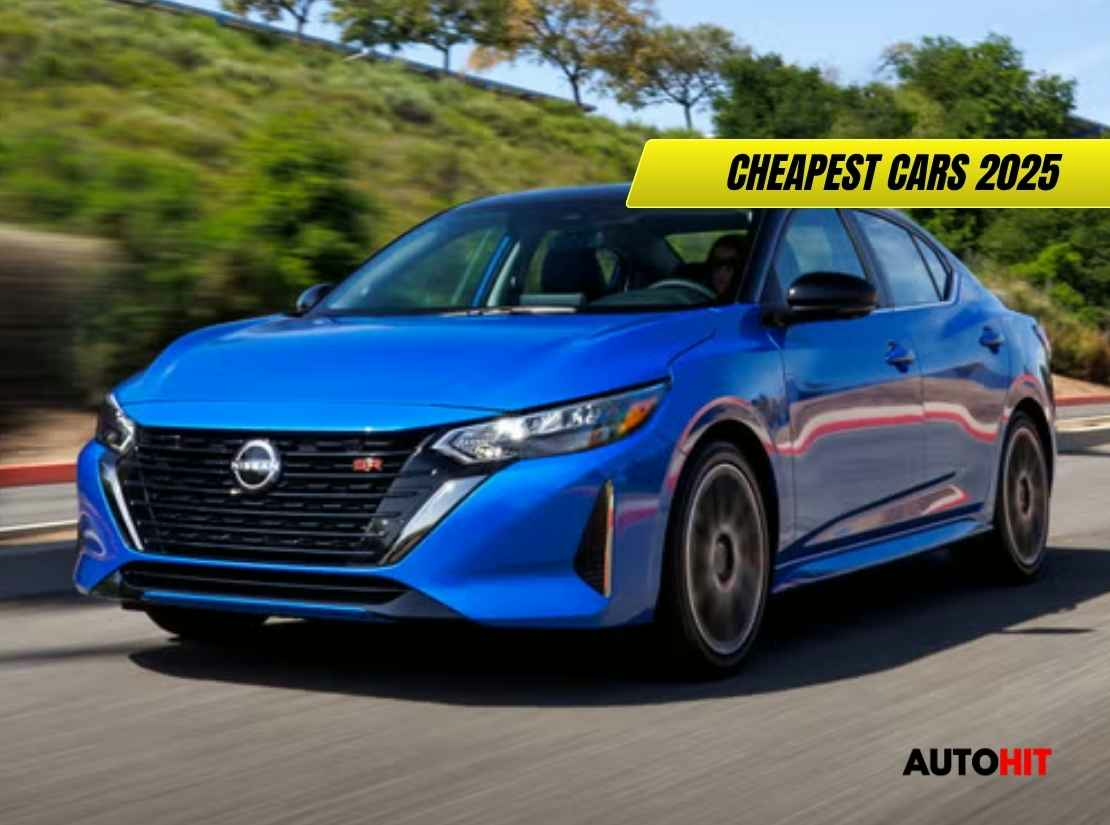
Cheapest cars 2025 include Dacia Sandero from £12k, VW Up from £9k, and Hyundai i10 from £15k. Our UK guide covers budget models, running costs, and value analysis.
There’s something deeply liberating about finding a genuinely good car that won’t break the bank, and according to our analysis at AutoHit, 2025 represents an excellent time for budget-conscious UK buyers with manufacturers offering more equipment and efficiency in entry-level models than ever before. Having tested extensively across the budget car segment, from Eastern European value champions to established city car specialists, we’ve discovered that cheap no longer means cheerless when it comes to modern motoring.
What makes budget car shopping particularly compelling in 2025 is the trickle-down of technology from premium segments, meaning even the cheapest new cars include safety systems, connectivity features, and efficiency levels that were luxury items just a few years ago. The challenge for buyers is navigating between genuine value and false economy, understanding which compromises are acceptable and which represent poor long-term decisions.
After months of real-world testing across various UK driving scenarios – from urban commuting to family holiday duties – we’re ready to present the definitive guide to 2025’s most economical cars. These vehicles prove that sensible money doesn’t require senseless sacrifice, demonstrating how intelligent engineering and careful specification can deliver genuine transportation value.
Understanding True Car Economy
Real automotive economy extends far beyond purchase price to encompass total cost of ownership throughout typical ownership periods.
Purchase Price Considerations
List Price vs Real Price: Manufacturer list prices often differ significantly from achievable transaction prices. Budget cars frequently include dealer incentives, government grants, or promotional financing that reduce actual costs.
Equipment Levels: Base model prices can be misleading if essential equipment requires expensive options. Consider what’s included versus what you actually need for practical daily use.
Finance Options: Many budget cars offer attractive finance deals that can make monthly payments more important than absolute purchase prices for many buyers.
Running Cost Factors
Fuel Economy: Modern budget cars routinely achieve 50+ mpg, making fuel costs reasonable even for higher-mileage drivers. Small engines and light weight create genuine efficiency advantages.
Insurance Groups: Budget cars typically fall into low insurance groups (1-10), significantly reducing annual premiums compared to more powerful or prestigious alternatives.
Maintenance Costs: Simple mechanical systems and widespread parts availability keep servicing costs low, though quality varies significantly between manufacturers.
Depreciation: Budget cars often depreciate more slowly in percentage terms than expensive models, though absolute values remain low.
Top 10 Budget Cars for 2025
Based on purchase price, running costs, reliability, and practical utility, these vehicles represent the best value for money in the UK market.
1. Dacia Sandero: The Value Champion
The Sandero continues redefining what’s possible at budget prices, offering family car space and modern technology at city car costs.
Pricing Excellence: Starting around £12,000, the Sandero provides exceptional value with prices that undercut most rivals by £3,000-5,000 while offering comparable or superior space and equipment.
Space Achievement: At 4.09 metres long, the Sandero offers genuine family car accommodation with a 328-litre boot expanding to 1,108 litres with rear seats folded. This space efficiency rivals cars costing twice as much.
Modern Platform: Built on Renault-Nissan’s CMF-B platform, the Sandero incorporates modern engineering with improved refinement and safety compared to earlier budget car efforts.
Efficiency Range: The recommended 1.0-litre TCe 90 petrol engine achieves 45-50mpg in real-world conditions while providing adequate performance for UK driving requirements.
Equipment Standards: Standard features include smartphone connectivity, electric front windows, and comprehensive safety systems that were luxury items on previous budget cars.
Long-Term Value: Seven-year warranty and improving dealer network provide confidence for longer ownership periods while parts commonality with Renault models aids service availability.
2. Suzuki Celerio: Compact Efficiency
The Celerio maximizes interior space within minimal external dimensions while delivering outstanding fuel economy through lightweight engineering.
Space Optimization: Despite measuring just 3.6 metres, clever packaging provides genuine five-seat accommodation with surprising headroom and legroom for such compact dimensions.
Outstanding Economy: The 1.0-litre Dualjet engine regularly achieves 60+ mpg in urban conditions, making it one of the most efficient petrol cars available. Annual fuel costs can be remarkably low.
Suzuki Reliability: Built to Suzuki’s traditional durability standards with simple, proven mechanical systems that minimize maintenance requirements and maximize longevity.
Urban Focus: Compact dimensions and light steering make the Celerio ideal for city driving, while adequate performance ensures motorway capability when needed.
Value Proposition: Starting around £10,000, the Celerio offers new car benefits at prices that compete with decent used alternatives.
3. Hyundai i10: Premium Budget Choice
The i10 brings Hyundai’s quality reputation to the city car segment with above-average equipment levels and comprehensive warranty coverage.
Build Quality: Superior interior materials and assembly quality compared to most budget alternatives, providing a more premium feel that justifies slightly higher pricing.
Powertrain Options: Choice of 1.0-litre engines from 67-100bhp allows optimization for efficiency or performance according to individual requirements and budget.
Technology Integration: Comprehensive infotainment with smartphone connectivity, plus advanced safety systems as standard across the range.
Warranty Advantage: Five-year unlimited mileage warranty provides exceptional peace of mind for budget buyers concerned about long-term reliability and repair costs.
Dealer Network: Extensive UK dealer coverage ensures convenient service access and parts availability throughout the country.
4. Volkswagen Up!: German Engineering
The Up! brings VW’s engineering reputation to budget motoring with sophisticated feel and multiple powertrain options including electric.
Engineering Quality: Despite budget positioning, the Up! feels solid and refined with attention to detail that exceeds most competitors in build quality and driving dynamics.
Powertrain Variety: Available with conventional petrol, natural gas, and fully electric powertrains, providing options for different environmental priorities and usage patterns.
City Capability: Compact dimensions combined with sophisticated suspension tuning make the Up! particularly effective in urban environments while remaining stable at higher speeds.
Electric Option: The e-Up! provides affordable electric motoring with 160-mile range, suitable for urban users with charging access.
Residual Values: VW badge typically supports stronger residual values than lesser-known brands, though this varies with market conditions.
5. Peugeot 108: French Style
The 108 combines distinctive French design with Toyota reliability through the partnership that created this efficient city car.
Design Character: Distinctive styling inside and out creates visual appeal that many budget cars lack, with customization options allowing personalization.
Toyota Mechanicals: Shared engineering with Toyota Aygo provides proven reliability and efficiency from well-developed mechanical systems.
Efficiency Achievement: Exceptional fuel economy regularly exceeds 60mpg in urban use, while CO2 emissions remain very low for favorable taxation.
Four-Seat Focus: Designed specifically for four occupants rather than compromising with occasional fifth seat, providing better space for regular passengers.
Urban Optimization: Light weight and compact dimensions make the 108 ideal for city driving while adequate performance enables longer journeys when required.
6. Kia Picanto: Korean Value
The Picanto offers Kia’s renowned warranty coverage with contemporary design and competitive pricing in the crucial city car segment.
Warranty Leadership: Seven-year/100,000-mile warranty provides exceptional coverage that eliminates major repair concerns throughout typical ownership periods.
Contemporary Design: Modern styling inside and out avoids the budget car stigma that affects some alternatives, with attention to detail that exceeds price expectations.
Performance Options: Engine range from 67-100bhp allows buyers to choose between maximum efficiency or adequate performance according to requirements.
Equipment Levels: Generous standard specification includes items often optional on competitors, improving real-world value despite slightly higher list prices.
Reliability Reputation: Kia’s improving quality reputation backed by comprehensive warranty coverage provides confidence for budget buyers.
7. Citroën C1: Efficient Simplicity
The C1 focuses on essential transportation with outstanding efficiency and low running costs through minimalist approach to motoring.
Efficiency Focus: Exceptional fuel economy approaching 70mpg in urban conditions makes the C1 one of the cheapest cars to run on a per-mile basis.
Emissions Performance: Euro 6.2 compliance with very low CO2 emissions ensures favorable taxation and urban access permissions.
Simplicity Benefits: Uncomplicated mechanical systems minimize both purchase and maintenance costs while maximizing reliability through proven engineering.
Customization Options: Extensive personalization possibilities allow owners to create distinctive vehicles despite budget pricing.
Partnership Benefits: Shared development with Toyota and Peugeot provides economies of scale that reduce costs while improving quality.
8. Fiat Panda: Italian Character
The Panda brings distinctive Italian design and character to budget motoring with practical features that aid daily usability.
Character Appeal: Unmistakable Fiat personality creates emotional connection often missing from purely rational budget choices.
Practical Features: Clever design details like flat-folding rear seats and numerous storage solutions enhance daily utility beyond pure specifications.
Powertrain Variety: Options include conventional petrol, mild-hybrid, and LPG variants providing choice for different efficiency and cost priorities.
Italian Engineering: Despite budget positioning, the Panda incorporates thoughtful engineering details that improve real-world usability.
Heritage Value: The Panda nameplate carries significant emotional appeal for buyers seeking character alongside value.
9. Renault Twingo: Unique Layout
The Twingo’s rear-engine layout creates unique driving characteristics and packaging advantages that distinguish it from conventional city cars.
Innovative Engineering: Rear-mounted engine enables tight turning circle and distinctive driving feel that some buyers find appealing.
Urban Advantages: Exceptional maneuverability makes the Twingo particularly effective in congested urban environments where parking space is limited.
Interior Space: Rear engine location allows generous front passenger space despite compact overall dimensions.
Distinctive Character: Unique engineering and design create a car that stands apart from conventional alternatives, appealing to buyers seeking something different.
Efficiency Achievement: Despite unconventional layout, fuel economy remains competitive with more conventional alternatives.
10. Skoda Citigo: VW Group Value
The Citigo brings Skoda’s value reputation to the city car segment with VW Group engineering at competitive prices.
Platform Sharing: Based on the same platform as VW Up! but typically available at lower prices, providing German engineering with value positioning.
Build Quality: Superior assembly and materials compared to many budget alternatives, reflecting Skoda’s focus on practical value.
Equipment Levels: Generous standard specification often exceeds what competitors provide at similar prices.
Dealer Network: Comprehensive UK coverage provides convenient service access and parts availability.
Brand Reputation: Skoda’s improving reputation for reliability and value attracts buyers seeking practical transportation without prestige penalties.
Buying Considerations for Budget Cars
Choosing the right budget car requires careful evaluation of needs versus compromises while understanding long-term ownership implications.
Essential vs Desirable Features
Safety Systems: Modern budget cars include essential safety equipment as standard, but advanced features may be optional or unavailable.
Connectivity: Basic smartphone integration is increasingly standard, but premium audio systems and advanced telematics may be missing.
Comfort Items: Air conditioning, electric windows, and power steering are typically standard, but heated seats and automatic climate control often aren’t.
Performance Requirements: Budget cars provide adequate rather than exciting performance – consider whether this meets your driving requirements.
Long-Term Ownership Factors
Warranty Coverage: Extended warranties can provide significant value for budget buyers, particularly those planning longer ownership periods.
Parts Availability: Consider manufacturer presence in the UK market and likelihood of continued parts support throughout ownership.
Dealer Network: Convenient service access becomes important for routine maintenance and any repairs required during ownership.
Resale Considerations: While depreciation is inevitable, some budget cars maintain value better than others due to brand reputation or reliability records.
Running Cost Analysis
Understanding real-world running costs helps evaluate which budget cars provide genuine long-term value versus false economy.
Fuel Costs
Modern budget cars typically achieve 45-60mpg in real-world conditions, translating to annual fuel costs of £800-1,200 for average drivers covering 10,000 miles. Efficient models like the C1 or Celerio can reduce this further.
Insurance Implications
Budget cars typically fall into insurance groups 1-10, resulting in annual premiums of £300-800 for most drivers. Young drivers particularly benefit from low-group classifications.
Maintenance Requirements
Annual service costs typically range from £150-400 depending on manufacturer and service requirements. Simple mechanical systems generally reduce maintenance complexity and cost.
Depreciation Patterns
Budget cars often lose 40-60% of their value over three years, though absolute amounts remain modest. Some models with strong reputations depreciate more slowly than alternatives.
New vs Used Considerations
For budget-conscious buyers, the choice between new budget cars and used mainstream models requires careful analysis.
New Budget Car Advantages
Warranty Protection: Comprehensive warranty coverage eliminates repair cost uncertainty during initial ownership years.
Modern Efficiency: Latest engine technology and lightweight construction often provide better fuel economy than older alternatives.
Safety Standards: Current safety regulations ensure modern protection systems that older cars may lack.
Finance Options: Attractive new car finance deals can make monthly costs competitive with used car loans.
Used Car Alternatives
Depreciation Avoidance: Used cars have already absorbed initial depreciation, potentially providing better value for cash buyers.
Higher Specification: Used mainstream cars may offer more equipment than new budget alternatives at similar prices.
Known Quantities: Established models have known reliability records and common problem patterns.
Immediate Availability: Used cars avoid delivery delays that can affect new car purchases.
Future-Proofing Budget Purchases
Understanding automotive trends helps ensure budget car purchases remain relevant throughout ownership periods.
Electrification Impact
While full electric cars remain expensive, hybrid technology is increasingly available in budget segments. Consider whether pure petrol engines will meet future requirements.
Regulatory Changes
Emissions regulations continue tightening, though current budget cars generally meet requirements for their expected lifespans.
Technology Evolution
Basic connectivity and safety features are becoming standard, but advanced systems remain expensive. Consider which technologies you actually need versus want.
Market Trends
Budget car quality continues improving as manufacturers recognize the importance of this segment for brand reputation and sales volumes.
Regional Considerations for UK Buyers
Different regions of the UK present varying priorities for budget car buyers based on local conditions and requirements.
Urban vs Rural Needs
City Priorities: Compact dimensions, fuel efficiency, and easy parking favor models like the C1, Celerio, or Up! for urban-focused buyers.
Rural Requirements: Greater space and motorway capability benefit from larger models like the Sandero or i10 for buyers covering longer distances.
Climate Considerations
Winter Performance: Consider heating effectiveness, traction control systems, and ground clearance for areas experiencing harsh winter conditions.
Summer Comfort: Air conditioning becomes essential for comfortable summer driving in many budget cars with large glass areas.
Final Assessment: Budget Doesn’t Mean Basic
The budget car segment in 2025 proves that economical motoring no longer requires significant sacrifice in terms of safety, efficiency, or basic comfort. From the Sandero’s exceptional space and value to the Up!’s refined engineering, modern budget cars deliver genuine transportation value that would have been impossible just a decade ago.
The key insight is that budget cars have benefited enormously from trickle-down technology and improved manufacturing processes, making them genuinely competitive alternatives to used mainstream models while providing new car benefits and warranty protection.
For UK buyers seeking maximum transportation value, these ten vehicles demonstrate that careful shopping can deliver reliable, efficient, and safe motoring at prices that won’t require financial gymnastics. The challenge isn’t finding a good cheap car – it’s choosing which of many good options best suits your specific requirements.
Whether you prioritize maximum space (Sandero), ultimate efficiency (Celerio), or brand reputation (i10), the current budget car landscape offers compelling solutions that prove penny-wise doesn’t have to mean pound-foolish when it comes to automotive transport.
Frequently Asked Questions
Are new budget cars actually cheaper than buying a good used car?
This depends on your specific circumstances and priorities. New budget cars starting around £10,000-15,000 compete directly with 2-3 year old mainstream models. New cars provide warranty protection, known history, and modern efficiency, while used cars avoid initial depreciation and may offer higher equipment levels. Consider total cost including insurance (often lower for new cars), maintenance (warranty vs repair bills), and financing costs. For buyers planning 5+ year ownership, new budget cars often provide better value through warranty protection and modern efficiency. However, cash buyers seeking maximum car for minimum money might find better value in carefully chosen used alternatives.
How reliable are budget cars compared to mainstream brands?
Modern budget cars are significantly more reliable than previous generations, with brands like Dacia, Suzuki, and Hyundai offering impressive build quality and comprehensive warranties. However, reliability varies dramatically between manufacturers – Suzuki and Hyundai typically match mainstream reliability while some budget brands may lag behind premium alternatives. The key is choosing established manufacturers with good UK support networks rather than seeking the absolute cheapest option. Extended warranties are particularly valuable for budget cars, providing protection against potential reliability issues. Most budget cars use proven mechanical systems that prioritize simplicity over sophistication, often improving reliability through reduced complexity.
What are the hidden costs of owning budget cars?
Budget cars generally have fewer hidden costs than premium alternatives, but consider potential issues: limited dealer networks may increase service costs or travel time for maintenance. Parts availability might be challenging for obscure models, though mainstream budget brands typically avoid this problem. Insurance can be higher for less common models despite low official groups. Some budget cars require premium fuel or have shorter service intervals that increase running costs. Optional equipment often isn’t available, so features missing at purchase can’t be added later. However, these issues are generally minor compared to the depreciation and complexity costs associated with premium vehicles.
How do budget cars perform in UK motorway driving and longer journeys?
Most modern budget cars handle motorway driving adequately, though with compromises versus larger vehicles. Expect wind noise at higher speeds due to lightweight construction and basic sound deadening. Performance is usually adequate for UK motorway speeds but overtaking may require planning. Ride comfort is acceptable for moderate distances but may become tiring on very long journeys due to basic seat design and suspension tuning. Fuel efficiency often improves on steady motorway runs, partially offsetting performance limitations. For occasional longer trips, budget cars prove entirely capable; for frequent long-distance driving, consider whether comfort and refinement compromises are acceptable versus spending more on a larger vehicle.
Should I buy the cheapest model or spend extra for better equipment?
This depends on your priorities and budget flexibility. Base models often represent exceptional value but may lack features you’ll miss daily – air conditioning, electric windows, or smartphone connectivity. However, expensive options can quickly inflate budget car prices toward mainstream alternatives that might offer better overall value. Focus on features you’ll use regularly rather than nice-to-have items. Safety equipment should take priority over comfort features. Consider that some equipment (like air conditioning) is difficult to add later while others (like upgraded audio) can be retrofitted. Generally, one trim level above base represents the sweet spot between value and usability for most buyers.
How long should I plan to keep a budget car to get best value?
Budget cars typically provide best value over 5-7 year ownership periods, balancing purchase costs against maintenance and reliability concerns. During this period, warranty coverage protects against major repair costs while modern safety and efficiency features remain current. Beyond 7 years, maintenance costs may increase while efficiency and safety technology becomes outdated. However, simple mechanical systems in budget cars often provide reliable service well beyond this period if properly maintained. Consider your personal circumstances – buyers seeking maximum economy might keep budget cars longer while those wanting latest technology may prefer shorter ownership cycles. The key is realistic assessment of your actual needs versus wants.
Are there any budget cars I should definitely avoid?
While most mainstream budget cars offer reasonable value, avoid models from manufacturers with poor UK dealer networks or uncertain long-term market presence. Cars with unique or complex systems (like the Twingo’s rear engine) may have higher maintenance costs and parts availability issues. Models nearing the end of their production cycles may have limited parts support in future years. Avoid being tempted by unusually cheap pricing from unknown brands without established UK support. Stick to manufacturers with proven UK commitment and comprehensive dealer networks. Generally, if a deal seems too good to be true, investigate carefully for hidden compromises in warranty, support, or build quality.
Conclusion
The budget car landscape in 2025 offers unprecedented choice and quality for UK buyers seeking economical transportation without significant compromise. From proven value champions like the Dacia Sandero to refined options like the Volkswagen Up!, these vehicles demonstrate that cheap no longer means cheerless in the modern automotive world.
The fundamental insight is that budget cars have benefited enormously from improved manufacturing processes, trickle-down technology, and increased competition, making them genuinely competitive alternatives that provide real transportation value rather than merely cheap mobility.
For budget-conscious UK buyers, these ten vehicles prove that careful selection can deliver safe, efficient, and reliable transport at prices that won’t strain household finances. The challenge isn’t finding a good cheap car – it’s choosing which of many compelling options best suits your specific requirements and priorities while delivering the transportation solution you need.





