
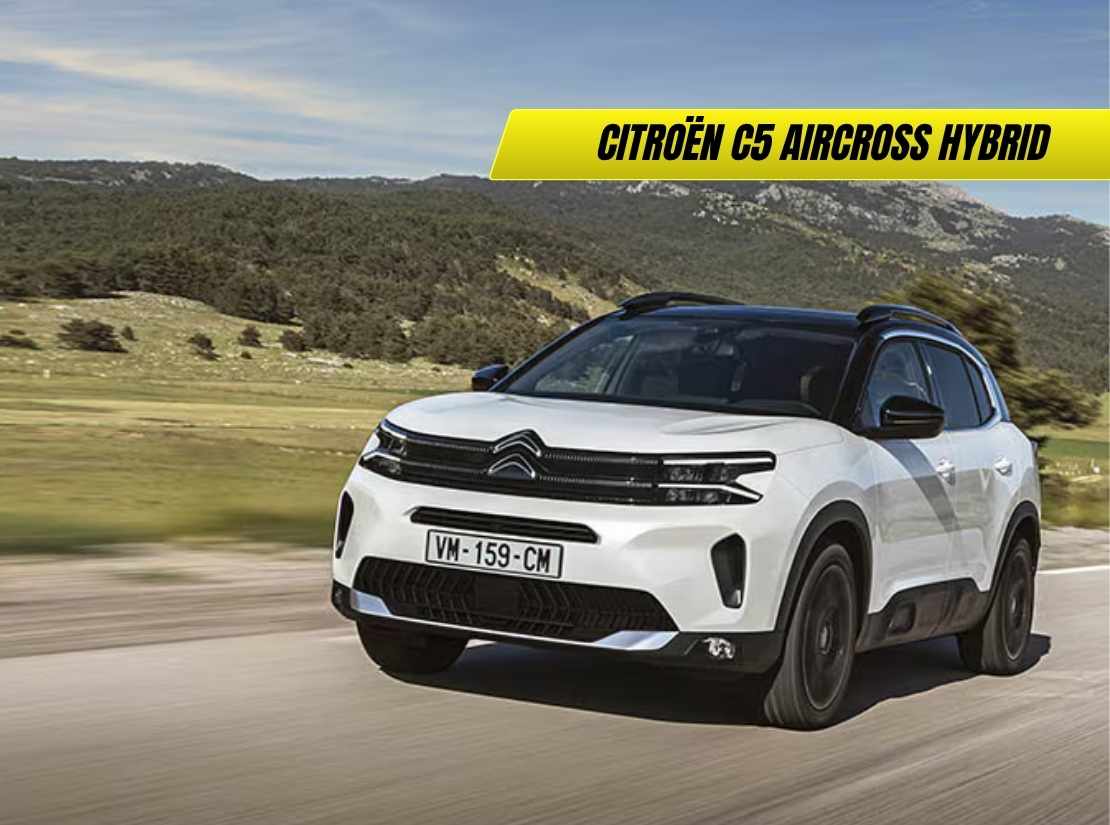
Complete guide to the Citroën C5 Aircross Hybrid for UK families. Discover pricing, real-world efficiency, comfort features, and why this French SUV stands out in Britain’s competitive family car market.
The family SUV market in Britain has become intensely competitive, with seemingly every manufacturer offering their interpretation of the perfect school-run vehicle. Into this crowded space steps the Citroën C5 Aircross Hybrid, a French alternative that prioritises comfort and practicality over the sportiness that dominates many rivals’ marketing messages.
According to our analysis at AutoHit, the C5 Aircross represents Citroën’s commitment to doing things differently in a segment where conformity often rules. While competitors chase dynamic handling and aggressive styling, the French manufacturer has doubled down on what actually matters for family life: exceptional comfort, genuine practicality, and running costs that make sense for real-world budgets. We’ve tested enough family SUVs to know that this philosophy can create genuinely appealing vehicles for drivers who value substance over style.
The reality is that most family SUVs spend their lives navigating urban traffic, carrying shopping, and transporting children to various activities – scenarios where comfort and efficiency matter far more than cornering ability. The C5 Aircross Hybrid understands this, offering a driving experience that prioritises passenger comfort and fuel efficiency over sporting pretensions that few owners will ever exploit.
Key Highlights:
- Comfort Focus: Progressive Hydraulic Cushions suspension system provides exceptional ride quality, wafting over road imperfections that would upset rivals
- Practicality Champion: Three individual sliding rear seats, 460-600 litre boot capacity, and thoughtful storage solutions throughout the cabin
- Hybrid Efficiency: Plug-in hybrid offers up to 34-41 miles electric range with combined system output of 225PS, while mild-hybrid provides improved efficiency at lower cost
- Value Proposition: UK pricing starts under £30,000 for petrol models, with hybrids from £35,000 – competitive against premium German rivals
- Technology Integration: 12.3-inch digital instruments and 10-inch central touchscreen with smartphone integration and charging management
- Safety Standards: Five-star Euro NCAP rating when equipped with UK-standard safety kit, comprehensive driver assistance systems included
Understanding the C5 Aircross Hybrid Range
The C5 Aircross offers two distinct hybrid approaches for UK buyers, each targeting different usage patterns and budgets. The plug-in hybrid combines a 1.6-litre PureTech petrol engine with an electric motor, producing a combined 225PS while offering genuine electric-only capability for urban driving.
The mild-hybrid alternative uses a 1.2-litre PureTech engine with 48V assistance, providing improved efficiency at a significantly lower purchase price. This system offers hybrid benefits without the complexity and cost of plug-in technology, making it accessible to buyers who want efficiency improvements without changing their driving routines.
Both systems use sophisticated eight-speed automatic transmissions that prioritise smoothness over sportiness, perfectly matching the C5 Aircross’s comfort-focused character. The transmission tuning emphasises efficiency and refinement rather than rapid gear changes, supporting the vehicle’s relaxed driving experience.
Plug-in Hybrid Technology Explained
The plug-in hybrid system combines a 1.6-litre PureTech engine producing 181PS with an 81.3kW electric motor, supported by a 13.2kWh lithium-ion battery. This configuration allows the C5 Aircross to operate in pure electric mode for typical urban journeys while providing petrol backup for longer distances.
Electric range reaches 55km (approximately 34 miles) under WLTP testing conditions, though real-world performance varies with driving style, temperature, and terrain. For UK families with daily commutes under 30 miles, this electric capability could eliminate petrol consumption entirely for routine journeys.
The system includes an innovative E-Save mode that allows drivers to preserve battery charge for urban areas, automatically managing energy to ensure electric power remains available when needed most. This feature proves particularly valuable for drivers approaching city centres where electric operation provides both efficiency and environmental benefits.
Real-World Performance and Efficiency
In real-world testing, the plug-in hybrid achieves around 40mpg on longer journeys once the electric range is exhausted, with significantly better efficiency when the battery charge is maintained. This performance represents typical plug-in hybrid behaviour, excelling on shorter journeys while reverting to conventional petrol consumption on extended drives.
The mild-hybrid system offers more consistent efficiency across different journey types, with real-world testing showing approximately 37mpg in mixed driving conditions. While this doesn’t match the spectacular claimed figures of the plug-in system, it provides reliable efficiency without range anxiety or charging requirements.
Urban driving represents where both hybrid systems excel, with the plug-in offering silent, emission-free operation in city centres, while the mild-hybrid provides seamless assistance during stop-start traffic. Both systems demonstrate their efficiency advantages most clearly in the congested urban environments where many UK families spend most of their driving time.
Charging Infrastructure and Home Installation
Charging times range from 1 hour 45 minutes using a 7.4kW wallbox to 5 hours 45 minutes using a standard domestic socket. These charging speeds make the C5 Aircross practical for home charging, particularly for households with overnight parking and standard domestic electrical supplies.
The vehicle includes smart charging features that allow owners to schedule charging during off-peak electricity periods, potentially reducing running costs further. The smartphone app integration enables remote monitoring and control of charging sessions, useful for maximising efficiency and minimising costs.
For UK drivers without home charging access, the plug-in hybrid can operate effectively as a conventional hybrid, though this negates many of the efficiency and cost benefits that justify the higher purchase price. The mild-hybrid alternative often makes more sense for drivers without reliable charging infrastructure.
UK Market Positioning and Competition
The C5 Aircross competes directly with established family SUVs including the Skoda Karoq, Peugeot 3008, Hyundai Tucson, and Nissan Qashqai, offering a distinctly different approach to this highly competitive segment. Where rivals often emphasise sporty handling or premium materials, Citroën focuses on comfort and practical functionality.
Fleet sales data shows the challenge facing the C5 Aircross, with only 441 true fleet sales in 2024 compared to over 14,000 for the Kia Sportage and 11,000 for the Nissan Qashqai. This relatively low volume reflects both Citroën’s smaller UK presence and the conservative nature of fleet buyers who often favour established models.
However, this market position also creates opportunities for private buyers seeking something different from the mainstream choices. The C5 Aircross offers genuine alternatives to the conventional family SUV formula, particularly for drivers who prioritise comfort and efficiency over brand prestige or sporting pretensions.
Value Analysis Against Premium Alternatives
With hybrid models starting around £35,000, the C5 Aircross competes with entry-level versions of premium German SUVs like the Audi Q3 and BMW X1. The Citroën offers significantly more equipment and space for similar money, though it lacks the badge appeal and residual values of the German alternatives.
For budget-conscious families, the C5 Aircross provides SUV capability and hybrid efficiency at prices that compete with well-equipped conventional family cars. This value proposition becomes particularly compelling when considering the total cost of ownership including fuel savings and potential tax benefits.
The equipment levels across the C5 Aircross range represent excellent value, with even basic models including LED headlights, 18-inch alloy wheels, and comprehensive safety systems that often cost extra on rivals. This generous specification helps justify the competitive pricing against more established alternatives.
Interior Space and Practical Design
The C5 Aircross’s greatest strength lies in its interior versatility, with three individual rear seats that can slide, recline, and fold independently. This configuration provides exceptional flexibility for families with varying passenger and cargo requirements, allowing optimisation for comfort or storage as needed.
Boot capacity ranges from 460 litres with all seats in use to 600 litres with the rear seats folded, providing excellent storage for family needs. These figures compare favourably with rivals while maintaining the flexibility of the individual seat configuration that many competitors cannot match.
The cabin design emphasises comfort and ease of use over flashy technology, with intuitive controls and generous storage throughout. The driving position sits relatively high, providing excellent forward and side visibility, though rear visibility is somewhat limited by the rising window line.
Technology and Connectivity Features
The infotainment system centres on a 10-inch touchscreen with smartphone integration, providing access to navigation, entertainment, and hybrid system monitoring. The interface prioritises simplicity over complexity, though some rivals offer more sophisticated graphics and faster response times.
Digital instrumentation provides comprehensive information about the hybrid system’s operation, including energy flow, battery status, and efficiency monitoring. This transparency helps drivers understand and optimise their vehicle’s performance, particularly valuable for plug-in hybrid owners learning to maximise electric operation.
Climate control, seating adjustments, and audio controls retain physical buttons and switches, avoiding the frustrating touch-only interfaces that affect some modern vehicles. This practical approach reduces driver distraction and improves usability, particularly during winter months when gloves make touchscreen operation difficult.
Comfort and Ride Quality Focus
The C5 Aircross’s signature feature is its Progressive Hydraulic Cushions suspension system, which provides exceptional ride comfort by absorbing road imperfections that would upset conventional suspension setups. This technology represents genuine innovation in the family SUV segment, delivering comfort levels that exceed many premium alternatives.
The suspension tuning prioritises passenger comfort over dynamic handling, resulting in a pillowy ride that wafts over most road surfaces without the fidget experienced in sportier rivals. For families prioritising comfort during long journeys or daily commutes, this represents a significant advantage over competitors that sacrifice ride quality for handling prowess.
The trade-off comes in dynamic handling, where the C5 Aircross feels less composed during enthusiastic cornering compared to rivals like the Mazda CX-5 or Ford Kuga. However, for the vast majority of family driving scenarios, the comfort benefits far outweigh any dynamic limitations.
Seating Comfort and Ergonomics
The front seats draw particular praise for their armchair-like comfort, providing excellent support for long journeys while avoiding the excessive bolstering that can become uncomfortable during extended drives. This seating philosophy extends throughout the cabin, with rear passengers benefiting from generous space and comfortable seating positions.
The individual rear seat configuration allows passengers to find their optimal seating position, while the sliding mechanism provides flexibility between passenger comfort and boot space. This versatility proves particularly valuable for families with children of different ages who require different seating arrangements.
Driving position adjustment accommodates a wide range of driver sizes, with the seat, steering wheel, and pedals aligning properly to avoid the skewed seating positions that affect some SUVs. The generous armrests and sensible control placement reduce fatigue during longer journeys, supporting the vehicle’s long-distance comfort credentials.
| Aspect | C5 Aircross Hybrid | Nissan Qashqai | Peugeot 3008 | Skoda Karoq | Our Take |
|---|---|---|---|---|---|
| Starting Price | £28,380 | £27,695 | £29,200 | £28,040 | Competitive but not cheapest |
| Boot Space | 460-600L | 430-1378L | 520-1482L | 521-1630L | Good capacity, excellent flexibility |
| Electric Range | 34-41 miles | N/A | 37 miles | N/A | Practical for urban use |
| Ride Comfort | Exceptional | Good | Very Good | Good | Clear advantage here |
| Real-world MPG | 37-40+ | 45-50 | 40-45 | 40-45 | Competitive with charging |
Running Costs and Tax Implications
Current UK tax rates charge £195 annually for most C5 Aircross models, with plug-in hybrids qualifying for slightly reduced rates at £170 per year. The removal of hybrid tax incentives in 2025 reduces the financial advantages of electrified powertrains, though plug-in models still benefit from lower company car tax rates for business users.
Company car tax represents where the C5 Aircross hybrid shows its value, with CO₂ emissions of 130g/km placing it in the 31% BIK bracket, resulting in annual tax bills around £2,097 for 20% taxpayers. This compares favourably with equivalent diesel SUVs while providing the efficiency and refinement benefits of hybrid operation.
Fuel costs vary significantly depending on usage patterns, with plug-in hybrid owners who can maintain regular charging seeing substantial savings compared to conventional powertrains. However, drivers without charging access or those making frequent long journeys may find the mild-hybrid or conventional engines more cost-effective overall.
Insurance and Maintenance Considerations
Insurance costs for the C5 Aircross typically fall into groups 17-33, representing reasonable premiums for a family SUV with comprehensive safety equipment. The hybrid systems don’t significantly impact insurance costs compared to conventional engines, though repair costs may be higher if hybrid components require attention.
Citroën’s reliability record has improved in recent years, though the brand still ranks in the lower half of manufacturer reliability surveys. The engines used in the C5 Aircross are proven across multiple Stellantis brands, reducing the risk of major powertrain issues.
Hybrid system maintenance typically involves additional service checks of battery and electrical systems, though these don’t significantly increase routine service costs. The plug-in hybrid’s more complex drivetrain may require specialist knowledge for any significant repairs, making dealer servicing advisable despite potentially higher costs.
Weaknesses and Limitations
The C5 Aircross sacrifices dynamic handling for comfort, resulting in considerable body roll and wallowy behaviour during enthusiastic cornering. Drivers seeking engaging handling or sporty driving characteristics will find the Citroën disappointing compared to rivals like the Mazda CX-5 or Ford Kuga.
Depreciation represents a significant concern, with the C5 Aircross showing higher value losses than established competitors. This affects total cost of ownership calculations and may concern buyers worried about resale values, though it creates opportunities in the used car market.
The infotainment system, while functional, lacks the sophistication and response speed of the best rivals’ systems. Graphics quality and menu navigation feel dated compared to systems from Volkswagen Group or Korean manufacturers, though the physical controls compensate for some touchscreen limitations.
Market Position Challenges
The C5 Aircross faces an uphill battle against established fleet favourites, with sales volumes far below mainstream rivals. This lower volume affects dealer network coverage and parts availability, though Citroën’s UK presence remains adequate for most buyers.
The French approach to automotive priorities doesn’t always align with UK buyer preferences, where brand prestige and resale values often influence purchase decisions more than outright practicality or comfort. This cultural difference can make the C5 Aircross appear less appealing despite its objective competence.
Without four-wheel drive availability, the C5 Aircross cannot match rivals that offer all-weather capability. While most SUV buyers never use 4WD systems, the perception of capability remains important in this segment, potentially limiting the Citroën’s appeal to some buyers.
Alternative Considerations for UK Families
For families prioritising dynamic handling and brand prestige, established German alternatives like the Volkswagen Tiguan or Audi Q3 offer more conventional SUV characteristics with stronger residual values. However, these alternatives typically cost significantly more while providing less equipment and space.
Modern hybrid alternatives like the Toyota RAV4 or Honda CR-V provide proven reliability and strong resale values, though neither matches the C5 Aircross’s comfort levels or interior flexibility. The choice often comes down to prioritising reliability and resale value versus comfort and value for money.
For budget-conscious families, the conventional petrol C5 Aircross offers most of the comfort and practicality benefits without hybrid complexity or cost. This version makes particular sense for drivers who cannot access regular charging or whose usage patterns don’t suit plug-in hybrid technology.
Who Should Consider the C5 Aircross Hybrid?
The C5 Aircross Hybrid suits families who prioritise comfort, practicality, and efficiency over brand prestige or sporting dynamics. It’s particularly appealing to drivers who spend significant time in urban traffic or undertaking long family journeys where ride comfort becomes crucial.
Plug-in hybrid versions make most sense for families with predictable daily routines under 30 miles and access to home charging. These buyers can maximise the electric operation benefits while enjoying petrol backup for longer journeys, potentially achieving excellent overall efficiency.
The mild-hybrid alternative suits buyers who want hybrid efficiency benefits without charging infrastructure requirements or the complexity of plug-in technology. This version provides the C5 Aircross’s comfort and practicality advantages with improved efficiency at a more accessible price point.
Frequently Asked Questions
Is the C5 Aircross Hybrid worth the extra cost over the standard petrol version?
This depends heavily on your driving patterns and charging access. The plug-in hybrid costs around £7,000 more than the basic petrol model, which means you need significant fuel savings to justify the premium. If you can charge regularly and have daily journeys under 30 miles, the hybrid pays for itself through fuel savings and potential tax benefits. For predominantly long-distance driving without charging access, the standard petrol version often makes more financial sense.
How does the C5 Aircross compare to the Nissan Qashqai for family use?
The Qashqai has stronger fleet sales and typically better resale values, but the C5 Aircross offers superior comfort and interior flexibility with its three individual sliding rear seats. The Citroën’s ride quality is noticeably better, while the Nissan feels more conventional and dynamically polished. Choose the C5 Aircross if you prioritise comfort and space flexibility; choose the Qashqai for mainstream appeal and proven reliability.
What’s the real-world electric range like in British conditions?
Official figures claim 34-41 miles electric range, but real-world performance varies with temperature, driving style, and terrain. In winter conditions with heating use, expect closer to 25-30 miles, while summer driving might achieve the full claimed range. Urban driving typically maximises electric range, while motorway speeds reduce it significantly. Most UK families find the electric range adequate for daily local journeys.
Are there any major reliability concerns with the hybrid system?
Citroën’s reliability has improved but still ranks in the lower half of manufacturer surveys. The engines are proven across multiple Stellantis brands, reducing powertrain risk. Hybrid systems add complexity but haven’t shown major problems in the C5 Aircross. The main concerns relate to infotainment and electrical systems rather than the hybrid drivetrain itself. Dealer servicing is recommended for hybrid system maintenance.
How does the boot space work with the sliding rear seats?
Boot capacity ranges from 460 litres with seats in their rearmost position to 600 litres with seats folded completely. The sliding mechanism allows you to optimise between passenger comfort and cargo space – slide seats forward for more boot space, or rearward for maximum passenger legroom. This flexibility is unique in the segment and particularly useful for families with varying cargo and passenger requirements.
Is the C5 Aircross suitable for towing?
The C5 Aircross can tow up to 1,650kg when properly equipped, making it suitable for medium-sized caravans or trailers. However, the comfort-focused suspension and CVT-like hybrid transmission aren’t ideal for frequent heavy towing. The mild-hybrid version is better suited to regular towing than the plug-in hybrid, which adds weight and complexity. Consider alternatives like the Ford Kuga or Skoda Karoq if towing is a priority.
How does it handle on motorways compared to rivals?
The C5 Aircross excels at motorway cruising with excellent ride comfort and good refinement, though wind noise can be noticeable at higher speeds. The comfort suspension absorbs road imperfections well, making long journeys pleasant for all passengers. However, the soft suspension setup means it feels less stable in crosswinds compared to more conventional rivals. The hybrid system works well for motorway cruising once you’ve used the electric range.
Conclusion
The Citroën C5 Aircross Hybrid represents a thoughtful alternative in the competitive family SUV market, prioritising the comfort and practicality that actually matter for family motoring over the sporting pretensions that dominate much of the competition’s marketing. For UK families seeking something different from the mainstream choices, it offers genuine advantages that extend beyond mere specification sheets.
The key insight from our analysis is that the C5 Aircross succeeds by focusing on real-world family priorities rather than trying to be all things to all buyers. The exceptional ride comfort, interior flexibility, and thoughtful hybrid systems create a vehicle that excels in the scenarios where most family SUVs actually operate – urban commuting, school runs, and long-distance family journeys.
However, success in the UK market requires more than objective competence, and the C5 Aircross faces challenges from its relatively low brand profile and unconventional approach to SUV design. For families open to alternatives to mainstream choices, it offers compelling value and genuinely different priorities that may better match their actual needs.
The hybrid systems add genuine value for appropriate usage patterns, though the plug-in version requires careful consideration of charging access and daily driving requirements to justify its premium. The mild-hybrid alternative provides a more accessible entry point to electrified motoring without the complexity or infrastructure requirements of plug-in technology.
For UK drivers prioritising comfort, practicality, and efficiency over brand prestige or dynamic handling, the C5 Aircross Hybrid deserves serious consideration. It demonstrates that there’s still room for innovation and different approaches in the family SUV segment, provided buyers are willing to look beyond the established choices that dominate sales charts but may not best serve their actual requirements.
Complete guide to the Citroën C5 Aircross Hybrid for UK families. Discover pricing, real-world efficiency, comfort features, and why this French SUV stands out in Britain’s competitive family car market.





