
Staring at a dashboard warning light that looks like an exhaust pipe with dots coming out of it while stuck in London traffic represents a moment of automotive anxiety familiar to millions of UK diesel drivers. That innocent-looking symbol indicates your DPF (Diesel Particulate Filter) needs attention, and ignoring it could lead to repair bills exceeding £3,500 or even complete engine failure costing up to £10,000.
Having diagnosed countless DPF-related issues across our test fleet at AutoHit, we’ve witnessed how this essential emissions technology can transform from invisible background operation to expensive headache when misunderstood or neglected. The reality is that virtually every diesel car sold in the UK since 2009 includes DPF technology, making understanding these systems crucial for the estimated 12 million British diesel drivers.
The challenge lies in the fact that DPFs require specific driving patterns to function correctly – patterns that don’t always align with modern UK driving habits. Short urban journeys, stop-start traffic, and the increasing popularity of diesel cars for city driving create the perfect conditions for DPF problems that can escalate from minor inconvenience to major expense within weeks.
Understanding how DPFs work, recognising warning signs, and knowing how to maintain them properly has become essential knowledge for UK diesel ownership, particularly as MOT regulations since 2014 make DPF functionality mandatory for roadworthiness certification.
Key Highlights: Essential DPF Facts for UK Diesel Drivers
• Mandatory Fitment: All diesel cars sold in UK since September 2009 must have DPF systems to meet Euro 5 emissions standards, with removal being illegal and punishable by £1,000 fines • Regeneration Requirements: DPFs need regular 30-50 minute motorway drives at sustained speeds to complete automatic cleaning cycles and prevent blockages • Cost Implications: Professional DPF cleaning costs £85-500, replacement ranges £1,000-3,500, while ignoring problems can lead to engine damage exceeding £10,000 • MOT Testing: Since February 2014, DPF presence and functionality form part of UK MOT testing, with missing or obviously tampered filters causing immediate failure • Urban Driving Risks: Short journeys under 15 minutes and stop-start city driving prevent proper regeneration, making DPFs unsuitable for purely urban diesel use • Warning Signs: Reduced performance, increased fuel consumption, black exhaust smoke, and dashboard warning lights indicate DPF problems requiring immediate attention
Understanding DPF Technology: How Diesel Particulate Filters Actually Work
The DPF represents one of the most sophisticated emissions control technologies fitted to modern vehicles, designed to capture and eliminate the fine particulate matter that gives diesel engines their characteristic black exhaust smoke under acceleration.
Physical Construction and Operation
Filter Design and Materials
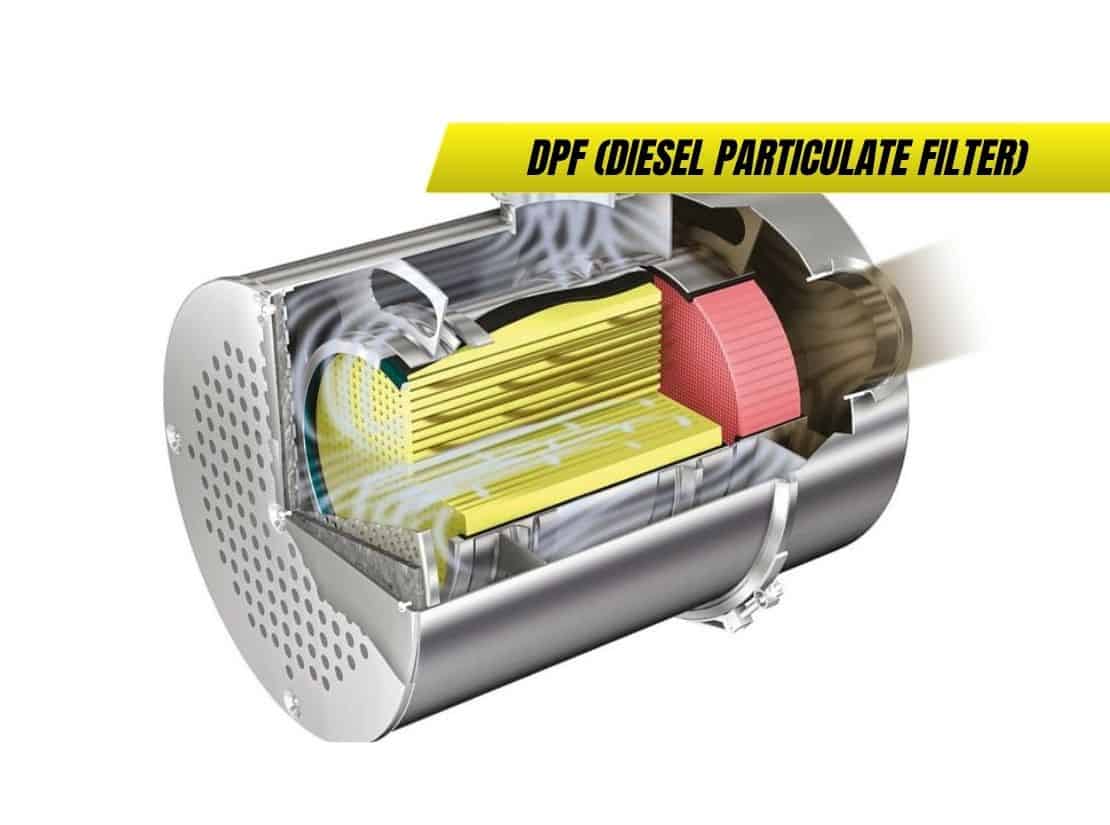
DPFs consist of ceramic honeycomb structures made from silicon carbide, featuring thousands of tiny cells that create a maze-like path for exhaust gases. The filter’s porous walls trap particulate matter while allowing gases to pass through, gradually accumulating soot that must be periodically burned off.
The physical positioning varies between manufacturers, with some installing DPFs close to the engine to benefit from higher exhaust temperatures, while others mount them further downstream in the exhaust system where space constraints are less restrictive.
Modern DPFs can capture approximately 80% of particulate matter produced by diesel combustion, dramatically reducing the harmful PM10 particles that contribute to respiratory health problems and urban air quality issues.
Regeneration Process: The Self-Cleaning Mechanism
Passive Regeneration: Natural Cleaning
Passive regeneration occurs automatically during normal driving when exhaust temperatures reach approximately 400°C, hot enough to burn off accumulated soot particles. This typically happens during motorway driving at sustained speeds above 40mph for 15-30 minutes.
The process is completely automatic and usually unnoticeable to drivers, occurring roughly every 300-500 miles depending on driving conditions and vehicle usage patterns. Urban driving rarely generates sufficient exhaust temperatures for passive regeneration, creating the primary source of DPF problems.
Active Regeneration: Computer-Controlled Cleaning
When passive regeneration cannot occur naturally, the engine management system initiates active regeneration by injecting additional fuel into the exhaust system to raise temperatures artificially. This process typically takes 5-10 minutes and may be noticeable through slightly altered engine sounds or increased fuel consumption.
Active regeneration requires at least quarter of a tank of fuel to operate safely and will be cancelled if the vehicle is switched off mid-cycle, potentially leading to incomplete cleaning and progressive filter clogging.
DPF vs FAP Technology Differences
Additive-Based Systems (FAP)
Some vehicles, particularly those from PSA Group (Peugeot, Citroën), use FAP (Filtre à Particules) systems that rely on Eolys cerium-based additives to reduce the temperature required for regeneration. These systems inject measured amounts of additive into the fuel tank, requiring periodic refilling at service intervals.
Additive-based systems can regenerate at lower exhaust temperatures (around 450°C vs 600°C for additive-free systems) but add complexity and ongoing costs for additive replacement every 80,000-120,000 miles.
Additive-Free Systems (DPF)
Most modern vehicles use additive-free DPF systems that rely purely on elevated exhaust temperatures for regeneration. While these systems require higher temperatures, they eliminate the need for additive maintenance and associated costs.
The choice between systems reflects manufacturer engineering priorities, with both approaches achieving similar emissions reduction when properly maintained and operated.
UK Legal Framework and MOT Requirements
Understanding the legal obligations surrounding DPF systems helps drivers appreciate why proper maintenance is essential and why removal represents a serious offence with significant consequences.
Emissions Legislation and Enforcement
Euro Standards Compliance
The introduction of Euro 5 emissions standards in September 2009 effectively mandated DPF fitment for all new diesel cars, with subsequent Euro 6 regulations further tightening particulate matter limits. These standards form part of UK law and removing DPF systems constitutes a violation of environmental protection legislation.
Enforcement includes both MOT testing requirements and potential roadside checks by DVSA enforcement officers who can issue immediate penalties for vehicles found to be operating without required emissions equipment.
Penalty Structure for Non-Compliance
Removing or disabling DPF systems carries penalties of up to £1,000 for cars and £2,500 for vans, reflecting the serious nature of emissions regulation violations. These fines can be issued independently of MOT testing and may be accompanied by vehicle prohibition notices preventing further use until compliance is restored.
Insurance implications often prove more serious than direct penalties, with modified vehicles potentially invalidating cover and leaving drivers liable for substantial costs in the event of accidents or third-party claims.
MOT Testing Requirements Since 2014
DPF Inspection Procedures
Since February 2014, MOT testing includes specific DPF checks designed to identify missing, obviously damaged, or tampered filters. Testers examine DPF housings for physical presence and look for signs of removal or bypassing through visual inspection.
Warning lights related to DPF systems constitute automatic MOT failures, as they indicate system malfunctions that affect emissions compliance. This includes both DPF-specific warnings and general engine management lights triggered by DPF problems.
Detection Methods and Challenges
While visual inspection can identify obvious DPF removal, detecting subtle tampering or internal gutting remains challenging without sophisticated diagnostic equipment. However, vehicles with removed or significantly damaged DPFs often exhibit characteristic exhaust smoke patterns and sound signatures that experienced testers can recognise.
The smoke opacity test remains part of MOT procedures, though it may not always detect DPF problems in vehicles that have been professionally remapped to hide symptoms while still emitting excessive particulates.
Common DPF Problems and Warning Signs
Recognising early symptoms of DPF problems enables prompt intervention that can prevent minor issues escalating into expensive repairs or complete system failure.
Dashboard Warning Indicators
DPF Warning Light Interpretation
The DPF warning light typically appears as an exhaust pipe symbol with dots or particles, often accompanied by text messages advising drivers to continue driving to complete regeneration cycles. Initial amber warnings indicate the filter requires regeneration but normal driving should resolve the issue.
Red warnings or persistent lights after attempted regeneration suggest more serious problems requiring professional diagnosis and intervention. Some vehicles display countdown messages showing remaining miles before forced regeneration becomes necessary.
Related Warning Systems
DPF problems often trigger additional warning lights including engine management lights, exhaust temperature warnings, and reduced power mode indicators. These multiple warnings reflect the interconnected nature of modern emissions systems where DPF issues can affect overall engine operation.
Fuel level warnings during regeneration attempts indicate insufficient fuel for safe completion of the cleaning cycle, requiring immediate refuelling before continuing attempts to clear the filter.
Performance and Drivability Symptoms
Power Reduction and Limp Mode
Severely clogged DPFs trigger protective modes that limit engine power to prevent further damage, often referred to as “limp home mode” or “restricted performance mode.” These modes may limit speeds to 30-40mph and prevent normal acceleration, making the vehicle unsuitable for motorway use.
Progressive power loss over weeks or months often indicates gradual DPF clogging that hasn’t yet triggered warning systems but affects engine breathing and overall performance.
Fuel Economy and Emissions Changes
Blocked DPFs increase back-pressure in the exhaust system, forcing engines to work harder and consume more fuel. Drivers often notice 10-20% increases in fuel consumption alongside performance reductions.
Visible black smoke from the exhaust, particularly under acceleration, indicates particulate matter bypassing or overwhelming the DPF system and suggests immediate professional attention is required.
Engine Behaviour Anomalies
Frequent regeneration attempts create noticeable changes in engine behaviour including altered idle speeds, cooling fan operation after parking, and occasionally detectable exhaust odours during cleaning cycles.
Rough idling, hesitation during acceleration, and unusual engine noises can all indicate DPF-related problems affecting overall engine management system operation.
Maintenance Strategies and Prevention
Proper DPF maintenance requires understanding how driving patterns affect filter operation and adjusting habits to ensure regular regeneration opportunities.
Driving Pattern Optimisation
Motorway Regeneration Drives
The most effective DPF maintenance involves regular motorway or A-road driving at sustained speeds above 40mph for 30-50 minutes. This allows passive regeneration to occur naturally and prevents accumulation of soot that requires active intervention.
Weekly longer journeys prove more beneficial than daily short trips, with the ideal pattern including at least one sustained drive per week combined with occasional longer motorway journeys for thorough system cleaning.
Urban Driving Considerations
Pure urban diesel ownership, particularly for vehicles used exclusively for short journeys under 15 minutes, creates conditions almost guaranteed to cause DPF problems. The technology simply wasn’t designed for constant stop-start urban use without regular high-temperature operation.
Drivers unable to provide regular longer journeys should consider whether diesel ownership suits their needs, as forced regenerations and professional cleaning become inevitable and expensive necessities.
Fuel Quality and Additives
Premium Fuel Benefits
Higher quality diesel fuels with advanced additive packages can reduce particulate production and help maintain cleaner combustion, potentially extending DPF service life and reducing regeneration frequency.
However, fuel quality improvements cannot overcome fundamental mismatch between driving patterns and DPF requirements – regular high-temperature operation remains essential regardless of fuel grade used.
DPF Cleaning Additives
Various aftermarket additives claim to assist DPF maintenance by reducing regeneration temperatures or providing additional cleaning agents. While some products show laboratory benefits, their real-world effectiveness varies significantly and cannot substitute for proper driving patterns.
Professional advice generally recommends focusing on appropriate driving habits rather than relying on additives, though some products may provide marginal benefits when used alongside proper maintenance practices.
Service Interval Considerations
Manufacturer Service Requirements
DPF-equipped vehicles often require more frequent servicing with specific low-ash oil grades designed to minimise ash accumulation in the filter. Using incorrect oil specifications can accelerate DPF degradation and void warranties.
Service intervals may vary based on driving conditions, with severe service schedules recommended for vehicles used primarily for short journeys or in dusty environments.
Professional System Monitoring
Regular diagnostic checks during servicing can identify developing DPF problems before they cause warning lights or performance issues, enabling preventive intervention that costs significantly less than reactive repairs.
Many modern vehicles log DPF regeneration frequency and success rates, providing valuable data for technicians to assess system health and predict maintenance requirements.
DPF Problems: Diagnosis and Solutions
When DPF warning lights appear or performance issues develop, understanding available solutions helps drivers make informed decisions about repair options and costs.
Professional Diagnostic Procedures
Electronic System Analysis
Modern diagnostic equipment can read DPF pressure sensor data, regeneration history, and accumulated soot levels to determine the extent of blockage and appropriate treatment methods.
Diagnostic fees typically range £50-100 but provide essential information for determining whether cleaning, forced regeneration, or replacement offers the best solution for specific conditions.
Physical Inspection Methods
Visual inspection of DPF housings can reveal external damage, impact marks, or signs of previous removal that might affect system operation. Internal blockage assessment often requires removal and specialised testing equipment.
Professional workshops may use pressure testing or flow measurement to quantify restriction levels and determine whether cleaning can restore adequate performance.
Cleaning and Regeneration Options
Forced Regeneration Procedures
When normal regeneration fails, professional forced regeneration uses workshop equipment to heat the DPF to cleaning temperatures while monitoring pressure and temperature parameters to ensure safe and effective soot burning.
Costs typically range £85-300 depending on complexity and success rates vary from 70-90% depending on blockage severity and accumulated ash levels.
Chemical Cleaning Methods
Some workshops offer chemical cleaning using specialised solvents designed to dissolve accumulated soot and ash deposits that cannot be removed through thermal regeneration alone.
These processes often require DPF removal and may take several hours to complete, with costs ranging £200-500 depending on filter size and contamination levels.
Ultrasonic Cleaning Technology
Advanced cleaning facilities use ultrasonic cleaning combined with chemical treatments to achieve the highest possible restoration levels, though costs increase accordingly and not all filters respond successfully to these methods.
Replacement Considerations
OEM vs Aftermarket Options
Original Equipment Manufacturer (OEM) DPF replacements ensure perfect compatibility and performance but carry premium pricing typically ranging £1,500-3,500 including fitting.
Aftermarket alternatives cost 30-50% less but must meet Type Approval standards and may have different service lives or performance characteristics compared to original equipment.
Labour and Programming Requirements
DPF replacement often requires several hours of labour plus electronic programming to initialise new components and reset system parameters, adding £300-600 to parts costs depending on vehicle complexity.
Some vehicles require software updates or calibration procedures that can only be performed by main dealers, potentially limiting choice of installation facilities and affecting overall costs.
Cost Analysis: DPF Ownership Economics
Understanding the true cost of DPF ownership helps drivers budget appropriately and make informed decisions about maintenance timing and repair options.
Routine Maintenance Costs
Preventive Cleaning Services
Regular professional DPF cleaning every 20,000-40,000 miles costs £85-300 but can significantly extend filter life and prevent expensive emergency repairs.
DIY cleaning kits cost £10-50 but offer limited effectiveness compared to professional services and cannot address fundamental system problems requiring specialist equipment.
Service-Related Expenses
DPF-equipped vehicles require specific low-ash oil grades costing 20-30% more than conventional oils, while service intervals may be reduced for severe operating conditions.
Annual servicing costs typically increase £50-100 for DPF-equipped vehicles compared to equivalent non-DPF models, reflecting both material and diagnostic time requirements.
Emergency Repair Costs
Professional Regeneration Services
Emergency forced regeneration when warning lights appear costs £100-300 and carries success rates of 70-85% depending on blockage severity and system condition.
Failed regeneration attempts often lead to replacement requirements, making early intervention crucial for cost control and system preservation.
Complete System Replacement
DPF replacement represents the highest cost scenario, with total expenses including parts, labour, and programming ranging £1,000-3,500 for most vehicles.
Premium and commercial vehicles can exceed these figures significantly, with some specialist filters costing £5,000+ before labour and additional component requirements.
Long-term Ownership Impact
Depreciation Considerations
Vehicles with known DPF problems suffer accelerated depreciation as buyers avoid potential repair costs, making proper maintenance crucial for value retention.
Conversely, vehicles with documented DPF maintenance history may command premiums in the used market as buyers seek evidence of proper care and reduced future risk.
Insurance and Legal Costs
Removing DPF systems to avoid maintenance costs creates legal liabilities including fines up to £2,500, MOT failures, and insurance invalidation that can exceed proper maintenance costs significantly.
The risk-versus-reward calculation strongly favours maintaining DPF systems rather than attempting removal or modification to avoid ongoing costs.
Regional and Seasonal Considerations for UK Drivers
British driving conditions create specific challenges for DPF operation that differ from continental European patterns, requiring adapted maintenance approaches.
Urban Driving Challenges
London and Major Cities
Stop-start traffic conditions in major UK cities create ideal conditions for DPF problems, with congestion charges and emission zones actually encouraging diesel use in areas where DPF technology struggles most.
The introduction of Ultra Low Emission Zones (ULEZ) ironically promotes diesel vehicles that may suffer DPF problems due to urban operating conditions, creating a conflict between emissions policy and technology limitations.
Rural vs Urban Operating Patterns
Rural drivers with regular access to A-roads and motorways typically experience fewer DPF problems due to driving patterns that naturally provide regeneration opportunities.
Suburban drivers combining urban commuting with occasional longer journeys often find optimal conditions for DPF operation, balancing efficiency benefits with maintenance requirements.
Seasonal and Weather Effects
Winter Operation Challenges
Cold weather increases the time required for engines to reach operating temperatures, potentially delaying or preventing regeneration cycles during short winter journeys.
Increased urban heating and reduced ventilation during winter months make DPF regeneration cycles more noticeable to drivers, though this doesn’t indicate system problems.
Summer Highway Travel
Extended summer holiday journeys provide excellent opportunities for thorough DPF cleaning, often resolving accumulating problems through sustained high-temperature operation.
However, summer traffic congestion can negate benefits if motorway journeys involve extended periods of stop-start driving rather than sustained speeds.
Alternative Technologies and Future Developments
Understanding emerging technologies helps drivers consider long-term implications of DPF ownership and potential alternatives for future vehicle purchases.
Petrol Particulate Filters (GPF)
Expanding Application to Petrol Engines
Euro 6c regulations introduced Gasoline Particulate Filters (GPF) for direct-injection petrol engines, extending particulate filter requirements beyond diesel applications to address increased particulate emissions from modern petrol technology.
GPF systems face similar operational challenges to DPFs but typically require less frequent regeneration due to lower particulate production and different combustion characteristics.
Electric Vehicle Transition
Elimination of Particulate Filter Requirements
Electric vehicles eliminate particulate filter requirements entirely, removing maintenance costs and operational restrictions associated with DPF technology while providing superior urban driving characteristics.
The UK’s commitment to ending new petrol and diesel car sales by 2030 suggests DPF ownership will become increasingly niche, potentially affecting long-term parts availability and specialist service provision.
Hybrid Technology Interim Solutions**
Hybrid powertrains can reduce DPF stress by providing electric assistance during urban driving while maintaining combustion engine capability for longer journeys that enable proper regeneration.
However, plug-in hybrids used primarily in electric mode may suffer similar DPF problems to pure urban diesel use, requiring understanding of both technologies for optimal operation.
DPF FAQ: Essential UK Driver Questions
How often should I take my diesel car on a long drive to clear the DPF?
Ideally, take your diesel car on a motorway or A-road drive for 30-50 minutes at sustained speeds above 40mph at least once per week. This allows passive regeneration to occur naturally and prevents soot accumulation. If you primarily drive in urban areas, consider a longer drive every 300-500 miles or whenever you notice slight changes in performance. The key is sustained speed rather than just distance – sitting in motorway traffic won’t help, but 40 minutes at 50-60mph on dual carriageways will be highly beneficial for DPF health.
What should I do if my DPF warning light comes on?
Don’t panic, but take action promptly. If it’s an amber warning, continue driving normally and plan a longer journey at sustained speeds (40mph+) for 20-30 minutes when safe to do so. Don’t turn off the engine during regeneration as this interrupts the process. If the light becomes red or you notice significant power loss, seek professional help immediately. Never ignore DPF warnings as they escalate quickly from minor inconvenience to expensive repairs. Consult your handbook for vehicle-specific procedures, as some cars provide helpful guidance messages alongside the warning light.
How much does DPF cleaning or replacement actually cost in the UK?
Professional DPF cleaning typically costs £85-300, while forced regeneration services range £100-500 depending on complexity. If replacement becomes necessary, expect £1,000-3,500 including parts and labour for most vehicles, though premium cars can cost significantly more. Emergency breakdown situations often cost more than planned maintenance. It’s worth getting quotes from DPF specialists rather than just main dealers, as specialist workshops often charge 30-50% less while offering equal expertise. Remember that ignoring DPF problems can lead to engine damage costing £5,000-10,000+.
Is it illegal to remove the DPF from my diesel car?
Yes, removing or disabling DPF systems is illegal in the UK, carrying fines up to £1,000 for cars and £2,500 for vans. Beyond direct penalties, removal causes automatic MOT failure (since 2014), invalidates insurance, and may void manufacturer warranties. The savings from avoiding DPF maintenance are quickly offset by legal and practical consequences. Some drivers think they can get away with it, but MOT testers are increasingly experienced at spotting removal signs, and roadside enforcement is becoming more common.
Can short journeys permanently damage my DPF?
Exclusively short journeys (under 15 minutes) can cause DPF problems, but won’t permanently damage the system if you occasionally provide longer drives for regeneration. However, if you only drive short urban journeys for months without any longer trips, progressive clogging will eventually require professional cleaning or potentially replacement. The damage isn’t instant but accumulative. If your driving pattern is purely urban, consider whether diesel ownership suits your needs – petrol or hybrid alternatives might be more appropriate and cost-effective long-term.
How can I tell if my DPF is blocked before the warning light appears?
Early signs include slightly reduced performance, increased fuel consumption (10-15% higher), occasional black smoke during acceleration, and more frequent cooling fan operation after parking. You might notice the car taking longer to warm up or feeling less responsive during overtaking. Some drivers report subtle changes in exhaust smell or engine sound during what might be attempted regenerations. However, these symptoms can be quite subtle, which is why regular longer drives for preventive regeneration are more effective than waiting for problems to develop.
Are there any diesel cars that don’t have DPF problems?
All diesel cars sold in the UK since September 2009 have DPF systems, so the technology is universal rather than optional. However, some manufacturers’ systems are more robust or user-friendly than others. Vehicles designed for commercial use (vans, trucks) often have more tolerant DPF systems, while some manufacturers provide better dashboard guidance during regeneration. The key factor isn’t the brand but the match between your driving pattern and DPF requirements. No diesel car is immune to DPF problems if used exclusively for short urban journeys, regardless of manufacturer or price.
Future-Proofing Considerations and Alternative Options
As the automotive landscape evolves toward electrification, understanding the long-term implications of DPF ownership helps inform vehicle purchasing decisions and maintenance planning.
Market Transition Timeline
ICE Phase-Out Implications
The UK’s 2030 ban on new petrol and diesel car sales will gradually reduce DPF-equipped vehicle populations, potentially affecting specialist service availability and parts supply chains over the next decade.
Existing diesel vehicles will continue operating for 15-20 years beyond 2030, but decreasing volumes may lead to higher service costs and reduced choice of specialist providers.
Technology Development Trends
Manufacturers continue improving DPF technology through better materials, enhanced control systems, and integration with hybrid powertrains that reduce thermal stress and regeneration requirements.
However, development focus is shifting toward electric alternatives rather than refining combustion engine emissions technology, suggesting current DPF systems represent mature rather than evolving technology.
Alternative Vehicle Considerations
Hybrid Technology Benefits
Hybrid vehicles can offer compromise solutions that reduce DPF stress through electric assistance during urban driving while maintaining range and refuelling convenience for longer journeys.
Self-charging hybrids require no infrastructure changes while providing urban emissions benefits, though they don’t eliminate DPF requirements entirely.
Electric Vehicle Viability
For drivers whose DPF problems stem from pure urban use, electric vehicles eliminate emissions system complexity while providing superior urban driving characteristics including instant torque and silent operation.
Range and charging infrastructure continue improving rapidly, making electric alternatives increasingly viable for applications where DPF technology struggles most.
Conclusion: Mastering DPF Ownership in the UK
DPF technology represents both the environmental necessity of reducing diesel emissions and the complexity that comes with sophisticated emissions control systems requiring specific operating conditions to function correctly. For UK diesel drivers, understanding these systems has evolved from optional technical knowledge to essential ownership competency as DPF problems can quickly escalate from minor inconvenience to major expense.
The fundamental challenge lies in the mismatch between how many British drivers use their diesel cars and how DPF technology needs to operate. Urban commuting, school runs, and shopping trips – the daily reality for millions of UK drivers – create conditions that stress DPF systems beyond their design parameters. The technology works excellently for motorway touring and mixed driving but struggles with pure urban use.
Our analysis reveals that successful DPF ownership requires honest assessment of driving patterns before purchase and commitment to appropriate maintenance practices afterward. Drivers who can provide regular motorway journeys find DPF systems largely transparent and trouble-free, while those restricted to urban use face inevitable and expensive interventions.
The legal framework surrounding DPF systems in the UK is uncompromising – removal carries significant penalties, MOT requirements are strict, and insurance implications can be severe. The temptation to remove troublesome systems to avoid ongoing costs is understandable but legally and financially dangerous, with consequences often exceeding proper maintenance costs.
From a cost perspective, DPF ownership adds £200-500 annually to vehicle running costs through specialised servicing, occasional professional cleaning, and eventual replacement. However, these costs must be viewed against the environmental benefits and legal requirements that make DPF systems mandatory rather than optional.
Looking ahead, the transition toward electric vehicles will gradually reduce DPF relevance, but existing diesel vehicles will require proper maintenance for another 15-20 years. Specialist service networks continue developing expertise and equipment, though costs may increase as volumes decrease.
For current diesel owners, the path forward involves embracing DPF requirements as part of responsible ownership rather than viewing them as unwelcome complications. Regular motorway drives, appropriate servicing with correct oil specifications, and prompt attention to warning lights can make DPF systems largely transparent to daily ownership experience.
For prospective diesel buyers, honest evaluation of typical driving patterns should inform purchase decisions. If your driving consists primarily of urban journeys under 15 minutes with infrequent longer trips, DPF-equipped diesel vehicles will likely create ongoing problems and expenses that outweigh any fuel economy benefits. In such cases, petrol, hybrid, or electric alternatives better match technology capabilities to usage requirements.
The DPF story ultimately reflects the broader challenge of balancing environmental protection with practical usability. While the technology successfully reduces harmful emissions when properly operated, it requires driver understanding and appropriate usage patterns to avoid becoming an expensive burden rather than an environmental benefit. Success lies in education, appropriate application, and commitment to proper maintenance rather than attempting to circumvent systems designed to protect both public health and environmental quality.





